A Gourmet Pizza Revolution: How Pappa Pasta Ichikawa Reinvents Modern Italian Dining
Along the bustling transit corridors of suburban Chiba, casual Italian dining has long followed a predictable script: massive car parks, family-sized pasta bowls, and heavy, cheese-laden flatbreads tailored for broad appeal. That comfortable status quo shifted when Shibuya-based operator Giraud Restaurant System, under president Hiroyuki Okamoto, rolled out Pizza Contemporanea across select suburban branches. According to the official PR TIMES Report, the company selected six key outposts from its Mamma Pasta brand and Pappa Pasta roster to pioneer this next-generation Neapolitan style, placing the sprawling Pappa Pasta Ichikawa location directly at the center of the regional transformation.
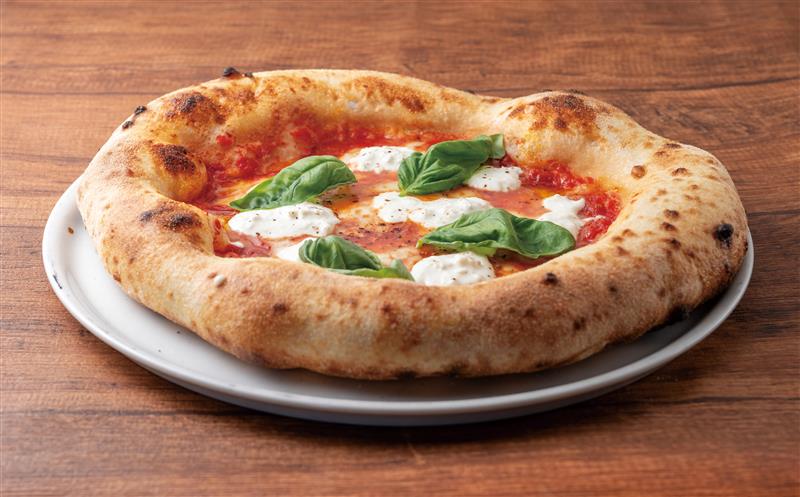
The culinary overhaul replaces dense, standardized disc crusts with high-hydration fermented pizza dough baked at blistering temperatures. Diners pulling into this suburban gourmet trattoria in Ichikawa are no longer ordering ordinary thin-crust fare. They are encountering pizza defined by an exaggerated, ballooning cornicione that crackles on contact and collapses into an airy, aromatic crumb.
📌 Key Takeaways:
- The Culinary Pivot: Pappa Pasta Ichikawa has integrated authentic Pizza Contemporanea techniques, bringing high-hydration dough and cloud-like crusts to Chiba's suburban dining circuit.
- Baking Chemistry: Extended dough fermentation paired with intense wood-fired oven baking yields an airy cornicione crust that remains light and digestible.
- Value Proposition: The restaurant bridges the gap between upscale Tokyo pizzerias and affordable family dining, combining modern pies with fresh artisan pasta.
The Suburban Shift Toward Contemporary Neapolitan Craft
For decades, family trattorias across outer Tokyo and Chiba built loyal followings on comfort and scale. Suburban diners prioritized convenient parking, approachable prices, and menus broad enough to appease three generations at a single table. Precision pizza crusts rarely entered the equation.
Pappa Pasta Ichikawa built its local reputation on those exact suburban foundations. Yet consumer expectations have evolved. Tokyo's specialized pizza boom, driven by obsessively sourced Italian flours, extended cold fermentation, and precision fire control, recalibrated public taste. Suburban diners began seeking those same blistered edges closer to home.
Giraud Restaurant System responded by modernizing its core kitchen infrastructure. Rather than leaving avant-garde styles to central districts like Roppongi or Nakameguro, the operator retrofitted the kitchen at Pappa Pasta Ichikawa. The goal was simple: introduce the modern Neapolitan pizza movement directly to families who rarely have time to commute into Tokyo for dinner.
Decoding the Cloud Crust: Fermentation and High-Heat Physics
Traditional Neapolitan pizza enforces strict rules: flat profiles, soft folds, and rim heights rarely exceeding one to two centimeters. Pizza Contemporanea breaks those geometric constraints entirely. It prizes structural elevation, achieving a dramatic border that resembles an inflated inner tube mottled with charcoal micro-blisters.
Achieving this structure requires precise technical adjustments in the kitchen. Pappa Pasta Ichikawa works with a significantly higher hydration ratio, absorbing upward of 70% water relative to flour weight. Dough balls undergo extended fermentation, allowing yeast and enzymes to break down starches into complex sugars while reinforcing a fragile gluten network. When exposed to heat exceeding 450 degrees Celsius during wood-fired oven baking, trapped gas pockets expand instantaneously. Water flashes into steam, lifting the dough into an ultra-crisp, cloud-like perimeter before the exterior sets.
The result avoids the chewiness that often weighs down lesser crusts. Biting through the outer shell yields a sharp crunch, followed immediately by an interior that dissolves cleanly. The crumb shows pronounced, irregular alveolation, the hollow internal air pockets prized by contemporary master pizzaiolos.
Suburban Casual Dining Versus Tokyo Boutique Pizzerias
To understand the operational leap at Pappa Pasta Ichikawa, consider how its new model stacks up against conventional suburban chains and elite central Tokyo pizzerias.
| Operational Element | Legacy Suburban Chain | Pappa Pasta Ichikawa (2025, 2026) | Boutique Tokyo Specialist |
|---|---|---|---|
| Dough Hydration | 55%, 60% | 68%, 75% | 70%, 80% |
| Fermentation Window | 4, 8 hours | 24, 48 hours cold ferment | 36, 72 hours cold ferment |
| Crust Characteristic | Dense, uniform, bready | Airy cornicione, blistered crunch | Airy, delicate, fragile |
| Average Price (Margherita) | ¥1,100, ¥1,400 | ¥1,580, ¥1,980 | ¥2,400, ¥3,200 |
| Atmosphere & Access | Large parking, family booths | Suburban roadside, ample parking | Cramped counter, reservation-only |
Giraud Restaurant System’s Strategic Bet on Everyday Trattorias
Introducing delicate fermentation schedules into high-volume suburban kitchens presents real operational hazards. A specialized 12-seat pizzeria in central Tokyo can scrap dough if ambient humidity spikes. A 100-seat casual Italian dining room in Chiba cannot afford that luxury.
Giraud Restaurant System tackled this bottleneck through standardized training and controlled cold-proof staging across its participating kitchens. By synchronizing protocols between Mamma Pasta and Pappa Pasta, the group established consistent dough elasticity across shifting seasons. The strategy allows Pappa Pasta Ichikawa to churn out hundreds of pies every weekend without sacrificing structural integrity.
Local reception indicates the gamble worked. Weekend crowds at the Ichikawa branch reflect an intriguing demographic blend: parents with strollers sharing charred Margheritas alongside discerning diners who deliberately skipped downtown trains to eat closer to home. The menu demonstrates that artisanal technique does not require elitist pretension.
Navigating the Menu: Pizza Selections and Fresh Artisan Pasta Pairings
While Pizza Contemporanea claims center stage, Pappa Pasta Ichikawa maintains a dual identity as an Ichikawa Italian restaurant that takes pasta equally seriously. The kitchen prepares fresh artisan pasta daily, pairing extruded and cut noodles with slow-simmered ragùs, garlic-infused seafood sauces, and seasonal vegetables.
A balanced meal here pairs contrasting textures. Starting with a classic Margherita Contemporanea allows you to assess the dough in its purest form, where San Marzano tomatoes, melted mozzarella, and fresh basil accentuate the puffed crust. From there, transitioning to an egg-rich tagliatelle or chewy paccheri offers a hearty counterpoint to the featherweight pizza rim.
Dessert displays near the entrance, a hallmark of Giraud’s trattorias, round out the visit. Large display cases feature daily tarts, zuccotto, and seasonal cheesecakes sliced to order, sustaining the lively, generous atmosphere that suburban regulars rely upon.
Frequently Asked Questions (FAQ)
Q1: What makes Pizza Contemporanea different from standard Neapolitan pizza at Pappa Pasta Ichikawa?
A1: Pizza Contemporanea uses a much higher water-to-flour ratio (often over 70%) and a longer fermentation cycle (24 to 48 hours). When fired at intense heat, the rim puffs dramatically, creating a honeycombed interior that is lighter, crispier, and more digestible than standard chewy pizza crusts.
Q2: Does Pappa Pasta Ichikawa require reservations for dinner?
A2: Walk-ins are common, but wait times routinely climb to 30, 60 minutes during peak weekend lunch and dinner hours. Booking ahead is strongly recommended for families or larger dining groups.
Q3: Is the rest of the traditional menu still available alongside the new pizza?
A3: Yes. Pappa Pasta Ichikawa continues to serve its full lineup of fresh artisan pasta, seasonal meat entrées, grilled appetizers, and signature dessert showcase cakes alongside the updated pizza program.
The Road Ahead for Suburban Italian Dining in 2026
The culinary changes at Pappa Pasta Ichikawa reflect a permanent realignment in suburban dining. Regional customers no longer accept the boundary between accessible suburban convenience and high-caliber culinary execution. By installing proper fermentation controls and high-temperature ovens along transit corridors in Chiba, Giraud Restaurant System proved that technical mastery can thrive outside metropolitan centers.
As suburban families demand better ingredients and genuine craftsmanship, the success of this kitchen serves as an industry roadmap. Pappa Pasta Ichikawa has transformed an everyday roadside stop into an ambitious dining destination, one blistered, cloud-soft slice at a time.