A Visual Feast: The Overflowing Cheese and Chili Pastas of Harappa Honten
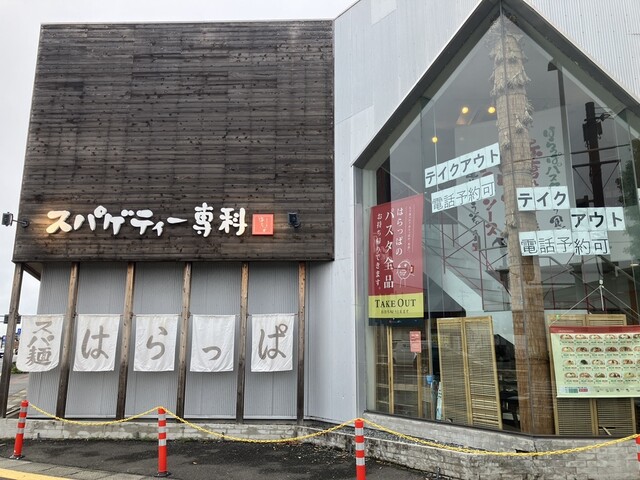
Steam rises from a wide ceramic bowl, carrying the pungent punch of roasted garlic, scorched chili, and simmered tomatoes. Beneath that crimson vapor lies a small mountain of finely shaved cheese so dense it looks like fresh winter powder on Mount Haruna. This is the signature serving at Spaghetti Senka Harappa Honten, an unassuming dining room in Takasaki, Gunma Prefecture, where long-standing Italian pasta dogmas vanish into boiling, slurpable broth.
Takasaki claims the title of Japan’s pasta capital, driven by agricultural roots in domestic wheat production and an appetite for outsized portions. While the city houses hundreds of specialized pasta shops, Harappa has claimed a cult following by turning pasta into something resembling ramen: a rich, garlic chili oil base pooled with tomato purée, piled high with dairy, and eaten with a fork in one hand and a spoon in the other.
📌 Key Takeaways:
- The Signature Blueprint: Harappa Honten builds its reputation on spicy tomato soup pasta blanketed under a mountain of powdered and shredded parmesan that melts into a heavy, garlic-infused emulsion.
- Custom Noodle Textures: Diners select between classic dry durum semolina pasta and Harappa’s proprietary fresh raw pasta (namamen), which offers an elastic, mochi-like chew engineered to trap broth.
- The Mandatory Side: Finishing a bowl requires thick slices of crusty baguette to sop up the leftover chili-garlic broth, an essential ritual of the local dining experience.
The Wheat Belt Roots Behind Takasaki Pasta Culture
Gunma Prefecture has sustained Japan’s flour milling trades for centuries. Blessed with dry winter winds from the northern peaks and well-drained volcanic soils, the region historically prioritized double-cropping wheat alongside wet-field rice. This agricultural reality created celebrated noodle traditions like okirikomi and Mizusawa udon before modern Italian cuisine ever gained a foothold in regional Japan.
During the postwar economic expansion, that existing wheat consumption transitioned directly into western pasta. Local dining pioneer Shan-go introduced sweet meat sauce over fried pork cutlets in the late 1960s, establishing Takasaki’s appetite for heavy portions and saucy carb-heavy dishes.
By the time Spaghetti Senka Harappa opened its original doors, local expectations had shifted toward deep, soup-style pasta bowls designed to warm agricultural workers during freezing Gunma winters. Harappa took that expectation and amplified the seasoning. Rather than coating noodles in a light glaze of oil or emulsified pasta water, the kitchen submerged them in a fiery red broth packed with chopped whole garlic and dried red chilies.
Deconstructing the Fiery Tomato and Cheese Mountain
The centerpiece of the Harappa main branch menu is cataloged plainly as the spicy tomato sauce with cheese. When the order hits the counter, the noodles are invisible. A snowy dome of finely grated parmesan blankets the dish, ringed by a fiery crimson oil pooling at the edges of the bowl.
The heat of the simmering broth begins melting the dairy within thirty seconds. What starts as a dry, powdery dusting dissolves into strings of melted cheese, thickening the acidic tomato soup into a rich, velvety bisque.
Underneath, the broth relies on a base of sautéed garlic cooked low and slow in olive oil, spiked with crushed Japanese red pepper flakes and reduced chicken stock. The first mouthful hits with high acidity and heavy garlic aromatics, followed immediately by dairy fat and sharp salt from the aged cheese. Heat accumulates gradually on the palate. By the fifth bite, diners inevitably loosen their collars as the broth-trapped noodles deliver sustained warmth.
The presentation works because of contrast. The bright red of the chili oil cuts through the pale white cheese, yielding an aesthetic that has made Harappa one of the most photographed regional diners in eastern Japan.
Dry Durum Semolina Versus Chewy Fresh Raw Pasta
Ordering at the Honten location requires a critical mechanical choice: dry pasta (kanmen) or fresh raw pasta (namamen). Each noodle drastically alters how the broth behaves in the bowl.
The dry noodles, made from standard durum semolina, are boiled slightly past strict Italian al dente to allow the pasta to absorb the broth without becoming mushy. The noodles remain slippery, allowing high-speed slurping that distributes the light, un-emulsified broth evenly across the tongue.
The house-made fresh pasta delivers an entirely different meal. Shaped into a thicker, slightly flattened strand, the raw pasta possesses a bouncy, elastic chew reminiscent of high-hydration ramen noodles or Sanuki udon. The starch released from the raw noodles dissolves directly into the tomato broth, creating an ultra-thick consistency that bonds the melted cheese firmly to every mouthful.
Portion sizes reflect Gunma’s agricultural generosity. A standard regular serving (futsumori) at Harappa weighs roughly 120 grams of dry pasta before boiling, whereas high-end urban Tokyo trattorias typically serve between 70 and 85 grams. The large option (oomori) easily surpasses 150 grams, demanding serious appetite control before diners reach the bottom of the bowl.
| Signature Harappa Variation | Core Flavor Base | Dairy Profile | Recommended Noodle Type |
|---|---|---|---|
| Red Chili Garlic Tomato with Grated Cheese | Spicy tomato purée, whole crushed garlic, chili oil | Mountain of finely powdered parmesan | Fresh Raw Pasta (Namamen) |
| Spicy Tomato with Shredded Mozzarella Blend | Reduced tomato broth, garlic slivers, oregano | Stretchy, melted mild cheese shreds | Dry Semolina (Kanmen) |
| Cream-Enriched Tomato Carbonara Hybrid | Garlic tomato soup cut with heavy dairy cream | Integrated cheese emulsion with black pepper | Fresh Raw Pasta (Namamen) |
| Clear Chili Peperoncino Soup Style | Olive oil, clear consommé broth, fried garlic, chili | None (or optional light side dusting) | Dry Semolina (Kanmen) |
Managing the Baguette Ritual and Peak Wait Times
No order at Harappa Honten is complete without the baguette set. Regulars view the bread not as an appetizer, but as an indispensable utensil for the second half of the meal.
When the noodles are gone, a sizable volume of spicy, cheese-infused tomato broth remains at the base of the wide bowl. Tossing crusty rounds of toasted French bread directly into the liquid creates a makeshift tomato fondue. The porous crumb soaks up the sharp garlic and chili oil, leaving clean porcelain behind and preventing diners from wasting the best parts of the sauce.
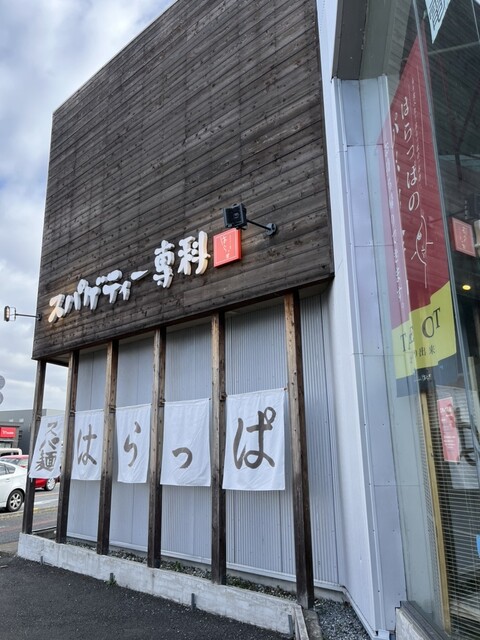
Reaching that bowl requires patience. Harappa Honten sits along the busy roads of Kamitakizawamachi, distinct from the smaller, train-accessible Harappa outpost inside Takasaki Station. The suburban main branch features dedicated parking, but spots fill rapidly well before midday opening.
- Lunch queues form as early as 11:00 AM, with typical weekend wait times ranging from 40 to 75 minutes.
- The ticketing process requires writing your name on the clipboard at the entryway; staff will call parties sequentially into the waiting vestibule.
- Solo diners can often bypass longer wait times by accepting single counter seats directly facing the open kitchen.
- Evening service between 5:30 PM and 7:00 PM offers slightly calmer traffic on weekdays compared to the intense noon rush.
How Japanese Soup Spaghetti Rewrote Western Tradition
Harappa represents a uniquely Japanese evolution of pasta, existing alongside wafu styles like mentaiko or shiso pasta, yet distinct in its aggressive indulgence.
Traditional southern Italian pasta traditions treat sauce as an adhesive dressing, carefully balancing starch and fat to lightly coat each strand. Soup pasta, popularized across the Kanto plain in the late 20th century, abandons that constraint entirely. Instead, it treats spaghetti like hand-pulled Chinese noodles or wheat udon, using high-volume, seasoned broth as a warming delivery vehicle for carbohydrates.
Harappa leaned heavily into this identity by borrowing flavor principles from miso and tonkotsu ramen shops:
- High aromatic fat floats on top to trap heat underneath.
- Liberal amounts of pungent garlic build a lingering crave factor.
- Massive mountains of cheese provide umami-rich glutamate, matching the savory depth normally supplied by long-simmered pork bone broths.
This convergence explains why Harappa thrives as comfort food rather than formal dining. It does not attempt to mimic a Roman trattoria. It functions as pure Gunma soul food, unapologetically rich, intensely savory, and designed for working-class comfort.
Frequently Asked Questions (FAQ)
What is the difference between Harappa Honten and the Takasaki Station branch?
The Honten (main branch) offers a more spacious roadside dining atmosphere, an expanded parking lot, and the full original kitchen workflow. The branch inside Takasaki Station operates in a tighter footprint with higher commuter turnover, making the Honten the preferred destination for food purists seeking the authentic local dining ritual.
How spicy is the signature spicy tomato sauce?
The base heat level sits at a medium kick, noticeable and warming, but approachable for diners accustomed to mild-to-medium chili heat. The substantial volume of melted cheese acts as an effective heat shield, balancing out the sharper chili pepper notes.
Can you adjust the amount of cheese or garlic in your order?
Yes. Harappa's order customization lets diners request modifications, including extra cheese toppings, lighter cheese portions, or adjustments to chili levels. However, omitting garlic entirely alters the underlying character of the signature broth.
Is Harappa suitable for vegetarian travelers?
While the primary sauces focus on tomato, garlic, and cheese, the underlying soup base frequently incorporates meat-derived stocks (typically chicken or pork bouillon) to build depth. True vegetarians should confirm stock ingredients directly with kitchen staff before placing an order.
The Road to Takasaki's Most Satisfying Slurp
Spaghetti Senka Harappa Honten succeeds because it refuses to water down its core culinary identity. It does not chase delicate plating, minimalist ingredient lists, or European validation. Instead, the kitchen continues serving bubbling cauldrons of garlicky tomato broth hidden under drifts of dairy fat.
For travelers navigating the transit corridors of Gunma Prefecture, stopping at this roadside institution offers an instructive look into how regional Japan reinvents foreign cuisines. You will smell the kitchen from the parking lot, you will almost certainly wait in line, and you will leave smelling of garlic and toasted chili. In a world of uniform, sanitized dining trends, that intense red bowl remains well worth the trip.