A Visual Tour of the Tokyu Harvest Katsuura Buffet: Plates, Stations, and Fresh Catches
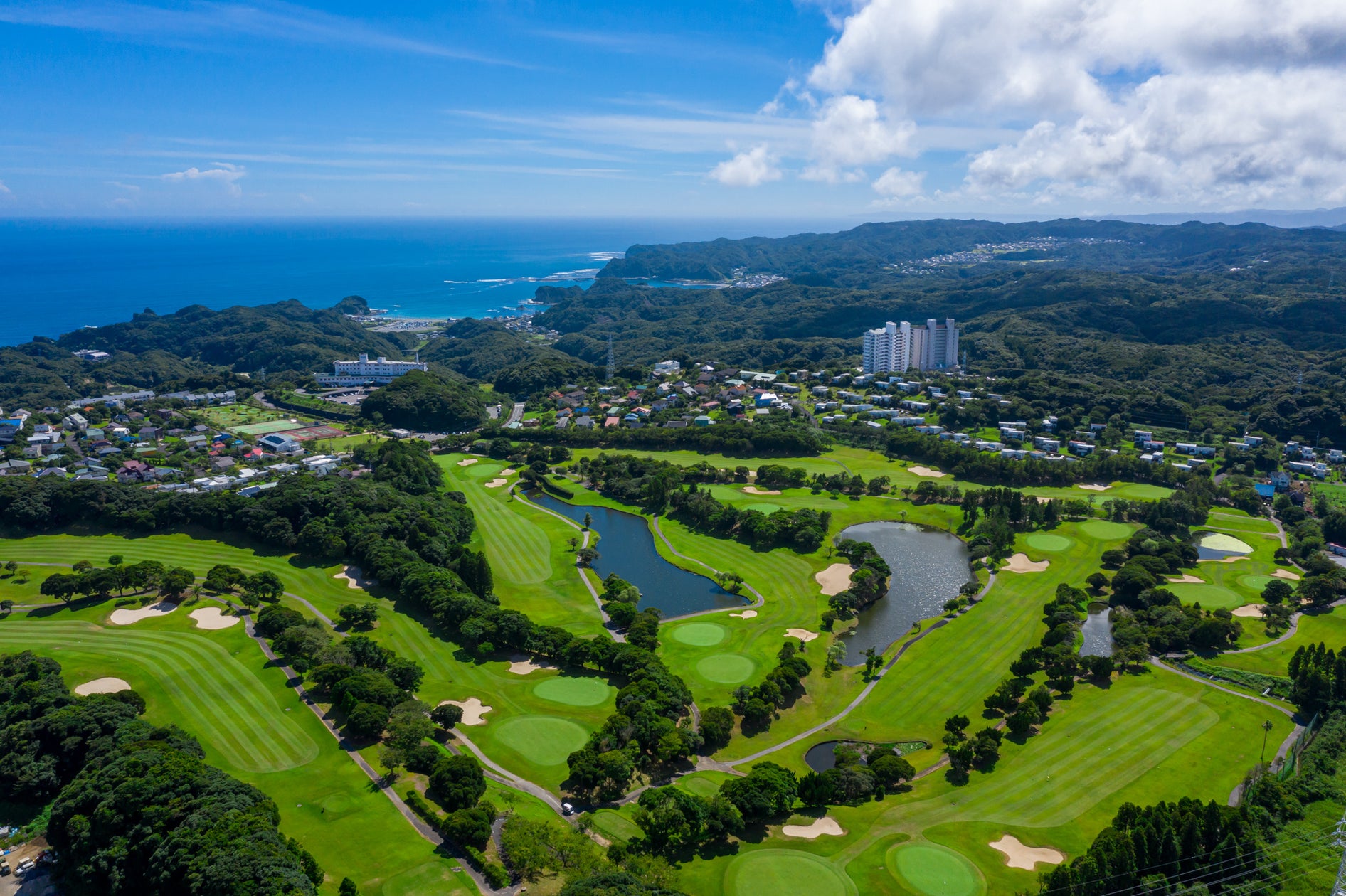
High above the Pacific surf along the southern rim of Chiba Prefecture, Tokyu Resort Town Katsuura has quietly turned its dining room into one of the most compelling regional culinary draws in eastern Japan. While the hilltop property long served as a quiet retreat for private timeshare members, its evening and morning dining services have evolved into a showcase of maritime trade and local agricultural heritage. According to resort updates detailed in a recent PR TIMES Report regarding regional culinary events spearheaded by General Manager Katsumi Inami, the property has redoubled its commitment to coastal sourcing, linking hotel kitchens directly to the historic morning markets and coastal auction houses of the Boso Peninsula.
That procurement pipeline shapes every station across the dinner and breakfast spreads. Guests moving through the hall encounter chilled counters stacked with line-caught offshore fish, charcoal grills searing local cuts to order, and dessert tables built around dairy and fruit from neighboring farms. The visual spectacle matches the flavor profile: unpretentious, technically exact, and deeply tied to the surrounding sea.
📌 Key Takeaways:
- Hyper-Local Sourcing: The culinary program pulls daily seafood directly from Katsuura Port and coastal suppliers across Chiba, spotlighting seasonal skipjack tuna, golden eye snapper, and regional shellfish.
- Interactive Live Stations: Cheffed stations dominate the floor, featuring teppanyaki-seared beef, flash-fried seasonal tempura, and an artisanal sashimi and sushi counter where knife work happens in full view.
- Reservation Access: While Tokyu Harvest Club operates primarily as a membership resort, non-member resort guests and public visitors can access buffet slots during selected operational windows by booking dinner packages well in advance.
Coastal Sourcing and the Boso Peninsula Morning Catch
Katsuura has maintained one of Japan’s three largest morning fish markets for over four centuries. That proximity directly dictates the composition of the sashimi and sushi counter at Tokyu Harvest Club Katsuura. Rather than relying on frozen bulk shipments common in standardized hotel chains, the kitchen coordinates daily with Boso Peninsula distributors to secure whatever the coastal fleet brings ashore at dawn.
In spring and early summer, deep crimson slices of katsuo (skipjack tuna) anchor the chilled displays, served alongside freshly shaved ginger and locally grown scallions. As autumn rolls in, fat-rich kinmedai (splendid alfonsino) and sawara (Japanese Spanish mackerel) take over the center ice wells. Sushi chefs shape nigiri on demand, pairing raw catches with lightly seasoned rice cooked using Chiba-grown Koshihikari grains. The texture tells the story: firm, clean-finishing raw fish served at optimal temperature rather than sitting under drying heat lamps.
Alongside raw presentations, the cold counter features traditional Katsuura coastal cuisine reinterpretations. Simmered amberjack collars, vinegar-cured sardines, and regional shellfish salads give diners a direct taste of traditional fisher culture without the austerity of vintage harbor shacks.
Front-Row at the Live Kitchen and Sizzling Teppan Grills
The architectural heart of the dinner buffet spread is the open live kitchen cooking station. The resort eliminated the boundary between back-of-house prep and dining floor, stationing cooks behind polished stainless-steel counters and glass partitions where heat, smoke, and sizzle create an immediate sensory pull.
At the center sits the teppan grill. Cooks work thick cuts of domestic beef and tender pork loins over searing iron surfaces, seasoning portions with coarse Boso sea salt and house-blended soy reductions. Guests receive small, freshly seared portions directly onto their plates within seconds of leaving the steel. This high-turnover strategy keeps meat juices intact and avoids the gray, dried edges that ruin conventional buffet platters.
Adjacent to the grill, a dedicated tempura station operates throughout service hours. Chefs dip seasonal vegetables, like Chiba sweet potatoes, bitter river greens, and thick shiitake caps, alongside coastal prawns into light, ice-cold batter before dropping them into bubbling oil. The resulting crust fractures cleanly under a fork. Small dishes of fine green tea salt and warm dashi broth sit nearby, allowing guests to season each piece precisely.
Buffet Tiers, Seasonal Pricing, and Booking Mechanics
Navigating the dining options at Tokyu Resort Town Katsuura requires an understanding of meal categories, operational shifts, and seasonal cost adjustments. The resort structures its restaurant pricing to account for member subsidies and variable public rates.
| Service Type | Standard Pricing (Adults) | Primary Station Highlights |
|---|---|---|
| Grand Dinner Buffet | ¥7,700, ¥9,900 | Hand-pressed nigiri, sashimi bar, live teppanyaki beef, seasonal crab legs, patisserie counter |
| Boso Coastal Breakfast Spread | ¥2,750, ¥3,300 | Freshly grilled dried fish, custom seafood rice bowls (kaisen-don), live egg station, Chiba dairy |
| Seasonal Festival Buffet (Golden Week / Obon) | ¥9,900, ¥12,100 | Specialty tuna butchery showcase, local Boso lobster preparations, expanded artisanal sweets |
Pricing fluctuations reflect seasonal gourmet dishes and holiday surcharges. During peak holiday blocks, such as early May during the regional festivals or mid-August, dinner seatings fill weeks ahead. Resort dining reservations run through an internal priority system where registered Harvest Club members gain booking privileges two to three months ahead of arrival dates. Outside leisure guests booking hotel-wing stays generally access open dinner slots 30 days out, making early calendar coordination essential.

Morning Spreads: From Chiba Rice Bowls to Steamed Clam Broth
Morning light fills the dining room through floor-to-ceiling windows overlooking the Pacific coastline. The breakfast buffet menu avoids generic continental defaults, offering instead a balanced split between traditional Japanese coastal provisions and modern Western comfort plates.
The centerpiece is the build-your-own kaisen-don (seafood rice bowl) bar. Diners start with warm rice and spoon their choice of diced tuna, marinated salmon roe, sweet shrimp, and seasonal white fish over the bowl, finishing it with shredded nori and wasabi. Nearby, a row of tabletop grills keeps traditional dried fish warm, including salted horse mackerel (aji no hiraki) cured according to local preservation techniques.
Western breakfast stations highlight local Chiba produce. Baskets overflow with seasonal greens, sweet tomatoes, and roasted root vegetables grown on interior peninsula farms. An egg cook turns out individual French rolled omelets with cheese or mushrooms, while the beverage station dispenses pasteurized milk and yogurt sourced from regional dairies, celebrated for their clean, creamy fat content.
Sweet Finishes and Seasonal Patisserie Displays
The dessert zone caps the buffet experience with a changing spread that moves away from factory-frozen sponge cubes. Instead, the resort pastry team prepares small-batch items that mirror seasonal produce transitions across Katsuura and surrounding farming communities.
Spring layouts spotlight Chiba-grown strawberries, baked into tartlets and layered through delicate parfaits. By late summer, desserts pivot to local melons, citrus jellies, and milk gelato. An active soft-serve machine dispenses rotating seasonal flavors alongside rich vanilla, letting guests build sundaes with red bean paste, rice dumplings (shiratama), or chocolate flakes.
Miniature French pastries, canelés with crisp, caramelized shells, almond financers, and miniature matcha mousses, sit alongside traditional Japanese wagashi. This balance allows diners to conclude heavy savory meals with either light fruit infusions or dense espresso pairings without leaving the property grounds.
Frequently Asked Questions (FAQ)
Q1: Can non-members dine at the Tokyu Harvest Club Katsuura buffet?
A1: Yes, under specific circumstances. While Tokyu Harvest Club operates primarily for private club members, the Katsuura complex contains hotel wings and public room allocations that allow non-members to purchase stay packages that include dinner and breakfast buffet access. Outside day visitors without room reservations can occasionally book open seats on slower weekdays, though resort guests receive strict priority.
Q2: What is the dress code for dinner service?
A2: The dress code is resort casual. Guests are welcome to wear comfortable travel attire, but room robes (yukata) and bedroom slippers are restricted from the main dining room floor to preserve an upscale atmosphere.
Q3: How does the kitchen accommodate seafood or crustacean allergies?
A3: Every buffet station features clearly labeled ingredient placards highlighting the primary allergens (shellfish, wheat, dairy, eggs, peanuts, soba, and crab). Because cross-contact can occur at self-service tongs, guests with severe airborne or contact allergies should alert the culinary team upon arrival to request specially prepared individual plates from the back kitchen.
The Future of Coastal Dining on Chiba's Pacific Rim
As domestic and international travelers seek out regional authenticity over uniform city luxury, resort kitchens face rising expectations. Tokyu Harvest Club Katsuura manages this shift by tethering its kitchen output directly to local watermen and regional agriculture. Rather than treating the buffet format as an exercise in high-volume efficiency, the property operates it as a showcase for Boso culinary culture.
With sustained investments in live kitchen staging, strict seafood cold-chains, and direct partnerships like those showcased in the town's seasonal cultural gatherings, the dining room proves that resort buffets can deliver technical precision without losing their sense of place. For travelers heading south from Tokyo along the scenic Sotobo coastline, booking a dinner seating here offers an immediate, flavorful survey of everything the peninsula brings to shore.