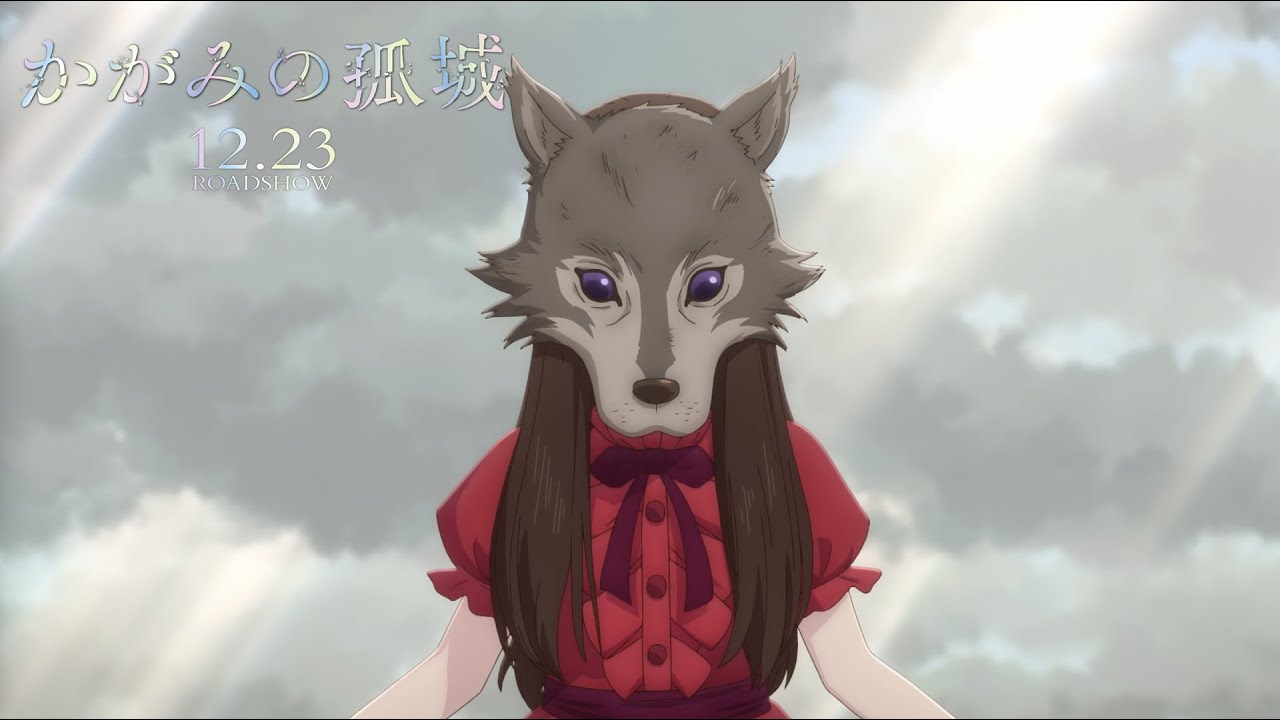
Akito Sohma Complete Character Guide: Relationships, Gender, and Fate Explained

Few figures in modern anime history evoke as much visceral reaction, debate, and eventual empathy as Akito Sohma. Serving as the enigmatic, abusive antagonist of Natsuki Takaya’s celebrated manga series, Akito anchors the entire emotional weight of the Sohma family's multi-generational trauma. When Studio TMS Entertainment completed the reboot adaptation, early distribution details and key visual updates highlighted by the QooApp Report during the broadcast window of Fruits Basket The Final season underscored the immense anticipation surrounding her ultimate reckoning.
Akito represents far more than a typical archetype of villainy. Her identity remains entangled with patriarchal family mandates, emotional isolation, and the agonizing dread of abandonment. Decades after the manga's serialized debut, viewers continue unpacking her psychological profile, her toxic dynamic with Shigure Sohma, and the long road she walked toward genuine atonement.
📌 Key Takeaways:
- The Gender Concealment: Raised strictly as a boy due to her mother Ren Sohma's obsessive jealousy, Akito lived behind a carefully constructed facade enforced by the estate elders.
- Supernatural Ties: As the living incarnation of the God of the Zodiac bond, Akito weaponized absolute spiritual obedience to prevent the spirits from deserting her.
- A Complex Resolution: Akito's path shifts when Tohru Honda refuses to return cruelty with spite, setting up the Zodiac curse breaking and her decision to live openly as a woman.
The Gender Reveal That Reshaped the Sohma Household
For audiences experiencing the story through early adaptations or initial manga volumes, Akito's biological sex remained a closely guarded secret. The 2001 anime adaptation by Studio Deen famously altered the storyline, treating Akito as biologically male. Takaya's original narrative, however, presents a distinct psychological origin: Akito is a woman whose mother, Ren Sohma, demanded she be raised as a boy from birth.
Ren perceived her newborn daughter as an emotional rival for the affections of Akira Sohma, the previous clan leader. Akira doted heavily on Akito, drilling into her psyche that she was born to be loved by everyone as the God of the spirits. When Akira died suddenly during Akito's early childhood, the loss shattered the child's emotional anchor. The traditional estate elders sided with the patriarchal mandate, forcing Akito into masculine formal attire to maintain the traditional image of the Sohma family head.
This gender suppression fostered severe internal dissociation. Denied her true identity, Akito projected her self-hatred onto the women around her, displaying specific hostility toward young girls who exhibited warmth, agency, or romantic attention from the Zodiac members. Her hostility toward Kana Sohma, Rin (Isuzu) Sohma, and ultimately Tohru Honda stemmed directly from this enforced suppression.
The Supernatural Authority of the God of the Zodiac Bond
The supernatural hierarchy inside the Sohma compound rested entirely on the ancient banquet pact. In this ancient legend, God held a banquet for twelve animals, forging a supernatural thread designed to defeat loneliness across endless reincarnations. In modern reality, this bond functioned as an inescapable psychological cage.
As the living God, Akito exercised spiritual authority over the cursed members. None of the possessed cursed spirits could defy a direct command without suffering physical or psychological torment. Akito exploited this spiritual authority continuously, demanding constant attendance and absolute subservience from Yuki, Kyo, and the others.
The cruelty escalated dramatically whenever an animal showed signs of drifting away from the core estate. When Kureno Sohma experienced his curse release in his late teens, Akito panicked. Terrified that the remaining ties would disintegrate, she manipulated Kureno into remaining by her side out of raw pity, isolating him from society. Similarly, she maintained the historic tradition of the Cat monstrous form banishment, reinforcing Kyo's pre-destined confinement in the secluded estate room simply to preserve a family scapegoat that unified the other members.
Akito and Shigure: Twisted Affection and Mutual Obsession
The relationship between Akito and Shigure Sohma stands apart from every other bond in the estate. Shigure, possessing the spirit of the Dog, never viewed Akito merely as a revered divine deity. Instead, his obsession developed into an possessive, romantic fixation on Akito as a woman.
Their interaction operates on cyclical manipulation. Shigure refused to offer Akito the uncritical, subservient adoration she demanded from the other Zodiac members. Instead, he treated her with emotional detachment, intentionally provoking her jealousy to force her maturation beyond the childish pedestal of God. When Akito sought validation by sleeping with Kureno, Shigure retaliated by sleeping with Akito's mother, Ren, a brutal act that deepened the psychological rift between mother and daughter.
Despite the mutual emotional warfare, Shigure remained the only individual who actively wanted the ancient curse shattered so he could claim Akito purely as an ordinary human woman. Their connection reveals two deeply flawed people whose shared vulnerabilities eventually forged an imperfect, grounded partnership outside the spiritual contract.
Key Milestones in Akito Sohma's Narrative Arc
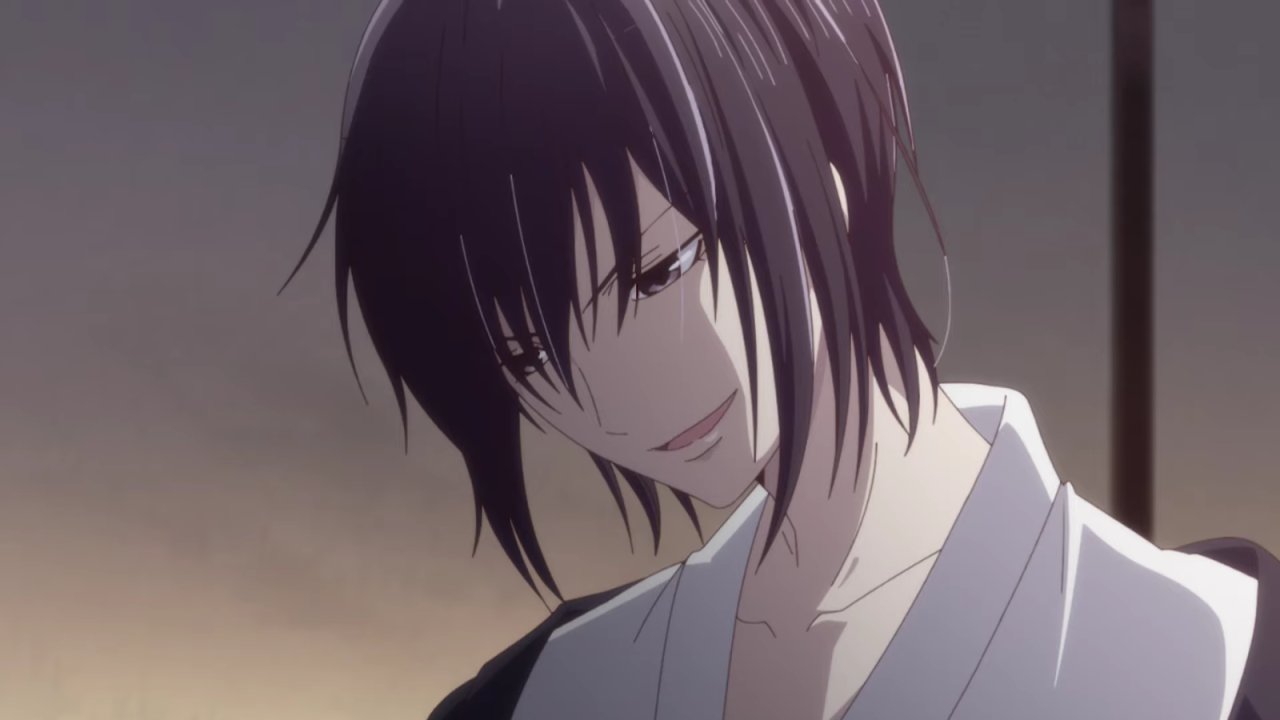
Akito’s transformation spans specific generational events, turning points, and confrontations that systematically dismantled the centuries-old curse.
| Narrative Phase | Central Conflict / Incident | Psychological & Narrative Consequence |
|---|---|---|
| Childhood Era | Passing of Akira Sohma; escalating abuse from Ren | Akito is conditioned to view the Zodiac bond as her sole protection against abandonment. |
| Early Adolescence | Kureno Sohma’s unexpected curse dissolution | Induces severe panic; Akito traps Kureno through emotional guilt to mask the fraying ties. |
| High School Period | Arrival of Tohru Honda within the Shigure household | Yuki and Kyo begin developing emotional independence, threatening Akito's unilateral grip. |
| The Climax | Confrontation with Tohru on the cliffside; stabbing Kureno | Violent emotional collapse leads to the realization that forced bonds cannot replace genuine affection. |
| The Aftermath | Official Zodiac curse breaking; abandonment of male attire | Acceptance of personal responsibility, stepping into clan leadership as an autonomous woman. |
The Breaking Point: Confronting Tohru Honda and Ren Sohma
The unraveling of Akito's controlled reality accelerated during Fruits Basket The Final season. Confronting her mother Ren over Akira’s symbolic remains, Akito was driven to brandish a knife, entirely broken by decades of familial neglect. When Ren mocked her divine authority as meaningless, Akito sought out Tohru Honda in a desperate attempt to assert control over the individual who had dismantled her authority over Yuki and Kyo.
In the woods behind the estate, Akito confronted Tohru with weaponized grief, slashing her arm. Instead of fighting back or running away, Tohru offered an empathetic observation: Akito was simply terrified of an empty future without the spirits. This unexpected compassion unsettled Akito’s entire worldview. When the ground collapsed and Tohru fell down the ravine, Akito faced the stark fragility of human life without supernatural intervention.
The turning point crystallized during the subsequent Tohru Honda hospital confrontation. Visiting the recuperating Tohru, Akito finally permitted herself to communicate openly without hidden daggers or divine claims. By recognizing Tohru’s empathy as authentic rather than manipulative, Akito relinquished the need to terrorize those around her, triggering the comprehensive Zodiac curse breaking across every remaining spirit.
Vocalizing Torment: Maaya Sakamoto's Transformative Performance
The emotional weight of Akito's character in the modern reboot owes considerable debt to the performance of Maaya Sakamoto. In the 2001 anime, voice actor Chad Horii played Akito with a consistently calm, sinister male cadence, reflecting that adaptation's creative liberties. In the 2019, 2021 production, Sakamoto tackled the demanding assignment of voicing a woman forced to speak and act as a male patriarch while internalizing raw panic.
Sakamoto delivered a vocal cadence that shifted instantly from icy authority to hysterical vulnerability. Her ability to portray Akito’s childish tantrums not merely as unprovoked evil, but as the screams of a neglected child desperate for safety, elevated the production's emotional resonance. English voice actor Colleen Clinkenbeard mirrored this duality with equal command, preserving the tension of the character’s unmasking across global dubs.
Critics and audiences consistently praised this vocal execution. It underscored the character's profound inner fracturing, making the eventual breakdown and repentance feel earned within the framework of long-form dramatic pacing.
Frequently Asked Questions (FAQ)
Q1: Why was Akito raised as a boy in the original Fruits Basket story?
A1: Her mother, Ren Sohma, demanded she be raised male out of deep jealousy, fearing that a daughter would steal the affection of her husband, Akira. The traditional Sohma family elders supported the decision so the formal head of the clan would conform to patriarchal expectations.
Q2: Does Akito end up with Shigure at the end of the series?
A2: Yes. Following the dissolution of the Zodiac curse, Akito sheds her male attire, begins living openly as a woman, and commits to a genuine, grounded romantic relationship with Shigure, free from supernatural obligations.
Q3: Does the Sohma family ever truly forgive Akito for her abuse?
A3: The narrative avoids unrealistic immediate forgiveness. While characters like Yuki, Momiji, and Kyo release their hatred and move forward with their lives, several members maintain healthy emotional boundaries. Akito accepts that atonement requires living with the weight of her past actions rather than demanding unearned reconciliation.
The Long Road to Accountability and Healing
The resolution of Akito Sohma’s story rejects tidy shortcuts. Takaya’s writing intentionally refuses to erase the severe physical and psychological scars Akito inflicted on Yuki, Rin, Kisa, and the other cursed members. True restoration does not begin with an unearned group embrace; it starts when power dynamics dissolve completely.
By discarding the male attire of the Sohma family head and stepping into the estate courtyard as an ordinary woman, Akito dismantled the ancient throne built on isolation. Her eventual role in the subsequent sequel series, Fruits Basket Another, demonstrates her ongoing commitment to quiet reform from within the clan. Stripped of divine invulnerability, Akito chose the vulnerable, uncertain work of human empathy, proving that cycles of generational abuse can ultimately be recognized, halted, and laid to rest.