Audio Breakdown: What Really Made Yumiko Nakazawa Weep Live on Nichiyou Tengoku?
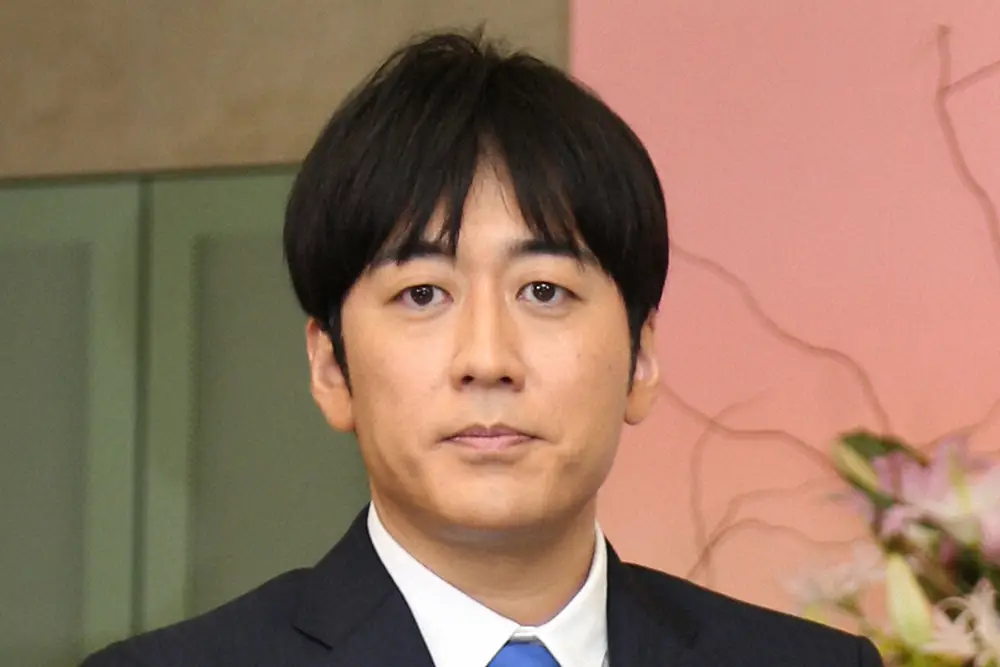
Every Sunday morning at 10:00 AM, millions of listeners across Tokyo turn their dials to TBS Radio for Shinichiro Azumi no Nichiyou Tengoku, affectionately known as Nichi-10. For over two decades, the program has dominated ratings, capturing first place in the 2025 Kanto radiko streaming rankings. The engine behind this success is a delicate studio chemistry: veteran TBS announcer Shinichiro Azumi throws blistering, cynical rhetorical curveballs, while freelance co-host Yumiko Nakazawa catches them with disarming warmth. Yet beneath the laughter lies a recurring live phenomenon that regularly sets Japanese social media ablaze: Nakazawa openly breaking down in tears on air.
Broadcast tears in commercial radio are usually seen as an unprofessional breach of composure, but on Nichi-10, they have become legendary touchstones of unvarnished empathy. Whether triggered by gut-wrenching listener letters about family loss or the sheer weight of carrying the studio alone, such as during Azumi’s sudden sick leave documented in a スポニチ Report on March 1, 2026, Nakazawa’s emotional authenticity reveals why this two-hour weekend broadcast commands such fierce audience loyalty.
📌 Key Takeaways:
- The Emotional Trigger: Nakazawa’s live weeping stems from two distinct sources: deeply resonant listener submissions about everyday family hardship, and the rare, intense pressure of steering the flagship show without Azumi.
- The Co-Host Dynamic: Azumi’s deliberate role as the dry, teasing provocateur creates a safe tonal space where Nakazawa acts as the unfiltered emotional surrogate for the listener.
- Audience Impact: Industry streaming data shows Nichi-10 held the #1 radiko position in the greater Tokyo area through 2025, driven largely by this human, unscripted studio atmosphere.
The Anatomy of a Live Breakdown on TBS Radio
Live Japanese commercial radio runs on precision. Timing wheels dictate commercial breaks down to the second, and announcers train rigorously to suppress voice tremors. Nakazawa, a seasoned professional who joined Nichi-10 at its inception in 2005, understands these mechanics intimately. Yet multiple times over her career, the studio audio has captured her voice catching mid-sentence, followed by audible sniffles and extended pauses where Azumi had to physically step in.
These episodes do not stem from studio slip-ups or manufactured melodrama. Instead, they occur during the program’s celebrated postcard segment (futsuta). Unlike standard radio shows that skim brief social media messages, Nichi-10 dedicates substantial blocks of time to long-form letters submitted by listeners across Japan. These accounts document quiet domestic realities: an elderly parent’s final handwritten note, a child’s quiet reconciliation with a distant father, or sudden personal grief. While Azumi often processes these narratives through analytical curiosity or gentle observational wit, Nakazawa absorbs them with zero emotional shielding.
The Postcard That Broke the Studio Microphone
One of the most widely discussed instances of Nakazawa weeping occurred during a broadcast featuring a letter from a listener recounting their mother’s quiet decline and eventual passing. As Nakazawa read the correspondence live, her pitch dropped, her breathing hitched, and she choked back a sob before reaching the letter’s final lines. In standard broadcasting, such a breakdown invites panic from production staff. On Nichi-10, it produced dead air that felt intensely intimate.
Azumi did not cut to a commercial. Instead, he observed Nakazawa’s tears with his trademark blend of dry exasperation and underlying gentleness. "Nakazawa-san is crying again," he remarked to the audience, instantly relieving the tension without invalidating her reaction. Azumi picked up the copy, finished reading the narrative, and allowed her time to wipe her eyes. This live recovery illustrates their unspoken pact: Nakazawa provides the beating heart of the broadcast, while Azumi maintains the broadcast vessel.
Two Decades of High-Stakes Sunday Broadcasting
The stability of Nichi-10 hides the intense pressure required to sustain a live morning program across two decades. Nakazawa’s emotional volatility is closely tied to the milestone challenges she has faced inside the TBS studio booth.
| Broadcast Milestone | Studio Development | Atmospheric Outcome |
|---|---|---|
| April 2005 | Inaugural broadcast of Shinichiro Azumi no Nichiyou Tengoku | Established the contrast between Azumi’s sharp intellect and Nakazawa’s approachable delivery. |
| 2015, 2018 Broadcasts | Series of emotionally charged generational listener letters | Multiple viral segments where Nakazawa broke down; solidified her reputation for peerless empathy. |
| December 2025 | radiko confirms #1 streaming rank in the Kanto region | Proved that traditional, long-form conversational radio outperforms fragmented audio formats. |
| March 1, 2026 | Azumi misses show due to sudden illness | Nakazawa leads solo opening; demonstrates broadcast fortitude while managing listener worry. |
From Existential Doubt to Studio Anchor
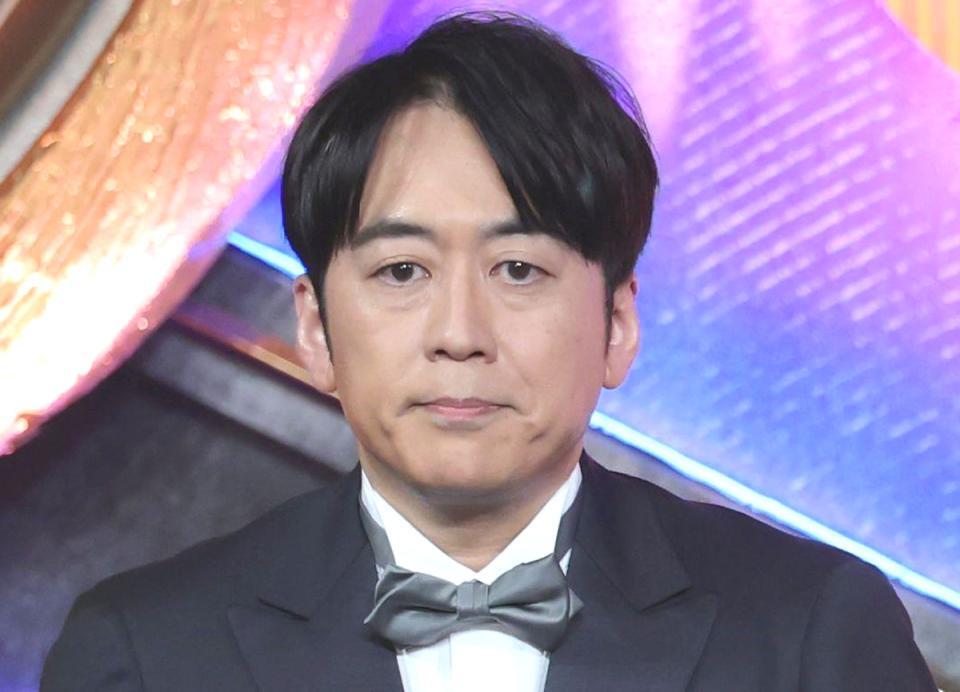
In retrospective interviews published in May 2026, Nakazawa candidly addressed her early insecurities on the show. At 50 years old, looking back over two decades of broadcasting, she admitted to having suffered intense self-doubt during the program’s early years, wondering whether she even had a reason to exist in the booth alongside a talent as formidable as Azumi. Azumi’s verbal speed, encyclopedic memory, and unpredictable banter often left her feeling secondary.
Over time, she discovered that her primary value was not matching Azumi’s rhetorical fencing, but providing unmatched listening ability, what media critics have termed her formidable listening power. Her instinctive exclamations ("Eh!", "Aha ha!", "I see!") gave listeners permission to feel alongside her. When an ordinary submission strikes an emotional nerve, her tears do not represent weakness; they represent genuine presence. She stopped filtering her visceral reactions, transforming the studio from a one-man showcase into a collaborative sanctuary.
The Solo Test: Navigating Azumi’s Rare Absences
The strength of their partnership became glaringly evident during unexpected disruptions. On the morning of March 1, 2026, regular listeners tuned in expecting the usual comedic opening sparring, only to hear Nakazawa’s voice alone. Azumi, 52, was sidelined by sudden illness.
"On today's Nichiyou Tengoku, Azumi-san is taking the day off due to poor health," Nakazawa announced immediately after the musical chime, steadying the broadcast while addressing the palpable unease of millions of listeners. Carrying the flagship show of Kanto radio without its titular host tests any broadcaster’s nerve. Nakazawa handled the absence with steady professionalism, proving that her past on-air weeping was never a symptom of operational fragility, but rather an authentic human choice within an otherwise rock-solid broadcast foundation.
Frequently Asked Questions (FAQ)
Q1: Did Yumiko Nakazawa leave Nichiyou Tengoku after breaking down in tears?
A1: No. Her emotional reactions are an established, beloved element of the program’s character. Nakazawa remains the indispensable co-host of the show, celebrating more than 20 continuous years on the broadcast.
Q2: Why does Shinichiro Azumi tease Nakazawa when she cries?
A2: Azumi’s gentle teasing acts as a deliberate broadcast technique to defuse severe emotional heaviness, protecting Nakazawa from professional embarrassment while smoothly maintaining the show's conversational momentum.
Q3: How popular is Nichiyou Tengoku in Japan’s radio market today?
A3: The broadcast remains an undisputed powerhouse. Official data from radiko confirmed that Shinichiro Azumi no Nichiyou Tengoku captured the number-one overall listenership ranking among all streaming radio programs in the Tokyo metropolitan area for 2025.
The Lasting Power of Unfiltered Human Radio
In an era dominated by hyper-edited digital content and synthetic audio clips, the raw vulnerability inside TBS Radio's studio booth serves as an enduring reminder of why live radio persists. Yumiko Nakazawa weeping over a stranger’s handwritten letter is not a broadcast malfunction; it is the reason listeners return every Sunday morning. Paired with Azumi's grounding presence, her readiness to feel without defense has elevated Nichi-10 from a standard morning program into an irreplaceable cultural institution.