Before and After: Genius DIY Hacks for Seria Clear Tissue Cases
Across Tokyo, scorching midsummer heat regularly confines weekend decorators to air-conditioned living rooms, spurring an unexpected craft obsession built entirely around plastic containers. At the center of this movement sits an unassuming ¥110 clear polystyrene box from Japanese 100-yen retailer Seria. As documented in a recent Yahoo!ニュース Report, home crafters are bypassing expensive boutique homeware brands, turning clear tissue boxes and peel-and-stick tile sheets into custom, high-end accents in under twenty minutes.
The appeal lies in Seria’s transparent, unbranded silhouette. Unlike standard retail cardboard tissue packaging covered in commercial logos, these clear dispensers strip away visual clutter while providing an adaptable canvas for peel-and-stick decor. What started as simple desk organization has evolved into a global design trend celebrated by apartment dwellers and budget decorators alike.
📌 Key Takeaways:
- The Core Material: Seria’s clear acrylic-style tissue case retails for ¥110 ($0.75), functioning as an affordable alternative to luxury acrylic dispensers.
- The Signature Hack: Crafters apply textured Moroccan and ceramic-patterned peel-and-stick tile sheets to the floating lid, elevating cheap plastic into a bespoke decor item.
- Functional Problem-Solving: Parallel adaptations of Seria’s airtight wet sheet dispenser cases resolve common evaporation issues with sanitizing and facial cleansing wipes.
The Japanese 100-Yen Phenomenon Behind Acrylic Upcycling
Japanese dollar stores have long operated differently from Western discount chains. Seria, alongside competitors like Daiso and Can Do, prioritizes clean aesthetics, uniform dimensions, and neutral tones. The clear tissue case represents this design philosophy at its peak: crisp corners, crystal-clear polystyrene walls, and a recessed drop-lid that sinks as the tissue stack depletes.
The product solves a persistent visual grievance in compact Japanese apartments. Standard supermarket tissue boxes clash with neutral wood, concrete, or linen interiors. Placing paper refills directly into transparent containers immediately eliminates loud commercial branding. Yet bare transparency also exposes internal crumpling once the tissue stack runs low. That aesthetic drawback inspired interior enthusiasts on Instagram and Lemon8 to customize the exterior, shielding the view of half-empty contents while retaining the sleek look of modern acrylic storage.
Tile Stickers and Decal Engineering: The Before-and-After Method
The most viral modification requires only three items: the Seria clear tissue box, a sheet of 3D peel-and-stick tile stickers (also sourced from Seria for ¥110), and a standard craft knife. The transformation relies on covering the top drop-lid rather than the sidewalls.
To execute the project, crafters wipe the lid clean with isopropyl alcohol to remove factory mold-release oils. The tile sheet, which features raised polyurethane domes mimicking glazed porcelain or Moroccan ceramic, is laid across the lid's surface. Using the tissue extraction slot as a reference line, the crafter cuts an oval opening with an X-Acto blade, smoothing the edges inward.
The result dramatically alters light refraction. From eye level, the box appears as a ceramic-topped organizer sitting on a floating glass base. The clear side panels allow users to gauge tissue inventory at a glance, while the textured top hides wrinkles and lint. Advanced crafters frequently combine this technique with matte black vinyl wraps or brass corner brackets to imitate mid-century modern apothecary boxes.
Comparing Seria Clear Case Variations and Material Tolerances
Seria produces several specialized variants of its transparent line, each engineered for distinct paper and wipe thicknesses. Understanding these physical dimensions prevents purchasing the wrong refills.
| Product Variant | Core Dimensions | Lid Mechanism | Primary Practical Application |
|---|---|---|---|
| Standard Clear Tissue Case | 24.5 × 12.5 × 8.5 cm | Gravity drop lid (loose) | Full-size facial tissues, tile sticker wraps |
| Airtight Wet Sheet Dispenser | 18.5 × 11.5 × 6.0 cm | Silicone gasket hinge lid | Sanitizing wipes, makeup remover sheets |
| Pocket Tissue Protector Case | 11.5 × 8.0 × 2.5 cm | Snap-fit top closure | Bag-hanging, pocket tissue reinforcement |
The standard tissue box relies entirely on gravity: the lid weighs roughly 65 grams, providing just enough downward tension to let a single sheet separate cleanly without lifting the entire case off the tabletop.

Solving the Wet Wipe Desiccation Crisis
A parallel DIY trend addresses one of the most frustrating small inconveniences of summer: drying wet wipes. Commercial wipe packages feature flimsy adhesive peel tabs that lose stickiness within days, leaving alcohol wipes and baby sheets completely dry.
Retail reporting from MSN and lifestyle publication Roomie highlights the run on Seria’s dedicated clear wet sheet cases with integrated lids. These cases incorporate a silicone gasket ring along the rim, forming a vapor-resistant chamber. During summer, Japanese consumers routinely decant bulk cooling sweat sheets into these compact clear boxes. Because the container is completely see-through, users instantly notice moisture condensation on the walls, confirming the seal is functioning correctly.
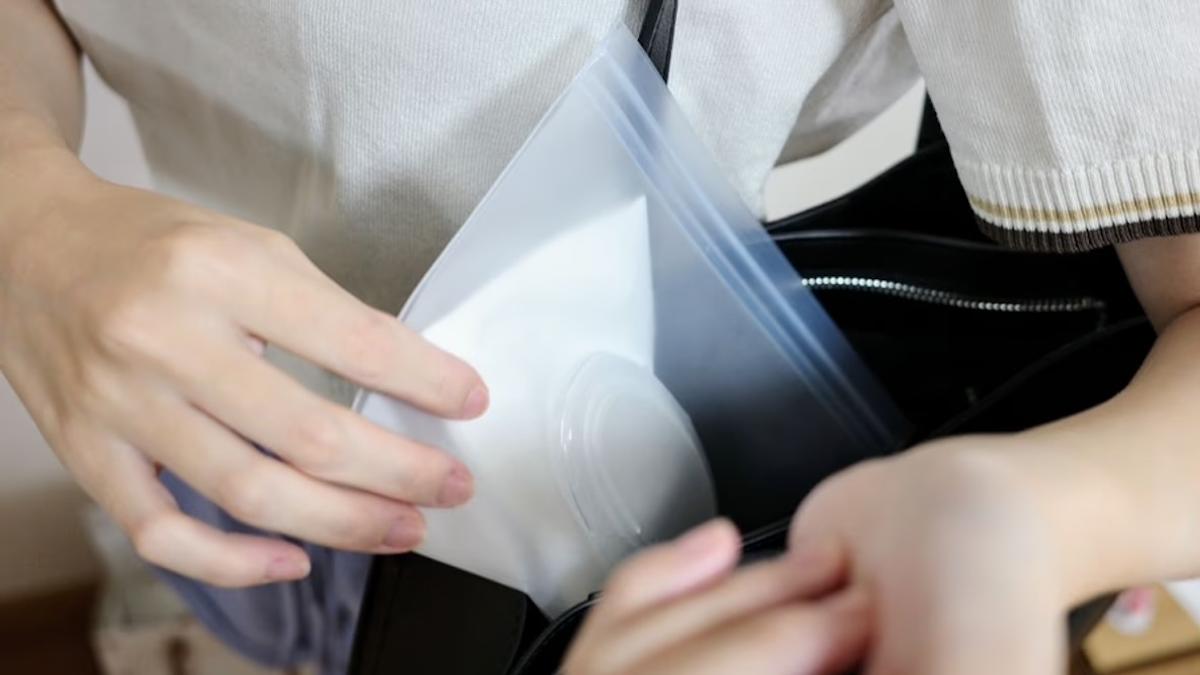
For on-the-go utility, crafters add adhesive carabiner loops to the shorter pocket-tissue versions. Standard plastic packaging tears easily inside canvas tote bags; inserting the pack directly into a rigid ¥110 shell preserves the sheets and prevents bag spills.
Styling Aesthetic Desks on a Dollar-Store Budget
High-end homeware brands charge anywhere from $25 to $45 for minimalist acrylic dispensers. A DIY Seria setup delivers near-identical visual clarity for less than $2.50 total, including the decorative trim.
To integrate the customized box into a workspace, balance its glossy surface with matte materials. Interior stylists frequently set the box atop raw oak risers, next to stone pen cups or linen desk mats. The contrast between transparent polystyrene and organic textures keeps the plastic from looking cheap.
For vanity tables, water resistance is a major benefit. Unlike lacquered wood or untreated cardboard, a polystyrene case handles damp bathroom environments without warping or swelling. If makeup residue or powder dust settles on the surface, the entire unit can be rinsed under cold water and dried with a microfiber cloth.
Frequently Asked Questions (FAQ)
Q1: Do standard American tissue boxes fit inside the Seria clear case?
A1: Standard rectangular tissue cardboard boxes will not fit inside intact. You must remove the tissue stack from its cardboard box and slide the loose paper directly into the Seria container. Western boutique square cube tissues are incompatible with the rectangular model.
Q2: Will peel-and-stick tile stickers leave adhesive residue if removed?
A2: Seria's tile stickers use an acrylic-based adhesive that bonds firmly to smooth polystyrene. If removed after several months, light residue can remain. You can wipe this away cleanly using mineral oil or isopropyl alcohol without clouding the plastic.
Q3: How do you prevent scratches on clear polystyrene during crafting?
A3: Keep the clear base wrapped in its original protective polybag while cutting and positioning stickers on the lid. Always work on a self-healing cutting mat and avoid sliding utility blades directly against the exposed plastic walls.
The Lasting Appeal of Micro-Budget Interior Design
Seria’s clear tissue case succeeds because it embraces modular simplicity. By treating budget plastic as an open base rather than a finished product, DIY crafters have rewritten the economics of home styling. A thoughtful cut of tile vinyl, a clean workspace, and two dollars of materials bridge the divide between discount utility and intentional design.