Behind the Recording Booth: Visualizing Kengo Kawanishi and Akira Ishida's Iconic Anime Showdowns
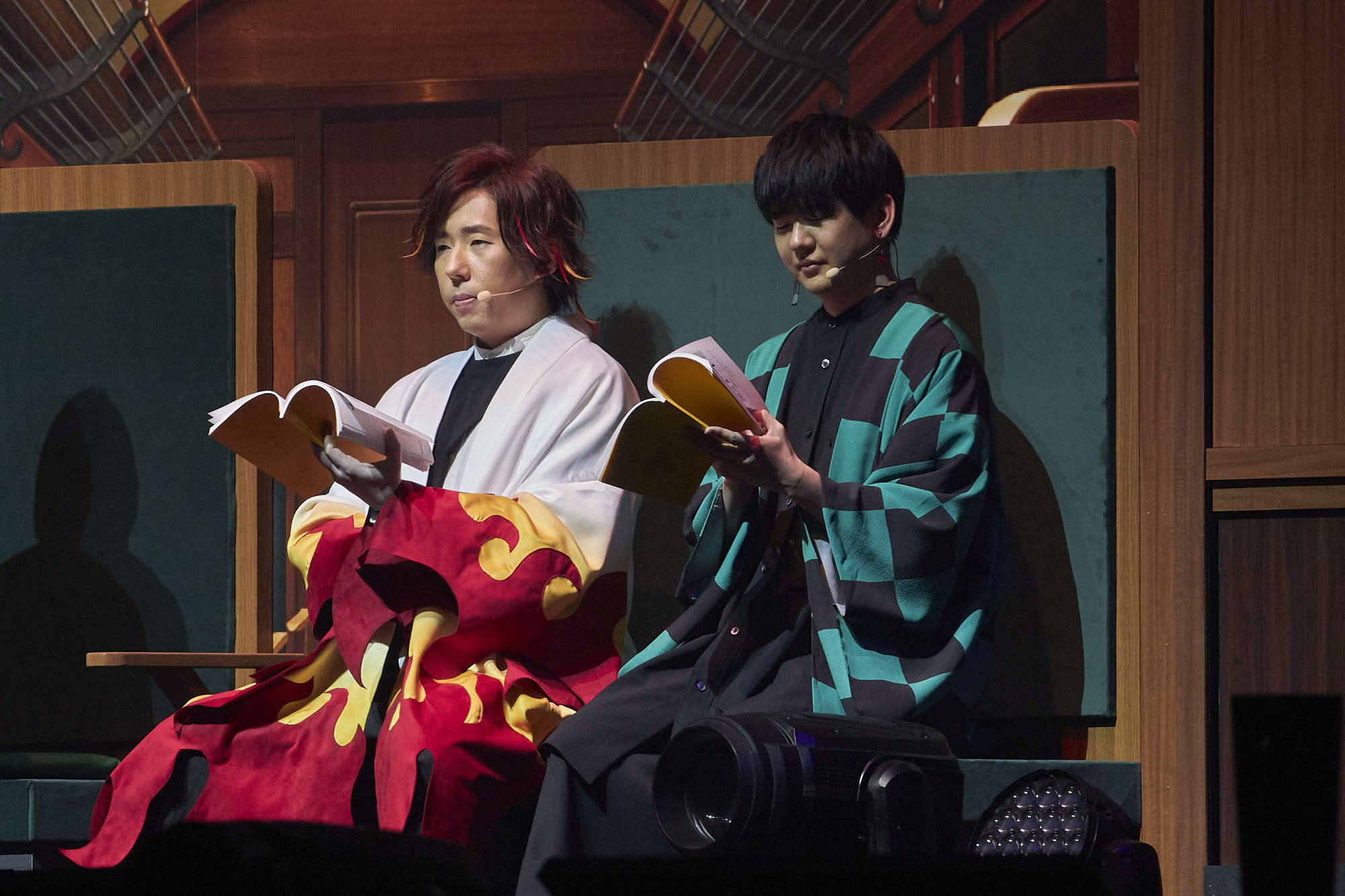
Behind the Recording Booth: Visualizing Kengo Kawanishi and Akira Ishida's Iconic Anime Showdowns
When sound directors assemble an ensemble cast for high-stakes psychological confrontations, pairing veteran Akira Ishida with mid-career powerhouse Kengo Kawanishi has become one of the industry's most reliable formulas for dramatic friction. Production updates highlighting joint roster appearances, from franchise tentpoles to casting waves reported in an Anime News Network Report covering projects like Skeleton Knight in Another World Season 2, consistently ignite debates across Japanese animation fandoms. Their repeated face-offs showcase an intricate clash of generational vocal techniques that define modern voice acting.
The contrast between Ishida's detached, enigmatic cadence and Kawanishi's grounded, calculated delivery creates an immediate dramatic tension on screen. Rather than relying on bombastic shouting matches, their dynamic thrives on quiet psychological intimidation, measured pauses, and razor-thin pitch modulations. Analyzing how these two voice actors operate alongside each other in the studio reveals the hidden mechanics of contemporary anime sound direction.
📌 Key Takeaways:
- Vocal Dynamic: Akira Ishida’s ethereal, unpredictable pitch balances Kengo Kawanishi’s dry, methodical mid-register to create unmatched verbal combat.
- Production Shift: Modern ensemble recording schedules post-2024 demand exceptional improvisational instinct, testing how generational talents bounce off each other with minimal rehearsal.
- Casting Architecture: Sound directors deliberately pair the two to frame narrative conflicts between cold institutional detachment and sharp, strategic opportunism.
The Studio Chemistry Behind the Kawanishi-Ishida Dynamic
The Japanese voice acting industry operates under grueling schedules where actors rarely receive extended rehearsal periods before entering the live studio environment. In standard pre-production sessions, performers sit together in a shared studio, stepping forward toward three or four standing condenser microphones based on complex cue sheets. When Akira Ishida and Kengo Kawanishi share these floor spaces, the atmosphere shifts palpably.
Ishida debuted in the late 1980s, rising to prominence through roles that demanded an ambiguous, haunting neutrality, most famously Kaworu Nagisa in Neon Genesis Evangelion. His trademark technique involves softening the onset of his consonants, giving his dialogue an elusive, unreadable quality. He rarely projects volume to display strength. Instead, he drops decibels, forcing the audience and his scene partners to lean in.
Kawanishi, who established his footprint as Mikazuki Augus in Mobile Suit Gundam: Iron-Blooded Orphans, works from the opposite vocal philosophy. His delivery is anchored, crisp, and rhythmically precise. When playing tactical figures like Gen Asagiri in Dr. STONE, Kawanishi injects intentional vocal fry and dry cadence into his lines, projecting an aura of calculated pragmatism. Put Ishida’s unearthly detachment next to Kawanishi’s earthbound cynicism, and sound directors achieve an instant, self-sustaining narrative conflict without touching the equalizer.
Mental Chess at the Microphone: Breaking Down Their Dr. STONE Confrontations
The vocal rivalry between the two performers reached mainstream prominence during the clash between the Kingdom of Science and the Tsukasa Empire in Dr. STONE. Akira Ishida stepped into the booth as Hyoga, an austere spearman who measures human worth purely through ruthless competence. Kawanishi voiced Gen Asagiri, the silver-tongued mentalist shifting allegiances between competing ideologies.
Their shared scenes provide a masterclass in vocal spatial awareness. In Episode 19 of the first season, Hyoga interrogates Gen regarding the capabilities of Senku’s emerging technological society. Ishida delivers his lines with a rhythmic, chilling lilt, punctuating his signature catchphrase with terrifying politeness. In Japanese voice acting terminology, Ishida demonstrates pristine haku (syllabic timing), never rushing a cadence even when depicting sheer psychopathy.
Kawanishi responds not by matching Ishida’s intimidation, but by destabilizing it. His delivery as Gen adopts a slippery, sing-song lilt that slips between theatrical subservience and ice-cold internal calculation. During studio production, sound directors routinely monitor how actors share dynamic range. If both performers push for dominating projection, the audio mix flattens. Kawanishi retreated into breathy, conspiratorial tones, allowing Ishida's razor-sharp consonants to slice across the track. The resulting scene crackled with authentic danger because neither actor was fighting for acoustic dominance; they were executing a synchronized audio dance.
Tracking the Evolution: From Classic Dualities to 2026 Productions
The casting strategies linking Ishida and Kawanishi trace back through a decades-long evolution in how Japanese production committees conceptualize secondary antagonists and anti-heroes. The structural shift from analog group sessions to modern production constraints provides valuable historical context.
| Production Period | Prominent Roles / Projects | Acoustic & Booth Environment | Industry Casting Logic |
|---|---|---|---|
| 2015, 2018 | Mobile Suit Gundam: Iron-Blooded Orphans, March Comes In Like a Lion | Full-cast simultaneous studio tracks; four shared physical microphones per room. | Kawanishi emerging as a stoic lead; Ishida frequently deployed as legendary foil. |
| 2019, 2023 | Dr. STONE (Seasons 1, 3), Demon Slayer: Kimetsu no Yaiba | Staggered split sessions; micro-booths with 2, 3 actors maximum to adhere to health protocols. | Intentional pairing in reduced setups to preserve organic psychological tension. |
| 2024, 2026 | Batman Ninja vs. Yakuza League, Skeleton Knight in Another World Season 2 | Hybrid remote-ensemble setups; heavy spatial audio mixing for international streaming formats. | Veteran stability paired with sharp character characterizations for high-budget adaptations. |
As the table demonstrates, the industry shifted dramatically after 2020. The transition from massive ensemble sessions toward split-booth recordings placed immense pressure on actors to imagine the other performer's tempo in advance. Industry veterans like Ishida possess such steady pacing that younger actors can easily play off their prerecorded guide tracks. When both are scheduled in the same split session, sound engineers often note how few retakes are required to nail the balance.
Global Streaming Expansions: Batman Ninja vs Yakuza League and Beyond
The creative partnership between Kawanishi and Ishida continues to capture international focus through expansive cinematic releases. Warner Bros. Japan's animated feature Batman Ninja vs. Yakuza League, scheduled to premiere on Max, reunites leading Japanese vocal powerhouses under high-octane alternate-universe circumstances. The project showcases how modern sound directors utilize these performers to sell stylized comic book tropes to domestic and global audiences alike.
Directing voice tracks for heightened fantasy features requires rapid shifts between deadpan comedy and sudden operatic melodrama. Ishida, who voiced the Joker in the 2018 predecessor Batman Ninja, brought an unhinged theatricality that departed sharply from his typical quiet antagonists. In ensemble follow-ups where Kawanishi enters the extended cast lineup, the interplay between grandiosity and grounded cynicism takes center stage once again.
Parallel casting updates across fantasy television follow the same playbook. When production announcements for Skeleton Knight in Another World Season 2 confirmed cast additions across promotional rollouts, community forums immediately highlighted how secondary and recurring characters elevate light novel adaptations. When established veterans handle high-fantasy dialogue, exposition transforms into engaging drama. Audiences trust these voices; their presence instantly grants authority to a fantasy world's political structures.
Vocal Architecture: How Sound Directors Build Tension Without Shouting
Sound directors like Jin Aketagawa and Satoki Iida frequently design soundscapes where the tension originates entirely within micro-tonal variations. In many shonen productions, climactic moments depend on sustained shouting, taxing the actors' vocal cords to communicate desperate stakes. The dynamic between Kawanishi and Ishida, however, relies on acoustic containment.
To analyze this technical achievement, sound engineers break vocal output down into three primary variables:
- Sub-glottal pressure: Ishida reduces airflow pressure to create a smooth, frictionless phonation. This gives characters like Akaza in Demon Slayer or Fyodor Dostoevsky in Bungo Stray Dogs an unnerving, effortless air of superiority.
- Formant shifting: Kawanishi adjusts the shape of his vocal tract to shift formants downward, producing an intensely focused, dry resonance. As Muichiro Tokito in Demon Slayer, his low-energy flat tone contrasts sharply against hyperactive combat environments.
- Micro-pauses (Ma): In traditional Japanese performance arts, ma (negative space or pause) holds equal weight to spoken words. When Ishida and Kawanishi interact, they frequently extend the space between lines by fractions of a second, forcing the listener to process the psychological weight of their dialogue.
During dialogue-heavy scenes, this restraint keeps audio levels cleanly below the clipping threshold, giving the final sound engineer broad headroom to layer complex sound effects and orchestral scores without swallowing the dialogue. It is an efficient, highly disciplined approach to vocal performance that younger voice talents actively study.
Frequently Asked Questions (FAQ)
Q1: Why do Kengo Kawanishi and Akira Ishida frequently appear together in the same anime series?
A1: Casting directors often pair them because their vocal timbres complement each other naturally. Ishida's ethereal, higher-frequency vocal resonance provides a distinct acoustic contrast to Kawanishi's grounded, calculated mid-range tones, creating balanced audio tracks that require minimal equalization adjustments.
Q2: Do Akira Ishida and Kengo Kawanishi physically record their lines in the same room?
A2: While standard anime productions traditionally grouped all cast members in one room, industry practices after 2020 adopted split-session recording systems. For high-priority dialogue scenes requiring tight comedic or dramatic timing, sound directors still book shared booth slots whenever their schedules permit.
Q3: What are the most notable anime where both actors share screen time?
A3: Their most prominent confrontations occur in Dr. STONE (as Gen Asagiri and Hyoga). They also both appear in major franchises such as Demon Slayer: Kimetsu no Yaiba (voicing Muichiro Tokito and Akaza, respectively) and alternate-universe cinematic projects like Batman Ninja vs. Yakuza League.
The Future of Ensemble Voice Acting in 2026
The Japanese voice acting industry continues to experience rapid commercial expansion, driven by worldwide streaming syndication and digital distribution. Production pipelines now demand faster turnaround times and more specialized vocal characterizations. In this hyper-accelerated production ecosystem, the technical reliability that Akira Ishida and Kengo Kawanishi bring to the recording studio remains a gold standard for producers.
Their ongoing collaborative history proves that memorable voice acting does not require overwhelming volume or showy theatrics. By treating dialogue as a delicate, calculated acoustic chess match, Kawanishi and Ishida continually demonstrate how subtle vocal technique elevates animated storytelling. As audiences experience their performances across newly released seasons and upcoming feature films, the craft behind their microphone showdowns offers an enduring masterclass in vocal discipline.