Behind the Squeeze Toy Aliens: How Pixar Turned Claw Cultists into Cute Icons
When Pixar animators first dropped three dozen lime-green, three-eyed rubber creatures into a fictional arcade claw machine in 1995, they intended them to serve as a darkly comic parody of blind consumerism and cult devotion. Voiced in unison by Jeff Pidgeon, the Squeeze Toy Aliens were bizarre, uniform, and slightly unnerving as they worshipped "The Claw" inside Pizza Planet. Thirty years later, those once-grotesque background extras anchor a multimillion-dollar aesthetic subculture across Tokyo, Seoul, and Los Angeles.
The character design has shed its eerie edge in favor of round proportions, pastel accents, and expressive simplicity. As documented in a recent アニメ!アニメ!Anime Anime Report, Japanese licensing giant Shobido launched its retro-leaning "Colorful Toy Series" in late August 2026, pairing Woody and Buzz with minimalist Squeeze Toy Alien motifs on lifestyle goods. That release followed a summer packed with alien-centric drops, from Bandai's begging-pose bath figurines to Eyeup's shape-shifting plush series. Understanding how these rubber oddities became fixtures of bedroom walls, phone wallpapers, and digital sketchbooks requires examining both Pixar's foundational craft and the global appetite for cute character art.
📌 Key Takeaways:
- The Aesthetic Origin: Early Pixar character sketches prioritized geometric simplicity, giving the Little Green Men an accidental blueprint for modern chibi styling.
- The Kawaii Migration: Asian consumer markets repositioned the trio from satirical cultists into expressive symbols of innocence, driving the Toy Story kawaii aesthetic worldwide.
- The Commercial Boom: Merchandise in 2026, spanning Bandai collectibles to LEGO releases, centers on dynamic emotive poses rather than static movie replicas.
From Pizza Planet to Sketchbooks: The Accidental Geometry of Kawaii
The enduring visual power of the Little Green Men stems from fundamental geometric balance. Early development art at Pixar under art director Ralph Eggleston reduced the characters to elemental shapes: a squash-and-stretch pear body, an oversized disc-shaped head, and three perfectly aligned spherical eyes. The blue uniform, framed by a purple collar and a Saturn-like planet patch, grounded the design in mid-century science-fiction tropes.
Those minimalist Disney illustrations turned out to be an ideal match for character designers outside the studio. When digital artists produce cute Toy Story alien art today, they rarely replicate the stiff vinyl texture seen in the original 1995 computer graphics. Instead, they emphasize round contours, softened line work, and exaggerated cranial widths.
The presence of three eyes creates a unique visual rhythm. In character illustration theory, odd-numbered facial features can easily provoke discomfort. Pixar solved this by spacing the pupils evenly and locking them into wide, hopeful stares. That deliberate symmetry makes chibi Toy Story drawings remarkably approachable. Graphic artists stripped away the film's harsh arcade lighting, replacing it with flat pastel washes that turned an offbeat creature into a staple of digital sticker packs and aesthetic Disney doodles.
How Japanese Pop Culture Reclaimed the Little Green Men
Western audiences initially viewed the aliens through the lens of irony. They were comic relief, functioning as a deadpan counterweight to Buzz Lightyear's delusions of grandeur. In East Asia, and Japan in particular, consumers latched onto a different quality: helpless vulnerability.
In Tokyo Disney Resort merchandise cycles throughout the 2000s and 2010s, the aliens quickly outperformed main characters Woody and Buzz in accessory sales. Their catchphrase, "The Claw is our master", translated culturally into a charming collective innocence. That dynamic fueled a creative surge among amateur and professional illustrators who began generating three-eyed alien wallpaper and custom vector artwork.
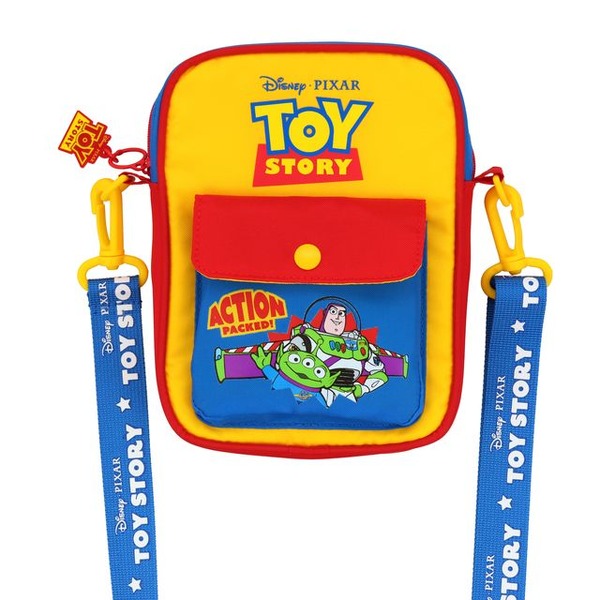
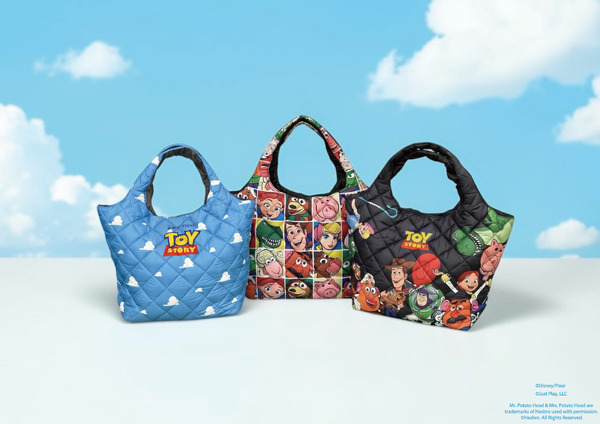
This regional affection also prompted Disney to formalize sub-brands tailored to illustration fans. The Toy Story kawaii aesthetic was no longer an underground fan trend; it became official company canon. Japanese stationery designers took the original computer models, flattened the perspective, and created retro Pixar pop art featuring muted mint greens, lavender purples, and cream backgrounds. The characters migrated from children's toy aisles into adult lifestyle spaces, appearing on canvas bags, desktop calendars, and subtle home goods.
Three Decades of Design Evolution and Commercial Adaptation
The shift from 1990s movie prop to 2026 design staple did not happen overnight. Merchandisers and studio artists systematically reshaped the character's physical presentation across four distinct eras.
| Era | Visual Style & Palette | Primary Medium | Core Target Audience |
|---|---|---|---|
| 1995, 1999 | High-gloss vinyl sheen, saturated neon green, static collective stare | Rotomolded plastic toys, film stills | Children and film collectors |
| 2000, 2010 | Plush fabric textures, softer proportions, theme-park snack motifs | Tokyo Disney merchandise, stationery | Teenagers and park visitors |
| 2011, 2019 | Flat 2D vectors, line-art stickers, chibi proportions | Mobile messaging apps (LINE), digital wallpapers | Young adults and digital creators |
| 2020, 2026 | Chameleon crossover designs, pastel retro prints, expressive poses | Blind-box art figures, lifestyle goods, LEGO | Broad design enthusiasts and cross-generational fans |
The 2026 Market Surge: Alien Remix and the Begging Pose Trend
The summer of 2026 highlighted how malleable the character design remains. Toy manufacturers shifted away from uniform static poses, leaning into emotional and crossover narratives that resonate on visual platforms like Instagram and TikTok.
In late June 2026, manufacturer Eyeup announced retail expansion for its "Mitsume Nui Colon" plush line, built entirely around the Pixar Alien Remix collectibles concept. The series features the three-eyed creatures disguised as Lotso, Sulley, and Nemo. The visual contrast between a blank, cheerful alien face and the distinct outfits of other Disney characters creates an instant spark of humor. Collectors respond strongly to that contrast; the items sold out across multiple Tokyo specialty shops within 48 hours of their late-July debut.
Simultaneously, Bandai tapped into dynamic physical expression with its July 20, 2026 release of the "Bikkura Tamago: Onegai Onedari" bath toy series. Rather than standing at attention as they did in the 1995 film, the miniature figures sit in an imploring, wide-eyed begging pose. That specific posture, palms together, chin tilted upward, directly mimics traditional anime illustration tropes.
Combined with LEGO Japan's summer 2026 space-themed building sets released in advance of Toy Story 5, the character's market footprint demonstrates remarkable durability. A design that began as a punchline inside an arcade machine now thrives across fabric, ABS plastic, and digital vectors.
Anatomy of a Three-Eyed Doodle: Why the Silhouette Never Fails
Digital artists frequently cite the alien's silhouette as one of the easiest yet most rewarding subjects in commercial animation. Breaking down the visual components reveals why amateur illustrators gravitate toward it:
First, the single antenna with its spherical tip provides an instant anchor for the entire composition. Even when an artist strips away color, facial features, and clothing, that singular stalk atop an oval head remains unmistakably recognizable.
Second, the relationship between the mouth and the eyes offers extreme expressive flexibility. In the original films, the mouth was an oval opening built for uniform chanting. In modern fan illustrations and licensed stationery, artists shrink the mouth to a small dot or a tiny upward curve positioned close to the lower eyelid line. Moving the features lower on the head shortens the perceived facial plane, automatically triggering human perceptions of infant-like cuteness.
Finally, the color scheme provides instant contrast without visual clutter. The chartreuse green of the skin clashes harmoniously with the deep royal blue and magenta accents of the space suit. When translated into modern minimalist Disney illustrations, designers soften these primaries into sage green, periwinkle, and dusty lilac, allowing the artwork to blend seamlessly into contemporary home decor and apparel.
Frequently Asked Questions (FAQ)
Q1: What is the official name of the Toy Story aliens?
A1: Disney and Pixar officially designate them as "Squeeze Toy Aliens," though early scripts and credits frequently referred to them as "Little Green Men" (often abbreviated as LGM). In Japan and parts of Asia, they are commonly marketed simply as "Alien" (エイリアン).
Q2: Why did the Alien Remix series become so popular with collectors?
A2: The Alien Remix line succeeds because the alien's three-eyed, neutral facial structure acts as a blank canvas. Putting that face into the costumes of iconic Pixar figures, such as Buzz Lightyear, Woody, or Lotso, creates an affectionate visual parody that appeals to both casual fans and serious designer-toy collectors.
Q3: What design techniques make three-eyed alien illustrations look cute rather than scary?
A3: Illustrators soften the look by placing the three eyes low on a wide head, keeping the pupils large and round, and shortening the mouth into a subtle curve. Removing photorealistic textures in favor of clean pastel fills and rounded limbs eliminates the eerie quality of the original movie models.
The Lasting Cultural Resonance of the Claw's Chosen
The transformation of Pixar's Squeeze Toy Aliens illustrates how audiences ultimately claim ownership over character design. Animators conceived these figures to critique hive-mind worship within a garish 1990s pizza parlor. Instead of keeping that cynical distance, fans across the world chose to fall in love with their collective devotion.
Today's appetite for cute alien art, from delicate line drawings to high-end lifestyle products, reflects a widespread desire for uncomplicated joy. The Little Green Men demand nothing from the viewer except shared wonder at the universe around them. As long as artists can sketch three simple circles on a green oval, that little chorus of squeaky voices will continue to find a home on desks, screens, and sketchpads worldwide.