Best Time to Visit Shifukuji Temple: Fact-Checking Bloom Schedules and Access in Sendai
Every summer, the stone stairways of Kitayama in Sendai transform under steady Pacific drizzle into dense corridors of blue, violet, and pale white. At the center of this seasonal pilgrimage sits Shifukuji Temple Sendai, widely celebrated by locals as Sendai Ajisai-dera. As documented in an MSN Report on the temple grounds, the arrival of the northern monsoon brings vibrant canopies to life, offering quiet relief to travelers navigating the humid Tohoku rainy season.
(Source: MSN: "アジサイ寺の境内でアジサイが見頃 仙台・資福寺")
Yet visiting this historic Rinzai Zen temple Miyagi site requires practical preparation. Shifukuji is an active place of worship situated inside a tight residential enclave, not an open-air theme park. Navigating the narrow slopes of Kitayama Aoba Ward during peak bloom demands verified intelligence on transit timetables, seasonal operations, and spatial constraints.
📌 Quick Summary:
- Peak Bloom Window: Late June through mid-July, when approximately 1,000 planted bushes reach full maturity.
- Access Reality: On-site vehicle parking is virtually non-existent for tourists; rail arrival via Kitayama Station is mandatory to avoid residential gridlock.
- Temple Amenities: The traditional seasonal Shifukuji tea stall operates exclusively during peak flowering periods, offering matcha alongside sheltered garden views.
The 1,000-Bush Canopy of Kitayama Aoba Ward
Shifukuji belongs to the Myoshin-ji branch of Rinzai Zen Buddhism, positioned within Sendai's historic Kitayama Gozan, a defensive and spiritual barrier of five temples established north of Aoba Castle by the Date clan. While autumn highlights its historic moss carpets, early summer exposes the precinct's horticultural identity. The grounds hold roughly 1,000 individual hydrangea bushes framing the approach, central courtyard, and hillside cemetery trails.
The plantings balance two distinct botanical varieties: rounded western hydrangea heads and delicate gaku ajisai lacecap varieties native to Japan. The western hydrangeas lean heavily toward deep cobalt and magenta, reacting to the acidic, mineral-rich soils of the Kitayama ridge. In contrast, the lacecap blooms feature flat, ringed disks of fertile florets surrounded by ornamental outer sepals. They line the central stone staircase, where moisture from early summer rainfall intensifies their pigments.
Reading the Hydrangea Bloom Schedule in Sendai
Tohoku experiences a delayed rainy season compared to central Japan. While Kamakura's hydrangeas often peak by early June, Sendai's display operates on a distinct three-week lag. Shifukuji's bloom cycle responds directly to regional precipitation and ambient humidity.
Chief Priest Shibuya En'yo has noted that high heat paired with sustained humidity creates ideal conditions for the plants, occasionally yielding dozens of dense floral clusters on single branches. The season unfolds in three distinct operational phases:
Buds begin swelling in mid-June, showing muted pale green tones. Full color saturation arrives around June 23, 27, kicking off the temple's busiest visiting period. Bracts retain their deep coloration through mid-July before slowly fading to antique parchment tones under the late-July heat. Travelers scheduling a Sendai temple flower walk achieve the best photographic results between June 28 and July 8, when morning mist preserves petal turgidity.
Field Logistics: Bloom Stages, Crowds, and Conditions
| Phase & Date Window | Floral Condition | Visitor Density & Flow | Logistical Footnote |
|---|---|---|---|
| Early Bloom (June 12, June 22) | 30%, 50% open; pale green and soft pastel hues dominant | Low; unhindered access to central stairways | Tea stall unopened; quietest period for meditation |
| Peak Display (June 23, July 10) | 100% saturation across western and gaku ajisai bushes | Peak; weekend congestion on stone paths | Seasonal tea stall active; heavy transit reliance |
| Waning Season (July 11, July 20) | Edges bronzing; sepals reversing or drying | Moderate to low; local foot traffic only | Pruning operations start based on summer heat levels |
Navigating Kitayama Station Access and Parking Limits
Driving to Shifukuji during late June is ill-advised. The temple's immediate access roads run through centuries-old residential paths measuring barely wide enough for a single standard passenger vehicle. On-site vehicle spaces number fewer than 10 bays, frequently reserved for temple parishioners, deliveries, and funeral attendees. Traffic quickly spills into the surrounding neighborhood, creating bottlenecks that frustrate local residents.
Public rail offers the only dependable approach. From JR Sendai Station, board the JR Senzan Line bound for Ayashi or Yamagata. Kitayama Station sits just three stops away, an eight-minute train trip. Exit Kitayama Station and proceed south on foot for approximately 10, 12 minutes along the signposted residential incline.
Alternatively, the Sendai City Bus departs from Sendai Station West Exit terminals toward Kitayama/Shiromaru. Disembark at the Kitayama Reien-mae or Shiromaru 2-chome stop, followed by a five-minute walk. Bring sturdy walking shoes: the final climb features uneven stone paths and steep inclines that become slick under summer drizzle.
Tea Stall Traditions and Grounds Preservation
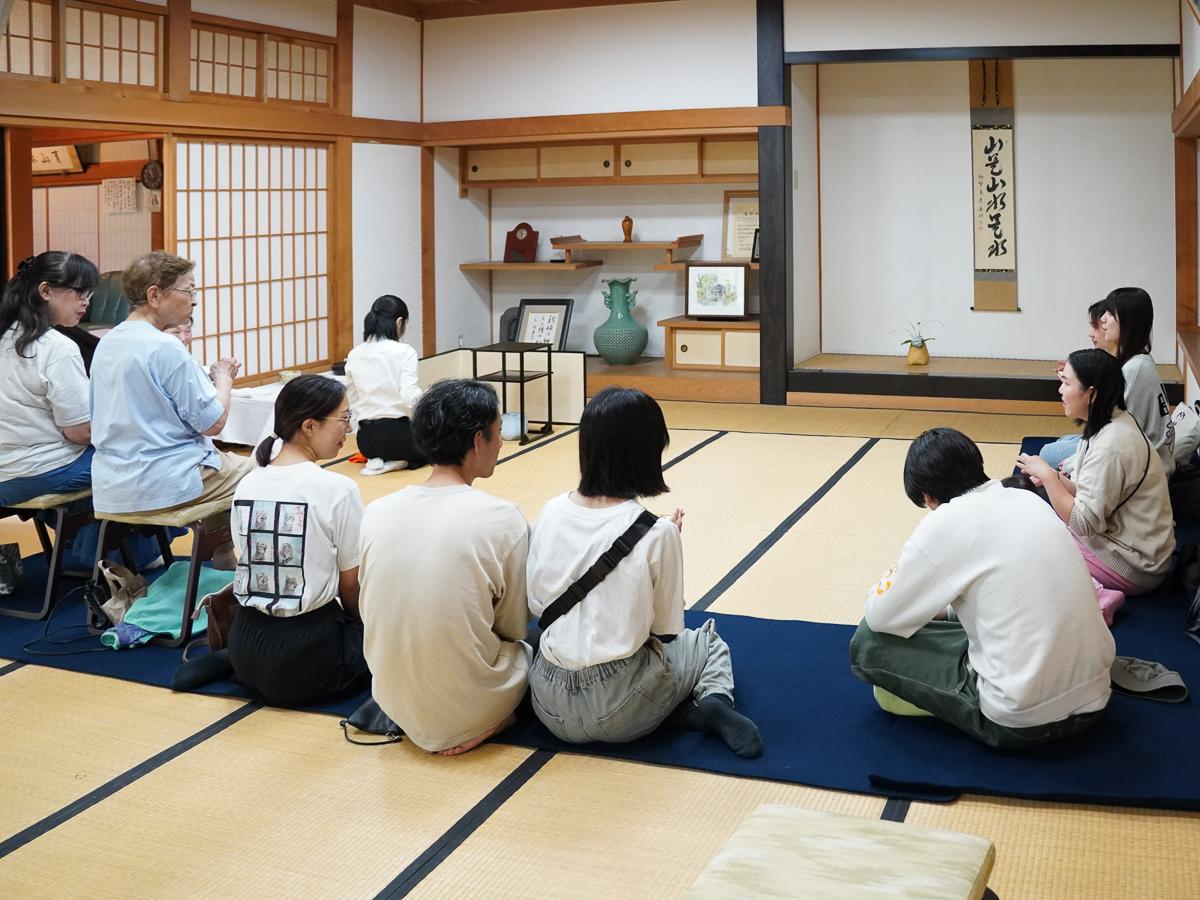
During the brief height of the flowering season, the temple grounds host the beloved Shifukuji tea stall (locally known as the Ajisai Chamise). Operating out of a sheltered timber pavilion overlooking the interior garden, volunteers serve hot green matcha alongside traditional seasonal sweets. Seating is deliberately minimal, encouraging visitors to pause briefly, take in the damp garden air, and rotate out so others can rest.
The botanical beauty rests upon delicate heritage grounds. In September 2022, an ancient 10-meter Japanese black pine tree, estimated at more than a century old, suddenly collapsed across the inner grounds due to internal fungal rot. The incident reminded temple leadership and municipal conservators of the fragility of Kitayama's aging trees. Groundskeeper crews now actively prune, reinforce soil beds, and manage visitor footpaths to safeguard both century-old root systems and the surrounding hydrangea shrubs from erosion.
Temple Grounds Photography Etiquette and Visiting Protocols
Because Shifukuji operates as a functional cemetery and Zen worship space, recreational visitors must follow established temple grounds photography etiquette. The entry gates open daily around 9:00 AM and close strictly by 5:00 PM. Admission to the exterior grounds remains free, though dropping a coin into the collection box (saisen-bako) honors the community's ongoing garden maintenance.
Photographers should pack compact gear. Tripods, monopods, and extended selfie sticks are strictly banned on the stone staircases because they obstruct pedestrian flow and damage soft moss borders. Step off the path only onto paved flagstones, never into soil beds or cemetery plots. Keep voices lowered, fold wet umbrellas downward to prevent hitting adjacent visitors along the narrow trails, and yield the right of way to monks and elder residents navigating the steps.
Frequently Asked Questions (FAQ)
Q1: What is the single best week to visit Shifukuji for hydrangeas?
A1: The historical sweet spot falls between June 28 and July 5. During this window, both native gaku ajisai lacecaps and western hydrangeas display full coloration before the summer heat causes outer petal drying.
Q2: Is admission charged to enter the temple grounds?
A2: General admission to walk the grounds and view the flowers is free. However, visitors entering the seasonal tea stall pay a modest fee (typically ¥500, ¥600) for a bowl of freshly whisked matcha and a wagashi confection.
Q3: Is Shifukuji Temple wheelchair accessible?
A3: Regrettably, no. The approach relies on historic, steep stone stairways and uneven gravel corridors that do not accommodate wheelchairs or strollers. Visitors with limited mobility should take extreme care on wet stone steps.
Planning an Authentic Sendai Temple Flower Walk
Catching Shifukuji in prime bloom requires letting go of rigid schedules and embracing rainy northern weather. The colors of the blooms glow brightest under cloud cover, when diffused gray light deepens the blues, lavenders, and whites against wet slate. Arrive by train at Kitayama Station before 10:00 AM on a weekday, carry a compact umbrella, and take your time climbing the flagstone path.
Pairing Shifukuji with neighboring stops along the Kitayama ridge, such as Rinnoji Temple with its three-story pagoda and manicured strolling pond, creates an immersive half-day route through Sendai's northern temple district. Treat the grounds with quiet care, leave the car behind, and let the slow cadence of Tohoku's rainy season guide your steps.