Beyond Street Food: Shin-Okubo's Rapid Reinvention into Tokyo's Hottest Open-Air Shopping District
Tokyo’s Koreatown is shedding its reputation as merely an afternoon destination for melted cheese snacks and idol photo cards. Along Okubo-dori and spilling south toward the train tracks dividing Shinjuku and Okubo, the neighborhood functions increasingly like a sprawling, decentralized open-air shopping mall. Retail footprints are expanding rapidly, shifting from cramped pop-up tables into multi-level cosmetic emporiums, character flagship destinations, and subversive indie fashion boutiques.
According to an MSN Report, Korean lifestyle powerhouses are targeting the Shin-Okubo shopping district for permanent flagships rather than short-lived promotional kiosks. This pivot changes foot traffic dynamics. Pedestrians who once endured sixty-minute waits for hotteok are now navigating back-alley retail corridors armed with shopping totes, drawn by steep inventory markdowns and design-forward imports unavailable anywhere else in Japan.
📌 Key Takeaways:
- Retail Overhaul: Shin-Okubo is transitioning from single-item culinary fads to an integrated Tokyo lifestyle shopping district.
- Extreme Cosmetic Markdowns: New discount outlets like OFF COSME offer overstocked K-beauty items at cuts reaching 90% off retail price.
- Subversive Fashion Pockets: Independent apparel spaces on the Shinjuku-Okubo perimeter are capturing youth culture looking outside Harajuku and Shibuya.
From Street Snacks to Curated Showrooms along Okubo-dori
For over a decade, Tokyo Koreatown retail relied heavily on viral food trends. If cheese dakgalbi or 10-yen bread took off on social media, dozens of storefronts switched menus overnight to match. That hyper-reactive food cycle produced massive foot traffic, but limited dwell time and low transaction value.
That dynamic is reversing. Commercial landlords along Okubo-dori and Ikemen-dori are actively favoring long-term retail leases over quick-turnover takeout stalls. Commercial real estate listings in the area show apparel and specialty lifestyle spaces taking over prime ground-floor positions. Shoppers do not simply pass through; they systematically browse a contiguous retail strip that operates like an open sky department store.
International lifestyle brands realize that establishing a presence here yields higher organic engagement than sterile department store basements in Ginza. The streets themselves serve as retail corridors, linking niche skincare depots with independent designer spaces across walkable alleyways.
The Rise of Deep-Discount K-Beauty Outlets and OFF COSME
The foundation of this shopping transition lies in Korean cosmetics. Historically, local storefronts sold imported sheet masks and snail mucin creams at slight markups over Seoul retail prices. Today, clearance concepts have radically overhauled inventory turnover.
On June 27, 2026, outlet store OFF COSME Tokyo launched, sending shockwaves through the neighborhood's beauty circuit. The concept operates as an official clearance hub for major Korean cosmetic exporters, discounting authentic skincare, serums, and makeup by up to 90%. Beauty analysts, including prominent reviewer "me" (@mecosme), quickly documented lines stretching outside the door as shoppers stockpiled formulations from tier-one Seoul laboratories at fractions of their department store pricing.
Rather than stocking grey-market surpluses, these stores rely on direct logistical pipelines from Korean beauty conglomerates managing excess seasonal inventory. For Tokyo consumers, these K-beauty discount shops eliminate the international shipping fees and three-week postal delays associated with online overseas imports.
Tracking the Shift: How Shin-Okubo's Retail Fabric Transformed
The structural change across the district is evident when comparing its commercial makeup over the past decade.
| Commercial Era | Primary Anchor | Retail Strategy | Customer Dwell Time |
|---|---|---|---|
| 2012, 2017 | K-Pop fan goods & Korean BBQ | Unofficial merch stalls, small CD shops | 45, 90 minutes |
| 2018, 2023 | Viral street foods & dessert cafes | Window takeaway counters, basic cosmetic boutiques | 90, 150 minutes |
| 2024, 2026 | Character flagships & indie apparel | Direct outlet stores, curated design hubs | 3, 5 hours |
Character Merchandising and the BELLYGOM Footprint
Global intellectual property owners are treating Shin-Okubo as a launchpad for Asian retail expansions. In August 2026, South Korean phenomenon BELLYGOM established its official retail footprint in the heart of the district. Boasting more than 1.9 million followers across social channels, the mischievous pink bear character moved past temporary convention appearances to set up an immersive retail headquarters.
The store blends photo installations with limited-edition Japanese runs: custom stationery, plush accessories, apparel, and collectible figures. The store mimics flagship rollouts in Seongsu-dong, drawing dedicated character enthusiasts alongside spontaneous shoppers.
By anchoring high-engagement Korean character merchandise within walking distance of the station, the district keeps foot traffic moving deeper into adjacent shopping lanes.
The Shinjuku-Okubo Border: Where Indie Fashion Carves Out New Ground
Perhaps the most significant cultural development is occurring along the southern perimeter. The interstitial space between Shinjuku’s Kabukicho and Okubo has historically been overlooked by mainstream retail. That neglect left behind affordable rents, which are now fueling an unexpected explosion of alternative fashion in Tokyo.
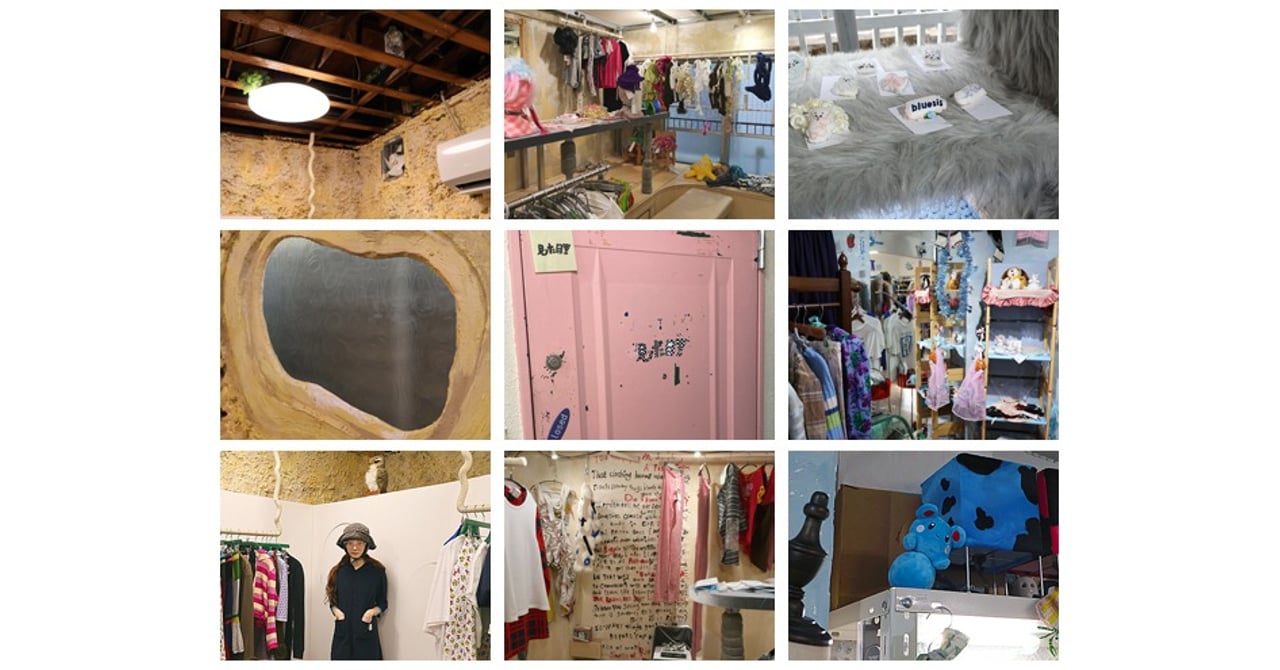
A late 2025 investigation by Fashionsnap highlighted three independent storefronts defining this border: Mitame! (見た目!), CHICKS, and bluesis. Instead of replicating high-street chains or standard Seoul fast-fashion, these spaces curate experimental garments, upcycled streetwear, and genderless vintage edits.
Young creators are moving in because the neighborhood allows creative freedom without the commercial pressures of Harajuku or Shibuya. The storefronts operate as semi-communal hangouts where domestic subcultures mingle with Korean design influences. This edge territory gives the Shinjuku Okubo border retail scene an underground, raw energy that sterile corporate shopping centers cannot replicate.
Navigating the District: Savvy Shoppers Versus Casual Food Tourists
With the neighborhood undergoing rapid commercial transformation, shoppers approach the district with different goals. Understanding these trade-offs prevents wasted afternoons.
- Ideal for Outlet Hunters and Subculture Enthusiasts: Anyone searching for heavily discounted skincare staples will find unmatched value at stores like OFF COSME. Collectors hunting exclusive Seoul character drops and fashion shoppers tired of uniform department store racks will thrive in the backstreets between Shin-Okubo and Shinjuku stations.
- Poor Fit for Stroller-Bound Families and Rush Shoppers: The main drag of Okubo-dori remains extremely congested on weekends. Narrow sidewalks, steep staircases leading to basement shops, and scarce public seating make leisurely family outings frustrating. Those seeking an orderly, climate-controlled mega-mall experience should look to Roppongi Hills or Shibuya Scramble Square instead.
Tactical shoppers arrive around 11:00 AM on weekdays, hitting the cosmetic clearance racks before crowds build, then drifting south toward the fashion independents after lunchtime.
Frequently Asked Questions (FAQ)
Q1: Are the cosmetics at discount outlets like OFF COSME authentic?
A1: Yes. Stores like OFF COSME operate via legitimate supply agreements with authorized distributors, purchasing bulk clearance lines, packaging redesign surplus, and seasonal inventory directly from domestic and Korean brand owners.
Q2: How far is the alternative fashion strip from Shin-Okubo Station?
A2: The independent fashion cluster (featuring spots like bluesis and CHICKS) sits approximately 7 to 10 minutes south on foot from Shin-Okubo Station, tucked into the quiet transitional blocks leading down to Seibu-Shinjuku Station.
Q3: Does the area accept credit cards and IC cards, or is cash mandatory?
A3: While street snack stalls traditionally preferred cash, the vast majority of retail establishments, cosmetic outlets, and boutiques across the district accept credit cards, PayPay, and transit IC cards.
Shin-Okubo's Emerging Identity on Tokyo’s Retail Map
The narrative of Shin-Okubo as a single-dimensional food destination is over. By absorbing high-margin cosmetics clearance, major international character IP, and boundary-pushing independent fashion houses, the district has assembled the mechanics of a full-scale shopping district.
It works precisely because it lacks corporate uniformity. Without a single landlord dictating tenancy, cheap beauty outlets thrive next door to high-concept boutiques and buzzing chicken restaurants. As Tokyo retail continues to evolve, Shin-Okubo stands as proof that raw neighborhood energy, when matched with compelling price points, creates its own retail gravity.