Can Anyone Actually Make Them? Testing Viral Ribbon Rose Tutorials vs. Traditional Methods
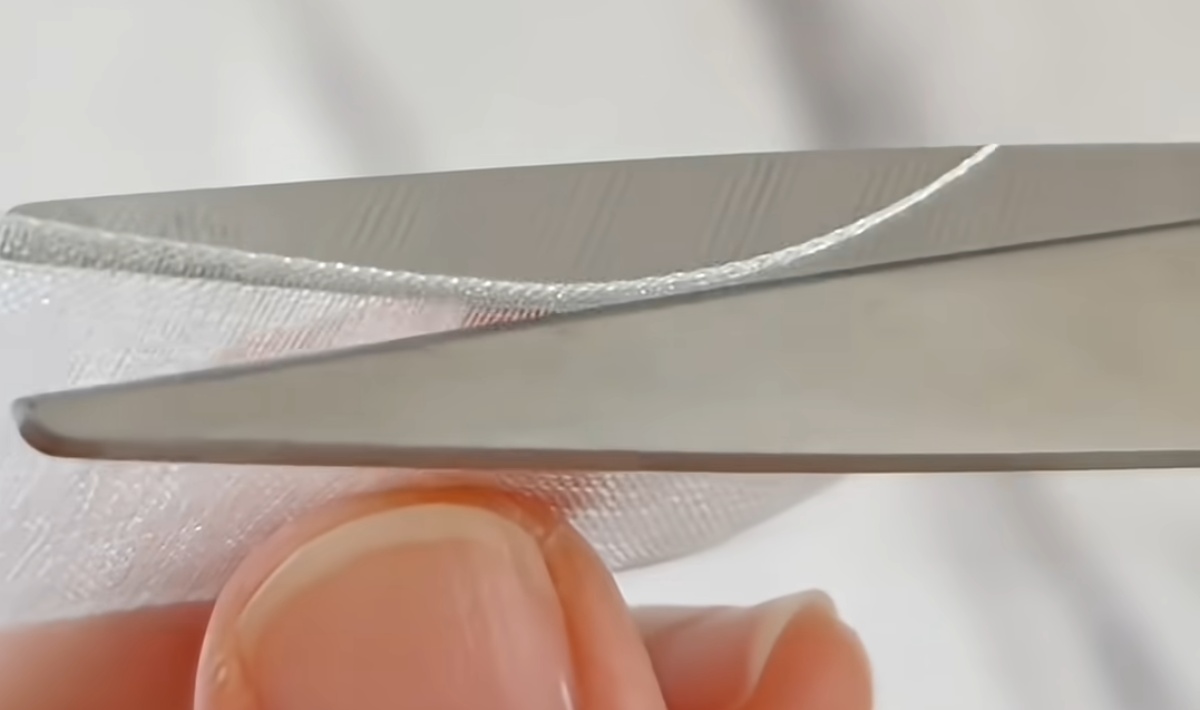
Short-form video feeds make textile floristry look effortless. A wooden skewer spins, a length of polyester twists around a pair of tweezers, and within thirty seconds, a blooming rose appears ready for a luxury boutique. Crafters who attempt these viral projects at home, however, often encounter frayed raw edges, burned fingertips, and flattened center buds that unravel within hours. The massive appetite for these quick fixes remains undisputed; as detailed in an ITmedia Report, an arrangement tutorial showcasing a ribbon diagonal cut technique swiftly surpassed 28,000 views by demonstrating how micro-snips transform plain packaging into dimensional embellishments.
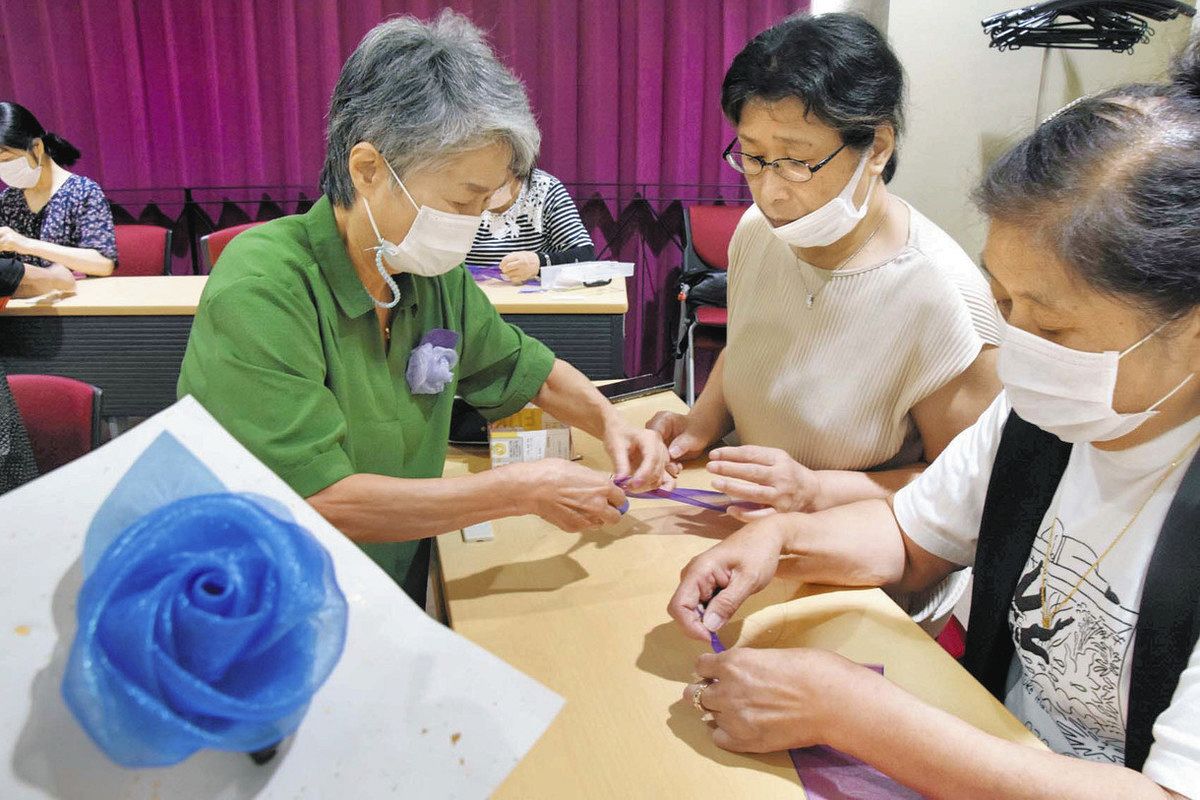
Yet across the sea in Fukui Prefecture, the historic capital of Japan's narrow-woven ribbon industry, textile artisans view fabric flora through the lens of structural engineering rather than algorithmic magic. On September 30, 2025, at the Fuku-Fuku Goya cultural hall inside the Happiring complex in Fukui City, roughly 20 participants gathered for the "Attaka Juku" workshop, hosted by the Chunichi Shimbun and Nikkan Kenmin Fukui. Their goal was not to churn out disposable party props, but to construct heirloom-grade roses using locally manufactured high-density ribbon. Comparing fast-scrolling social media tutorials against traditional regional techniques reveals stark differences in mechanical longevity, material behavior, and tactile finish.
📌 Key Takeaways:
- The Core Tension: Viral internet shortcuts prioritize assembly speed over structural tension, resulting in fabric buds that collapse under minimal friction.
- The Fukui Standard: Traditional corsage makers rely on selvage preservation, diagonal bias manipulation, and tension-loaded folding rather than excessive hot melt glue.
- Material Precision: A project's success hinges on matching fabric weight, weave density, and ribbon width to the specific folding geometry instead of treating all satin as interchangeable.
The Social Media Allure of Thirty-Second Ribbon Floristry
The recent surge in online craft tutorials thrives on visual compression. Algorithms reward twenty-second clips that trim away preparation time, wire armatures, and hand-sewn anchor points. Instead, viewers see the rolled satin rose DIY presented as an instant transformation. Creators pull continuous lengths of double-faced polyester ribbon around forks or butter knives, applying generous beads of acrylic adhesive from a hot glue gun floral assembly setup to lock the layers in place.
These viral methods serve a distinct purpose. They democratize decorative gift wrapping embellishments, giving anyone with a low-temperature glue gun the ability to adorn a parcel in under five minutes. The viral technique spotlighted by Japanese craft channels, where ribbon ends are split into micro-threads and trimmed at acute angles, proves that subtle adjustments in cut geometry can produce lifelike petal flutes. But speed carries inherent structural liabilities. Without mechanical anchors, hot glue struggles to bond smoothly with silicone-coated polyester satin under warm room temperatures, leaving petals prone to sliding out of alignment.
Inside Fukui’s Workshop: The Art of Narrow-Fabric Architecture
To understand why mass-market internet roses fail over time, one must examine the Japanese prefecture that manufactures roughly 80 percent of Japan's domestic ribbon output. Fukui's textile heritage dates back centuries, evolving through high-precision silk weaving into advanced synthetic filament processing. When the Attaka Juku workshop hosted its session at Happiring, instructor methodology diverged fundamentally from social feed trends.
Rather than relying on adhesive flooding, the traditional corsage workshop approach treats the ribbon as an architectural beam. Participants used dense, domestic double-faced satin woven on shuttleless looms, featuring tight selvages that resist lateral deformation. Instructors taught attendees how to fold the fabric along its natural diagonal bias, allowing the inherent thread tension to mimic the organic curve of botanical petals. By securing the base with waxed thread or reinforced wire stems instead of hot adhesive, the finished blooms retained dimensional springiness that could withstand being worn against outerwear throughout an entire formal event.
Direct Comparison: Viral Internet Hacks Against Traditional Construction
Crafters looking to produce a handmade flower bouquet craft or a durable DIY fabric flower corsage face vastly different trade-offs depending on the assembly route they choose. Evaluating both workflows across time, material, and structural endurance clarifies where viral shortcuts succeed and where they fall short.
| Technical Metric | Viral Rolling Shortcut | Artisanal Fukui Folding |
|---|---|---|
| Base Material | Single-faced low-density polyester | High-density woven Fukui satin or taffeta |
| Joining Method | Hot melt glue gun pooling | Needle-and-thread basting with bias anchoring |
| Assembly Duration | 2, 5 minutes per bud | 20, 35 minutes per layered bloom |
| Petal Retention | Low (adhesive bonds snap under lateral shear) | High (mechanical thread interlocks fibers) |
| Estimated Material Cost | $0.15, $0.40 per flower | $1.80, $3.50 per corsage element |
The Mechanics of Weave: A Ribbon Width and Texture Guide
Every satin ribbon rose tutorial assumes that identical techniques work across all fabric types. That assumption is incorrect. A folded ribbon rose technique requires specific physical characteristics to hold sharp geometric pleats, whereas wire ribbon petal shaping depends entirely on internal brass or copper borders to maintain an open, rounded silhouette.
For tight center spirals, a 25mm (1-inch) double-faced satin with a firm hand delivers the necessary resistance against crushing. Cheaper single-faced craft ribbons possess a flimsy, paper-like drape that creases permanently when bent, showing its dull backside on every second petal fold. When scaling up to larger blooms for wearable garments, stepping up to a 38mm or 50mm woven ribbon becomes necessary. In these wider widths, crafters must account for the cross-grain grainline: stretching the fabric slightly along a 45-degree angle relaxes the warp threads, producing a subtle outward flare identical to a natural English garden rose.
Executing the Step-by-Step Ribbon Folding Sequence
Bridging the gap between internet speed and regional craftsmanship requires adopting disciplined bench habits. Crafting a balanced, five-tier rose involves three controlled stages that eliminate the structural weaknesses common to social media projects.
First, prepare the foundation strip. Measure approximately 80 centimeters of 38mm double-faced satin ribbon. Instead of slicing across the weave at a right angle, apply the ribbon diagonal cut technique at a 45-degree angle, sealing the raw edge briefly over a clean flame or soldering iron to fuse the synthetic filaments. Fold the cut point downward to form an acute triangle, locking this center point with two tight hand-stitches rather than glue.
Second, establish petal graduation through deliberate angle manipulation. As the ribbon rotates around the center core, fold the working length backward at 90-degree intervals. The common error among beginners is rolling too tightly, which compresses the core into a rigid cylinder. Keep the lower edge pinched firmly while allowing the top folded edge to flare outward. Introduce a subtle twist along the outer third to break the mechanical uniformity.
Third, anchor the base perimeter. Once the flower reaches the desired petal count, avoid drowning the underside in hot glue. Pass a needle threaded with heavy-duty polyester craft thread straight through the base core twice, pulling tight to secure all internal layers mechanically. Finish by trimming the remaining ribbon tail, folding it flush against the bottom, and applying a felt backing disc with a measured ring of fabric adhesive. This combination maintains structural integrity whether the piece is pinned to a lapel or placed in a decorative arrangement.
Frequently Asked Questions (FAQ)
Q1: Why do my hot-glued ribbon roses keep unspooling from the center?
A1: Synthetic satin contains slick lubricants applied during the high-speed weaving process. Hot glue hardens on the surface without penetrating the fibers. To stop petals from unraveling, secure the central three spirals with hand-sewn basting stitches before introducing any adhesive.
Q2: Can I use wired ribbon for classical folded rose techniques?
A2: Wired ribbon works exceptionally well for gathered petal styles and organic open blooms, but it hinders the sharp geometric folds required for compact, formal rosette centers. For tightly layered rolled designs, woven non-wired satin or grosgrain remains the superior choice.
Q3: How do I prevent ribbon edges from fraying without leaving dark scorch marks?
A3: Hold the fabric near the blue, cooler base of a flame for less than half a second, or use an electric hot ribbon cutter. Never place the polyester directly into the yellow tip of the flame, as carbon soot will stain light-colored ribbons permanently.
Choosing Craftsmanship Over Algorithmic Speed
Internet trends excel at demonstrating novel visual possibilities, proving that everyday gift packaging benefits from thoughtful flourishes and simple diagonal cuts. But viral formats inevitably strip away the foundational textile science that prevents fabric from degrading under handling and ambient temperature changes.
The methodical techniques preserved in regional production hubs like Fukui demonstrate that longevity requires patience. Crafters who master bias tension, edge sealing, and mechanical needle stitching produce flowers that outlast quick glue-gun creations by years. Understanding how thread weight, ribbon width, and folding angles interact transforms a fleeting online craft hack into an enduring decorative skill.