Chibi Maruko-chan Grown Up: Suntory's Live-Action Cast & Official Adult Art Revealed
For more than three decades, Momoko "Maruko" Sakura has remained frozen in 1974 as an eccentric, lazy, and endearing nine-year-old third-grader in suburban Shimizu. That perpetual childhood shifted dramatically on March 23, 2026, when beverage giant Suntory unveiled a star-studded live-action campaign for The Premium Malt's in Tokyo, depicting the beloved classroom ensemble as grown adults enjoying a beer after work. Starring Suzu Hirose as Maruko alongside Sairi Ito, Joe Odagiri, and Kenjiro Tsuda, the campaign instantly ignited public curiosity surrounding official adult Maruko illustrations and the broader legacy of the late author Momoko Sakura.
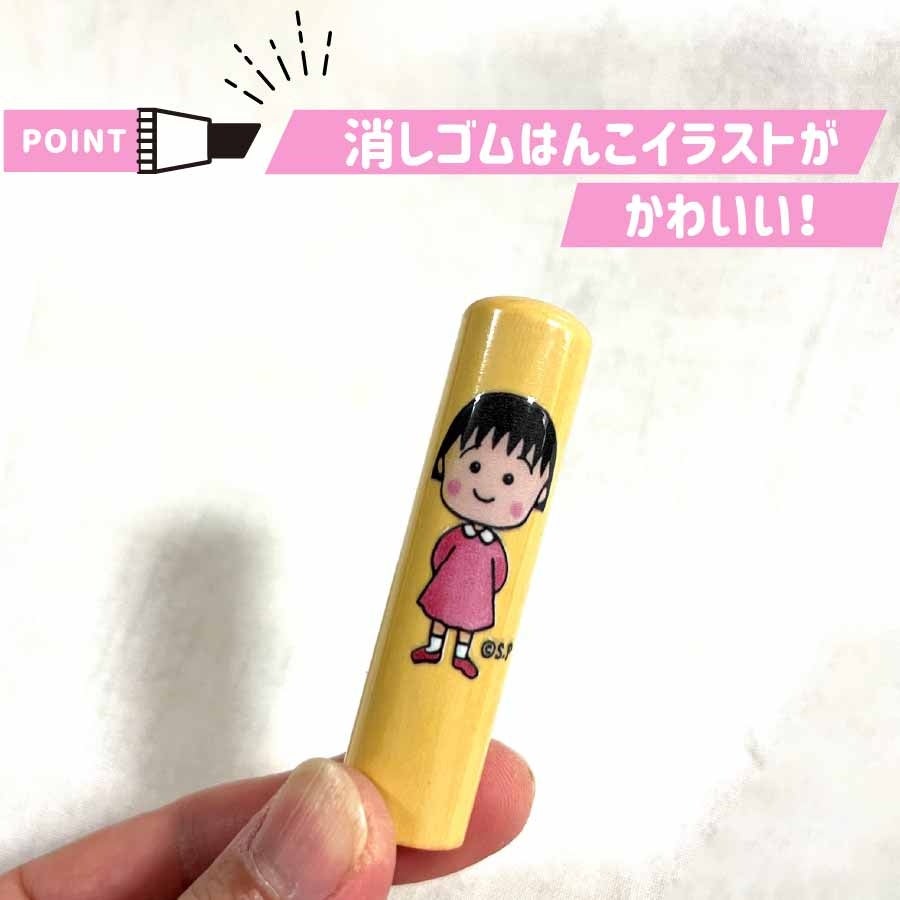
The conversation around an adult Maruko is not merely a corporate marketing gimmick. Searches for adult Maruko artwork have surged across social platforms, fueled both by Suntory's vivid live-action casting and recent official merchandising pushes. Earlier this year, Sakura Production partnered on an archival merchandise release highlighting the author's classic hand-drawn linework, documented in a detailed PR TIMES Report on carved stamp collections. Combined with pop icon Hikaru Utada stepping in to perform "Pappa Paradise," the brand-new ending theme for the long-running Fuji TV anime series, the franchise is experiencing an unprecedented cultural renaissance aimed squarely at the generations who grew up beside her.
📌 Key Takeaways:
- The Commercial Debut: Suntory's March 2026 "The Premium Malt's" campaign features Suzu Hirose (27) as Maruko, Sairi Ito (31) as Tama-chan, Joe Odagiri (50) as Hanawa-kun, and Kenjiro Tsuda (54) as Maruo-kun.
- The Canonical Source: While fan illustrations dominate search queries, Momoko Sakura herself penned semi-autobiographical manga sequels and adult concept sketches chronicling Maruko’s journey into womanhood and mangaka status.
- A Modern Resurgence: Accompanied by Hikaru Utada's new ending theme "Pappa Paradise," the Fuji TV anime continues bridging nostalgic 1970s childhood memories with modern adult realities.
Suntory's Premium Malt's Campaign Reimagines the Classroom as Adults
The Suntory press conference held in Tokyo on March 23, 2026, caught the entertainment industry off guard. Rather than relying on standard commercial tropes, the brand staged an affectionate, high-concept continuation of the classic anime. Leading the cast is 27-year-old Suzu Hirose stepping into the shoes of adult Maruko, sporting a contemporary bob that nods to the character’s unmistakable jagged bangs while maintaining a grounded, professional aesthetic. Beside her sits 31-year-old Sairi Ito as Tama-chan, Maruko’s studious, bespectacled best friend.
The male leads generated equal excitement online. Acclaimed actor Joe Odagiri, 50, brought effortless swagger to Hanawa-kun, the wealthy elementary school playboy whose swooping hair and trademark catchphrase "Hey, baby" translate surprisingly well into an eccentric, impeccably tailored gentleman. Meanwhile, celebrated voice actor and screen presence Kenjiro Tsuda, 54, donned thick round spectacles to portray Maruo-kun, the neurotic former class president whose obsession with order and leadership appears to have survived fully intact into his corporate years.
During the launch event, Hirose described the shoot as surreal, remarking that stepping into the shoes of Japan’s most recognizable third-grader required balancing Maruko's trademark slacker charm with the exhaustion of real-world adulthood. The commercial centers on the quartet gathering around a dining table, decompressing with a premium draft after a long week. It grounds a whimsical cartoon universe in the quiet relief of modern camaraderie.
Momoko Sakura's Original Adult Concept Sketches and Canonical Glimpses
Online discussions searching for adult Maruko art often conflate viral social media redesigns with official franchise output. The truth is richer. Momoko Sakura, who passed away in August 2018 at age 53, frequently drew grown-up versions of her signature alter ego throughout her creative career.
Because *Chibi Maruko-chan* is heavily autobiographical, Sakura’s secondary works, such as the coming-of-age manga *Hitorizumo* and her serialized autobiographical essays, explicitly document her transition from the naive girl of Shimizu to an aspiring high school artist and eventual professional mangaka. In promotional sketches produced for Fuji TV anniversaries and personal exhibitions, Sakura occasionally sketched Maruko in her late teens and early twenties, trading her red suspender skirt for simple denim, casual sweaters, and artist smocks. These sketches retain the round cheeks and expressive dot-eyes of the 1970s original while lending Maruko a contemplative, quiet maturity.
Authenticity remains central to how Sakura Production manages the property today. When licensing the original illustration stamp series in January 2026, the estate insisted on using reproductions of Sakura's original warm eraser stamps. The estate deliberately preserved the uneven ink lines and organic warmth of her hand-drawn manuscripts. That archival precision ensures that official adult concepts remain anchored in the author's idiosyncratic style rather than generic anime aesthetic trends.
Evolution of Adult Maruko Adaptations and Reinterpretations
Reimagining *Chibi Maruko-chan* beyond her third-grade classroom has been tested several times over the franchise's 40-year history. Commercial sponsors, television producers, and animators have periodically explored how the town of Shimizu ages over time.
| Era & Project | Format | Creative Approach |
|---|---|---|
| 2006, 2007 Live-Action Specials | Fuji TV Television Dramas | Focused primarily on child actors recreating classic manga chapters, with occasional flash-forward framing devices showing adult Maruko at her drawing desk. |
| 2015 SoftBank Commercials | Broadcast Television Campaign | Cast actress Ryoko Hirosue as an adult Maruko in a parody campaign, using satirical nostalgia to pitch cellular family plans. |
| March 2026 Suntory Campaign | The Premium Malt's Live-Action CM | Stars Suzu Hirose, Sairi Ito, Joe Odagiri, and Kenjiro Tsuda in an ensemble piece exploring post-work unwinding and authentic childhood bonds. |
The 2026 Suntory interpretation stands apart because of its ensemble depth. Rather than placing a single celebrity in cosplay, it constructs an entire social ecosystem where the distinct quirks of elementary school classmates naturally mature into adult eccentricities.

Hikaru Utada's "Pappa Paradise" and the 2026 Fuji TV Era
The cultural discussion surrounding Maruko's maturation coincided with another major franchise milestone in early March 2026: the appointment of international music icon Hikaru Utada as the vocalist for the television series' new ending theme song, "Pappa Paradise." Broadcast on Fuji TV every Sunday at 6:00 PM without interruption since January 1990, the anime remains an anchor of weekend family television in Japan.
Utada's involvement signals a deliberate embrace of viewers who grew up alongside the show. Known for introspective songwriting and rhythmic playfulness, Utada crafted "Pappa Paradise" as a rhythmic, joyful track that bridges the classic Showa-era energy of the original opening themes with modern production. The song was officially announced on March 4, 2026, quickly garnering enthusiastic feedback across Japanese music outlets including Tower Records and Oricon.
Introducing Utada's track alongside a high-profile, adult-focused Suntory campaign demonstrates the deliberate strategy behind the property in 2026. Nippon Animation and Fuji TV recognize that while the broadcast continues to entertain young elementary school students, the emotional heartbeat of the franchise rests with 30-to-50-year-olds who see their own childhoods reflected in Maruko's lazy Sunday afternoons.
The Cultural Psychology Behind Aging Up Perpetual Anime Children
Japan’s post-war pop culture contains several "eternal youth" franchises: *Sazae-san*, *Doraemon*, and *Crayon Shin-chan*. None of these characters are ever permitted to grow up within their canonical narratives. Why, then, does the concept of an adult Maruko evoke such intense emotional resonance?
The answer lies in the autobiographical reality underlying the fiction. Viewers know that Maruko did, in fact, grow up. She struggled through adolescence, moved to Tokyo, fought through editors' rejections, achieved massive fame, experienced marital breakdown, and passed away far too young. When audiences look at an illustration of Maruko as an adult, or watch Suzu Hirose sip a beer on screen, they are not just looking at a clever character redesign. They are projecting the real timeline of Momoko Sakura onto an alternate reality where life was gentle, friends remained close, and adulthood carried the same low-stakes humor as a third-grade classroom.
On social platforms like X and visual sharing hubs like Pixiv, user-generated illustrations of Maruko and Tama-chan drinking tea as office workers frequently go viral. Fans consistently emphasize emotional continuity: Maruko remains slightly disorganized and fond of simple pleasures, while Tama-chan remains patient and supportive. The adult illustrations provide comfort precisely because they prove that growing up does not require abandoning one's core personality.
Frequently Asked Questions (FAQ)
Q1: Did author Momoko Sakura ever draw an official adult Maruko?
A1: Yes. Sakura drew older versions of her alter ego in several personal essays, anniversary sketches, and her autobiographical manga *Hitorizumo*, which depicts Maruko during junior high and high school as she decides to pursue a manga career.
Q2: Who plays the grown-up characters in the 2026 Suntory commercial?
A2: The Suntory The Premium Malt's commercial stars Suzu Hirose as Maruko, Sairi Ito as Tama-chan, Joe Odagiri as Hanawa-kun, and Kenjiro Tsuda as class representative Maruo-kun.
Q3: What is the new ending theme song for the Chibi Maruko-chan anime in 2026?
A3: The ending theme is titled "Pappa Paradise" (パッパパラダイス), written and performed by Hikaru Utada, debuting on the Fuji TV Sunday broadcast in March 2026.
The Enduring Power of Momoko Sakura's Everyday Realism
Watching beloved childhood characters age can often feel cynical or manufactured, especially when brands use nostalgia to sell consumer goods. Yet the public response to Suntory's casting and the broader fascination with adult Maruko illustrations reveals something far more tender. The transition works because Momoko Sakura's original stories were never purely idyllic fantasies; they were sharp, honest observations of human flaws, neighborhood gossip, and familial exasperation.
By translating those flaws into the modern working world, the grown-up versions of Maruko, Tama-chan, and their classmates feel earned. Whether captured in Sakura's archival eraser-stamp line art, interpreted by premier actors over a shared drink, or scored to the rhythm of Hikaru Utada's new theme, Maruko continues to reflect the realities of ordinary Japanese life, even after the school bell has long since rung.