Clear as Glass: What Genuine Yobuko Squid Looks Like Around Saga Station
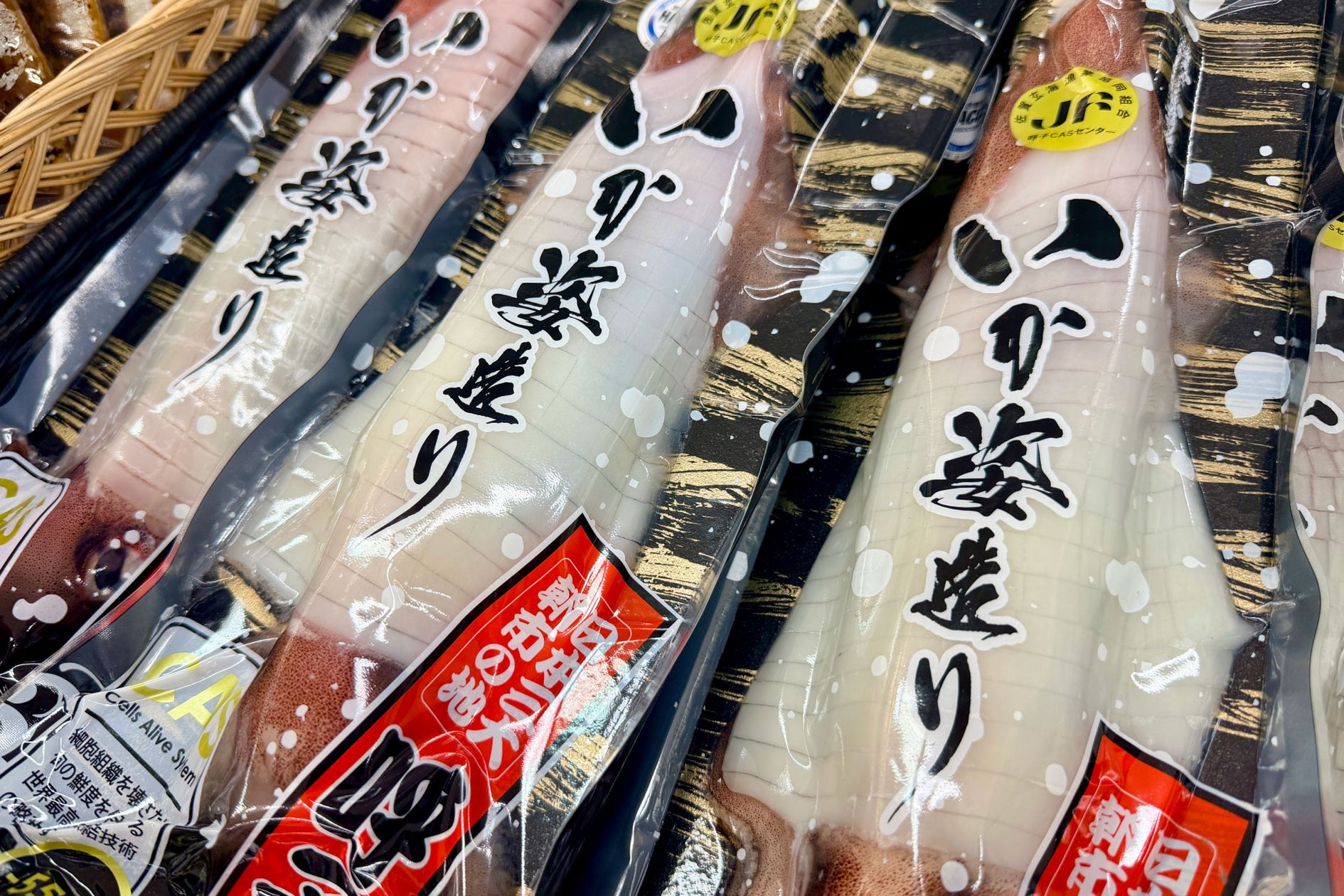
Most travelers landing at Saga Station assume they face an exhausting seventy-minute bus trek north toward the Karatsu peninsula just to taste authentic Yobuko squid. That assumption is outdated. Thanks to high-oxygen live fish tank transport trucks running daily down Route 204, the culinary specialty of Yobuko Port arrives alive in Saga City kitchens within hours of morning landing, maintaining the optical clarity that made the port famous across Japan.
As documented in a culinary analysis by the livedoor ニュース Report on regional seafood supply chains, authentic ikizukuri (live preparation) requires an unforgiving race against time. The moment an off-board tank drops below strict salinity standards or an inexperienced cook handles the squid with bare hands, the flesh turns cloudy white. Finding the real thing right outside the JR Saga Station turnstiles is entirely possible, provided you know the visual cues that separate a freshly netted catch from tired holdover stock.
📌 Key Takeaways:
- Visual Authenticity: True live Yobuko squid sashimi is completely glass-clear with pulsing chromatophores, not milky or opaque.
- Seasonal Variety: Swordtip Kensaki squid rules the warm months from March through November, while thick-bodied Aori squid dominates winter menus.
- Two-Course Tradition: Diners eat the mantle raw before the kitchen crisps the still-twitching tentacles (geso) into tempura or grills them with salt.
- Station Logistics: Specialized live-haul trucks deliver directly from Yobuko Port to izakayas within a five-minute walk of Saga Station.
The Logistics Chain Bringing Yobuko Port to Saga Station
Yobuko sits on the jagged Genkai Sea coast, where nutrient-dense currents collide to create ideal feeding grounds for cephalopods. Traditionally, eating them alive required standing right on the docks. Squid have weak hearts and thin membranes; stress causes them to discharge ink and die, spoiling the delicate meat within minutes.
Over the last decade, Saga distributors perfected temperature-regulated marine transport. Tanker trucks pump continuous dissolved oxygen through chilled seawater, keeping catches resting in individual, darkened compartments during the 48-kilometer transit down to Saga Station izakaya recommendations like Kirin-ya, Kakurega, and Shusai Saganoya. When the trucks unload at midday, the animals slip directly into restaurant holding tanks that duplicate ocean currents. For travelers visiting Saga City on business or catching the Kamome Shinkansen connector, this logistics pipeline eliminates the arduous transit to the northern cape without sacrificing an ounce of freshness.
The Translucent Test: Reading the Flesh and Pulsing Skin
The visual signature of authentic Yobuko squid ikizukuri is absolute translucence. When a chef plates the sashimi using rapid hiki-zukuri slicing techniques, the porcelain pattern of the plate underneath shows through the meat without distortion. If the flesh appears cloudy, milky, or chalk-white, the squid died before hitting the cutting board.
Look closely at the mantle edges and the head. Active chromatophores, microscopic pigment cells, continue firing in rhythmic pulses, shimmering in dots of amber, ruby, and charcoal across the skin. The tentacles should curl when lightly brushed with chopsticks. A seasoned knife master finishes the cuts in less than thirty seconds without allowing the warmth of human hands to touch the meat, keeping the muscle fibers firm, crunchy, and packed with free amino acids that produce a rich natural sweetness.
Seasonal Shifts: Kensaki Squid Versus Winter Aori Squid
A frequent mistake among first-time visitors is expecting the exact same texture year-round. The Genkai Sea fishery operates on a strict biological rhythm, cycling through distinct species across the seasons. Matching your visit to the right harvest window changes the entire culinary experience.
| Squid Variety | Peak Harvest Window | Texture & Flavor Profile | Typical Station Market Price |
|---|---|---|---|
| Kensaki Squid (Swordtip) | Late March, November | Snappy bite, intense clean sweetness, razor-thin translucent flesh | ¥3,200, ¥4,500 ($21, $30 per serving) |
| Aori Squid (Bigfin Reef) | December, Early March | Thick, buttery cuts, dense umami, melts smoothly on the palate | ¥3,600, ¥5,200 ($24, $35 per serving) |
| Yari Squid (Spear) | January, Early Spring | Firm, delicate crunch, mild sweetness, lean profile | ¥2,800, ¥3,800 ($19, $25 per serving) |
Summer belongs entirely to the swordtip Kensaki squid. Offshore fleet reports from the Karatsu coastal patrol show night-fishing boats hauling up to one hundred squid per vessel on single drifts using heavy lead-jig setups. From December through early spring, the waters cool down, making way for the prized Aori squid. Often called the king of squid by sushi chefs, Aori features substantially thicker meat that provides a rich, creamy finish contrasting sharply with the crisp crunch of summer catches.
The Geso Tempura Ritual: Why Nobody Finishes the Whole Plate Raw
Ordering ikizukuri at any legitimate Saga Station seafood dining establishment is always a two-stage meal. The chef serves only the mantle sliced raw for sashimi, leaving the head, fins, and tentacle cluster (geso) intact on the serving platter alongside freshly grated wasabi and local Kyushu sweet soy sauce.
After you finish the sashimi strips, signal the server for atodokoro (secondary preparation). The kitchen whisked the remaining portions back to the fry station. Within minutes, the tentacles return transformed into steaming geso tempura, coated in light, lacy batter and served with coarse sea salt and lemon wedges. Alternatively, guests can request shioyaki (salt-grilled), where open flames scorch the suction cups, turning them intensely fragrant and smoky. Skipping this second stage means abandoning half the weight you paid for.
Evaluating Saga Station Izakayas: Authenticity Checklist
Not every restaurant displaying a painted squid on its awning serves genuine live catches. Avoid settling for frozen defrosted cuts by running through a few straightforward structural indicators before asking for a table.
First, inspect the entryway for dedicated live-well tanks (ikesu). Genuine establishments place their saltwater tanks where patrons can see them. Look for active circulation pumps; standing water cannot sustain live squid for more than a few hours. Second, check the menu pricing structure. Authentic Yobuko squid is sold by weight (typically grams) or labeled as seasonal market price (jika). Flat, suspiciously low pricing under ¥2,000 almost universally indicates pre-sliced frozen stock shipped from industrial processing plants rather than wild hauls from the Genkai Sea.
Frequently Asked Questions (FAQ)
Q1: Do I need advance reservations to eat live squid near Saga Station?
Yes, especially on weekends or during peak dinner hours between 6:00 PM and 8:30 PM. Live tanks carry finite daily quotas based on that morning's haul. If sea conditions turn stormy in the Genkai Sea, fishing boats remain in port, and restaurants sell out of live inventory by early evening.
Q2: How much does a full Yobuko squid set cost around the station?
Expect to pay between ¥3,000 and ¥4,500 for a standard live squid weighing 200 to 300 grams. This price typically includes the initial raw sashimi course followed by the secondary geso tempura preparation, along with small seasonal appetizers.
Q3: How does the quality around Saga Station compare to eating at Yobuko Port?
When dining at restaurants equipped with high-grade marine circulation tanks, the difference in texture and clarity is imperceptible. The transport trucks make the run in roughly an hour, meaning the squid arrive in station tanks the very same day they leave the ocean.
Navigating Saga City Seafood Dining in 2026
The culinary map of northern Kyushu continues to reward travelers who understand supply lines over sheer geography. Eating world-class cephalopod sashimi no longer requires spending half a travel day navigating local coastal bus schedules out to Yobuko Port. By keeping an eye out for active holding tanks, inspecting plates for glass-like clarity, and timing visits to match the seasonal handover between Kensaki and Aori varieties, you can experience the pinnacle of Japanese coastal cuisine within a five-minute stroll of the Saga Station tracks.