Cloudy Day Reality: Why Kouri Ocean Tower Photos Still Look Stunning in Overcast Weather
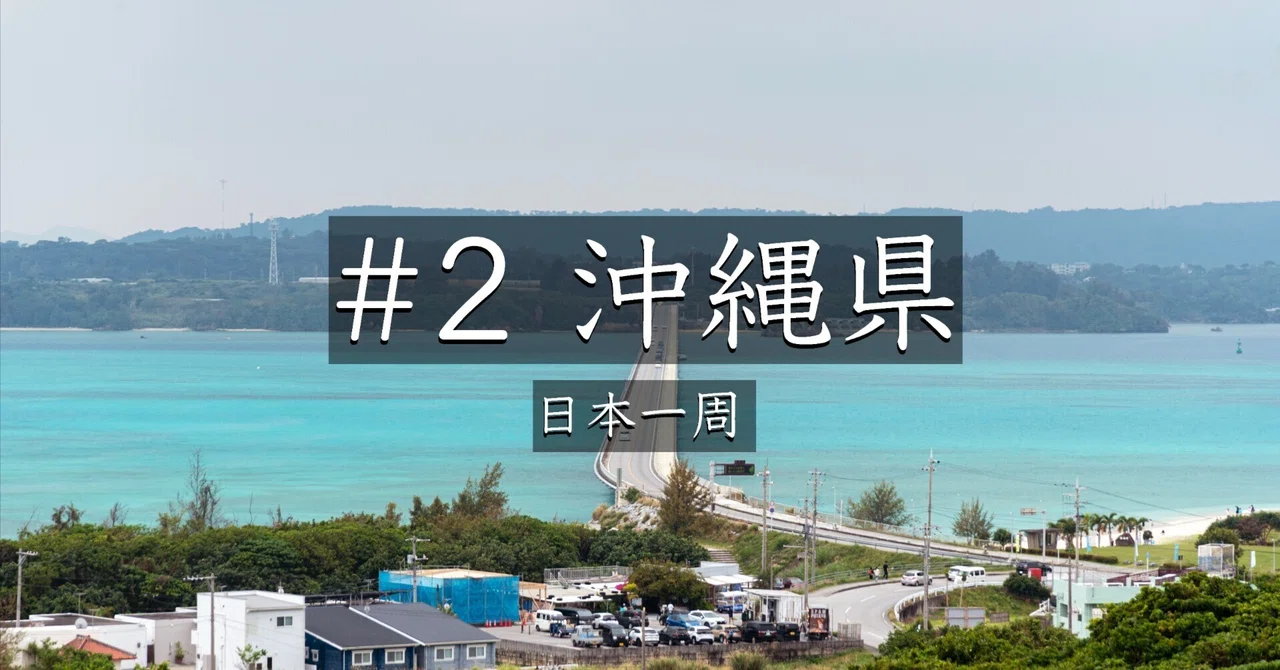
Most travelers dread an overcast forecast when visiting northern Okinawa. They expect dull, washed-out grey seas and flat horizons that ruin their holiday photos. Yet visitors standing at the crest of Kouri Island often discover the opposite effect: beneath a blanket of uniform cloud, the surrounding ocean frequently displays a luminous, crystalline turquoise that defies ordinary photography instincts.
The visual phenomenon is not an optical illusion or the product of aggressive smartphone filters. As chronicled in a field travel dispatch from a note Report detailing a journey from the Kouri Bridge to Kouri Beach, northern Okinawa’s waters retain a striking blue transparency even under heavy skies. Understanding how light interacts with coastal topography explains why Kouri Ocean Tower produces some of its most compelling, glare-free photography precisely when the sun refuses to show up.
📌 Key Takeaways:
- The Glare Reduction Advantage: Overcast skies act as an enormous softbox, eliminating harsh surface highlights that white out water details on sunny afternoons.
- Critical Elevation Mechanics: Positioned 82 meters above sea level, the Kouri Ocean Tower observation deck cuts through surface reflections by steepening the viewer’s angle of incidence.
- Camera Adjustments: Dialing exposure compensation upward by +0.3 to +0.7 EV and mounting a circular polarizing filter restores saturated emerald green sea contrast in raw files.
The Optical Physics Behind Okinawa's Overcast Emerald Water
Clear blue water on a bright day is largely a reflection of the sky above it. When that sky turns slate grey, logic suggests the ocean should mirror the same drab palette. Around Kouri Island, however, the primary driver of water color is not sky reflection, but seabed transmission.
The seabed surrounding Kouri Island consists of fine Ryukyu limestone sand and shallow coral beds. White limestone sand has an extraordinarily high albedo. When ambient light strikes the water column, red and yellow wavelengths are absorbed within the first three to five meters. The remaining blue and green spectrum penetrates to the white seabed, bounces back upward, and passes through the water a second time before reaching your lens.
Direct midday sunlight creates intense specular reflection off the water surface. That harsh glare blinds camera sensors, washing out the deeper aquatic gradients into blown-out white highlights. Diffused light landscape photography circumvents this problem completely. Under dense cloud cover, light scatters across the entire sky. The absence of a single bright light source eliminates blinding water glare, letting the upward-scattered emerald hue dominate your frame.
Elevation and Angles: Tower Heights Versus Low Beach Vistas
Standing directly on Kouri Beach yields an entirely different optical result than standing at the observation deck. At sea level, a photographer’s lens sits at a grazing angle relative to the water. Optical physics dictates that as your line of sight approaches a parallel angle with the water surface, reflectivity climbs dramatically. At low beach angles under a cloudy sky, you capture mostly grey sky reflections rather than underwater hues.
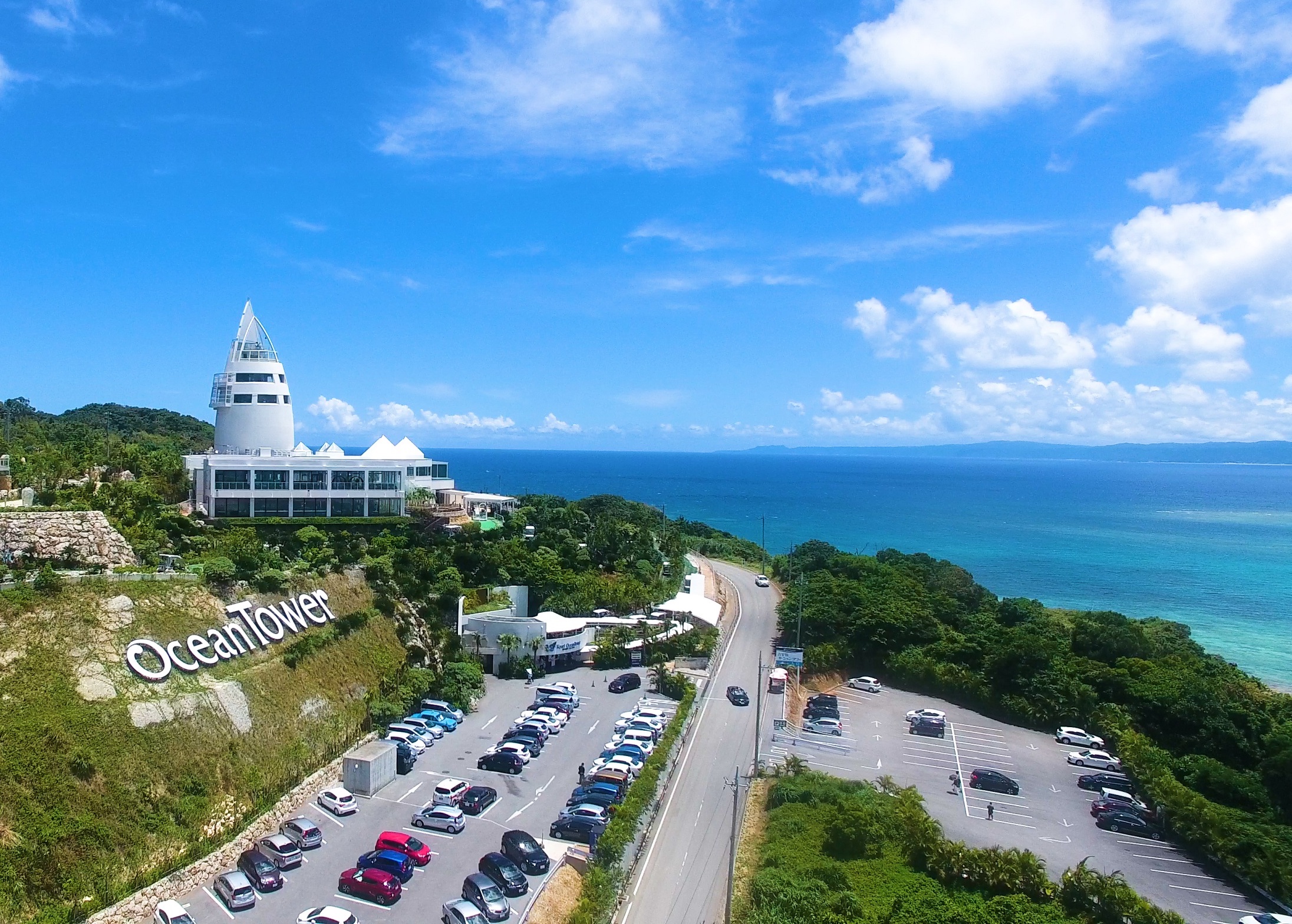
Kouri Ocean Tower sits perched on the island’s northern ridge, lifting its viewing gallery 82 meters above sea level. This high vantage point sea colors transformation changes everything. By tilting your camera downward at an angle between 20 and 45 degrees, you pass Brewster’s angle, the threshold where polarization and light transmission maximize.
From this height, the camera peers down through the water rather than skimming across its surface. The sprawling two-kilometer span of the Kouri Bridge cuts across distinct oceanic shelves, revealing vivid transitions from mint green shallows to midnight-navy trenches. Those sharp tonal bands disappear at ground level under cloudy conditions, but they stay razor-sharp from the tower’s upper floors.
Visual Benchmark: Shooting Conditions and Camera Adjustments Across Weather Modes
Capturing cloudy day travel photos in Okinawa requires moving away from default camera automation. The table below outlines how ambient conditions shift between direct sunlight and overcast weather at Kouri Ocean Tower, along with the precise camera settings needed to keep colors saturated.
| Lighting Condition | Surface Reflection Dynamics | Target Camera Settings | Visual Output at Kouri Deck |
|---|---|---|---|
| Direct Noon Sun (Clear) | Extreme specular glare; harsh water surface hotspots | ISO 100, f/8, 1/500s, CPL rotated to max cut | Electric cyan, heavy dark shadows along coral edges |
| High Overcast (Bright Cloud) | Diffused ambient fill; minimal surface flare | ISO 200, 400, f/5.6, 1/250s, +0.3 EV, CPL at 50% | Rich emerald and jade; highly balanced reef visibility |
| Low Overcast / Light Rain | Zero specular sheen; reduced contrast across horizon | ISO 400, 800, f/4, 1/160s, +0.7 EV, WB set to Cloudy (6500K) | Moody turquoise sea set against mist-layered outer islands |
Navigating the Course: Carts, Glass Decks, and Indoor Shelters
The shooting experience at the facility begins well before stepping onto the primary observation deck. Visitors board an automatic golf cart ride that winds through steep subtropical gardens up to the main structure. The cart moves at roughly five kilometers per hour on an embedded electromagnetic track, offering an automated tracking shot.
This ride provides excellent automatic golf cart ride viewpoints. Dense cycad palms and bougainvillea frame the distant Kouri Bridge. On overcast days, the diffused light softens the harsh contrast between deep green foliage and the pale sky, preventing your camera from blowing out highlight details in the background while trying to expose the foreground leaves.
Inside the tower, three distinct levels cater to different weather conditions:
- Floors 2 and 3 (Enclosed Glass Galleries): These climate-controlled indoor decks feature floor-to-ceiling windows. During sudden squalls or high winds, they provide sweeping Kouri Island panoramic views. Bring your lens hood directly against the glass pane to eliminate interior cabin reflections.
- Floor 4 (Open-Air Rooftop Deck): The open-air observation roof houses the famous "Bell of Happiness." Unobstructed 360-degree vistas allow clean telephoto compositions of the bridge without shooting through tinted architectural glass.
- Ground Floor Shell Museum: If rain turns heavy, the Shell Museum indoor photo spots offer macro photography subjects. With more than 10,000 specimens organized under directional spot lighting, it provides an immediate creative alternative while waiting for storm bands to pass.
Practical Gear Tactics for Diffused Light and High UV Realities
Overcast skies fool camera meters. When an internal exposure system sees a sprawling white or pale grey sky, it assumes the scene is overly bright and automatically underexposes the entire image by one to two stops. The result is a muddy, depressing photograph where the water looks dull slate.
To capture accurate ocean hues, dial your camera's exposure compensation to +0.3 or +0.7 EV. Alternatively, spot-meter directly on the water surface rather than the horizon. Setting white balance manually to "Cloudy" (around 6000K to 6500K) prevents the sensor from cooling the image down into an unnatural steel grey, preserving the warm yellow-green tones of the coral shallows.
Mounting a circular polarizing filter remains effective under cloud cover. While polarizing filters are famous for darkening sunny blue skies, their primary job is stripping glare off non-metallic surfaces. Slowly rotating your polarizer cuts residual water surface haze, boosting the saturation of the reef underneath.
Travelers must also heed a critical physiological detail highlighted during extended field visits across Kouri: ultraviolet radiation penetrates overcast cloud cover with ease. Even beneath unbroken grey skies, Okinawa's low latitude generates high UV levels capable of causing severe sunburn during an hour-long outdoor shoot on the tower’s rooftop deck. Pack reef-safe sunscreen and polarized sunglasses alongside your camera kit.
Framing Strategy: Combining Bridge Geometry with Coastal Shallows
The most compelling Kouri Ocean Tower photos rely on deliberate composition to anchor the vast ocean views. Without a focal point, sweeping seascapes shot under flat skies can feel weightless. Use the strong diagonal lines of the Kouri Bridge to cut through the frame.
Position the bridge along the lower third of your frame, allowing it to lead the viewer’s eye from the bottom-left corner toward Yagaji Island in the distance. The contrast between the rigid concrete structure and the organic curves of the surrounding sandbanks gives the image depth. If cloud cover softens the horizon, crop tightly to exclude the blank sky entirely. Filling the frame exclusively with the bridge and the two-tone turquoise shallows yields a clean, abstract composition that looks vibrant regardless of weather.
Frequently Asked Questions (FAQ)
Q: Can a smartphone capture vivid water colors at Kouri Ocean Tower on a cloudy day?
Yes. Tap your phone screen on the water area to set exposure, then slide the exposure brightness icon up slightly so the phone does not underexpose the scene based on the pale sky. Turning on HDR mode helps balance the bright clouds with the ocean surface.
Q: Does tide level affect ocean color more than cloud cover?
Yes. Water depth dramatically alters color saturation. Visiting during mid-to-high tide creates deeper turquoise tones, while extreme low tide exposes wider patches of pale sand and coral flats. Checking the tide tables for northern Okinawa before your drive ensures you get the water volume you want.
Q: Is the open rooftop deck closed during rainy weather?
The rooftop open-air deck closes temporarily during lightning alerts or intense tropical downpours for safety reasons. However, the enclosed glass observation galleries on the second and third floors remain open, providing complete weather protection while maintaining wide panoramic views of the bridge.
Maximizing Your Okinawa Visuals Beyond the Weather Forecast
Canceled boat excursions and rainy forecasts often push visitors into indoor shopping arcades, but coastal viewing towers operate on entirely different optical rules. The towering vantage of Kouri Island turns flat overcast skies into an asset by stripping away blinding midday glare and highlighting the subtle coral topography below.
Pack a reliable circular polarizer, keep your exposure values bumped above zero, and use the structural geometry of the Kouri Bridge to anchor your compositions. Even when the sun never breaks through the clouds, northern Okinawa’s seabed delivers the emerald and turquoise clarity that makes the journey up the island’s northern ridge well worth the effort.