Complete Guide to Rimi Natsukawa’s Okinawan Classics: 'Eisa no Yoru' Explained

When the sun dips beneath the East China Sea during Kyu-Bon, Okinawa’s traditional lunar festival of the dead, neighborhood streets across the archipelago fill with the percussive roar of barrel drums and the piercing flutter of the bamboo whistle. At the emotional center of this seasonal return stands the voice of Rimi Natsukawa. While global audiences primarily recognize her as the definitive voice behind the 2001 mega-hit "Nada Sou Sou," her performance of "Eisa no Yoru" (Night of Eisa) represents something far more localized, spiritual, and celebratory: the communal surge of the Eisa festival dance captured in studio fidelity.
Natsukawa’s interpretation of island folk traditions has long balanced mainland Japanese pop sensibilities with the microtonal vocal traditions of the Ryukyu Kingdom. Industry records, including an early career CDジャーナル Report documenting her prolific duet and collaboration projects, trace how her vocal versatility attracted celebrated mainland writers like Ryudo Uzaki and Yoko Aki while remaining rooted in Yaeyama folk styles. Today, as Natsukawa marks more than a quarter-century in the recording industry, "Eisa no Yoru" endures as a centerpiece of her live repertoire, bridging the ancient ancestor-welcoming rites of the southern islands with modern concert halls across East Asia.
📌 Key Takeaways:
- The Cultural Core: "Eisa no Yoru" captures the specific atmosphere of Okinawan Kyu-Bon, where youth dance troupes honor departing ancestral spirits with athletic taiko drumming.
- Musical Composition: The track counterbalances energetic call-and-response festival chants with Natsukawa’s classical sanshin accompaniment and distinct island vibrato.
- Modern Legacy: Following her 25th-anniversary album Uta in 2025, Natsukawa continues headlining major cross-regional events, including the 2026 OKINAWA FES Milafete HOKKAIDO alongside acts like DA PUMP.
The Sacred Rhythm: Decoding the Ryukyu Roots of ‘Eisa no Yoru’
To understand "Eisa no Yoru," one must examine the specific social function of the Okinawan Bon festival. Unlike mainland Japan's solemn Buddhist Obon observances, Okinawa’s midsummer nights involve Michijune, processions where local youth associations (seinenkai) dance through village roads to guide spirits back to the beyond.
The track channels this exact physical momentum. The rhythm section moves away from gentle island lullabies, leaning heavily into the syncopated thud of odaiko (large barrel drums) and shimedaiko (handheld tied drums). Over this thunderous percussive bed, the three-stringed sanshin outlines the pentatonic Ryukyuan scale.
Natsukawa approaches the composition not as an outsider singing a novelty summer tune, but as a native of Ishigaki Island who spent her formative years internalizing Yaeyama folk tunes (min'yo). Her vocal delivery employs guwachi, the subtle, throat-tightening ornamentations unique to island singing, without sacrificing the bell-like clarity that made her a nationwide radio staple. The track recreates the physical exhaustion and euphoric release of an Okinawan summer, where dancers leap in unison under paper lanterns while the warm sea wind cuts through the humidity.
Lyrical Architecture: Bon Festival Spirits, Sanshin Chords, and Taiko Chants
The lyrical landscape of "Eisa no Yoru" mirrors the temporal journey of a single festival evening. It begins with the dusk horizon and the distant rustle of sugar cane fields, building toward the gathering of the community circle.
Central to the song’s authenticity is its preservation of kakegoe, the rhythmic festival shouts that drive Okinawan dancers forward. Listeners hear sharp interjections like "Iya Sasa!" and "Ha-iya!", vocal bursts designed to coordinate the heavy leaping movements of drum carriers. In the song’s narrative, these chants are not decorative filler; they serve as communal signals intended to reach the spirits of ancestors who have returned home for three short days.
Natsukawa's lyricism often reflects the natural environment of the islands. Similar to her 2008 single "Tsuki no Niji," which used quiet coastal imagery to evoke private prayer, "Eisa no Yoru" projects those private longings into an open-air public ritual. The lyrics acknowledge the bittersweet final hours of the festival, known as Ukui, when the dead must return to the spirit world. The lively rhythm softens near the close, reminding listeners that the dancing drumbeats carry both celebratory joy and the sting of departure.
Tracking Rimi Natsukawa’s Key Musical Milestones
Natsukawa’s journey through the recording industry spans multiple decades, moving from regional talent competitions to nationwide acclaim and back to deep cultural conservation. Her catalog reflects a steady dedication to preserving Ryukyu identity within mainstream Japanese music markets.
| Release / Milestone | Timeframe | Artistic & Cultural Impact |
|---|---|---|
| "Nada Sou Sou" Breakthrough | 2001, 2003 | Written by BEGIN and Ryoko Moriyama, the song remained on the Oricon charts for over 240 weeks, establishing Natsukawa as the country's preeminent interpreter of southern island ballads. |
| Duet Collaborations & Pop Crossovers | 2006 | Partnered with legendary mainland songwriters, performing the Doraemon theme "Hagushichao" and expanding her stylistic range beyond pure Okinawan folk. |
| "Uta Sagashi" Nationwide Tour | 2007, 2008 | Launched at Hamarikyu Asahi Hall after collecting over 1,500 fan requests; demonstrated her capacity to interpret Japanese standard repertoire like Miyuki Nakajima's "Jidai" through an island vocal lens. |
| 25th Anniversary Album Uta | June 2025 | A career-spanning project looking back on childhood struggles, resilience, and her enduring identity as an Ishigaki native sustained by native song. |
| OKINAWA FES Milafete HOKKAIDO | September 2026 | Headlining Day 1 of the cross-regional cultural festival in northern Japan alongside hip-hop/pop icons DA PUMP, bringing Eisa rhythm to high-latitude summer stages. |
From Tokyo Auditoriums to Outdoor Festival Grounds
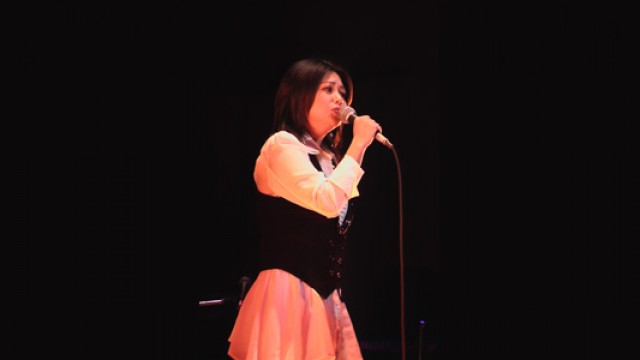
In concert, "Eisa no Yoru" serves a very distinct pacing role. When Natsukawa performs in formal listening venues, such as her landmark 2007 tour launch at Tokyo's Hamarikyu Asahi Hall, the performance often features stripped-back instrumentation. The sanshin cuts clean through the hall's acoustics, turning the song into an intimate demonstration of vocal technique.
Place her on a festival lawn, however, and the composition transforms completely. Her booking for the September 5, 2026 opening day of OKINAWA FES Milafete HOKKAIDO underscores how effectively this material bridges geographical distances. Performing in Sapporo alongside modern mainland-Okinawan acts like DA PUMP, Natsukawa utilizes "Eisa no Yoru" to trigger instant audience participation. Even crowds thousands of miles north of the Yaeyama islands fall into the call-and-response cadence.
This versatility explains why concert promoters consistently position the song in the second half of her setlists. It shakes audiences out of the reverie induced by her slower ballads like "Warabigami" or "Tsuki no Niji," replacing quiet nostalgia with the physical, synchronized clap of island celebration.
Preserving Yaeyama and Ryukyu Identity in Modern Japanese Pop
The wider resonance of "Eisa no Yoru" lies in how it challenges the mainland tendency to romanticize Okinawa as merely a tranquil tropical resort. The song puts working-class island community rituals front and center.
Born on Ishigaki Island in 1973, Natsukawa grew up competing in local min'yo competitions under her birth name, Rimi Tamaki. Her early attempts to break into the Tokyo enka market stalled, forcing a temporary retreat from music in the late 1990s. When she resurfaced under her current stage name, she abandoned generic continental tropes to embrace the specific vocal textures of her upbringing.
As documented around the release of her 25th-anniversary album Uta in June 2025, that decision redefined her path. Rather than watering down the spiritual purpose of festival music, Natsukawa treats Eisa as a living tradition. The youth dance associations of Okinawa are not museum exhibits; they are active social organizations that sustain village bonds across generations. By bringing their percussive drive into commercial arrangements, Natsukawa provides a modern pipeline through which younger listeners reconnect with Ryukyu heritage.
Frequently Asked Questions (FAQ)
Q1: What is the main difference between "Nada Sou Sou" and "Eisa no Yoru"?
A1: While "Nada Sou Sou" is a reflective, bittersweet acoustic ballad about longing for a deceased loved one, "Eisa no Yoru" is an uptempo festival song built around traditional dance rhythms, driving taiko percussion, and communal festival chants.
Q2: Is "Eisa no Yoru" considered traditional folk music or modern pop?
A2: It is a contemporary island pop ballad (Okinawan pop) deeply anchored in traditional Ryukyu folk elements. It utilizes authentic sanshin accompaniment, Bon festival rhythms, and regional kakegoe shouts while utilizing studio recording and modern song structures.
Q3: How does Rimi Natsukawa’s Ishigaki background influence the song?
A3: Ishigaki Island is part of the Yaeyama group, renowned for a distinct regional folk music style characterized by intricate vocal ornamentation and historic Sanshin practices. Natsukawa applies these specific coastal vocal inflections to the track, giving it a raw authenticity that distinguishes it from mainland pop covers.
The Enduring Resonances of Ryukyu Folk Traditions in 2026
More than two decades after Okinawan music swept through the Japanese mainstream in the early 2000s, works like "Eisa no Yoru" retain remarkable staying power. In an era dominated by synthesized production, the organic crack of the snake-skin sanshin and the primal rhythm of the odaiko drum cut through the noise with immediate, human warmth.
Natsukawa’s enduring career confirms that local cultural specificity is often the most universal artistic currency. Whether performed in a humid village square in Naha or across the northern stages of Hokkaido in late 2026, "Eisa no Yoru" accomplishes what traditional island music has always done best: gathering scattered people into a single circle, striking up the drums, and singing until the night gives way to dawn.