Concert Season Rush: Shin-Okubo Lightstick Stock Trends Ahead of Tokyo Shows
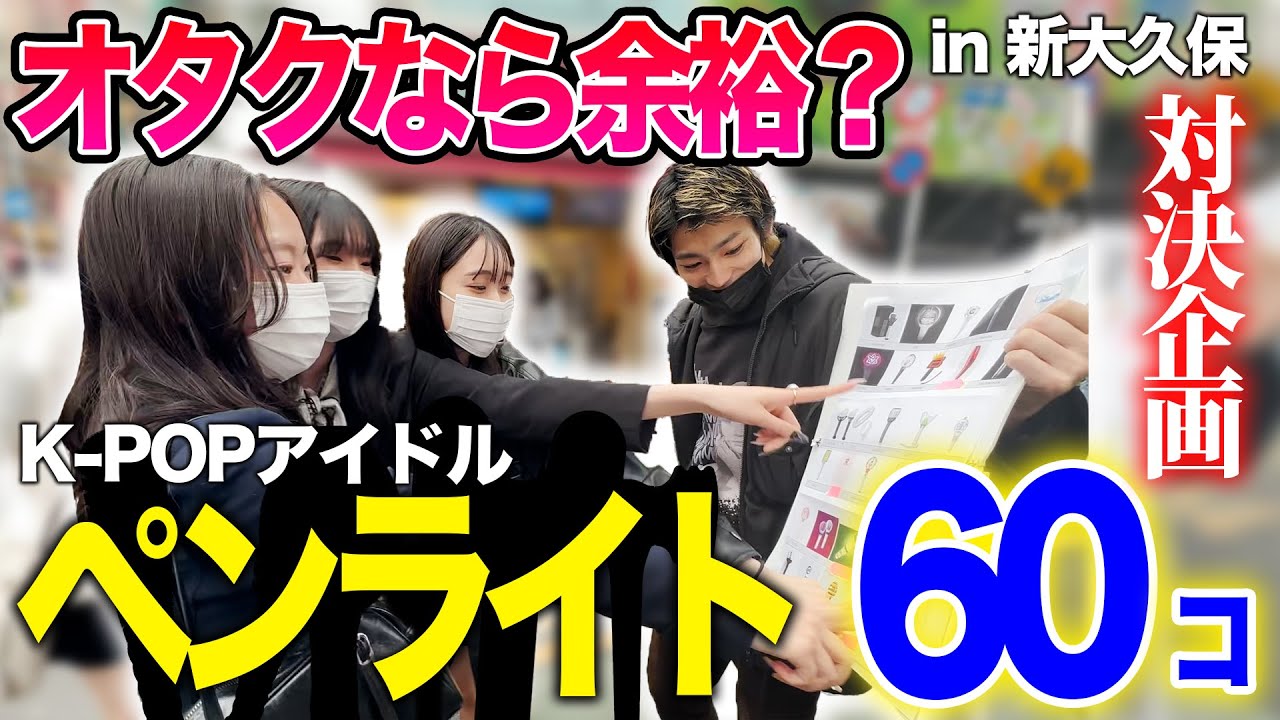
Forty-eight hours before a major world tour lands at Tokyo Dome or K-Arena Yokohama, the narrow sidewalks along Okubo-dori transform into a high-stakes logistics hub. Thousands of overseas travelers and domestic fans pour out of JR Shin-Okubo Station with a single mission: securing an official K-pop lightstick before venue gates open. Official stadium merchandise booths routinely exhaust their allotments within 90 minutes of opening, leaving unprepared concertgoers facing empty hands or four-hour lines under unpredictable weather.
Shin-Okubo merchandise stores have stepped into this breach, functioning as Tokyo's unofficial secondary supply chain for Korean idol goods in Japan. Air shipments arrive directly from logistics hubs in Incheon and Gimpo throughout the week, setting off quiet bidding wars and rapid stock turnarounds across Tokyo’s premier Koreatown. Knowing which shelves hold authentic stock, and precisely when store staff cut open new crates, spells the difference between participating in a stadium-wide synchronized light ocean and sitting in the dark.
⚡ Executive Summary:
- Supply Chain Reality: Stadium pop-up booths cap sales early, driving thousands of fans to Shin-Okubo's retail corridor 24 to 72 hours before Tokyo tour dates.
- Restock Mechanics: Core retailers receive bulk air freight on Thursday afternoons and Friday mornings, creating narrow windows for securing scarce inventory.
- Technical Verification: Secondary-market markups reach 40% to 75%, making in-store Bluetooth pairing and authenticity checks mandatory before purchase.
Inside the 48-Hour Scramble Before Tokyo Dome Shows
Tokyo Dome concert prep operates under brutal logistical constraints. Japan's electronic ticketing systems, operated through platforms like Lawson Ticket or AnyPASS, frequently issue seat assignments only days before the performance. Once attendees confirm their entry, the scramble for performance hardware begins. Official online pre-orders on platforms like Weverse Shop or SMTOWN Global often shut down weeks in advance to avoid international delivery bottlenecks, while venue pickup slots vanish within seconds of going live.
This dynamic funnels immediate demand directly onto the street corners of Shin-Okubo. The neighborhood holds the densest cluster of specialty K-pop retailers outside Seoul. When groups like Seventeen, Twice, Stray Kids, or aespa schedule multi-day runs at Tokyo Dome, foot traffic along Okubo-dori jumps by an estimated 35% to 50% compared to standard weekends. Retailers adjust quickly, swapping display windows from standard album selections to floor-to-ceiling towers of concert batons.
The rush creates intense volatility. A store window displaying sixty units of an official lightstick at 11:00 AM on a Friday can sit entirely bare by 1:30 PM. Fans organize real-time spotter networks on X (formerly Twitter), posting photographs of storefront displays with timestamps and remaining unit counts to help others track last-minute concert stock before doors open in Bunkyo Ward.
Shin-Okubo Restock Cycles: When and Where Shops Unpack Crates
Securing an official K-pop lightstick in Shin-Okubo requires understanding wholesale distribution rhythms rather than wandering aimlessly down shopping alleys. Most independent Korean import shops in Tokyo rely on consolidated air cargo that clears customs at Narita or Haneda late Wednesday evening. Physical distribution to Shinjuku storefronts follows a rigid cadence.
Two primary retail anchors dictate local market availability: Idol Park Shin-Okubo and K-Star PLUS Tokyo. Idol Park Shin-Okubo operates with substantial floor space and maintains deep supplier ties in Seoul, allowing them to intake massive shipments of mainstream agency inventory. Their intake team generally uncrates new stock between 1:00 PM and 3:00 PM on Thursdays. Arriving during this afternoon window offers the highest probability of snagging high-demand batons before weekend crowds arrive.
K-Star PLUS Tokyo, located closer to the main thoroughfare, moves inventory rapidly and restocks in smaller, frequent waves. Their team prioritizes Friday morning drops, placing fresh allocations on shelves precisely at their 10:00 AM opening. Smaller specialty boutiques tucked along Ikemen-dori (Handsome Guy Street) receive staggered deliveries through Friday afternoon and Saturday morning, though their stock counts rarely exceed 15 to 20 units per artist group.
Comparing Shin-Okubo's Major Lightstick Retailers
Prices in Shin-Okubo fluctuate based on immediate tour proximity. While the standard retail price for an official concert baton in South Korea hovers between ¥4,500 and ¥6,200 ($30, $42), import logistics, international customs fees, and local retail margins push base Japanese prices higher. During high-demand tour weekends, high-demand models routinely jump above standard retail tags.
| Store Name | Restock Timing Pattern | Pricing Range (MSRP Variance) | Testing & Verification Policy |
|---|---|---|---|
| Idol Park Shin-Okubo | Thursdays (13:00, 15:00), occasional Sat mornings | ¥6,800, ¥8,500 (+25% to +40%) | Unopened factory seals; staff verify packaging tags |
| K-Star PLUS Tokyo | Fridays (10:00 AM opening), midday micro-drops | ¥7,200, ¥9,500 (+30% to +55%) | Battery test bench occasionally available on request |
| K-PLAZA Specialty Outlets | Wednesdays & Fridays (14:00, 16:00) | ¥6,500, ¥8,000 (+20% to +35%) | Strictly sealed box sales; receipt-based return windows |
| Ikemen-dori Independent Boutiques | Irregular; dependent on hand-carried express stock | ¥8,500, ¥12,000 (+50% to +90%) | Variable; requires careful buyer inspection |
Price markups peak on Saturday mornings, roughly four hours before arena gates open. Stores aware of complete sellouts at venue merchandise tents will raise prices by an extra ¥1,000 to ¥2,500 per unit. Purchasing earlier in the week saves money and shields fans from frantic panic-buying lines that back up onto the main sidewalk.

Spotting Counterfeits and Preserving Bluetooth Syncing Modes
The urgency of concert day creates an ideal environment for counterfeit merchandise. Unlicensed replicas flood peer-to-peer marketplaces like Mercari and flea market stalls near train stations. The divide between an authentic vs counterfeit lightstick goes far beyond plastic molding quality; it directly affects whether the device functions during the concert.
Modern live shows rely on Bluetooth syncing concert mode. Production teams use wireless DMX systems to pair every lightstick in the stadium with the venue's lighting board, mapping individual seats to synchronize colors, strobe pulses, and visual wave effects across 55,000 attendees. Counterfeit lightsticks frequently illuminate and cycle through preset color patterns via their manual buttons, but their cheap Bluetooth modules fail to connect to official companion apps (such as the SMTOWN, Weverse, or dedicated band apps) and will not sync with stadium lighting boards.
Buyers should examine four specific details before handing over cash in Shin-Okubo:
First, inspect the agency hologram sticker on the external packaging. Official HYBE, SM Entertainment, JYP Entertainment, and YG Entertainment goods feature multi-layered, microscopic 3D hologram seals that shift sharply under direct light. Counterfeits use flat, printed rainbow stickers that lack depth.
Second, check the packaging contents for official inclusions. Legitimate manufacturing runs include artist photocard inclusions, high-grade branded wrist lanyards, and multilingual instruction manuals with precise Japanese regulatory text. Limited runs, such as special designer team-ups or Verdy collaboration editions, carry distinct debossed logos and serialization stamps that unauthorized bootlegs fail to replicate.
Third, examine the battery housing contacts. Authentic units use reinforced gold- or nickel-plated contact springs engineered to handle continuous vibrations. Counterfeits cut corners with flimsy tin plates that dislodge during vigorous shaking, causing the unit to shut down mid-performance.
The Power Dilemma: AAA Batteries and Fandom Customization
Hardware issues frequently stem from power mistakes rather than manufacturing flaws. Almost all modern lightsticks require three AAA batteries, which are almost never included inside the packaging due to air transport regulations. Concertgoers rushing out of Shin-Okubo often grab the cheapest battery packs available at local convenience stores, setting themselves up for performance-day failure.
Using improper AAA batteries for lightsticks leads to early shutdowns. Japanese convenience stores stock both alkaline and manganese cells side by side. Manganese batteries cost less but lack the steady discharge capacity needed to run bright multichannel LEDs and active Bluetooth receivers simultaneously. A lightstick powered by manganese batteries typically dims after 45 minutes and loses wireless connectivity midway through a three-hour set. Always purchase premium alkaline batteries (such as Panasonic EVOLTA) and keep a fresh backup set of three in your bag.
Once power is secure, Shin-Okubo offers unmatched opportunities for K-pop fandom lightstick deco. The practice of customizing lightstick handles and globes has evolved into a creative ritual. Independent craft stalls across Ikemen-dori sell plush animal-ear covers, custom silicone handle sleeves, beaded straps, and laser-cut acrylic name plates. Fans gather at local cafes to apply holographic decals and arrange Verdy and photocard inclusions inside display domes, tailoring their hardware to reflect their personal bias before heading to the arena.
Strategic Buying Protocols: When to Buy and When to Walk
Navigating Shin-Okubo during concert week requires clear decision rules. Not every store offering available inventory deserves your money, especially when stock runs low and prices climb.
Commit to a purchase if the store meets these criteria:
- The box displays an untampered agency hologram seal with crisp serial typography.
- The price sits within a reasonable markup band (not exceeding ¥9,500 for standard models).
- The shop maintains a permanent commercial storefront in Shin-Okubo rather than a temporary pop-up table or folding street cart.
- Staff permit you to open the box at the register post-purchase to verify battery spring alignment and app pairing before leaving.
Walk away immediately under these conditions:
- The box is unsealed, taped shut with generic clear packaging tape, or missing manufacturer shrink-wrap.
- The vendor cannot confirm whether the model is the latest revision (for example, attempting to pass off a Ver. 2 model when the current tour mandates Ver. 3 for central wireless control).
- The seller demands cash-only transactions from an unmarked roadside cart along side streets.
Frequently Asked Questions (FAQ)
Q1: What time do Shin-Okubo shops unpack their weekend concert restocks?
A1: Major retailers like Idol Park unpack bulk shipments between 1:00 PM and 3:00 PM on Thursdays. K-Star PLUS Tokyo and surrounding stores typically drop their weekend floor allocations at 10:00 AM on Friday mornings. Arriving during these specific windows yields the best selection.
Q2: Can I test Bluetooth concert syncing inside the store?
A2: Most sealed-box retailers do not allow opening packages prior to payment. However, reputable shops permit buyers to insert batteries and run the official smartphone pairing app at the checkout counter immediately after purchase. Bring three fresh AAA alkaline batteries with you to test pairing before walking away.
Q3: Why are lightstick prices higher in Shin-Okubo than on official tour websites?
A3: Retailers import inventory directly from South Korea via expedited commercial air freight, incurring import tariffs, international logistics overhead, and local business taxes. During sold-out Tokyo Dome weekends, stores apply a supply-and-demand premium, raising prices by ¥1,500 to ¥3,500 above wholesale retail cost.
Q4: Will a lightstick bought in Shin-Okubo work at international tour stops?
A4: Yes. Authentic agency lightsticks run universal firmware. As long as the unit is genuine and runs the proper hardware version for the tour, it pairs seamlessly with venue lighting systems across Japan, South Korea, North America, and Europe.
Navigating Tokyo’s Live Fandom Circuit in 2026
Shin-Okubo remains an indispensable safety net for Tokyo's live music ecosystem. When venue distribution stalls and online pre-orders miss delivery deadlines, the retail corridor along Okubo-dori keeps the stadium experience intact. Navigating this neighborhood during peak concert season requires moving past impulse buys, understanding shipment timetables, checking hardware credentials, and avoiding low-grade batteries. Approached with clear timing and careful inspection, the trek through Shinjuku’s Koreatown delivers both the hardware and the atmosphere that define contemporary live K-pop fandom.