Debunking Custom DBH Codes: Official Bandai Rules vs Generator Hoaxes

When Bandai launched Meteor Mission 6 on August 29, 2024, it marked the official climax of a 14-year arcade empire. As documented in a primary MANTANWeb Report on the series finale, the long-running digital card game defined Japanese arcade floors across multiple hardware generations before ceding the spotlight to next-generation successors. Yet even years after the final Meteor Mission set hit retail cabinets, an underground market persists online. International collectors and competitive players scouring Japanese forums frequently search for ドラゴンボール ヒーローズ コード 一覧 (Dragon Ball Heroes code list), hunting for shortcuts to trigger elusive in-game powerups without paying exorbitant aftermarket prices for physical cards.
That search demand created a fertile breeding ground for counterfeiters, fraudulent barcode aggregators, and predatory web generators. Shady download hubs promise printable sheets capable of spoofing top-tier Secret Rare (SEC) cards or instantly unlocking high-tier avatar cosmetics. The reality behind these claims is far less miraculous. Between hardware-level optical checks, strict Bandai arcade guidelines, and aggressive account safeguards tied to the Hero License card, running unauthorized scan codes carries severe operational and legal risks for players.
📌 Key Takeaways:
- The Technical Reality: Arcade cabinet scanners do not rely on standard commercial QR codes for gameplay characters; they read proprietary infrared optical patterns and high-density Data Carddass mechanics pressed directly onto authorized card stock.
- The Generator Deception: Online "QR code generators" advertising instant Secret Rare SEC cards or avatar stat unlocks are web-scraping scams designed to harvest ad impressions, infect devices with malware, or sell useless printouts.
- Regulatory Consequences: Bandai enforces zero-tolerance arcade account ban risks across network-linked terminals, disqualifying players and permanently locking Hero License cards caught using modified media or cloned optical barcodes.
The Digital Paper Chase: Why Players Hunt for Card Codes
The obsession with finding a comprehensive code index stems from the brutal economics of physical gacha cabinets. Throughout the run of Super Dragon Ball Heroes, building a competitive seven-card deck required either relentless coin drops or significant cash reserves. The launch of Meteor Mission 5 on June 27, 2024, followed quickly by the historic Meteor Mission 6 finale on August 29, 2024, drove aftermarket prices for Secret Rare SEC cards past ¥15,000 to ¥25,000 ($100, $170) on secondary exchanges like Mercari.
Casual players and overseas fans importing hardware units faced steep barriers to entry. In Japanese arcades, casual chatter about secret combinations fueled the myth that every card possessed an underlying software key that could be extracted, converted into a simple barcode, and reproduced at home on an inkjet printer. Overseas players unfamiliar with the underlying arcade operating system frequently misinterpret legitimate auxiliary codes, such as the two-dimensional matrix codes printed on marketing flyers for promotional items, as universal bypasses for physical gameplay cards.
How Data Carddass Mechanics Outsmart Printable Barcodes
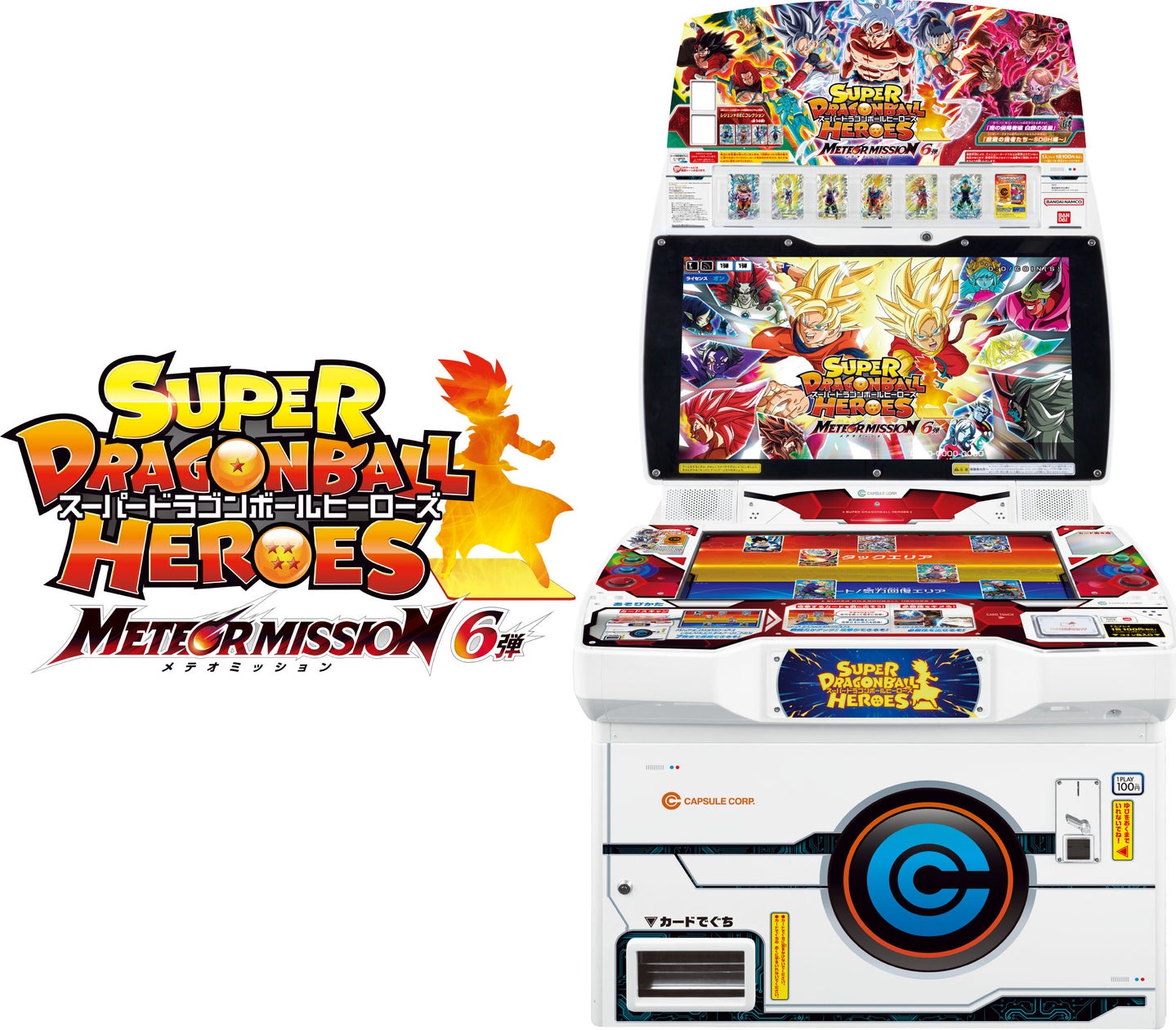
The belief that a home-printed barcode can substitute for genuine card stock ignores the physical design of the cabinet. The terminal does not feature a simple point-of-sale laser. Instead, the arcade cabinet scanner relies on specialized Data Carddass mechanics developed and refined over more than a decade of active field deployment.
The transparent playfield surface uses a high-speed multispectral optical reader paired with dedicated infrared emitters beneath the glass. When a player sets down legitimate Meteor Mission cards, the hardware does not simply scan a generic line of numbers. It measures light transmission, surface reflectance, card thickness, and invisible ultraviolet security marks embedded into the proprietary substrate. Official custom card barcodes used during development are guarded under strict non-disclosure agreements and are entirely omitted from public production runs.
When fraudulent players attempt to scan paper printouts, laminate copies, or smartphone screens, the terminal's optical sensor consistently throws error flags. At best, the machine fails to recognize the input, wasting the player's 100-yen credit. At worst, repeated irregular optical signatures trigger internal hardware fault logs, alerting arcade staff to inspect the bay.
The Anatomy of the QR Code Generator Hoax
Type the target phrase into search engines, and you will encounter dozens of low-quality blogs claiming to host an automated generator. These websites display mockup user interfaces featuring Goku, Vegeta, and various God of Destruction avatars, flanked by drop-down menus offering "Level 99 Boosts" or "Instant SEC Drops."
Every single one of these web utilities is a QR code generator hoax. Dragon Ball Heroes has never utilized consumer-facing QR codes to load playable combatants into an ongoing match. Legitimate two-dimensional matrices exist only in two narrow, non-combat contexts:
First, official marketing campaigns distributed temporary promotional scan codes on physical cards inside V-Jump magazine or at special screening events. These codes provided minor cosmetic avatar customization codes or temporary bonus EXP items, never direct character summoning. Second, digital smartphone apps connected to the Bandai Namco ID ecosystem occasionally display transient redemption codes for web-based account management. Converting these auxiliary promotional assets into an active character card during an arcade battle is impossible.
Comparing Official Assets to Counterfeit Shortcuts
To understand why online code repositories fail, it helps to examine how the arcade hardware validates different media formats during an active session.
| Media Type | Scanner Verification Method | Tournament Legality | Operational Risk Level |
|---|---|---|---|
| Official Meteor Mission Cards | Sub-surface optical tracking & foil refraction | Fully Certified | Zero risk (Standard play) |
| Official Hero License Card | Encrypted contactless IC chip communication | Mandatory for Ranked Play | Zero risk (Authorized data) |
| Promotional Bonus Slips | Secondary optical line reading (Single scan) | Event-Specific Only | Low risk (Official material) |
| Custom Printed Barcodes | Surface 2D reading (Fails multispectral check) | Strictly Disqualified | High: Instant machine error flags |
| Online Generator Exploits | Unreadable by hardware (Non-functional) | Immediate Sanctions | Critical: Malware & hardware lockout |
Bandai Arcade Guidelines and Account Ban Risks
Operating an arcade machine in Japan involves shared network infrastructure managed through Bandai Namco's centralized servers. The terms outlined in published Bandai arcade guidelines leave no ambiguity regarding unauthorized data manipulation or counterfeit media.
Every serious player uses a registered Hero License card to track character progress, save custom decks, and climb regional leaderboards. When the central server detects anomalies, such as an account registering an impossible deck configuration, using cloned optical credentials, or pinging the system through corrupted scan packets, automated safety protocols engage. The result is an immediate arcade account ban risk, resulting in a permanent revocation of the player's card serial number.
Official tournament rules maintain zero tolerance for card alterations. Judges perform manual inspections of decks before every ranked match. Sleeves must meet precise transparency standards, and cards featuring unapproved stickers, duplicate registration marks, or altered edges face instant confiscation alongside player disqualification. Attempting to enter sanctioned competition with home-printed assets will simply get you blacklisted from the community.
Preserving the Legacy of Meteor Mission
With Meteor Mission 6 closing out the original Data Carddass era, the focus within the Dragon Ball Heroes scene has shifted decisively toward preservation and archival collecting. The physical cards produced between 2010 and late 2024 represent tangible artifacts of arcade gaming culture. Trying to circumvent that legacy with bogus barcode generators undermines the tactile appeal that kept the title atop arcade revenue charts for over a decade.
Legitimate players seeking rare cards or specific skills rely on secondary hobby shops, verified trading groups, or domestic Japanese consignment cases. The hardware was engineered specifically to celebrate high-end physical foil prints and interactive tactile manipulation on the glass. Bypassing that mechanism was never part of the design, and no digital shortcut found on an anonymous web forum changes that reality.
Frequently Asked Questions (FAQ)
Q1: Can I print barcodes from the internet to summon Secret Rare cards at an arcade?
No. Bandai's arcade scanners use proprietary optical sensors that detect physical card composition, reflectance, and invisible security marks. Standard home-printed barcodes or laminated paper copies will fail the verification check and will not spawn playable characters.
Q2: What happens if I try to use unofficial or counterfeit cards during an official tournament?
You will be immediately disqualified. Bandai tournament rules require certified physical cards. Referees conduct physical deck checks prior to competition, and any attempt to use unauthorized scans, photocopies, or cloned barcodes results in match forfeiture and potential bans.
Q3: Are there any safe, legitimate codes for Dragon Ball Heroes?
Yes, but exclusively through official Bandai distributions. These include promotional QR codes printed in V-Jump magazine or official event booklets for temporary avatar customization items. These legitimate codes provide minor bonuses or avatar accessories, not full playable cards.
Q4: Why do so many websites offer Dragon Ball Heroes code generators if they do not work?
These sites are revenue-generating scams. They capitalize on search traffic from players hoping to bypass gacha mechanics. In practice, they deliver useless mockups while exposing visitors to aggressive advertising networks, data harvesting forms, or malicious software downloads.
Navigating the Final Arcade Era Responsibly
The 14-year legacy of Super Dragon Ball Heroes stands on mechanical precision, tactile physical collecting, and social competition on the arcade floor. Online searches for universal code listings offer false hope based on a misunderstanding of how Japanese amusement hardware functions. Respect the integrity of the Data Carddass system, safeguard your Hero License account, and rely strictly on authentic cards to experience the series as its developers intended.