Demon Slayer TV Broadcast Respark: The Complete Timeline of Rui's Origin and Defeat
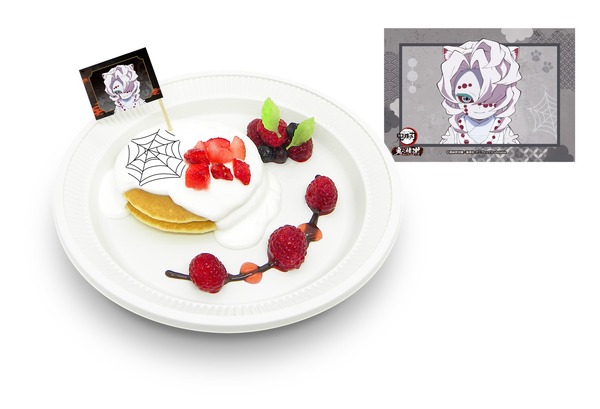
Seven years after his initial television debut, Rui remains one of anime's most unsettling portraits of manufactured affection. The tragic Lower Rank Five demon returned to center stage in late August 2026 when Fuji TV broadcast Episode 21, "Against the Rules" (隊律違反), across Japan, sending international social feeds into a familiar spiral of grief and debate. Coinciding with the high-profile "Oni no Sumika" exhibition running from August 21 to October 4, 2026 at Namjatown, as detailed in an アニメ!アニメ!Anime Anime Report, Rui's narrative arc has reclaimed the cultural spotlight, proving that his agonizing downfall on Mount Natagumo retains unmatched emotional resonance.
📌 Key Takeaways:
- The Spark: A nationwide Fuji TV morning broadcast of Episode 21 on August 30, 2026, coupled with Tokyo's Namjatown showcase, triggered massive reappraisal of Rui's origins.
- The Conflict: Rui's descent stemmed from physical frailty, predatory grooming by Muzan Kibutsuji, and the catastrophic misunderstanding that led him to butcher his own parents.
- The Contrast: The unbreakable bond between Tanjiro Kamado and Nezuko exposed Rui's counterfeit spider clan as a violent sham, precipitating his execution by Giyu Tomioka.
Fuji TV's Rebroadcast and the Summer 2026 Resonance
Television networks rarely spark spontaneous global trending topics with reruns, but Demon Slayer: Kimetsu no Yaiba operates by different rules. When Fuji TV slated Episode 21 for a morning slot at 9:30 AM on August 30, 2026, viewership metrics spiked as longtime fans and newcomers collided. The timing was deliberate. Paired with Namjatown's commercial showcase featuring Akaza, Daki, Gyutaro, and Rui, the rebroadcast refocused attention on the foundational turning point of Koyoharu Gotouge's dark fantasy epic.
Episode 21 captures the precise moment Tanjiro Kamado collapses while throwing his battered body over Nezuko to shield her from decapitation. Rui watches this gesture in stunned silence. For twenty episodes, viewers had seen demons treat human life as fodder. Rui inverted that dynamic by showing a demon desperate for kinship, yet entirely incapable of recognizing it when it was right in front of him.
Fragile Lungs and Blood Pacts: Rui's Human Childhood
Before he wore the white spider haori and brandished steel-cutting threads, Rui was an invalid child trapped inside his own failing lungs. Born into the Taisho era with an unnamed respiratory illness, he could not run, play in the sunlight, or even walk without gasping for breath. His room was a perpetual quarantine. His existence was defined entirely by parental care, medicine jars, and physical agony.
Enter Muzan Kibutsuji. Operating with predatory calculation, the progenitor of demons approached the bedridden boy not with compassion, but with an offer that preyed on a child's deepest vulnerability. Muzan injected his blood into Rui, promising an end to his suffering. The transformation cured Rui's sickness overnight. He could walk. He could sprint through the night air. The cost was immediate and horrific: he required human flesh to sustain his newfound vitality.
The Murdered Parents and the Twisted Need for Family
The core tragedy of Rui's backstory hinges on a singular, bloody night inside his childhood home. Rui's human parents were horrified by the nocturnal murders their transformed son committed to stay alive. Realizing the monster he had become, his father crept into Rui's bedroom clutching a knife while weeping, intending to kill his son in his sleep before ending his own life. His mother wept softly in the corridor.
Rui woke up. Driven by demonic survival instincts, he slaughtered both parents on the spot. In his shock, he rationalized the act through Muzan's toxic indoctrination: true parents would protect their child at all costs, so these people could never have loved him.
Then came the crushing revelation. As his mother took her final dying breath on the floor, she crawled toward him, whispering an apology for failing to give him a healthy body. His father's intent had never been malice; it was an act of parental responsibility and shared suicide to save Rui's soul from eternal damnation. The realization shattered Rui's psyche. Rather than accept the unbearable guilt of having murdered the only people who loved him unconditionally, he submerged his memory beneath layers of cruelty, constructing a surrogate spider clan on Mount Natagumo to reenact the family dynamic he had destroyed with his own hands.
Mount Natagumo: Evolution From Frail Boy to Lower Rank Five
| Narrative Phase | Defining Incident | Thematic Significance |
|---|---|---|
| Human Infancy (Early Life) | Crippling congenital illness restricts Rui indoors. | Vulnerability creates the opening for Muzan Kibutsuji's exploitation. |
| The Patricide | Rui butchers his parents, misinterpreting their murder-suicide pact. | Psychological trauma sparks deep repression and extreme emotional dysfunction. |
| Mount Natagumo Reign | Assembles weaker demons into a "family," distributing his blood. | Enforces artificial love through mutilation, fear, and strict roleplay. |
| The Climax (Episodes 19, 21) | Confronts Tanjiro and Nezuko; beheaded by Giyu Tomioka's Dead Calm. | Realizes Tanjiro's authentic bond exposes his own mountain as a fraud. |
The Mirror of Siblings: Tanjiro, Nezuko, and Episode 21
The narrative tension of the Mount Natagumo arc works because Rui and Tanjiro are structural mirrors. Both boys lost their parents early. Both were thrown into a brutal supernatural conflict without warning. Yet their responses to grief could not be more divergent.
Tanjiro guards Nezuko at the expense of his own skin, refusing to treat her as an aberration even when she hungers for flesh. Rui, granted immense authority by Muzan as Lower Rank Five, forced rogue demons to surgically alter their faces and mimic parental or sibling archetypes. When a "sister" or "mother" slipped out of character, Rui strung them up in the sun or slashed them with threads. It was domestic tyranny disguised as kinship.
In Episode 21, as Rui stands over Tanjiro and Nezuko, he demands that Tanjiro surrender his sister so Rui can adopt her into his family. Tanjiro's response cuts straight through the demon's psychological defense: "You cannot forge a bond out of terror!" When Water Hashira Giyu Tomioka steps onto the clearing and deploys Eleventh Form: Dead Calm (凪), Rui's threads snap effortlessly. His head falls before he can mount a counterattack.
The Twelve Kizuki Tragedy and Demon Slayer's Moral Core
What separates Koyoharu Gotouge's writing from typical shonen battle manga is the handling of the kill. Giyu Tomioka steps on Rui's disintegrating kimono with visible disdain, noting that demons are vermin. Tanjiro intervenes, gently placing his hand on Rui's crumbling back so the dying creature feels human warmth before turning to ash.
In that final release, Rui regains his human memories. He sees his mother and father waiting for him in the afterlife. Expecting them to discard him to the fires of hell alone, he breaks down in tears, admitting that his crimes are unforgivable. Instead, his parents embrace him. They promise that no matter where he must go to pay for his sins, they will burn with him.
Gotouge does not excuse Rui's atrocities. He still goes to hell. He still faces the cosmic debt of every Demon Slayer Corps cadet he suspended in cocoons or melted with acid. But the narrative allows him dignity in death, establishing the thematic foundation for all subsequent Twelve Kizuki encounters: demons are victims of a predatory monster before they become monsters themselves.
Frequently Asked Questions (FAQ)
Q1: Why did Muzan Kibutsuji allow Rui to share his blood with other demons?
Muzan favored Rui because of his complete isolation and blind obedience. While Muzan strictly prohibited demons from banding together to prevent mutiny, he made an exception for Rui, allowing him to share his blood with the spider family because he knew Rui's obsession was purely focused on recreating a household, posing zero threat of rebellion.
Q2: Was Rui actually stronger than Lower Rank Five?
Yes. Author notes and official fanbooks indicate that because Rui divided his demonic blood and power among multiple family members, giving enhanced abilities to the Mother, Father, Brother, and Sister spiders, his individual combat strength on Mount Natagumo was significantly diluted. Had he fought alone at full power, his ranking among the Lower Moons would have been higher.
Q3: How did Giyu Tomioka's Dead Calm counter Rui's ultimate attack?
Rui's Blood Demon Art, Murderous Eye Basket, created an inescapable cage of hyper-dense, blood-streaked threads. Giyu Tomioka countered this using the Eleventh Form of Water Breathing, Dead Calm (Lull), a technique of his own creation. It drops the user's perception and sword movement into absolute stillness, parrying and severing incoming attacks faster than the human or demon eye can register.
The Enduring Ghost of Mount Natagumo
The enduring fascination with Rui across television broadcasts and live exhibitions in 2026 highlights an uncomfortable truth about human vulnerability. Rui was never an inherently wicked child. He was an isolated, terminally ill boy who mistook a monster's parasitic blood for salvation, and who destroyed his own family out of panic before he had the emotional maturity to understand their sacrifice.
When Tanjiro Kamado placed his hand on the back of the dying demon in the moonlit forest of Natagumo, he validated the core philosophy of Demon Slayer: evil must be severed cleanly by the blade, but grief must never be met with indifference. Seven years after his debut, Rui's story still reminds audiences why that distinction matters.