Did Miki Kawai Actually Do Anything Wrong? Unpacking the Hypocrisy and Truth Behind 'A Silent Voice'
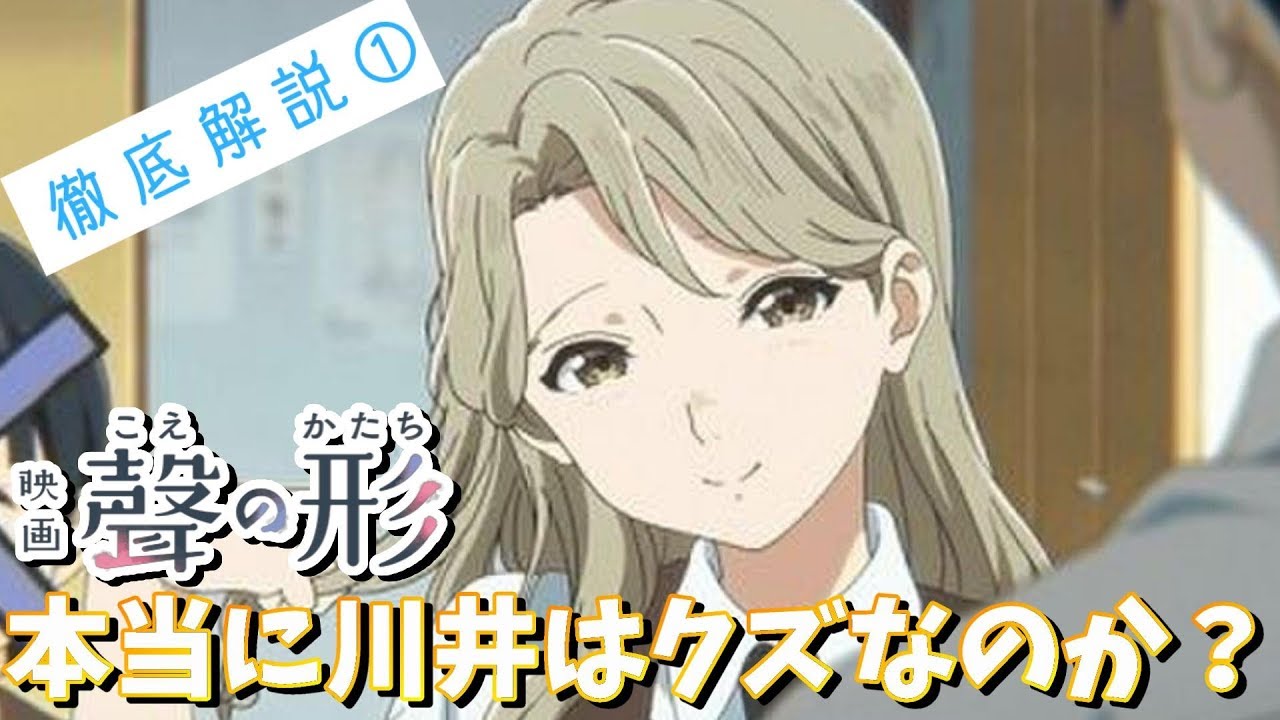
A decade after Kyoto Animation released its landmark feature, A Silent Voice (Koe no Katachi), audience discussions still flare over a single character. Viewers routinely bypass the obvious bullies to target class representative Miki Kawai. Japanese search forums consistently spike with queries pairing her name with visceral disdain, mirrored across English-speaking communities where she routinely tops lists of the most despised figures in contemporary animation. An editorial retrospective by animatedtimes.com underscored this enduring reaction, observing that the story hit hardest not through cartoonish villains, but through the terrifying realism of its peripheral figures.
Kawai represents a specific social injury. While characters like Shoya Ishida suffer public disgrace and Naoka Ueno embraces raw cruelty, Kawai exits the narrative without ever acknowledging her complicity. Her weapon is an impenetrable shield of performed innocence.
📌 Key Takeaways:
- The Core Accusation: Kawai participated in the ostracization of deaf student Shoko Nishimiya, yet redirected blame whenever authority intervened.
- Psychological Profile: Her actions demonstrate textbook covert narcissism and passive bystander reinforcement rather than overt malice.
- Narrative Function: Mangaka Yoshitoki Oima designed Kawai to expose the systemic hypocrisy of classroom hierarchies that punish obvious offenders while rewarding conformists.
The Anatomy of Passive Cruelty in the Elementary School Arc
Kawai never threw Nishimiya’s hearing aids out the window. She never initiated physical assaults. Because she avoided physical violence, audiences often ask: did Kawai actually do anything wrong? The answer lies in the architecture of covert bullying psychology. When Nishimiya arrived, Kawai immediately adopted the role of benevolent caretaker. She sat near her, smiled for the teachers, and acted as an informal liaison. This dynamic shifted rapidly once Nishimiya’s communication barriers caused minor classroom friction.
When singing practice fell behind schedule, Kawai did not defend Nishimiya. Instead, she shared knowing smirks with Ueno and giggled when Ishida mocked Nishimiya's vocalizations. Her quiet, socially sanctioned ridicule gave the rest of the classroom permission to escalate. She validated Ishida’s cruelty while keeping her own hands spotless. When Principal Takeuchi confronted the class after Nishimiya’s transfer, Ishida was singled out. In that moment of exposure, Kawai weaponized performative tears. She cried loudly, claiming horror at Ishida's behavior, wiping away any institutional memory of her own quiet participation.
Social psychology documents this mechanism as decentralized peer victimization. Bullies require an audience to derive social currency. By laughing, validating jokes, and remaining silent during abuse, high-status students like Kawai function as operational catalysts.
The Bridge Scene: Moral Evasion and Narrative Exposure
The narrative confrontation on the bridge in chapter 39 of the manga (adapted midway through the film) serves as the character's definitive moral test. By this stage, high school-aged Ishida attempts to balance an unstable social circle comprising his childhood tormentors and new acquaintances like Tomohiro Nagatsuka, Satoshi Mashiba, and Miyoko Sahara. When Ishida's dark elementary past surfaces in front of Mashiba, Kawai pre-emptively strikes to protect her curated reputation.
She outs Ishida’s past bullying to their high school peers. She weeps in the classroom hallway, gathering an impromptu defense squad of male classmates. When Ishida confronts the collective hypocrisy of the group on the bridge, the dynamic shatters:
| Character | Bridge Accusation | Psychological Mechanism |
|---|---|---|
| Naoka Ueno | Acknowledges hatred for Nishimiya; refuses to disguise her hostility. | Overt aggression, projection of social inconvenience. |
| Shoya Ishida | Accepts guilt, carries intense suicidal ideation and social isolation. | Guilt internalization, hypervigilant self-loathing. |
| Miki Kawai | Denies all wrongdoing; frames Ishida's accusation as a personal attack on her goodness. | Covert narcissism, DARVO (Deny, Attack, Reverse Victim and Offender). |
| Miyoko Sahara | Admits her cowardice in fleeing the elementary school after trying to help. | Moral distress, gradual growth through accountability. |
When Ishida points out that Kawai also laughed and contributed to the social freeze, Kawai does not pause to reflect. Her immediate pivot is absolute self-victimization. She screams that Ishida is defaming her, pulls Mashiba into her defense, and relies on tears to establish instant moral superiority. She never argues the facts of her behavior. She argues the purity of her intentions.
Why Fans Forgive Ueno Before They Forgive Kawai
Audience sentiment on Reddit, MyAnimeList, and Japanese message boards presents an apparent contradiction: why is Naoka Ueno, who assaulted Nishimiya physically, routinely tolerated or understood better than Kawai? The disparity hinges on transparency.
Ueno makes no claim to righteousness. Her cruelty is ugly, straightforward, and unapologetic. She acts as a blunt object. Viewers recognize Ueno’s motivations: she found Nishimiya frustrating, resented how Nishimiya altered classroom routines, and lashed out. There is no gaslighting in Ueno’s interaction with the world. She accepts being disliked if it means speaking her mind.
Kawai demands unconditional social love. She expects the social status of a saint while trading in casual cruelty. She refuses to take responsibility for any friction she creates. When confronted by Ueno outside the hospital following Ishida’s fall, Kawai brings paper cranes, a gesture aimed entirely at demonstrating her own moral virtue rather than offering practical comfort to Ishida's mother. Fans despise Kawai because everyone has encountered her in real life: the co-worker, classmate, or sibling who instigates social drama, hides behind institutional rules, and cries the instant they face accountability.
Yoshitoki Oima’s Intent: The Unreformed Mirror
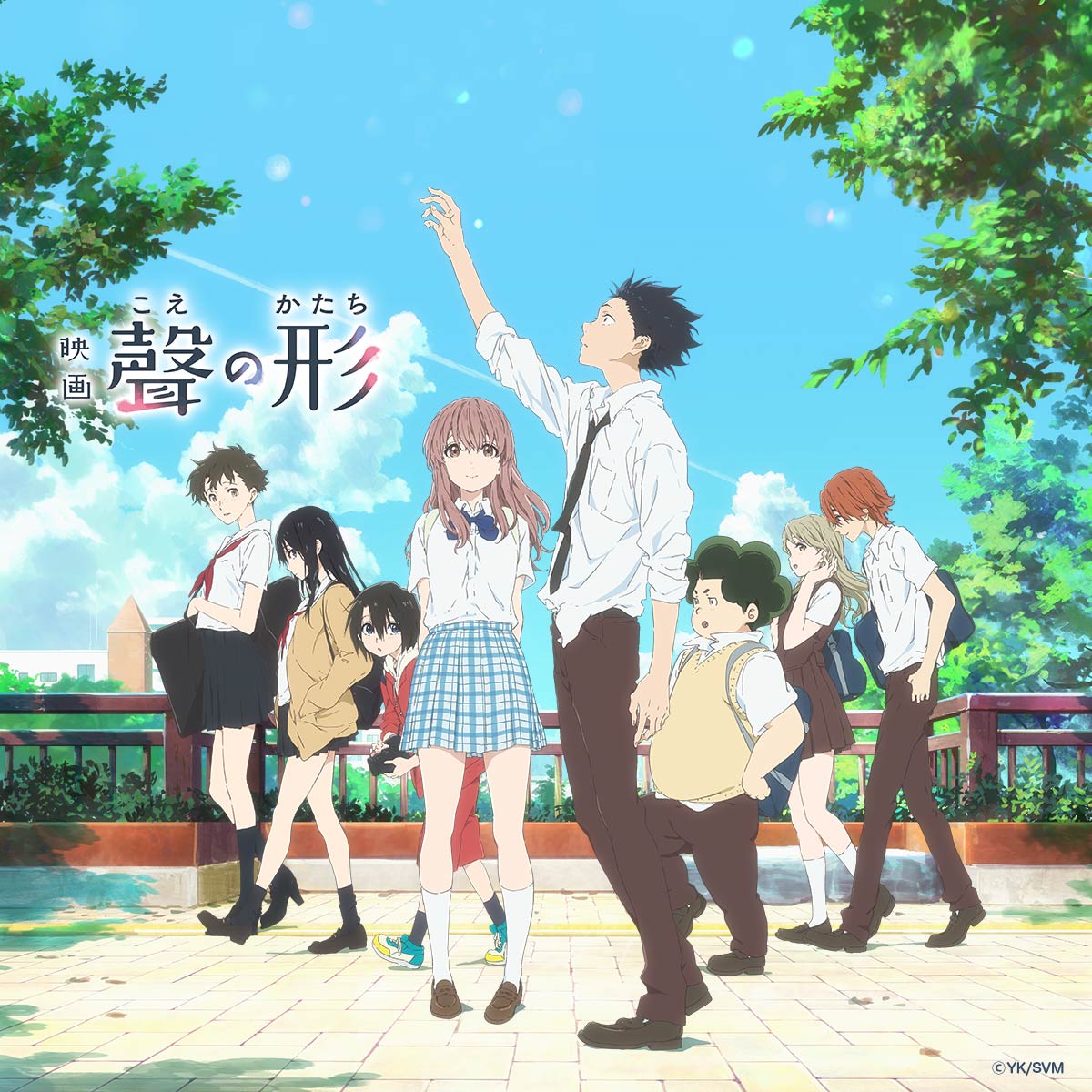
Author Yoshitoki Oima did not write Kawai as a monster, but as a lens on social self-deception. In official creator interviews published alongside the manga's conclusion, Oima explained that Kawai genuinely believes her own narrative. She does not wake up plotting deceit. Her self-preservation instinct is so deep that her mind edits history to keep her sense of self intact.
In the manga's extended school festival arc, Kawai’s self-delusion is explored in greater depth than in the Kyoto Animation film adaptation. She distributes self-congratulatory flyers, leads the paper-crane initiative, and speaks of Ishida’s recovery in ways that place her own devotion at the center of the story.
Most coming-of-age fiction requires every character to undergo a redemption arc. Oima deliberately withheld that from Kawai. By the final chapter, Shoya learns to look people in the face. Nishimiya learns to express frustration. Ueno shows fragile gestures of respect toward Nishimiya via sign language. Kawai remains identical to who she was in elementary school: perfectly coiffed, entirely convinced of her innocence, and fundamentally incapable of self-reflection. She reflects a real segment of the population that goes through life without examining their impact on others.
The Pathology of the Flawless Student
Kawai’s behavior tracks closely with clinical definitions of covert narcissism. Unlike overt narcissists who boast about superiority, covert narcissists construct an identity around helpfulness, victimization, and moral uprightness.
When Kawai tells Mashiba that she "loves herself" and that everyone should love themselves, it sounds like healthy self-esteem on paper. In practice, it operates as moral evasion. Her self-love does not coexist with accountability; it requires absolute immunity from criticism. To Kawai, admitting that she sneered at a deaf child would destroy her identity. Her mind chooses historical revisionism over psychological collapse.
Her behavior exposes bystander culpability. Legal systems and school boards frequently assign guilt to primary actors, those who throw punches or shout insults. Yet, schoolyard studies show that bullying environments collapse without passive bystanders who validate the status hierarchy. Kawai represents the administrative sweet spot: she turns in her homework on time, maintains excellent grades, and smiles at faculty. Institutions routinely reward students like Kawai while failing to notice how their casual cruelty ruins the lives of vulnerable peers.
Frequently Asked Questions (FAQ)
Q1: Did Miki Kawai ever apologize to Shoko Nishimiya?
No. Neither in the manga nor in the Kyoto Animation film adaptation does Kawai ever offer a direct apology to Nishimiya for her actions in elementary school or high school. She maintains that she only ever tried to help Nishimiya integrate into the class.
Q2: Why does Mashiba stay friends with Kawai?
Mashiba initially gravitates toward Kawai due to her outward appearance and charm. However, in the manga, Mashiba’s view of her shifts as he discovers his own shallow motivations for associating with popular students. Their connection softens into an uneasy, surface-level school friendship rather than deep trust.
Q3: What did the paper cranes symbolize in the hospital scene?
The paper cranes expose Kawai’s performative morality. Rather than providing meaningful emotional support to Ishida's grieving family, she organizes an ostentatious craft project that forces others to praise her kindness while Ishida lies unconscious from a fall she helped trigger.
The Lasting Legacy of Kawai’s Characterization
Ten years on, A Silent Voice endures because it avoids convenient moral binaries. Cruelty does not just live in alleyway brawls or crude slurs; it thrives in administrative silence, polite laughter, and self-serving tears.
Miki Kawai remains a fixture of fan frustration because she reflects an uncomfortable, everyday reality. Physical bullies like Ueno are easily identified and confronted. Reformed offenders like Ishida carry their scars openly, working through their guilt. It is the unbothered bystanders, the ones who smile in the front row, laugh at cruelty, and weep when asked to account for their choices, who navigate life completely unscathed. Kawai is hard to watch because she is entirely real.