Dramatic Hair Makeovers: The Viral K-Pop Bob Transformation Shaking Tokyo Salons

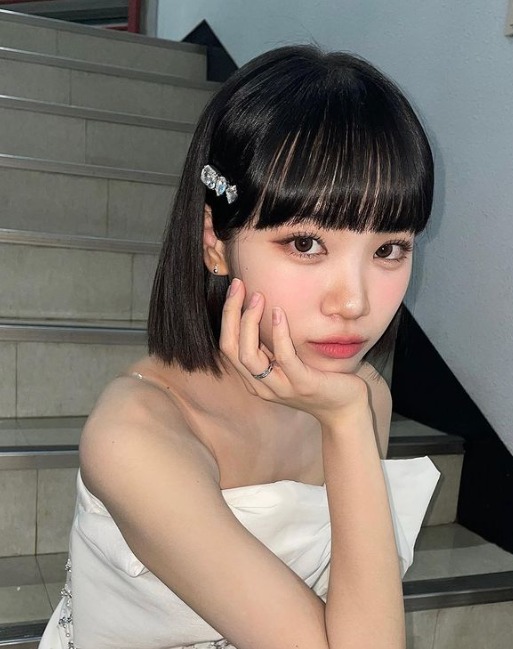
In premier styling studios across Tokyo, from the minimalist salons of Minato Ward to the trend hubs of Omotesando, clients are cutting off two feet of hair in single appointments. These transformations do not follow the rigid lines of traditional blunt bobs or the heavily shattered ends of 2000s shags. Instead, stylists are engineering a specific silhouette: the Korean idol layered bob, complete with wispy face-framing pieces, weightless perimeter texturing, and an effortless ear tuck.
According to a Yahoo!ニュース Report highlighting transformations by Tokyo-based master Keito Mochizuki (@keitomochizuki), before-and-after reels of clients ditching waist-length tresses for airy, Korean-inspired silhouettes have turned regional salon appointments into viral case studies. Stylists across the metropolis are documenting similar demand. A parallel post by Tokyo hair designer @hkr_sand clocked over 22,000 views within hours of showing a client's transition to a textured bob with sculpted side sections. The phenomenon reflects a broader aesthetic migration: Tokyo salons are acting as the technical execution engine for South Korean pop aesthetics, translating screen-ready idol visuals into wearable daily haircuts.
📌 Key Takeaways:
- The Viral Pivot: Top Tokyo stylists are driving hundreds of thousands of short-form video views by executing dramatic, long-to-short transformations rooted in Seoul's idol aesthetic.
- Architectural Differences: Unlike standard blunt bobs, the Korean idol variation relies on interior channel thinning, see-through bangs, and precise temple-layering designed specifically to tuck behind the ear.
- Everyday Maintenance: The shape requires minimal daily styling, primarily a 32mm thermal tool for light C-curls and lightweight serum, making it accessible for everyday wear.
Why Minato Ward Stylists Are Chopping Two Feet of Hair on Camera
The surge of before-and-after makeover content across Instagram and TikTok is not merely a social media gimmick; it highlights a shifting client philosophy. For years, clients throughout East Asia and Western metros maintained long, safe lengths. In 2026, social platforms have made bold transformations a statement of personal reinvention.
In Tokyo's high-rent Minato Ward, stylists like Mochizuki work with clients who have spent four to six years growing hair down to their tailbones. The salon reels capture the physical weight of that commitment being severed in one sharp shear stroke. Yet the real engagement driver is the structural contrast. The client arrives with flat, heavy strands that pull facial features downward. Thirty minutes later, strategic interior layering creates crown lift, highlights the jawline, and softens cheek contours.
This visual payoff has proven uniquely suited to vertical video algorithms. Stylists film the consultation, the initial ponytail chop, the precision wet cut, and the final 360-degree reveal under studio ring lighting. Viewers watch an overwhelmed client transform into someone who looks like she stepped straight off a music video soundstage.
Decoding the Architecture: C-Curls, Whisper Layers, and the Ear Tuck
A Korean idol bob differs sharply from both Western blunt cuts and traditional Japanese round bobs. Western cuts often emphasize stark, heavy perimeters with solid density at the jawline, such as the French bob or classic box bob. Traditional Japanese salon cuts focus heavily on crown volume and textured nape tapers.
The Korean idol aesthetic is built around three specific structural components:
First is the perimeter geometry. While the outer baseline appears blunt when resting naturally, the interior hair is softened with slide-cutting shears. This technique removes dense mass without sacrificing the clean outline, giving the cut a buoyant quality. When the wearer moves, the hair sways rather than swinging like a rigid block.
Second is the "whisper" fringe, commonly paired with see-through bangs (si-seu-ru bang). Rather than a dense fringe cut straight across the forehead, stylists isolate a tiny triangular section at the hairline, leaving the forehead partially visible beneath soft strands. Running laterally from these bangs are face-framing layers (yeop-meori) cut diagonally from cheekbone to jaw, creating an organic contour that softens rounder face shapes.
Third is the deliberate engineering of the ear tuck. When clients tuck standard short hair behind their ears, bulky side sections bunch up awkwardly. Tokyo stylists address this by carving a subtle interior shelf beneath the temple hair. This allows the primary side panels to tuck flat behind the ear cartilage while leaving two or three ultra-fine tendrils loose along the sideburn, creating an elongated neck profile.
Structural Geometry: Comparing Modern Bob Profiles
Understanding the differences between these popular haircut techniques helps prevent salon miscommunications:
| Cut Profile | Perimeter & Layering Structure | Primary Styling Tool & Effort | Best Face Shapes |
|---|---|---|---|
| Korean Idol Layered Bob | Blunt illusion perimeter, hidden interior debulking, diagonal temple fringe | 32mm curling iron or round blow-dry brush (5, 8 minutes) | Round, heart, oval, and softer jawlines |
| Western Blunt Bob | Zero interior layering, sharp 90-degree heavy baseline, uniform density | High-heat flat iron and smoothing gloss (10, 15 minutes) | Angular, high-cheekbone, oblong faces |
| Tokyo Classic Soft Bob | Rounded back taper, feathered nape, dispersed point-cutting throughout | Matte styling balm or hair milk with finger scrunching (3, 5 minutes) | Petite faces, sharp jawlines, fine hair |
The Daily Mechanics of Recreating the Idol Aesthetic at Home
Clients often worry that a dramatic salon haircut will fall flat after their first home wash. The reason this layered bob succeeds across diverse lifestyles is its structural simplicity. The haircut does the heavy lifting, reducing daily styling time to under ten minutes.
The foundational styling technique centers on the C-curl. Rather than wrapping hair entirely around an iron, which creates tight coils, stylists instruct clients to glide a 32mm barrel iron or flat iron smoothly down each section. At the final two inches above the collarbone, turn the wrist inward in a single, fluid arc. This generates an inward-turning curve that frames the throat and neck.
Product selection makes a tangible difference:
- Lightweight botanical oil: Heavy waxes collapse the internal layering. Two drops of lightweight plant-derived oil (such as Japanese yuzu or camellia oil) worked through towel-dried ends provide clean separation without greasiness.
- Root-lift spray or dry texture mist: Spritzed directly at the crown, it counteracts the flattening effect that often plagues straight Asian hair textures.
- Velcro roller for fringe: Placing a 40mm Velcro roller into the see-through bangs while doing morning skincare sets the root lift naturally, requiring zero direct heat.
Once dry, the client tucks one or both sides behind the ears, pulling forward only the ultra-fine temple strands. The look appears styled and polished, yet relaxed.
Density Realities: Ideal Profiles and Texture Caveats
While the visual appeal is undeniable, this cut behaves differently across distinct hair textures. Understanding these limitations prevents disappointing salon visits.
Ideal Profiles:
Clients with medium to thick straight hair, or soft Type 2A waves, get the most out of this cut. Natural density provides enough hair to carve out internal air pockets while maintaining an apparently solid perimeter. The cut is also well-suited for fine hair that tends to hang limp when worn long, as shedding significant weight restores natural root volume.
Texture Caveats:
For those with coarse hair, strong cowlicks at the nape, or tighter curl patterns (Type 3A through 4C), the cut requires structural adaptations. Dense, frizzy strands can balloon outward when cut short unless paired with a salon smoothing treatment or a Korean down-perm (daun-peom). A down-perm chemically relaxes hair at the nape and temples so it lies flat against the skull. Without this step, an ear-tuck bob on highly textured or coarse hair may puff out, losing its sleek, music-video profile.
In Tokyo, standard cut and styling services run between ¥7,000 and ¥15,000 ($45 to $100). Incorporating a down-perm or perimeter straightening adds roughly ¥6,000 to ¥12,000 to the ticket price.
Frequently Asked Questions (FAQ)
Q1: What exact terms should I tell my stylist to get this specific bob?
A1: Bring reference photos showing both the front profile and the side profile with hair tucked behind the ear. Request a "Korean-style layered bob with interior debulking," ask for "see-through bangs with face-framing temple tendrils," and specify that you want a clean perimeter that still moves lightly when curved inward with an iron.
Q2: How often does a Korean idol bob require salon maintenance?
A2: Because this silhouette relies on precise cheekbone framing and perimeter balance, maintenance appointments are best scheduled every 6 to 8 weeks. If you wear see-through bangs, you will likely need a fringe trim every 3 to 4 weeks, which most salons offer as a quick, low-cost walk-in service.
Q3: Will cutting my waist-length hair to this length make my round face look wider?
A3: When cut correctly, it has the opposite effect. The diagonal face-framing layers and sideburn tendrils break up cheek width, drawing the viewer's eye down toward the center of the chin. The ear-tuck geometry accentuates neck length, creating a lighter, more contoured overall appearance.
The Global Trajectory of East Asian Hair Trends
The viral rise of Tokyo's Korean-inspired haircut makeovers shows how beauty trends move across borders. Seoul creates the visual pop culture and character aesthetics through high-budget music videos and television productions. Tokyo's salon community refines the cut's everyday geometry, tailoring those styles into wearable, low-maintenance shapes.
By stripping away the stiffness of conventional bobs and replacing it with responsive, featherlight layering, this approach provides a balance of structure and softness. As these viral makeovers continue to populate social feeds worldwide, the K-pop layered bob has moved beyond a fleeting social media trend, establishing itself as a standard cut for women seeking a clean break from long hair.