Everything to Know About Classroom Cleaning Duty in Chibi Maruko-chan: Characters, Rules, and Lore
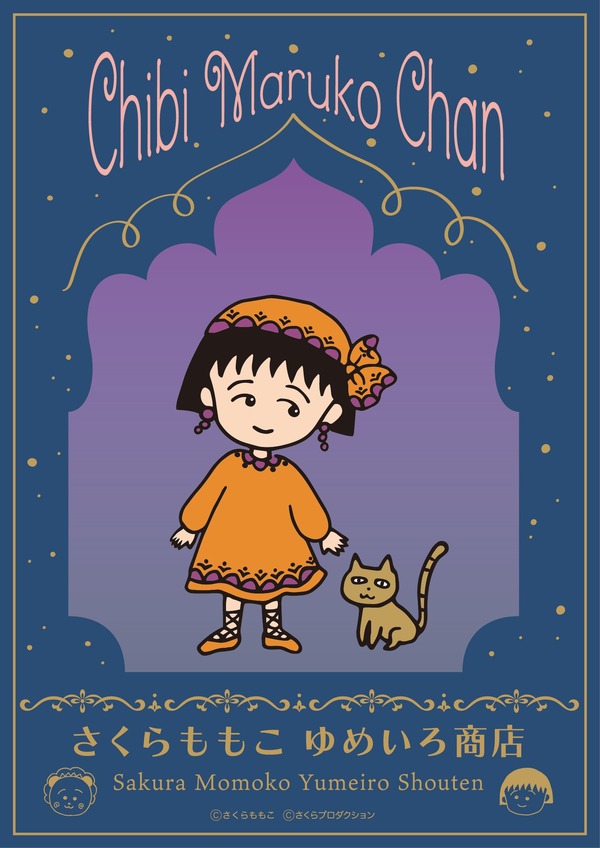
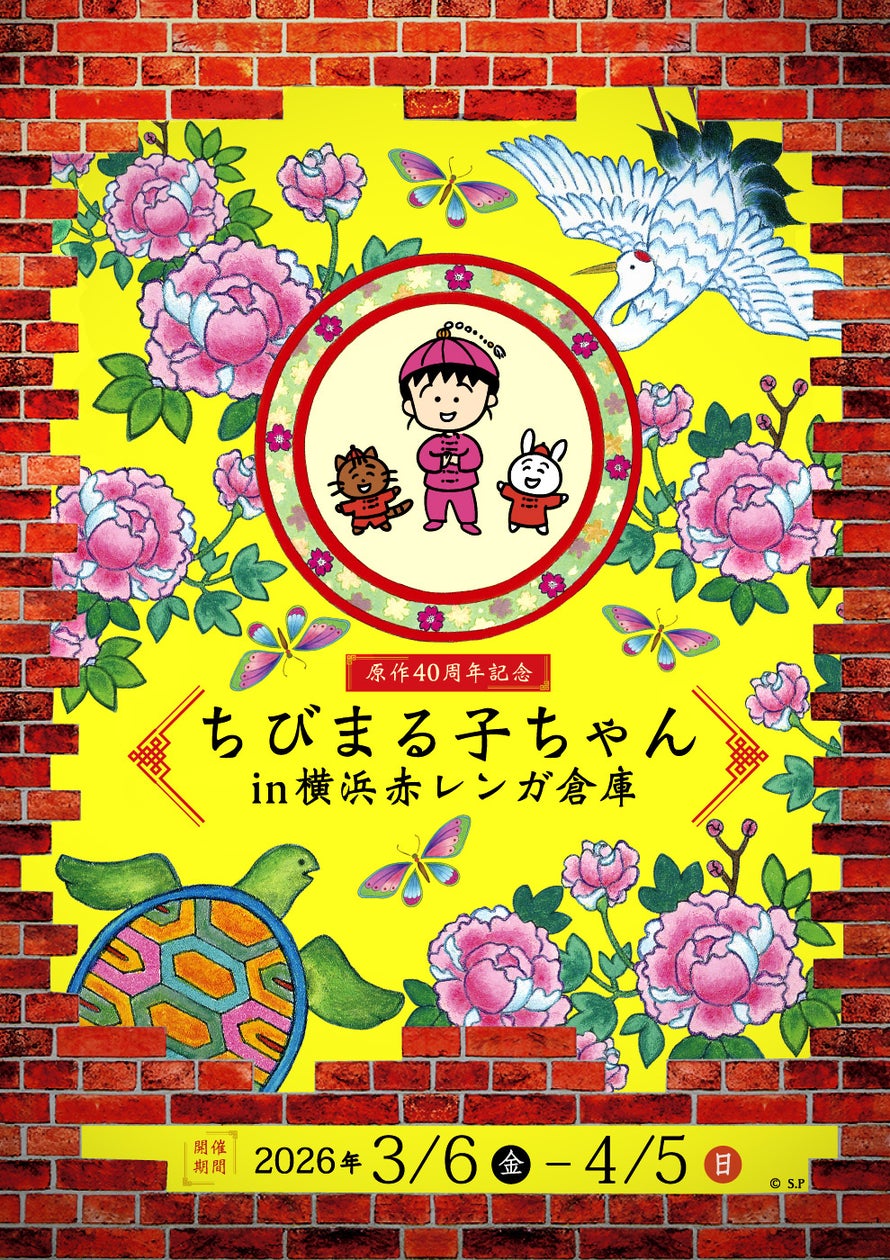
Forty years after Momoko Sakura first published Chibi Maruko-chan in the pages of Ribon, the series continues to hold a mirror up to the chaotic texture of Japanese childhood. As nationwide 40th-anniversary showcases sweep venues from Yokohama Red Brick Warehouse to Osaka Takashimaya, audiences are revisiting the series' sharpest comedic engine: the micro-politics of the Showa-era elementary school classroom. While milestone anime broadcasts have sent third-grader Maruko into imaginative adventures with classic storybook figures, as highlighted in a broadcast preview by the アニメ!アニメ!Anime Anime Report, the beating heart of the series remains grounded in mundane daily rituals. None captures that reality quite like the dreaded afternoon cleaning period.
Every afternoon at Shimizu Municipal Irie Elementary School, the bell sounds, books slam shut, and Class 3-4 transforms into a battleground of clattering wooden desks, damp rags, and frantic evasion tactics. In the Japanese school system, this ritual is known as o-souji. In Maruko’s hands, it becomes an exercise in creative procrastination, surveillance warfare, and generational nostalgia.
📌 Key Takeaways:
- The Core Mechanism: Japanese elementary school souji operates without janitors, placing collective classroom maintenance directly onto rotating student duty rosters.
- The Comedic Tension: Class 3-4 cleaning periods pit Maruko’s instinct for slacking off against the obsessive, election-hungry surveillance of class president Maruo Sueo.
- Momoko Sakura's Satire: The series subverts the romanticized civic ideal of Japanese cooperative labor by exposing the universal childhood desire to do as little work as humanly possible.
The Cultural Blueprint of O-Souji in Japanese Classrooms
To understand the comedy of Class 3-4, one must understand the institutional weight of o-souji (cleaning duty) in postwar Japan. Unlike Western schools where facilities staff handle custodial labor, Japanese primary education treats cleaning as a core moral subject under the national curriculum's "special activities" banner. Students sweep halls, wipe down blackboards, scrub washrooms, and haul trash. The stated pedagogical goal is holistic: cultivating humility, communal responsibility, and ownership over shared spaces.
The daily ritual follows a rigid choreography. Desks are lifted and slid to the back of the room to clear the floor. Students assigned to the broom and dustpan routine sweep in tandem. Those on rag duty (*zokin-gake*) drop to their knees and sprint across the hardwood floor, pushing wet cloths ahead of them. Finally, desks are shifted back to precision rows. It is an impressive display of coordinated public duty, provided the children involved are willing to cooperate.
Class 3-4 Duty Roster: Desks, Brooms, and Maruo’s Watchful Eye
In Class 3-4, order exists only on paper. The rotating chore roster hangs on the wall, dividing students into small teams responsible for sweeping, wiping, the blackboard, or the trash bins. Maintaining this system requires an enforcer, and the universe provides one in Maruo Sueo.
Maruo, the hyper-ambitious class president whose spiral glasses mask deep political paranoia, treats cleaning time as a direct referendum on his leadership. Any dropped dustpan or dry sponge threatens his bid for re-election. His standard operating procedure involves stalking the aisles, pointing a trembling finger, and delivering his trademark interrogation: "Are you doing your job properly? My class presidency depends on you!"
This creates an ongoing clash between institutional pressure and sheer apathy. While conscientious students like class representative Noguchi or studious peers quietly scrub their stations, Maruo’s aggressive micromanagement backfires constantly. It drives fence-sitters like Maruko into active resistance, turning simple broom duty into a game of hide-and-seek behind chalkboard dividers.
Slacking Off: How Maruko and Tama-chan Master Avoidance
Momoko "Maruko" Sakura is an artist of low-effort survival. When the cleaning bell rings, her primary goal is expending the absolute minimum energy required to avoid detention or Maruo's public scolding. Paired frequently with her level-headed best friend Tama-chan (Megumi Honami), Maruko treats the chore period as an open-ended social hour.
Slacking off during cleaning time takes several familiar forms:
First is the "perpetual duster" maneuver. Armed with a broom, Maruko stands in a corner, lightly tapping the floorboards while gossiping about television specials or neighborhood eccentricities. To a passing teacher, the posture mimics active sweeping; in practice, not a single dust bunny moves. Second is the discovery trap. The moment desks are shoved backward, Maruko reliably spots a stray comic strip scrap, an unusual pebble, or a dropped pencil topper under a floorboard, prompting an immediate fifteen-minute investigation that completely halts the room's workflow.
Tama-chan functions as the reluctant straight-man to these schemes. While she attempts to keep Maruko on track to avoid a confrontation with Maruo, she inevitably gets pulled into Maruko’s slow-paced philosophizing. The contrast between Tama-chan’s quiet anxiety and Maruko’s cheerful indifference drives the narrative rhythm of their scenes.
Class 3-4 Cleaning Roles and Daily Realities
The dynamic of elementary school cleaning relies heavily on the specific chore assigned on the weekly wheel. Different tasks offer wildly different levels of visibility, physical exertion, and opportunities for evasion.
| Duty Assignment | Required Labor | Class 3-4 Comic Reality | Maruo Risk Factor |
|---|---|---|---|
| Blackboard Duty | Beating chalk erasers, washing down slate with damp cloths. | Erasers are tapped rhythmically out windows, sending chalk clouds into the courtyard below. | Low. High visibility makes faking effort easy from a distance. |
| Floor Sweeping | Pushing straw brooms under rows, collecting debris in metal dustpans. | Brooms become microphones, witch props, or walking sticks during extended conversations. | Moderate. Maruo frequently checks dustpan contents for proof of work. |
| Rag Duty (*Zokin-gake*) | Wringing cloths in freezing bucket water, sprint-wiping wooden planks. | Boys stage drag races across wet wax; Maruko complains bitterly about cold water on winter mornings. | High. Dry rags instantly reveal uncompleted work to inspectors. |
| Desk Moving | Lifting heavy wooden desk-chair pairs to clear floor space. | Desks get dragged with screeching noises; students hide inside desk clusters to avoid new tasks. | Critical. Bottlenecks immediately draw Maruo’s shrieking interventions. |
Momoko Sakura’s Satire of Collective Responsibility
The genius of Momoko Sakura’s writing lies in her refusal to sentimentalize childhood. Postwar Japanese media frequently treated school duties as character-building exercises where students learned solidarity through honest sweat. Sakura, drawing from her real childhood in 1974 Shimizu, Shizuoka Prefecture, offered an unsentimental antidote.
Classroom chore responsibility in Chibi Maruko-chan is not a celebration of civic harmony; it is a miniature bureaucracy. It contains the exact same social types found in an adult office: the overzealous middle-manager (Maruo), the quietly competent worker bee (Tama-chan), the indifferent slacker (Maruko), and the chaotic wildcards (Ono and Sugiyama, who turn floor-wiping into competitive athletics).
By exposing the gap between the school's high-minded collective ideals and a child’s instinctive laziness, Sakura created comedy that crossed generational lines. Adults recognized their own past shortcuts, while younger viewers found relief in seeing a protagonist who was flawed, tired, and deeply reluctant to touch a dirty dustcloth.
Frequently Asked Questions (FAQ)
Q1: Why do Japanese elementary school students clean their own classrooms instead of janitorial staff?
The practice, called o-souji, is rooted in the Japanese educational philosophy of tokkatsu (special activities). The Ministry of Education incorporates custodial chores into the school day to teach self-reliance, respect for shared public property, and social equality, intentionally eliminating the separation between students and custodial workers.
Q2: Is the dynamic between Maruko and Maruo during cleaning based on real events?
Yes. Momoko Sakura based Chibi Maruko-chan on her actual elementary school years in the early 1970s. Maruo Sueo is a caricatured version of real-life class presidents who took their supervisory duties to absurd, stressful extremes under the school's monitoring systems.
Q3: What tools are traditionally used during Showa-era classroom cleaning in the anime?
Students use traditional tools of the 1970s: straw-bristle brooms (*houki*), tin or plastic dustpans (*chiritori*), handmade cloth rags sewn from discarded towels (*zokin*), and metal bucket washbasins. The anime faithfully depicts how winter cleaning in unheated Showa schoolhouses made rinsing rags in icy tap water a dreaded chore.
Why the Chalk Dust and Clattering Desks Still Resonate
Four decades into the franchise's run, the afternoon cleaning scenes of Class 3-4 remain some of the most replayed sequences in Japanese television history. Their staying power does not rely on dramatic plot twists or high-concept storytelling. It rests on sensory truth: the smell of floor wax drying on old planks, the screech of metal chair legs across wood, and the frantic scramble to look busy the moment footsteps approach the classroom door.
In capturing Maruko's desperate efforts to evade a single dustpan full of dirt, Momoko Sakura preserved a universal truth of human nature. No matter how meticulously a society designs its civic rituals, there will always be an eight-year-old in the back corner leaning on a broom, waiting for the final bell to ring.