Fact-Check: Does the New Attack on Titan Art Book Change the Ending?
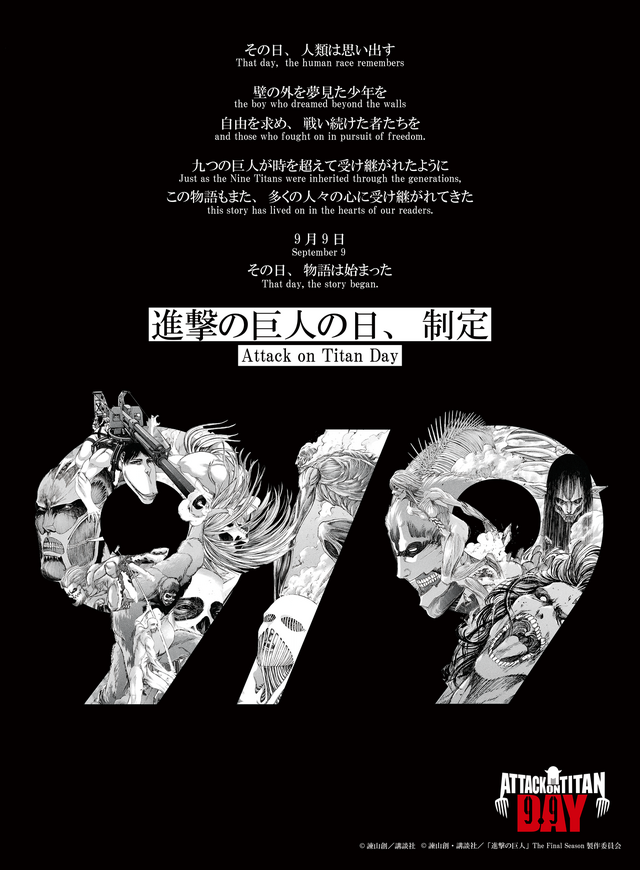
When Kodansha announced the definitive art book Attack on Titan FLY, global fandom erupted into wild speculation. Social media threads quickly filled with claims that creator Hajime Isayama was secretly preparing an alternate conclusion to replace the divisive 2021 climax. Retail listings promised a mysterious booklet labeled "Volume 35," accompanied by an 18-page original comic. According to an IMDb Report covering the release, this bonus manuscript marked Isayama's first narrative manga work since the original serial run concluded. The reality behind these illustrations paints a very different picture than the fan theories suggested.
📌 Key Takeaways:
- Canon Status: The extra 18 pages do not alter or retcon the Eren Jaeger finale; the original ending remains intact across all official media.
- Narrative Focus: Titled "Bad Boy," the new chapter serves entirely as a Levi Ackerman backstory, detailing his childhood survival and maternal loss in the Underground district.
- Collector Scope: The Attack on Titan FLY package functions as an archival art collection containing over 200 full-color Shingeki no Kyojin illustrations, reproduction manuscripts, and physical universe artifacts.
The Origin of the Volume 35 Rumor Mill
The rumor cycle started the moment Kodansha revealed that pre-orders for the luxury art book would include an exclusive bonus booklet titled Attack on Titan Volume 35. Fans who felt alienated by Chapter 139 jumped to immediate conclusions. Many expected an "Anno-style" reimagining reminiscent of The End of Evangelion, or an expansion of the grim future war glimpses added to the final tankōbon release.
Online forums amplified these assumptions for months. Speculation ran rampant across Reddit and X, fueled by rough translations of Japanese promotional flyers. Readers parsed every tweet from editor Shintaro Kawakubo looking for hidden clues about timeline resets or narrative divergences.
The speculation overlooked Isayama’s explicit creative statements. During international appearances in 2022 and 2023, the author repeatedly expressed exhaustion with the main narrative arc while acknowledging the emotional toll the final chapters took on him. He had no desire to reopen Eren's overarching storyline. Instead, the art book presented an opportunity to complete an archival retrospective and revisit a dangling, intimate character thread he had shelved years prior.
Inside "Bad Boy": Levi Ackerman's Childhood in the Underground
Rather than upending the canonical ending, the 18-page short story titled "Bad Boy" turns back the clock decades before Wall Maria fell. The narrative centers entirely on young Levi Ackerman trying to survive in the sunless Underground following the death of his mother, Kuchel.
The story documents Levi’s formative trauma through sparse dialogue and heavy visual storytelling. Readers watch a starved, feral child scavenging through garbage heaps and learning how to wield a rusted blade to fend off adult predators. Isayama uses these panels to establish the origin of Levi's compulsive cleanliness, his signature reverse-grip knife style, and the psychological defense mechanisms that defined his adulthood in the Survey Corps. Kenny Ackerman appears briefly, fulfilling his role as a brutal, detached mentor who teaches the boy basic survival skills before abandoning him.
The emotional core of the chapter revolves around an old tea set. Levi attempts to barter stolen goods to secure hot water and loose tea leaves, offering readers the canonical origin of his lifelong obsession with black tea. The story carries zero military grand strategy or Titan warfare. It is a quiet, brutal, and deeply human character study that enriches Levi's established persona without disrupting a single event in the main chronology.
Deconstructing the Official Art Book Package and Release Timeline
The release of Attack on Titan FLY marked the transition of the franchise from an active serialization into a historical monument. Priced at approximately 20,000 yen (roughly $140, $150 USD at release), Kodansha aimed the compilation strictly at serious collectors rather than casual manga readers.
The box set bundled several high-end physical items alongside the bound artwork, including precision replicas of the key to the Jaeger cellar and Mikasa's embroidered scarf. To understand how the product rolled out and what each component delivered, examine the production timeline below.
| Date | Release / Milestone | Content & Impact |
|---|---|---|
| September 2023 | Project FLY Unveiling | Kodansha opens pre-orders; teases the 18-page Volume 35 booklet, sparking instant alternate ending rumors. |
| November 2023 | Anime Finale Broadcast | MAPPA's final special adapts Chapter 139 with polished dialogue, reaffirming the canonical ending globally. |
| April, May 2024 | Official Art Book Delivery | Subscribers receive the 200-page book; "Bad Boy" confirms a pure Levi prequel, definitively debunking ending retcons. |
| November 2024 | Theatrical Omnibus Release | The compiled film version introduces minor post-credits comedic audio without altering narrative canon. |
The book contains full-color illustrations spanning Isayama’s entire twelve-year run, alongside original draft sketches and exhaustive creator commentary. It organizes the visual evolution of the series chronologically, contrasting Isayama’s unpolished early work in 2009 with the hyper-detailed linework of the final war arcs.
Why the Eren Jaeger Finale Stays Untouched
Isayama has stood firm on his conclusion despite fierce fan pushback. The anime adaptation handled by MAPPA refined specific lines between Armin and Eren in the Paths, softening clunky phrasing from the magazine release. Yet the broad narrative beats never wavered: the Rumbling destroys eighty percent of global humanity, the Titan curse evaporates, and Paradis Island faces militarization before succumbing to warfare generations later.
The persistent demand for an alternate ending stems from how contemporary fandom engages with serialized media. Viewers increasingly expect branching narratives or multiverse pivots when a story refuses to provide emotional catharsis.
Isayama’s artistic philosophy rejects that design. His postscript essays emphasize cyclical historical conflict and the inescapable consequences of individual choices. Reversing the ending via an expensive art book would have cheapened the thematic weight of the entire series. Kodansha and Isayama chose instead to keep the finale definitive, treating Attack on Titan FLY as an artistic archive rather than an editorial patch.
How Official Illustrations Reshape Long-Term Canon
Even without altering the ending, the archival illustrations provide indispensable context for the lore. The high-resolution reproduction of Isayama's original draft pages demonstrates how early plot points evolved before publication.
Side-by-side comparisons reveal that several iconic scenes, including the basement reveal and Erwin Smith's final charge, underwent drastic compositional changes. Isayama originally drafted more conventional action layouts before shifting to wide, horror-inspired panels influenced by historical war photography.
The art book also clarifies visual motifs that puzzled readers for years. Colorized spreads confirm atmospheric details about the Paths, the physical mutations of the Founding Titan, and the precise uniforms worn during the Mid-East Allied forces campaign. By isolating these visuals from dialogue bubbles, Attack on Titan FLY lets readers appreciate Isayama's growth as an illustrator, a dimension of his craft that was frequently overshadowed by narrative discourse during serialization.
Frequently Asked Questions (FAQ)
Q1: Does the "Volume 35" booklet change what happens to Eren, Mikasa, or Armin?
A1: No. The booklet contains only the standalone prequel chapter "Bad Boy," which focuses exclusively on Levi Ackerman's childhood in the Underground district. It does not depict or alter the events of the final battle or the series finale.
Q2: Is the "Bad Boy" manga chapter considered official canon?
A2: Yes. The chapter was written and illustrated entirely by Hajime Isayama and published directly by Kodansha as an official canonical expansion of Levi Ackerman’s backstory.
Q3: Will the 18-page Levi chapter receive an anime adaptation?
A3: Studio MAPPA and Kodansha have announced no plans to animate "Bad Boy." It remains an exclusive printed bonus bundled inside the physical *Attack on Titan FLY* collector set.
The Permanent Legacy of Isayama's Complete Canvas
The release of Attack on Titan FLY marks the formal closure of Hajime Isayama’s creative engagement with the Titan universe. The wild rumors of retcons and alternate timelines proved unfounded, showing that the author never intended to walk back the controversial choices that defined his final chapters. The book serves as a monument to an uncompromising artistic vision. Readers seeking an alternate resolution will not find it here; instead, they receive an unvarnished record of a decade-long narrative experiment, punctuated by one final, intimate look at the tragedy that forged its most enduring soldier.