Fact Check: Who Really Created the 8-Bit and Modern 3-Minute Cooking Covers?
Few melodies penetrate the collective consciousness of Japan quite like the jaunty brass march of the Kewpie 3-Minute Cooking theme. Broadcast daily since December 1962, the syndicated program, split between flagship productions at Nippon Television Network (NTV) and Chubu-Nippon Broadcasting (CBC Television), has accompanied generations of home cooks preparing lunch. In recent years, however, the song migrated from analog television sets into algorithmic feeds. Viral social clips of sleeping pets bolting awake at its opening notes, retro Famicom-style chiptune bootlegs, and dynamic jazz-rock reworkings by piano instrumentalist ADAM at have triggered widespread curiosity online about who actually recorded these alternate renditions, as detailed in an archival livedoor ニュース Report documenting the band's studio origins.
Online confusion runs deep. Casual listeners frequently mistake official network arrangements for video game soundtracks, while hobbyist 8-bit tributes on YouTube and Niconico are routinely misattributed to commercial studio releases. Unraveling the lineage of these covers reveals how a pre-war German operetta march transformed into an indelible Japanese commercial jingle, an indie jazz staple, and a chiptune subculture obsession.
📌 Key Takeaways:
- The Classical Foundation: The iconic theme is not an original corporate jingle; it is an arrangement of the 1905 classical work "Parade of the Wooden Soldiers" by German composer Leon Jessel.
- The Instrumental Reinvention: Keyboardist ADAM at cut an acclaimed jazz-rock instrumental cover for the 2019 studio album Twilight Syndrome after discovering a creative connection through CBC Radio programming.
- The 8-Bit Chiptune Origins: Retro Famicom sound remakes circulating across social media stem primarily from the Japanese chip-music scene and compilation releases rather than an obscure vintage Nintendo cartridge.
From 1905 Berlin to Japanese Television: The Leon Jessel Origin
Before the music became synonymous with mayonnaise and quick weekday meals, it belonged to European light classical theater. German composer Leon Jessel wrote the piece in 1905 under the title Die Parade der Zinnsoldaten (Opus 123), later known across the English-speaking world as "Parade of the Wooden Soldiers." The tune traveled through Broadway revues and early animated shorts, including a 1933 Betty Boop cartoon, before Japanese television producers picked it up during the postwar broadcasting boom.
When Nippon Television launched Kewpie 3-Minute Cooking in December 1962, followed shortly by CBC Television's central Japan feed in December 1963, the show required a cheerful, recognizable signature tune. Jessel's crisp, staccato march fit the rhythm of precise kitchen prep work. While the two networks maintain distinct hosts, kitchen sets, and recipe archives, both broadcasts share the march, firmly cementing it into Japanese household routines for over six decades.
Over the decades, Kewpie Corporation leaned heavily into the melody across its brand identity. Commuters stepping off trains at Sengawa Station on Tokyo's Keio Line hear a custom train approach melody chiming the exact tune. Kewpie operates its Mayo Terrace interactive facility and corporate research facilities in the immediate Sengawa neighborhood, turning a simple public transit chime into a geographic branding anchor.
ADAM at and the Jazz-Rock Revival on CBC Radio
The most prominent contemporary instrumental cover belongs to ADAM at, the dynamic piano-led session outfit fronted by keyboardist and composer Adam. The band introduced their high-energy, syncopated take on the theme on their fifth studio album, Twilight Syndrome, released on June 19, 2019, through Victor Entertainment.
The track materialized through real-world broadcasting relationships rather than corporate boardroom marketing. Speaking during a broadcast of CBC Radio's Dora-damashii King on July 3, 2019, Adam detailed how the arrangement came together. CBC Television, which produces its own version of 3-Minute Cooking alongside NTV's Tokyo version, serves the Tokai region where ADAM at frequently toured and broadcast. During discussions surrounding the recording sessions for Twilight Syndrome, the idea emerged to adapt CBC's signature daytime tune into the band's fast-paced, groove-heavy instrumental framework.
The result preserved Jessel's melodic core while replacing martial snare rolls with driving drum grooves, slap-bass accents, and blues-infused piano runs. It exposed the cooking show theme song history to festival-going rock and jazz audiences across Japan, charting on digital platforms and proving that the century-old composition held rhythmic legs outside daytime cooking television.
Tracking Down the Mysterious 8-Bit Chiptune Remakes
Internet users across Japanese forums like 5channel and global platforms like Reddit frequently ask a recurring question: what game did the "8-bit Famicom 3-Minute Cooking song" actually come from? The search often leads into false leads, with listeners guessing old cooking titles like Oishinbo or Namco arcade classics.
The reality is that no licensed 1980s Famicom game used the Kewpie theme as an official soundtrack. Instead, the 8-bit sound remakes emerged from two distinct sources:
- The DTM and Chiptune Indie Scene (2000, 2010): With the rise of Niconico Douga and Japanese MIDI communities, arrangers recreated iconic television themes using strict 2A03 synthesizer limitations, the precise sound chip used in Nintendo's Famicom. Tracks built by hobbyist chiptune artists replicated the distinctive two-pulse-wave, triangle-wave, and noise-channel architecture of 1983 Nintendo hardware.
- Commercial Novelty Compilations: Japanese record labels capitalized on retro gaming nostalgia during the mid-2000s, commissioning chiptune producers to arrange variety show themes and commercial jingles. CD Journal documented inquiries from listeners seeking the exact studio album behind specific synthesized versions broadcast on regional radio and television variety segments.
These digital covers gained renewed momentum through short-form video algorithms. Creators on TikTok and YouTube Shorts routinely layer the square-wave chiptune melody over fast-cut recipe videos, creating the illusion that Nintendo produced an official cooking cartridge in 1986.

The Cultural Reach of the Theme Across Media
| Arrangement / Adaptation | Primary Artist / Origin | Release / Debut | Cultural Platform |
|---|---|---|---|
| Original Composition | Leon Jessel | 1905 | German operetta & classical concert march |
| Broadcast Theme (NTV / CBC) | Network Studio Orchestras | 1962, Present | Daily noon culinary broadcast across Japan |
| Train Approach Melody | Keio Electric Railway & Kewpie | 2016 | Sengawa Station commuter platform jingle |
| Jazz-Rock Instrumental | ADAM at | June 2019 | Studio album Twilight Syndrome (Victor Ent.) |
| Famicom 8-Bit Chiptunes | Various indie DTM arrangers | 2006, Present | Niconico, YouTube retro remixes & TikTok clips |
The Pavlovian Reflex: Viral Pets and Algorithmic Resurgence
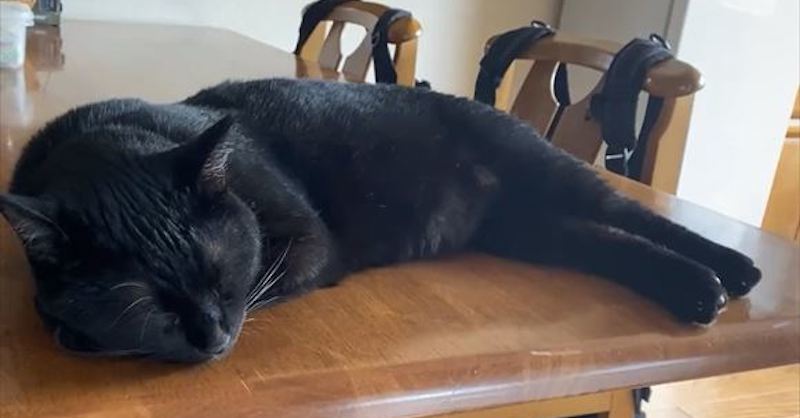
The melody's cultural footprint extends beyond human nostalgia into animal behavior. In August 2022, an ITmedia report highlighted a viral video posted on X (formerly Twitter) featuring a sleeping black cat that instantly sat upright the exact millisecond the 3-Minute Cooking theme began playing on television. The clip racked up over 17,000 retweets and 70,000 likes within days, prompting hundreds of pet owners to post identical clips.
Because the program airs during lunchtime across dozens of regional networks, house pets associate the trumpet fanfare with family members heading into the kitchen to prepare food. The track operates as a national Pavlovian trigger.
Creators have leaned into that automatic recognition. On streaming platforms, search queries for "3 分 クッキング 曲" spike whenever television specials parody the show's format or when rhythm game players upload full combo runs of community-made chiptune charts. The tune exists in a rare sweet spot: complex enough to allow virtuosic reinterpretations, yet simple enough to remain instantly identifiable within three notes.
Intellectual Property and Public Domain Mechanics
The proliferation of these covers relies heavily on international copyright dynamics. Leon Jessel died in Berlin in January 1942. Under standard international copyright laws observing the "life of the author plus 50 or 70 years" term, Jessel’s original composition entered the public domain across most territories by the late 20th century.
This legal status cleared a path for creators. Bands like ADAM at, independent synthesizer programmers, and commercial railway engineers could arrange the base melody without paying composition royalties to Jessel’s estate, needing only to register their specific derivative arrangements.
However, corporate branding creates a parallel barrier. While the underlying notes of "Parade of the Wooden Soldiers" remain public domain, the trademarked brand name Kewpie 3-Minute Cooking and its distinctive dancing baby mascot remain vigorously protected by Kewpie Corporation. Arrangers release their musical works under titles like "Parade of the Wooden Soldiers" or explicitly partner with regional networks, as ADAM at did via CBC, to avoid trademark infringement.
Frequently Asked Questions (FAQ)
Q1: What is the official title of the Kewpie 3-Minute Cooking theme song?
A1: The original classical composition is "Parade of the Wooden Soldiers" (German: Die Parade der Zinnsoldaten, Op. 123), composed by Leon Jessel in 1905.
Q2: Did ADAM at officially release their cover of the cooking theme?
A2: Yes. The instrumental band ADAM at included their official jazz-rock arrangement on their fifth full-length studio album, Twilight Syndrome, released by Victor Entertainment on June 19, 2019.
Q3: Is the 8-bit version from an official Nintendo Famicom game?
A3: No. There is no official vintage Famicom cooking cartridge featuring the song. The 8-bit versions circulating online are homebrew chiptune arrangements produced by independent digital music arrangers and novelty compilation producers recreating the NES 2A03 sound chip profile.
Q4: Why does Sengawa Station play the 3-Minute Cooking melody?
A4: Keio Electric Railway introduced the melody at Sengawa Station in Tokyo because Kewpie Corporation operates its Mayo Terrace consumer facility and major corporate research offices directly adjacent to the station.
The Staying Power of a Television Landmark
Music written for modern television usually burns bright before fading behind newer marketing campaigns. Jingles are designed to be disposable. Yet Leon Jessel’s 1905 march avoided that fate by embedding itself into the structural rhythm of midday Japanese life.
By passing between formal network orchestrations, regional train stations, YouTube chiptune workshops, and sweaty rock clubs, the 3-Minute Cooking theme remains remarkably vital. Its modern lifespan proves that when an infectious melody meets unconstrained artistic reimagining, century-old sheet music can continue finding fresh life across any sound chip or concert stage.