Fact-Checking Asada Ladies Clinic Nagoya: Are Harsh Reviews Justified or Exaggerated?
Few fertility centers in central Japan spark as much intense debate as Asada Ladies Clinic Nagoya. For patients navigating infertility across Aichi Prefecture, the clinic is routinely described in two contradictory ways: a cutting-edge laboratory powerhouse that delivers results when other centers fail, and an emotionally detached medical factory where consultations feel rushed. When prospective parents comb through Japanese forums and review aggregators, the sharp divide in feedback creates immediate hesitation. Dr. Yoshimasa Asada, the clinic's founder, has long prioritized empirical laboratory science over traditional clinical bedside manner, establishing a treatment philosophy that alienates some patients while drawing thousands of others from across the country.
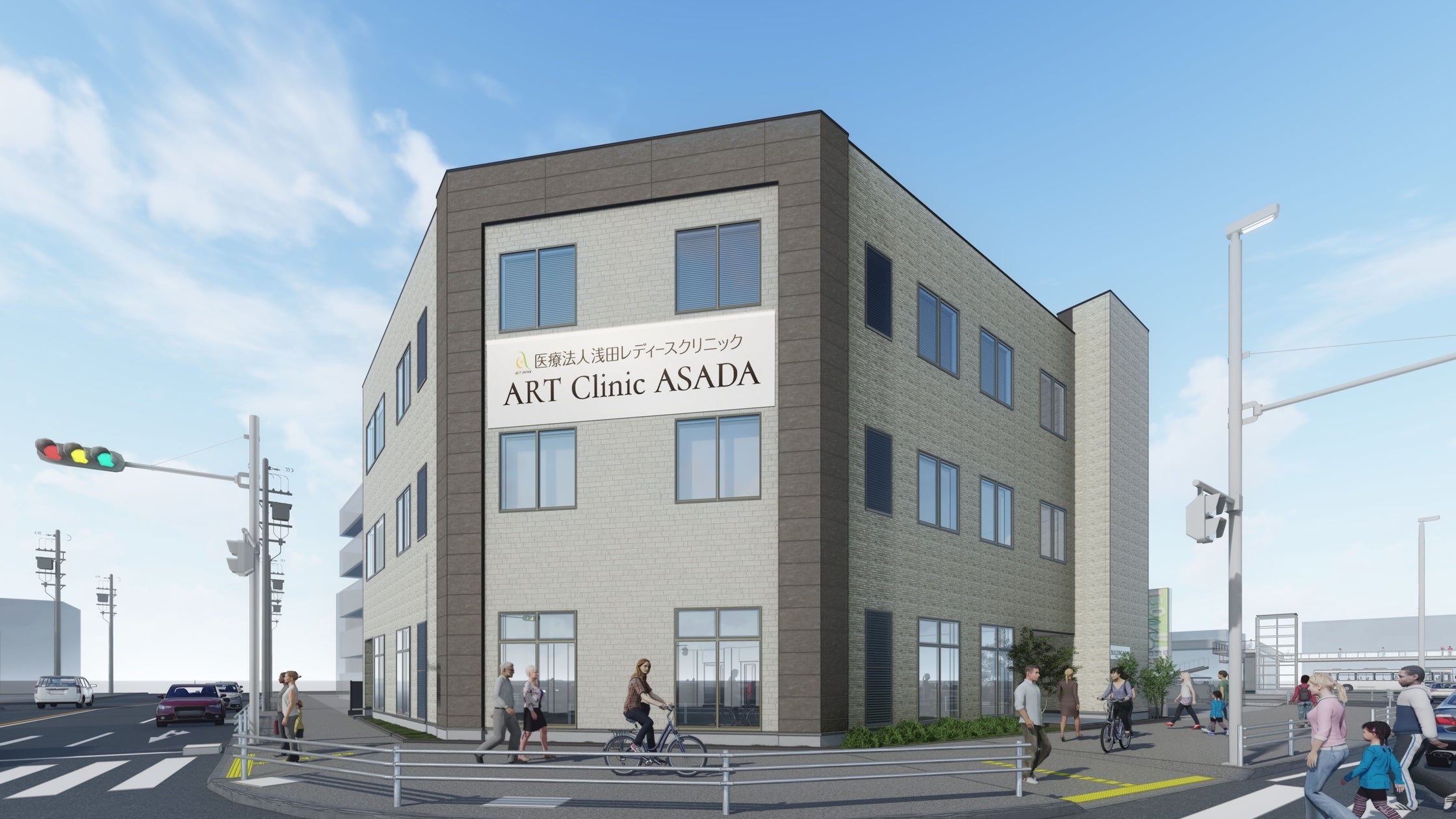
The scrutiny surrounding the institution intensified as the medical group expanded operations, a transition documented in an official PR TIMES Report detailing the opening of their fourth specialized facility in Okazaki. As public interest grew, so did the volume of polarized testimonials regarding consultation wait times, billing clarity, and physician communication styles. Separating internet hyperbole from clinical reality requires examining how this clinic functions on the ground, how its laboratory protocols operate, and whether its clinical outcomes justify its reputation for interpersonal friction.
📌 Key Takeaways:
- The Communication Divide: Reviews criticizing doctor communication stem from a strict, data-driven medical style that deliberately avoids emotional reassurance in favor of probabilistic realism.
- Clinical Strengths: The clinic maintains high IVF success rates among patients over 35 due to an advanced embryology lab, blastocyst culture standards, and painless egg retrieval using intravenous anesthesia.
- Operational Updates: Chronic consultation wait times in Nagoya led to network expansions in Okazaki and digital triage platforms like the ASADA NAVI AI system launched in 2026.
The Blunt Doctor Dilemma: Unpacking Patient Care and Bedside Manner
The most frequent complaint targeting Asada Ladies Clinic Nagoya focuses squarely on doctor communication. Patients accustomed to empathetic, exploratory consultations often leave their initial appointments stunned. Online message boards feature recurring accounts of physicians cutting patients off mid-sentence, dismissing anecdotal lifestyle remedies, or bluntly stating low pregnancy probabilities based on age and anti-Müllerian hormone (AMH) levels. For couples arriving after years of emotional distress, this clinical directness can feel indistinguishable from callousness.
This bedside friction is not an accident of poor scheduling; it is a core feature of Dr. Yoshimasa Asada's operational design. Dr. Asada has repeatedly stated in his medical writings that false hope is the most damaging commodity in reproductive medicine. The clinic operates on a division of labor rarely seen in smaller Japanese private clinics. Primary physicians focus exclusively on diagnosis, ovarian stimulation protocols, and surgical timing. Emotional counseling is systematically deferred to certified fertility nurses and psychologists, rather than handled across the examination desk.
When a physician spends six minutes reviewing follicle counts and hormone profiles without asking how the patient feels, negative reviews follow naturally. Patients expecting a supportive, holistic partner often walk away feeling treated like an assembly-line case. Conversely, patients who have cycled through multiple failed treatments at gentler clinics frequently report relief at this approach. They praise the refusal to waste time on low-probability interventions, trading warm bedside manner for diagnostic efficiency and clinical precision.
Behind the Nagoya IVF Success Rates: Laboratory Precision Over Hand-Holding
While bedside manner draws consistent complaints, the clinic's clinical benchmarks tell a different story. In vitro fertilization success depends heavily on embryology standards, incubator technology, and stimulation customization. Asada Ladies Clinic established its standing within advanced reproductive technology in Japan by investing heavily in high-grade cleanrooms and continuous time-lapse embryo monitoring systems. Rather than relying on rigid, one-size-fits-all regimens, the medical team calibrates gonadotropin dosages based on daily endocrine feedback.
The clinic serves as a primary second opinion fertility clinic in Aichi, attracting patients with diminished ovarian reserve, advanced maternal age, or repeated implantation failures at regional hospitals. Because the patient cohort skews heavily toward difficult prognoses, headline pregnancy rates must be interpreted carefully. Despite treating an older demographic, the Nagoya facility consistently reports blastocyst development rates that outpace national averages compiled by the Japan Society of Obstetrics and Gynecology.
Culturing embryos to the blastocyst stage on day five requires exceptional laboratory conditions. Fragile gametes from older patients often arrest in substandard incubation environments. By centralizing embryological operations and enforcing strict quality-control thresholds, the clinic converts marginal cycles into viable transfers. For patients who prioritize high-tier embryology over comforting conversation, the clinic's scientific rigor remains its strongest calling card.
Procedure Costs and Painless Egg Retrieval: The Financial and Physical Reality
Egg retrieval remains one of the most physically taxing procedures in assisted reproduction. In standard Japanese fertility clinics, oocyte pick-up is frequently performed without sedation or with minimal local analgesia, causing substantial pain during multi-follicular aspirations. Asada Ladies Clinic built a distinct clinical reputation by championing painless egg retrieval via intravenous anesthesia. Patients remain asleep throughout the aspiration, waking with minimal discomfort in post-operative recovery bays. This protocol eliminated a major psychological barrier for women undergoing multiple cycles.
Financial transparency, however, presents a more nuanced picture. Following Japan's landmark 2022 inclusion of standard fertility treatments under national health insurance, public expectations shifted toward uniform, low-cost care. While standard cycles at Asada fall under insurance caps, the clinic frequently recommends advanced, self-pay options (Senshin Iryo) to optimize outcomes for complex cases. These add-ons, such as pre-implantation genetic testing (PGT-A), endometrial receptivity assays, and specialized culture media, substantially alter the total out-of-pocket invoice.
| Treatment Element | Standard Regional Clinic | Asada Ladies Clinic Nagoya |
|---|---|---|
| Egg Retrieval Anesthesia | Local anesthesia or none; patient remains conscious | Intravenous anesthesia; unconscious and pain-free |
| Embryo Culture Protocol | Standard benchtop incubators; day 2, 3 cleavage transfers common | Time-lapse imaging incubators; prioritized day 5, 6 blastocyst culture |
| Out-of-Pocket Expense Profile | Strictly baseline insurance coverage (¥30,000, ¥100,000 per cycle) | Insurance base plus advanced options (¥150,000, ¥450,000+ per cycle) |
| Consultation Structure | Longer individual doctor consultations (15, 25 mins) | High-speed diagnostic reviews (3, 8 mins); nursing support split |
Critiques regarding procedure costs rarely point to hidden fees; itemized fee schedules are distributed upfront. Instead, the friction comes from the gap between patient expectations of low-cost insured care and the clinic's aggressive reliance on advanced self-pay protocols. Patients entering the clinic expecting a standard, low-cost path often feel pressured into premium procedures, creating online claims of excessive commercialism.
Consultation Wait Times and the Digital Push: From Clinic Queues to ASADA NAVI
For years, the waiting room in the clinic's central Nagoya location was notorious. Patients arriving for morning monitoring routinely faced waits stretching between two and four hours, followed by a consultation lasting under five minutes. The Nagoya station proximity made the clinic exceptionally accessible for commuters from Gifu, Mie, and Shizuoka, but that convenience saturated the facility. The sheer patient volume created an impersonal, crowded atmosphere that dominated community review threads.
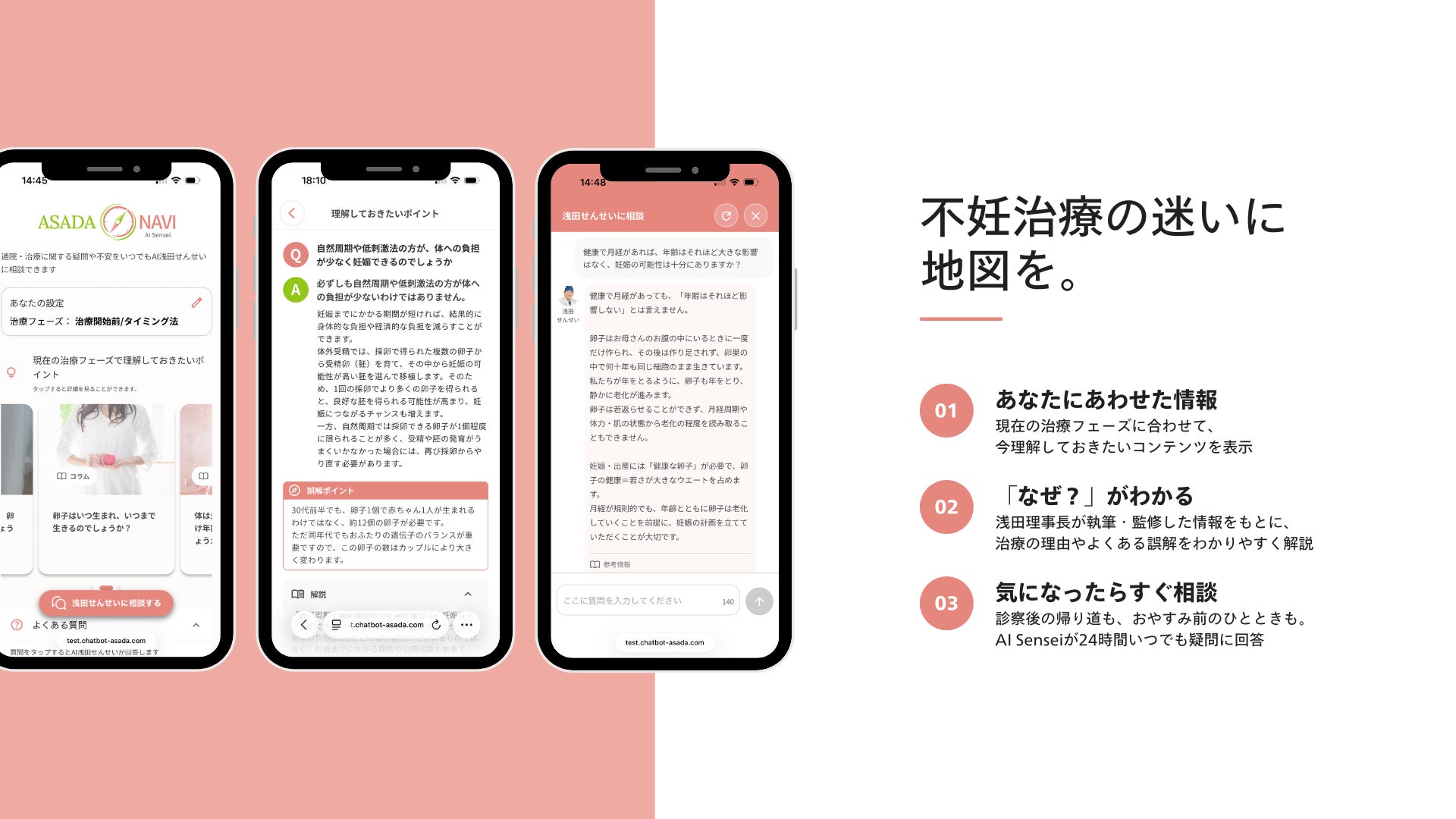
Recognizing that logistical friction was degrading patient trust, the medical group implemented systemic adjustments. In May 2025, the organization launched an AI chatbot named "Chatbot Asada Sensei" to answer basic clinical and procedural inquiries outside the clinic. By August 2026, this system was comprehensively upgraded into ASADA NAVI, a specialized digital navigation platform. The tool triages routine inquiries, clarifies diagnostic timelines, and explains medication schedules directly through patients' personal devices.
This digital triage cleared hundreds of repetitive questions from examination rooms. By offloading procedural explanations to the digital interface, attending physicians could focus during in-person visits on complex medical decisions. Concurrently, the clinic expanded its remote medical alliance network, partnering with 25 regional facilities to manage 453 patients locally before transferring them to urban centers strictly for surgical procedures. These operational interventions stabilized clinic flow, though peak-hour waiting times remain an inevitable byproduct of the facility's demand.
Expanding the Footprint: The Okazaki Facility and Regional Access
The physical bottleneck at the Nagoya station clinic finally forced an geographic expansion. In May 2025, the medical group officially opened its fourth nationwide facility, ART Clinic ASADA, situated directly in front of JR Okazaki Station. For over two decades, patients residing in the Mikawa region had to spend hours commuting back and forth to Nagoya or the original 2004 Kachigawa clinic in Kasugai for daily follicle scans and blood draws.
The Okazaki expansion was built specifically to replicate the flagship laboratory capabilities while decentralizing patient volume. Outfitted with dedicated surgical suites and the same intravenous anesthesia capabilities for painless egg retrieval, the facility immediately absorbed a substantial portion of the Mikawa patient load.
This geographic distribution significantly lowered waiting room congestion at the central Nagoya clinic. It also signaled a strategic shift: rather than forcing patients into a single central hub, the group decentralized routine monitoring across satellite centers, reserving surgical interventions for fully staffed surgical clinics. This model reduced patient fatigue, directly softening one of the most persistent complaints found in historical reviews.
Evaluating Clinical Fit: Who Thrives at Asada and Who Should Look Elsewhere
Navigating Asada Ladies Clinic Nagoya requires understanding the clinic's personality before booking an initial visit. The institution is not designed to serve every demographic equally well, and mismatches between patient expectations and clinical execution generate the negative reviews found across Google and domestic review sites.
Patients who generally achieve positive experiences:
- Individuals who have experienced multiple failed IVF or ICSI cycles at standard regional hospitals and need advanced embryological intervention.
- Patients with diminished ovarian reserve or advanced age who want immediate, aggressive treatment without phased conservative trials.
- Working professionals who prefer rapid, precise visits over extensive conversational consultations.
- Women with severe needle phobia or low pain tolerance who require deep sedation for egg retrieval.
Patients who are likely to experience frustration:
- Couples seeking gentle emotional support, reassurance, and extensive conversational counseling directly from their doctor.
- Patients looking strictly for standard, low-cost insurance-covered treatments without advanced, self-pay testing options.
- Individuals seeking holistic or lifestyle-focused reproductive care, such as acupuncture, herbal medicine, or stress-reduction coaching.
- Those who become distressed when seeing multiple rotating specialists rather than a single dedicated physician throughout their cycle.
Frequently Asked Questions (FAQ)
Q1: Why do so many online reviews criticize Dr. Yoshimasa Asada's bedside manner?
A1: The criticism stems from an intentional medical philosophy that prioritizes empirical laboratory data over emotional counseling. Consultations are kept brief and clinically direct, which some patients interpret as cold or dismissive. The clinic intentionally assigns emotional support and long-form patient education to fertility nurses rather than the primary physicians.
Q2: How does Asada Ladies Clinic achieve high IVF success rates for older patients?
A2: The clinic utilizes customized ovarian stimulation regimens, high-grade continuous time-lapse incubators, and specialized blastocyst culture protocols. Their embryology laboratories are optimized to prevent embryo arrest, allowing them to produce viable day-five blastocysts for patients with advanced maternal age or previous failed cycles.
Q3: Is the egg retrieval process truly painless?
A3: Yes. Unlike many Japanese fertility clinics that operate with minimal or local anesthesia, Asada Ladies Clinic uses intravenous anesthesia administered by trained clinical teams. Patients are completely asleep throughout the follicular aspiration and wake up in recovery with minimal post-operative discomfort.
Q4: How expensive is treatment at the Nagoya clinic following Japan's insurance reforms?
A4: Basic IVF procedures fall under national health insurance with statutory copays. However, the clinic frequently combines standard cycles with advanced self-pay procedures (Senshin Iryo) like PGT-A or time-lapse imaging to optimize outcomes. Total cycle costs can range from ¥150,000 to over ¥450,000 depending on the specialized protocols selected.
Evaluating the Ground Reality in 2026
The harsh reviews surrounding Asada Ladies Clinic Nagoya are rarely fabricated, but they are frequently misunderstood. The complaints do not reflect medical malpractice, laboratory incompetence, or hidden financial traps. They reflect the friction of an industrial, highly specialized medical institution colliding with vulnerable human emotions. Patients enter fertility clinics during one of the most fragile chapters of their lives, and when greeted by clinical directness, six-minute appointments, and cold probabilities, their defensive reaction is entirely natural.
Yet, that exact clinical detachment is what enables the facility's laboratory to operate at a elite standard. By stripping away clinical pleasantries, enforcing evidence-based diagnostics, and investing in advanced embryology infrastructure, the clinic delivers results for cases other doctors deem untreatable. Recent operational updates, including the Okazaki branch expansion and the ASADA NAVI platform, have mitigated historic pain points around wait times and procedural communication. For prospective patients, success at this Nagoya landmark depends on self-awareness: those seeking an empathetic hand to hold will likely leave disheartened, while those seeking a clinical engine to secure a viable pregnancy will find precisely what they need.