Fact-Checking Local Benefits: Which City Hall Cash Programs Are Real?
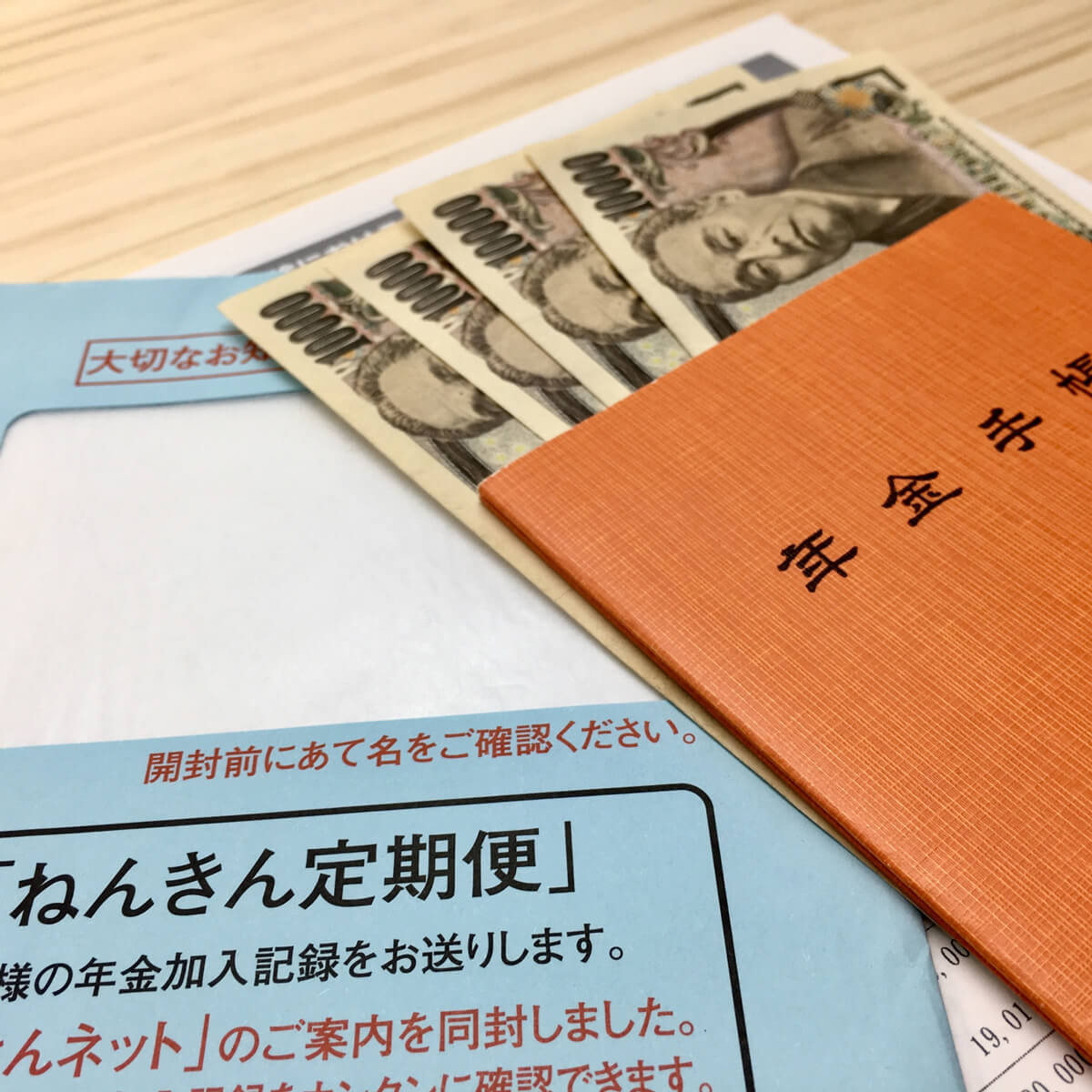
Short-form videos across TikTok and Instagram claim that municipal offices hand out envelopes of free money to anyone who simply walks in and asks. These viral posts promise hundreds of thousands of yen in "secret government checks," ranging from cash drops for single residents to unrestricted digital currency transfers. Yet behind the clickbait lies a messy truth: real assistance programs exist, but they are tangled in strict paperwork, rigorous eligibility audits, and hard deadlines. According to an in-depth 朝日新聞社 Report, millions of yen in legitimate public assistance go completely unclaimed each year simply because citizens assume the government will automatically notify them when funds become available.
The reality of public finance functions on an entirely different principle: an opt-in administrative system known as the "application principle" (shinsei-shugi). If you do not apply, you receive nothing. Unpacking social media claims reveals an enormous divide between legitimate municipal cash benefits and exaggerated internet fiction.
📌 Quick Summary:
- The Core Reality: City halls offer dozens of targeted subsidies, but zero unconditional "free cash" programs exist for the general public.
- The Social Media Myth: Viral posts routinely strip away income ceilings, mandatory contractor certifications, and proof-of-purchase requirements to generate viral traffic.
- The Practical Fix: Unclaimed funds, from high-cost medical expense relief to window thermal retrofits, require active eligibility verification and adherence to strict local application deadlines.
The Surge of Viral Misinformation Around Municipal Grants
Financial anxiety driven by sustained living-cost increases has created fertile ground for online speculation. Over the past year, accounts across X and YouTube Shorts began packaging standard bureaucratic programs as hidden financial windfalls. A standard single-person household energy allowance or a minor safety helmet rebate gets repackaged into sensationalist titles promising "instant payouts from your local ward."
The problem stems from how content creators simplify administrative policy. While pension adjustments or standard child allowance checks (Jido Teate) arrive automatically once registered, discretionary grants require proactive tracking. Media outlets like President Online have reported on this disparity, emphasizing that municipal offices never mail reminder notices for window insulation grants, job retraining funds, or bicycle safety gear reimbursements. Social media influencers exploit this lack of awareness by conflating regional experimental pilots with universal, nationwide entitlements.
Online forums display rising frustration among residents who took viral advice at face value. "I spent two hours waiting at Shinjuku Ward Office because a TikTok video told me single workers could collect a ¥50,000 seasonal cost-of-living stipend on demand," wrote one resident on a regional discussion board. "The counter staff looked at me like I was speaking another language. The grant was real, but it expired four months prior and applied exclusively to tax-exempt households."
Fact-Checking Social Media Claims: Tuition, Digital Points, and Utility Grants
Public discussion consistently blurs three specific initiatives: high school tuition assistance, digital regional reward points, and single-person emergency cash transfers.
The first widespread rumor claims that high school tuition across the entire nation has become universally free with zero paperwork. That is inaccurate. The central government operates the High School Tuition Support Fund, but household income caps historically dictated eligibility. While regions like the Tokyo Metropolitan Government removed household income limits for metropolitan high school subsidies starting in 2024, parents must still file complex annual documentation proving local residency and enrollment. The school does not automatically credit tuition without active paperwork, and out-of-prefecture private academies face separate regulatory restrictions.
The second claim involves regional digital currency. During mid-2026, reports spread about municipal apps handing out ¥11,000 to anyone who downloaded an icon to their smartphone. This rumor traced back to the Tokyo App Living Support Project, highlighted by news reports from outlets like Livedoor News. The program was genuine: residents linked their My Number identity card to an official application to claim ¥11,000 worth of regional points to offset inflation. However, scammers duplicated the concept online, pushing fraudulent links that falsely claimed users could redeem the sum multiple times across neighboring prefectures like Saitama and Kanagawa.
The third misconception concerns utility support grants. Municipalities receive central government block grants to subsidize rising electricity and gas prices. Influencers often claim that individuals can collect physical cash vouchers directly from neighborhood welfare counters. In truth, governments distribute most energy relief as direct wholesale billing discounts coordinated behind the scenes with regional utilities. Local counters only issue cash payments under strict social welfare provisions for households certified as completely exempt from municipal resident tax.
Verified Municipal Programs: Rules, Funding, and Deadlines
Understanding legitimate municipal cash benefits requires filtering programs by their policy objectives: health emergencies, home energy conservation, occupational training, and mobility safety.
| Program Category | Actual Benefit Amount | Mandatory Verification Criteria |
|---|---|---|
| High-Cost Medical Expense Relief(Kogaku Ryoyohi) | Caps out-of-pocket hospital costs; refunds all excess above ¥35,400, ¥252,600/month. | Income-tiered thresholds; strictly excludes optional room upgrades, meals, and cosmetic procedures. |
| Home Renovation Subsidies(Advanced Window Renovation) | Up to ¥1,000,000, ¥2,000,000 per residential property. | Requires registered professional contractors; specific high-efficiency double/triple-glazed glass materials. |
| Single-Person & Senior Safety Support(Bicycle Helmet Subsidy) | ¥2,000, ¥5,000 cash rebate or voucher per resident. | Valid safety-certified helmets (SG, CE mark); original purchase receipt within the local fiscal year. |
| Self-Medication Tax Relief(Medical Expense Special Deduction) | Taxable income reduction on OTC purchases exceeding ¥12,000 (capped at ¥88,000). | Proof of annual regular health exam; designated "switch OTC" products recorded on itemized pharmacy receipts. |
Every entry on this list reflects an intentional public health or environmental target. For example, residential insulation subsidies aim to reduce peak-load electrical strain and lower cardiovascular emergencies during winter months. As analyzed by financial publications like Diamond Online, households that understand these administrative mechanisms save substantial sums, while those chasing vague "free money" videos simply exhaust their time.
Navigating the Bureaucracy: Medical Relief and Property Upgrades
High-cost medical expense relief stands out as the most valuable yet misunderstood safeguard in the administrative framework. Under national health insurance rules, unexpected hospitalizations or complex surgeries can yield bills running into millions of yen. The high-cost medical expense relief program (Kogaku Ryoyohi Seido) guarantees that an individual pays only up to a fixed ceiling calculated from their age and income bracket.
A median-income earner facing a ¥1,000,000 surgery bill might assume they must pay ¥300,000 based on standard 30 percent co-pays. Under the relief program, their actual out-of-pocket maximum caps at roughly ¥87,430. If the patient requests an Eligibility Certificate for Ceiling-Amount Application (Gendogaku Tekiyo Ninteisho) at city hall or through their health insurer prior to discharge, they never have to front the remaining ¥212,570. If they pay the full amount up front, they face a retrospective refund process that can take three to four months to clear.
Property improvements follow an equally rigid administrative pattern. Home renovation subsidies, including the prominent national Advanced Window Renovation Project, allow homeowners and renters to claim substantial rebates when upgrading older, energy-inefficient windows and outer doors. Viral posts pitch this program as "the government giving you ¥1,000,000 to remodel your home."
In reality, city halls and national program managers enforce zero tolerance for do-it-yourself installations. You cannot walk into a home improvement store, buy materials, fit them on your own windows, and mail the receipt to city hall. The grant flows exclusively through certified contracting businesses that submit technical heat-retention blueprints before construction begins. The moment the national fiscal budget pool hits 100 percent capacity, applications shut down immediately, locking out late applicants regardless of work in progress.
Identifying Authentic Programs Versus High-Risk Traps
Sifting through bureaucratic programs requires separating clear target profiles from situations that expose applicants to administrative penalties or scams.
Who Qualifies for Genuine Support:
- Fixed-Income Retirees and Low-Tax Households: Seniors over 60 managing chronic healthcare conditions or individuals fully exempt from municipal resident taxes qualify for utility allowances, medical caps, and mobility support.
- Homeowners Planning Structural Renovations: Property owners contracting through verified, registered renovation firms with pre-approved energy-saving materials can legitimately claim hundreds of thousands of yen.
- Workers Seeking Skill Enhancements: Individuals taking courses pre-designated by the Ministry of Health, Labour and Welfare can tap into the Educational Training Benefit, recouping 20 to 70 percent of tuition costs.
Red Flags and Disqualifying Conditions:
- Third-Party Filing Fees: Any online promoter or private consultancy asking for an upfront percentage or "service fee" to file basic municipal forms on your behalf is a major warning sign. Standard municipal procedures are free.
- "No-Condition" Payouts: Any social media post claiming a municipal program has no income cap, no age restriction, and requires no documentation is almost certainly fabricated.
- Retroactive Claims Without Original Invoices: Attempting to claim subsidies months after completing renovations or purchasing equipment without certified receipts violates local program rules.
Frequently Asked Questions (FAQ)
Q1: Can foreign residents legally apply for these municipal cash benefits and subsidies?
A1: Yes. Any foreign national registered with a basic resident card (Juminhyo) and paying local municipal taxes holds the exact same rights to municipal subsidies as Japanese citizens. This includes high-cost medical caps, bicycle helmet rebates, and regional inflation relief allowances, provided they meet standard income and documentation rules.
Q2: What happens if I miss the local deadline for an inflation relief payment?
A2: Municipal deadlines are strict administrative cutoffs. Once the local government fiscal window shuts, remaining funds are returned to municipal or national treasuries. City halls do not grant individual extensions for late filings unless a major administrative error occurred on their end.
Q3: Does receiving a municipal subsidy increase my taxable income for the following year?
A3: Most municipal safety-net benefits, emergency inflation relief payments, and child allowances are designated as tax-exempt income under national revenue codes. However, certain business-related subsidies or regional commercial revitalization grants may be treated as miscellaneous taxable income, requiring proper declaration during annual tax filing.
Navigating Municipal Support with Clarity
The administrative landscape of 2026 offers substantive financial buffers against persistent inflation, provided you navigate the system on its own terms. Municipal programs are designed to solve concrete civic challenges: easing the sting of catastrophic health emergencies, winterizing residential buildings to reduce electrical strain, and protecting low-income households from rising energy costs. They are practical policy tools, not algorithmic windfalls.
Relying on social media for financial guidance almost always leads to wasted afternoons at municipal counters. The most effective approach remains simple: visit your ward or city hall portal, review the welfare and public assistance directories directly, verify all contractor requirements before signing invoices, and treat any claim of "unconditional free cash" with rigorous skepticism. Accurate paperwork, verified eligibility, and punctuality remain the only real keys to unlocking public funds.