Fact-Checking Manekineko Ageo East Exit: Operating Hours, BYOF Rules, and True Costs
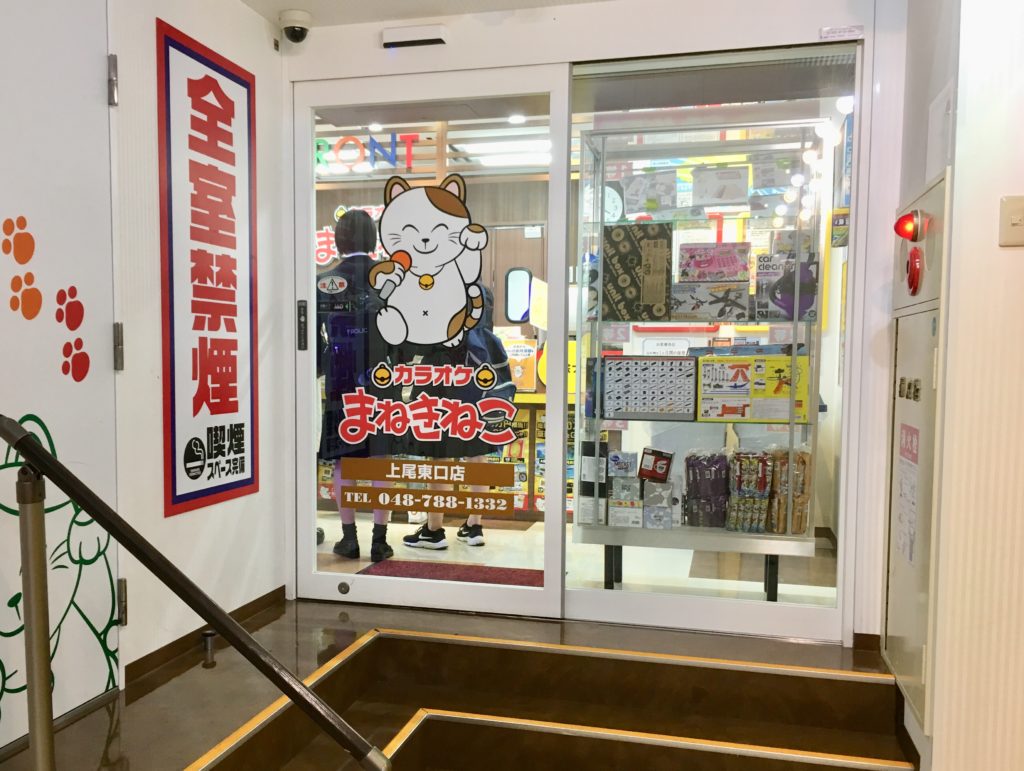
Stepping off the Takasaki Line platform into the brisk suburban sprawl of Saitama, commuters around Ageo Station East Exit encounter a familiar sight: the grinning cartoon calico cat of Karaoke Manekineko. Promoted heavily on Japanese social media as the ultimate budget entertainment escape, the venue draws students, remote workers, and late-night stranded travelers with advertisements promising room rentals for literal pocket change. Yet, travelers and new residents navigating suburban karaoke chains frequently discover that storefront promotional rates tell only half the financial story.
Behind the eye-catching posters displaying fifty-yen coins and free student plans lies a labyrinth of mandatory beverage add-ons, app-based identity verification hurdles, and fluctuating weekend rate cards. Getting clear, unvarnished details on how this specific outpost operates requires peeling back the marketing claims. We broke down the fee structures, verified the operating schedule, and tested the store policies at Manekineko Ageo East Exit to determine how cheap an evening behind the microphone actually is in 2026.
📌 Key Takeaways:
- The True Pricing Model: Headline room rates like the ¥50 morning special require mandatory drink bar orders or single-beverage purchases, lifting base hourly expenses to realistic market totals.
- The BYOF Freedom: The location strictly honors Manekineko's nationwide Bring Your Own Food policy, allowing patrons to bring supermarket groceries, takeout bento, and outside alcohol without corkage penalties.
- Access and Operations: Situated two minutes on foot from the station, the facility runs on extended late-night schedules rather than permanent 24/7 cycles on select weekdays, with mandatory mobile app registration required at reception.
How the Ageo Station East Exit Hub Fits Saitama's Transit Grid
Ageo Station serves as a central artery for Saitama commuters riding the JR Takasaki Line into Ueno, Shinjuku, and Tokyo. The East Exit plaza opens directly toward local bus loops, shopping plazas, and dense commercial alleys. Manekineko Ageo East Exit occupies prime real estate within a two-minute walk from the ticket gates, positioning itself as a convenient waiting room for commuters who miss the final northbound train out of Tokyo.
Suburban entertainment hubs like Ageo differ significantly from bustling urban flagships in Shibuya or Shinjuku. Space is less cramped, waiting times during midweek afternoons remain negligible, and local demographics skew heavily toward retirees in the morning and high school students by mid-afternoon. Because parking around the East Exit commercial core is limited to paid municipal lots, pedestrian access directly off the elevated pedestrian deck dictates foot traffic. Patrons exiting the station descend the eastern stairs, navigate past local convenience stores, and enter an elevator lobby that leads straight up to the venue's reception floor.
This transit-adjacent location drives high demand during two specific windows: the post-midnight wave when train services terminate, and weekend afternoons when teenage groups flood the commercial district. Navigating entry requires an understanding of Japanese commercial entertainment procedures that storefront signs rarely explain in detail.
The BYOF Policy: What Outside Food and Drink Rules Actually Permit
The single greatest operational advantage Karaoke Manekineko holds over competitors like Big Echo or Round One is its blanket BYOF policy. In Japanese parlance, this is marketed as mochikomi OK. While rival chains aggressively monitor outside beverages to protect kitchen margins, Manekineko Ageo East Exit allows patrons to carry in full meals, snacks, and personal beverages without surcharges.
Local customers take full advantage of this rule. The convenience stores and supermarket basements situated around Ageo Station provide an economical supply run before checking into a room. Visitors routinely arrive carrying shopping bags packed with canned chuhai, convenience store fried chicken, and premade bento boxes. The store provides trash cans in individual rooms, though staff request that customers bag their waste neatly before checking out.
Restrictions do exist, however. Portable heating appliances, tabletop gas burners, and electric hot pots are strictly prohibited due to fire codes and room smoke detectors. Strong-smelling foods that might linger across turnover shifts can result in cleanup warnings from staff. Aside from basic safety common sense, the policy holds true: outside food and drink are entirely permissible, eliminating the inflated kitchen tab common to conventional karaoke chains.
Decoding the Bill: Drink Bars, Room Rates, and Late-Night Surcharges
The advertised rates on sidewalk sandwich boards can be misleading to first-time visitors. A sign advertising the famous "Asauta" morning rate of ¥50 per 30 minutes looks astonishing on paper, but entering the booth requires selecting a mandatory drink order. Customers must either purchase one individual drink off the menu or opt for the self-serve all-you-can-drink soft drink bar, adding roughly ¥400 to ¥600 onto the initial receipt.
Evening and weekend visits introduce additional rate adjustments. Free Time karaoke plans, which offer bulk blocks of singing time spanning several hours, represent the most economical choice for sessions lasting longer than two hours. However, Friday evenings, Saturdays, Sundays, and public holidays carry peak baseline surcharges. Stays extending past 22:00 trigger an automatic late-night surcharge fee, generally adding 10% to 20% to the total bill.
| Billing Component | Standard Morning / Midweek | Weekend / Late-Night Operations |
|---|---|---|
| Base Room Rate | ¥50, ¥250 per 30 min (Asauta / Member) | ¥400, ¥700 per 30 min |
| Mandatory Beverage | 1-Drink Order (~¥450) or Drink Bar (~¥600) | Drink Bar mandatory on select packages (~¥650, ¥800) |
| Free Time Block (Day) | ¥1,100, ¥1,500 + drink order | ¥1,800, ¥2,400 + drink order |
| Late-Night Surcharge | Standard late fee applies after 22:00 (+10%, 20%) | Mandatory peak late fee applies after 22:00 (+20%) |
| Registration Status | App Member: Baseline rates listed above | Non-Member: 20%, 30% higher walk-in rate card |
Checking in requires scanning the official Manekineko smartphone application. Foreign tourists or first-time patrons without the app face elevated non-member rates. Setting up the digital membership requires presenting official photo identification, such as a Japanese driver's license, My Number card, or international passport. The app generates a dynamic QR code that receptionists scan to apply discount tiers, track loyalty points, and handle payment processing.

Selecting Your Hardware: JOYSOUND vs. DAM Audio Systems
At check-in, reception staff will invariably present a question: "Which machine do you prefer?" Customers select between two primary Japanese karaoke platforms: JOYSOUND and DAM. Making the right choice directly impacts song selection, video fidelity, and audio quality.
JOYSOUND, typically represented by the MAX GO or X1 terminal series, boasts the largest gross music catalog in the industry. It excels in niche subgenres, Vocaloid tracks, anime theme songs, and indie pop arrangements. JOYSOUND also offers wider cross-platform mobile connectivity, allowing users to pair smartphones via web interfaces to cue tracks without passing around physical touch tablets.
DAM, operating on the LIVE DAM Ai flagship systems, focuses on live acoustic backing tracks and exacting pitch-scoring algorithms. DAM remains the undisputed choice for vocalists who want live concert audio recordings, high-definition original artist music videos, and rigorous analytical scoring displays. Both machine types feature comprehensive foreign song databases, though Western pop and rock libraries run slightly deeper on modern DAM terminals. Ageo East Exit maintains a balanced inventory of both systems, though peak Friday nights can exhaust DAM rooms early.
Student Programs, Morning Discounts, and Solo Singing Accommodations
Manekineko owes much of its suburban dominance to its youth promotions. Chief among these is "Zero Kara," a student discount program targeted at high schoolers. When two or more eligible high school students visit together, room charges are waived entirely, leaving only the cost of a single drink order. University students receive comparable pricing structures under the "Mahfu" membership plan, which reduces evening Free Time costs to accessible flat fees.
Solo karaoke accommodation, colloquially known as hitokara, is fully accepted at the Ageo East Exit location. Many remote workers and solo musicians book rooms during morning hours to practice instruments or hold remote conference calls. However, solo customers must note a critical operational policy during peak congestion. When the lobby enters a waiting list status on busy weekend afternoons, management reserves the right to cap Free Time plans for solo singers at three hours to clear capacity for larger paying groups.
Indoor smoking rules are strictly maintained under Japanese health regulations. Singing booths are entirely non-smoking. Patrons who smoke cigarettes or use heated tobacco products must utilize the designated negative-pressure smoking booth installed adjacent to the central hallway.
Who Should Book This Branch and Who Should Look Elsewhere
Choosing Manekineko Ageo East Exit depends entirely on individual budgets and expectations. Budget-focused groups, students carrying outside food, and morning vocalists will find unmatched value. The ability to buy groceries at the local supermarket and sing for four hours on a weekday afternoon creates an affordable day out that standard dining or theater cannot match.
Conversely, audiophiles seeking studio-grade room dampening or executive-level catering should look elsewhere. Walls between booths are relatively thin, meaning bass from an adjacent room's rock set will easily filter through quiet acoustic ballads. Business parties expecting draft beer poured from premium taps and gourmet food platters will find the self-service drink dispensers and basic fried snack menus lacking. It is an unpretentious, high-efficiency neighborhood singing joint, designed for casual gatherings rather than formal entertainment.
Frequently Asked Questions (FAQ)
Q1: Is Manekineko Ageo East Exit open 24 hours every day?
A1: No. While the branch previously operated on around-the-clock schedules, current operating hours typically run from 9:00 AM until 5:00 AM or 6:00 AM the following morning, with true 24-hour schedules occasionally reserved for major holidays or peak weekends. Check the official app before arriving past 4:00 AM.
Q2: Can I bring alcoholic drinks from outside without paying extra?
A2: Yes. The store fully permits outside alcoholic beverages under its standard BYOF policy without corkage fees. You must present valid identification showing you are at least 20 years old if asked by staff during check-in.
Q3: How do I get the cheapest possible room rate?
A3: Download the official Manekineko mobile application, register your profile before arriving, and book an "Asauta" morning session between 9:00 AM and 12:00 PM on a weekday. Pair the ¥50 base rate with a standard one-drink order for the lowest overall total.
Q4: Do I need to book a reservation in advance?
A4: Midweek morning and afternoon visits rarely require advance bookings. However, for Friday nights, Saturday afternoons, or larger group outings, reserve a room using the online room reservation app feature at least 24 hours in advance to guarantee machine choice.
What Travelers and Locals Should Keep in Mind
Karaoke Manekineko Ageo East Exit succeeds because it understands suburban utility. It eliminates overpriced dining menus, welcomes outside supermarket snacks, and provides convenient shelter right beside an active transit line. Getting the best experience requires looking past promotional posters, downloading the application beforehand, and budgeting for mandatory beverage orders. When approached with realistic expectations, this local outpost remains one of the most cost-effective private social spaces in eastern Saitama.