Fact-Checking Ritsu Sakuma's Lore: Did 'Kitten Homie' Retcon His Signature Dialogue?
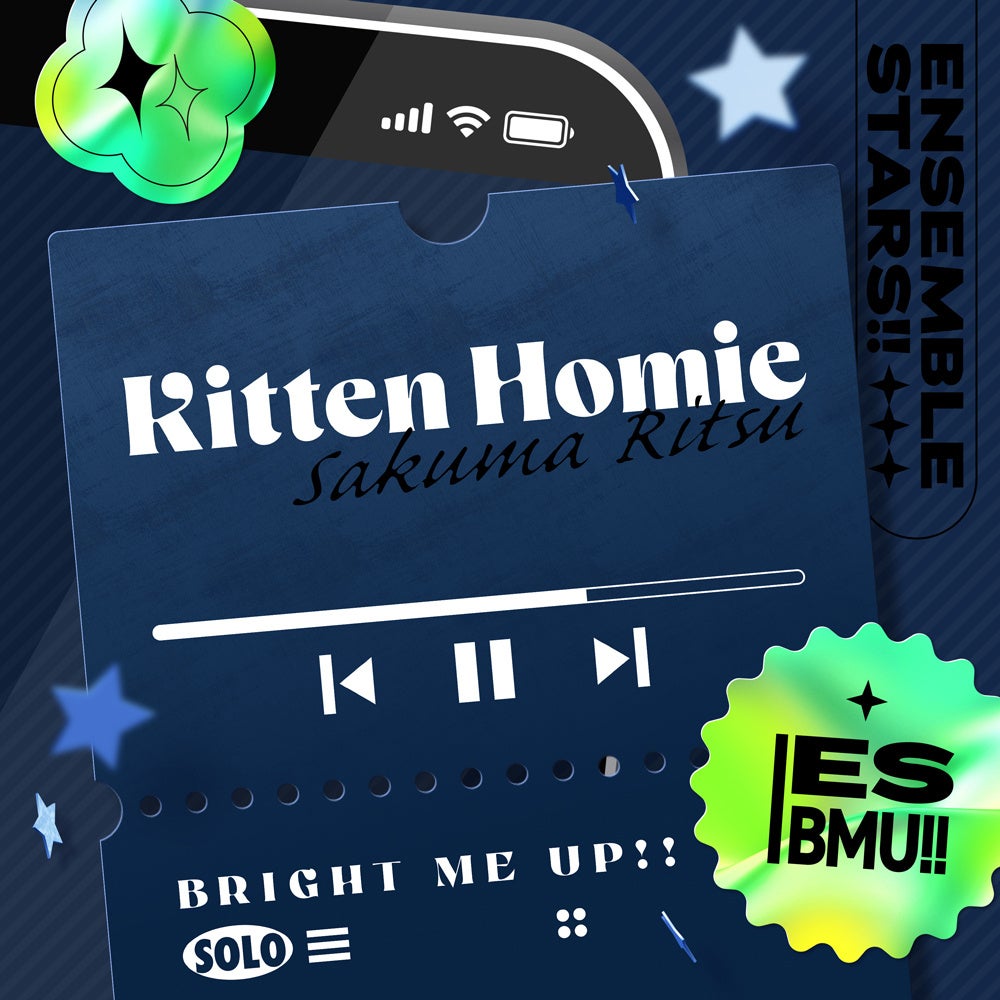
When distributor Frontier Works announced the August 10, 2026 rollout of "Kitten Homie", the latest entry in the ES Idol Song Solo -Bright me up!!- series, fandom forums lit up within hours. As detailed in the official PR TIMES Report, the single presents a sunnier, remarkably relaxed side of the nocturnal idol. That breezy aesthetic immediately unsettled long-time players. For years, Ritsu Sakuma's iconic quotes revolved around lethargy, stinging sarcasm, biting dismissals of his older brother, and a reclusive aversion to daylight.
The sudden influx of bright lyricism and domestic warmth prompted a flurry of script analyses across social feeds. Dedicated archivists began cross-referencing Ensemble Stars Music card lines, early main story chapters, and seasonal affection voice clips to determine whether Happy Elements quietly altered the character's voice. A line-by-line inspection of his dialogue history reveals a far more deliberate narrative progression than the retcon theories suggest.
📌 Key Takeaways:
- The Core Finding: "Kitten Homie" does not retcon Ritsu Sakuma's characterization; it represents the culmination of a decade-long narrative arc moving from trauma-induced withdrawal to emotional security.
- The Lyrical Evidence: The track mirrors his longstanding private persona around childhood friend Mao Isara and Knights rather than his public high-school defense mechanisms.
- The Vocal Trajectory: Voice logs show a steady reduction in sharp, biting vocal cadences between 2015 and 2026, tracking with his canonical reconciliation milestones.
The Frontier Works Drop That Triggered Fan Debates
Frontier Works, operating under parent company Animate Group and led by CEO Masahide Tsuji, timed the digital release of "Kitten Homie" for peak summer engagement. The track strips away the baroque, gothic orchestral phrasing that characterized Ritsu's previous solo work, opting instead for an easygoing, acoustic-tinged groove. Listeners accustomed to his melancholic, piano-driven laments found themselves listening to a laid-back track celebrating domestic ease and playful familiarity.
The immediate reaction was polarized. Comment threads on X and specialized fan boards questioned if the game's writing staff had smoothed away the rough edges that defined Ritsu's original appeal. In his earliest 2015 appearances, his dialogue crackled with caustic wit. He routinely threatened violence against anyone who interrupted his afternoon naps. He openly referred to his elder sibling as an unwelcome pest.
Hearing him sing casually about morning routines and cozy companionship felt like whiplash to casual observers. Yet closer examination of his in-game event dialogue proves that this gentler tone has existed in his private lines for years.
Script Continuity vs. Lyricism: What the Dialogue Logs Actually Prove
Ritsu's script history divides cleanly into two distinct operational registers: public performance and intimate trust. When speaking with casual acquaintances at Yumenosaki Academy or rival agency units, his lines remain detached, guarded, and laced with dry irony. But his affection voice clips and personalized card dialogue tell a different story.
His sharpest voice lines were defense mechanisms. Trapped between social alienation caused by his family's eccentric lifestyle and deep-seated abandonment issues, early Ritsu used barbed language to keep others at arm's length. His famous insult, branding his brother an annoying intruder, masked profound resentment over Rei's extended absences abroad during critical adolescent years.
As the narrative progressed through the !! era, Knights unit dialogue demonstrated a gradual softening of his vocal delivery. He stopped using venomous threats to protect his boundaries. Instead, he started taking active leadership in stage choreography and tactical planning. "Kitten Homie" reflects this earned safety. The lyrics do not erase his cynicism; they simply showcase the unburdened domestic space he finally allows himself to inhabit.
Tracking Ritsu Sakuma's Script Milestones Across Eras
To understand whether Ritsu's speech patterns suffered narrative drift, one must trace his dialogue through major franchise milestones:
| Era & Game Phase | Signature Script & Voice Tropes | Lore & Character Dynamics |
|---|---|---|
| Yumenosaki Era (2015, 2019) | Extreme lethargy, biting insults toward Rei, constant sleep demands, sharp vocal sighs. | Isolates himself from peers; leans heavily on Mao as an emotional crutch; avoids daylight commitments. |
| Ensemble Stars!! Transition (2020, 2023) | Dry observational humor, subtle tactical instructions in Knights, softer home screen interactions. | Accepts professional idol responsibilities; acknowledges Knights as family; establishes emotional boundaries with Rei. |
| Modern Agency Era (2024, 2026) | Affectionate teasing, playful domestic banter, self-motivated creative contributions. | Operates as a reliable veteran idol; integrates past trauma into artistic expression without shutting down. |
This chronological progression demonstrates that Happy Elements did not rewrite Ritsu overnight. His dialogue shifted steadily over eleven years. The prickly adolescent who hissed at the sun gradually transformed into a confident young adult who can sit in the morning light without feeling threatened.
Deconstructing the Sibling Dynamic and the Mao Isara Lifeline
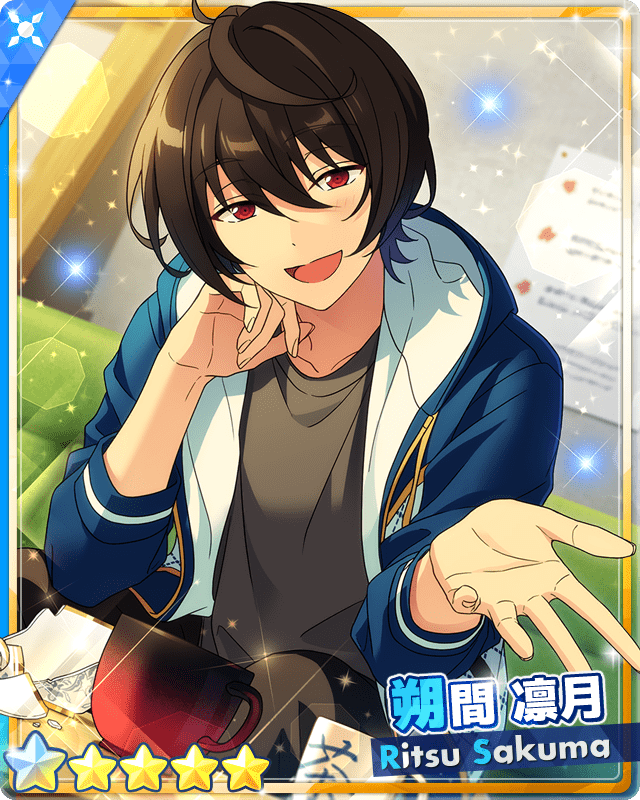
Two relationships anchor Ritsu Sakuma's script continuity: his complex sibling dynamic with Rei and his lifelong connection with Mao Isara.
The vampire brother backstory was never just a quirky gothic gimmick. The Sakuma family lore establishes severe physiological limits, including poor daylight tolerance and erratic circadian rhythms. When Rei departed for overseas work during Ritsu's formative middle school years, Ritsu interpreted the absence as emotional abandonment. His early dialogue reflects that wounded pride. Every sharp "Don't touch me" directed at Rei carried the weight of unresolved grief.
In contrast, his interactions with Mao Isara provided his only grounding tether. When Ritsu was on the verge of dropping out of the academic system entirely, Mao physically carried him to school and made sure he ate. That level of trust produced a softer, lower-register cadence in Ritsu's voice lines that never appeared around other students.
Over recent story arcs, Ritsu stopped punishing his brother for the past. Their conversations in current agency events feature mutual, dry teasing rather than outright hostility. By letting go of his ancient grudge, Ritsu unlocked the emotional vocabulary on display throughout his Bright me up!! release.
The Sonic Shift in the Bright Me Up Solo Series
Solo songs in modern idol franchises do not exist in a vacuum. They serve as canonical status reports on an idol's internal mindset. Early solo offerings like "Bloody Moon Vampire" leaned heavily on heavy theatrical tropes, gothic metaphors, and sweeping string arrangements. They reflected how the industry, and the audience, packaged Ritsu's mysterious aura.
"Kitten Homie" takes the opposite approach. The vocal performance delivered by voice actor Daiki Yamashita features a light, chest-voice mix rather than the breathy, strained minor keys of his teenage discography. The diction is crisp and relaxed.
The production choices mirror his contemporary card lines in Ensemble Stars Music. In these stories, Ritsu voluntarily bakes treats for Knights rehearsals, collaborates on stage staging, and casually invites friends into his personal space. The solo track confirms that his private gentleness has merged with his public creative identity.
Frequently Asked Questions (FAQ)
Q1: Did Happy Elements retcon Ritsu Sakuma's original personality in the 2026 solo song?
A1: No. The lyrical direction of "Kitten Homie" reflects his established character growth across the franchise. His softer, more playful tone aligns with card dialogue and event stories released between 2022 and 2026.
Q2: Why does Ritsu Sakuma's early dialogue sound so different from his recent voice lines?
A2: His early speech patterns were shaped by extreme isolation, physical fragility, and lingering resentment over his brother's absence. As he found stability within Knights and resolved his past conflicts, his dialogue evolved from defensive sarcasm to affectionate teasing.
Q3: Does Ritsu still share the "vampire" traits with his brother Rei Sakuma in modern canon?
A3: Yes. His nocturnal lifestyle, low blood pressure, and daylight sensitivity remain canonical lore. However, modern story chapters treat these physical realities as manageable lifestyle conditions rather than sources of social alienation.
The Lasting Cohesion of Ritsu Sakuma's Script Legacy
Fictional characters spanning more than a decade of live-service updates often suffer from script drift. Writers leave, production directors change, and the original essence of a character gets diluted by seasonal marketing demands.
Ritsu Sakuma avoids that trap. His journey from an abrasive, exhausted loner hiding in music rooms to a confident artist singing warmly about daily comfort represents deliberate character development. The sharp tongue that captivated early players is still there, ready to emerge whenever someone disrupts his peace.
"Kitten Homie" simply shows the other side of that coin: a young man who fought hard for his own happiness and finally feels safe enough to sing about it.