Fact-Checking the Buzz: Drama Nostalgia vs. Korean Co-Living Show Headlines
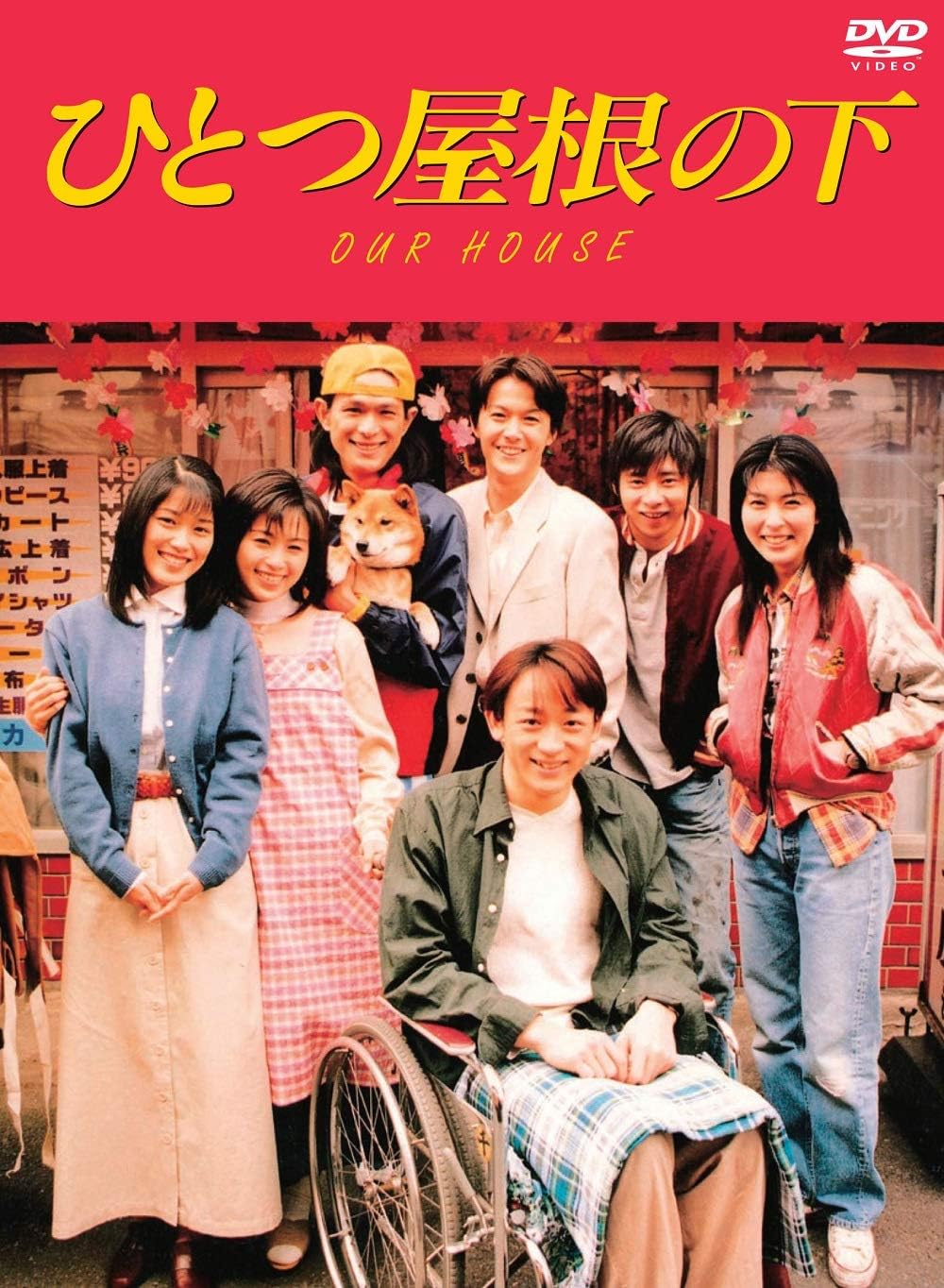
Search feeds across East Asia recently experienced a bizarre collision of algorithmic wires. Millions of viewers typing queries for 90s Japanese television royalty found themselves staring at Korean entertainment updates, while K-variety fans tracking actor Ahn Jae-hyun's latest co-living appearances were suddenly served clips of a shaggy-haired Yosuke Eguchi shouting from a laundry line. As highlighted in a retrospective by the livedoor ニュース Report, the renewed spotlight on Fuji TV's 1993 ratings juggernaut Hitotsu Yane no Shita (Under One Roof) has triggered intense Heisei-era nostalgia, reminding audiences of the enduring cultural weight behind "An-chan", the fiercely loyal eldest brother Tatsuya Kashiwagi.
Yet search algorithms do not always parse historical context cleanly. The sudden spike in Japanese retro streaming coincided directly with trending headlines surrounding Korean actor Ahn Jae-hyun's televised bachelor routines and communal living projects. The phonetic overlap between "An-chan" (あんちゃん, the affectionate Japanese moniker for an older brother) and "Ahn" flooded recommendation engines with conflicting metadata. Untangling this digital mix-up reveals both a fascinating glitch in cross-border trending engines and a profound cultural reassessment of how family dramas operated before the digital age.
📌 Key Takeaways:
- The Algorithmic Mix-Up: Japanese queries for *Hitotsu Yane no Shita* ("An-chan") clashed directly with East Asian entertainment syndication tags for Korean star Ahn Jae-hyun's co-living variety broadcasts, muddling search engine trend graphs.
- The Core Cultural Anchor: Fuji TV's 1993 masterpiece *Hitotsu Yane no Shita* remains one of the highest-rated dramas in Japanese broadcast history, peaking at a staggering 37.8% household rating.
- The Lasting Legacy: Scripted by Shinji Nojima, the series launched career-defining eras for Yosuke Eguchi, Masaharu Fukuyama, and Koji Yamamoto, cementing the archetypal "overbearing yet devoted" big brother in modern Asian pop culture.
How Cross-Border Algorithms Tangled An-chan with Ahn Jae-hyun
Search engine query clustering relies on phonetic proximity and topical semantic associations. In early 2026, two entirely unrelated media narratives collided in real time. On one side stood the digital restoration and streaming push for Fuji TV's historic Getsu 9 catalog, dominated by searches for "ひとつ屋根の下 あんちゃん" (Hitotsu Yane no Shita An-chan). On the other sat entertainment wire stories covering South Korean model-actor Ahn Jae-hyun, who had taken part in high-profile lifestyle variety programs exploring solitary living, roommate dynamics, and communal household setups.
Because entertainment scrapers frequently translate "Ahn" phonetically into Japanese as "アン" (An) and attach keywords like "co-living" or "sharing a roof," automated aggregators blurred the boundaries. English-language discovery engines, struggling to balance Romanized Japanese titles with Korean variety show recaps, served hybrid result pages. Users searching for clips of Eguchi's famous track-jacketed patriarch found themselves reading Korean celebrity updates instead.
The mix-up was purely semantic, but it proved how easily modern indexing systems can flatten decades of distinct pop culture history. Once viewers clicked through the confusion, however, it ignited a much wider retrospective debate across social media forums like X and Reddit's Asian television communities: why does Hitotsu Yane no Shita still hold such an iron grip on collective memory more than thirty years after its debut?
The 1993 Phenomenon: Shinji Nojima's Blueprint for Family Melodrama
To understand the emotional gravity behind "An-chan," one must look at Japanese society in the spring of 1993. Japan's economic bubble had burst, leaving an uneasy social landscape where the promised stability of corporate lifelines began to unravel. Enter screenwriter Shinji Nojima, a dramatist willing to bypass the glitzy, aspirational romance typical of Fuji TV's Monday 9:00 PM (Getsu 9) timeslot in favor of raw, visceral, working-class domestic trauma.
Hitotsu Yane no Shita followed Tatsuya Kashiwagi, a retired marathon runner who returns to Tokyo to gather his five estranged siblings following the tragic death of their parents seven years earlier. The siblings had been scattered across foster homes, adoption setups, and distant relatives. Tatsuya’s stubborn, loud-mouthed refusal to let his family remain fractured drove the narrative.
Nojima pulled no punches. Over its initial 12-episode run, the drama confronted abandonment, severe physical disability, corporate exploitation, juvenile delinquency, and attempted sexual assault. Tatsuya's answer to this avalanche of adversity was not institutional help or polished rhetoric, but unyielding, sweat-soaked physical solidarity. He insisted they all live "under one roof", no matter how cramped or broke they were. Audiences responded in historic numbers.
| Broadcast Milestone | Historical Data Point | Cultural & Industry Legacy |
|---|---|---|
| Original Air Window | April 12, June 28, 1993 | Redefined Fuji TV's *Getsu 9* block from pure romance to deep human drama. |
| Peak Household Rating | 37.8% (Episode 11) | Remains the highest-rated individual drama episode in Fuji TV’s history. |
| Average Viewership | 28.4% across Season 1 | Triggered a direct sequel in 1997 (*Hitotsu Yane no Shita Part 2*), averaging 27.0%. |
| Signature Dialogue | "Soko ni ai wa aru no ka kai?" | Became a generational catchphrase satirized and celebrated across modern media. |
The Kashiwagi Household: An Incomparable Roster of Future Titans
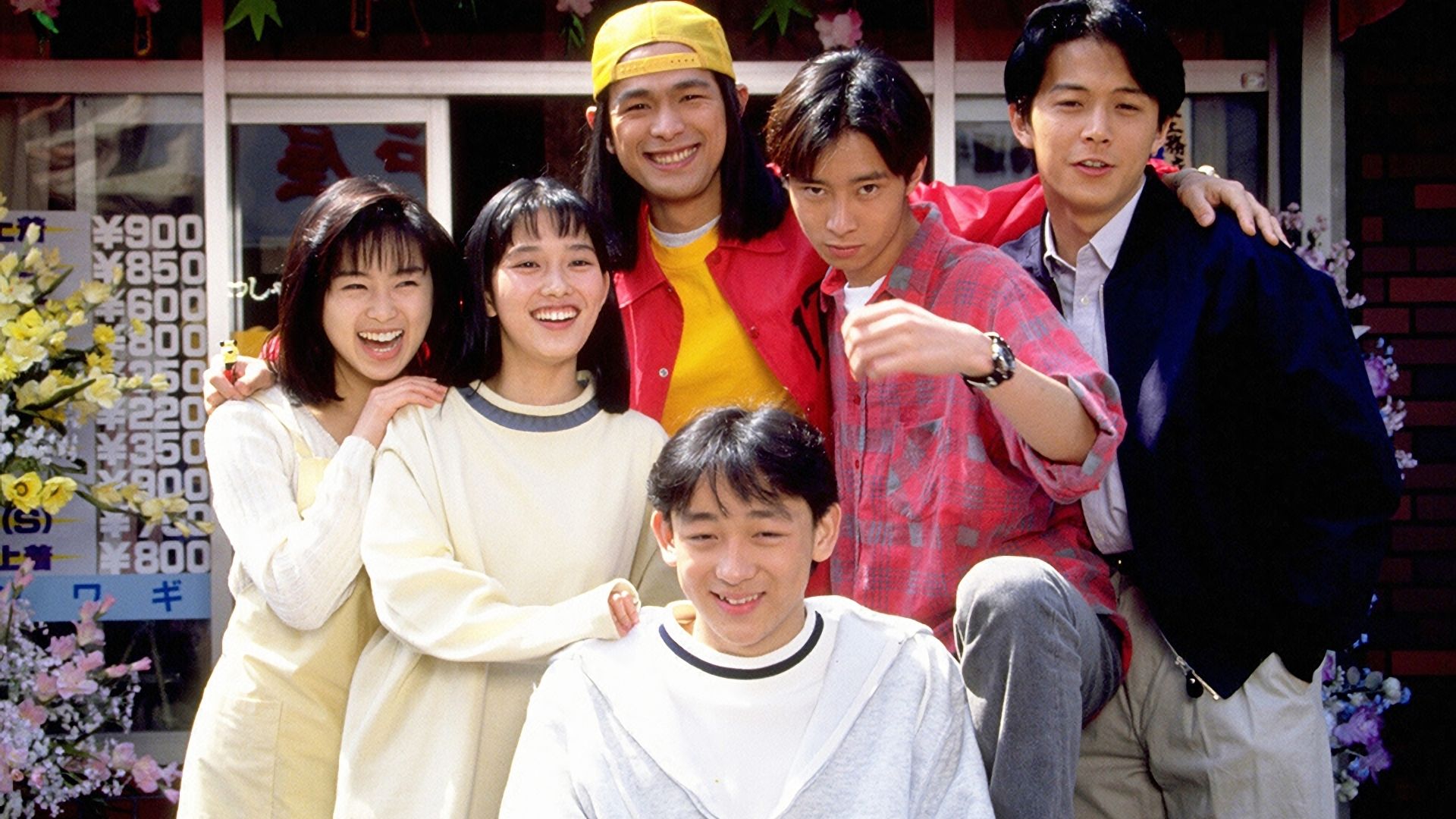
Revisiting the cast of Hitotsu Yane no Shita feels surreal. In 1993, many of its stars were young, unproven talents or transitional figures searching for breakthrough projects. Viewed through a modern lens, the living room set of the Kashiwagi household contained an almost unbelievable concentration of future Japanese entertainment royalty.
Yosuke Eguchi was already recognized from Tokyo Love Story, but his portrayal of Tatsuya transformed him into a national household figure. Eguchi discarded cool detachment, leaning into abrasive, tearful, hyper-earnest physical acting. Playing against him as the second-eldest brother, Masaharu Fukuyama portrayed the cool, intellectual medical student Masayuki (nicknamed "Chii-nii-chan"). The contrast between Eguchi’s fiery emotion and Fukuyama’s reserved, surgical composure established one of television’s all-time great sibling dynamics. It also cemented Fukuyama’s status as a bona fide national idol and future multi-platinum recording titan.
The supporting cast featured equally impressive trajectories. A sixteen-year-old Koji Yamamoto delivered an unforgettable, emotionally grounded performance as Fumya, the wheelchair-bound youngest brother fighting depression and social isolation. Noriko Sakai anchored the dramatic tension as the adopted sister Yuki, while early turns from Takako Matsu (in Season 2) added further prestige to the franchise's lineage. Watching these actors share cramped breakfast scenes over bowls of white rice offers an authenticity modern, high-gloss productions rarely recreate.
Why 'Is There Love in It?' Still Resonates in Contemporary Japan
Tatsuya Kashiwagi's signature line, "Soko ni ai wa aru no ka kai?" ("Is there love in that?"), could have easily aged into unwatchable melodrama. In the hands of a lesser actor or a more cynical director, an older brother shouting about familial love while waving his fists would be unbearable. Yet in 2026, Japanese retrospective broadcasts and digital clip reels show younger viewers engaging with these scenes with surprising reverence.
The reason lies in the sheer lack of irony. Pre-smartphone television forced characters to confront each other in shared physical spaces. When Tatsuya needed to drag his brother out of a delinquent street gang or stop his sister from an exploitative relationship, he did not send an encrypted message or quietly disconnect. He showed up, absorbed punches, and screamed through tears.
In an era characterized by hyper-curated online presence, remote lifestyles, and shrinking domestic units, the chaotic, intrusive warmth of the Kashiwagi household looks less like outdated melodrama and more like an emotional refuge. Tatsuya was flawed, impulsive, and constantly broke, but his loyalty was unconditional. That absolute lack of ambivalence cuts clean through contemporary digital fatigue.
The Mechanics of Algorithmic Confusion in East Asian Entertainment
The digital overlap between Hitotsu Yane no Shita and Korean reality television illuminates how content distribution ecosystems currently operate. Modern content platforms use aggressive automated tagging to keep up with the sheer volume of global entertainment. When syndication channels push content internationally, machine translation layers frequently collapse distinct linguistic nuances.
In this instance, Ahn Jae-hyun’s appearances on domestic lifestyle programs, where solitary domesticity or unconventional household setups are chronicled, generated syndicated English and Japanese tags centered on "home sharing," "single life," and "household bonds." When Japanese audiences simultaneously began driving massive search volumes for Fuji TV's classic "Under One Roof" (ひとつ屋根の下), automated aggregation software merged the topical clusters.
Search trends did not distinguish between a 1993 Japanese social drama about six orphaned siblings and a 2020s Korean reality star discussing domestic life. Both existed under identical surface-level descriptors: cohabitation, brother figures, and living together. For casual overseas fans relying on automated discovery feeds, the result was a bewildering wall of mixed search results that required dedicated community fact-checking to dismantle.
Frequently Asked Questions (FAQ)
Q1: Why did 'Under One Roof' and Ahn Jae-hyun trend together?
The trend was caused by algorithmic aggregation errors. Japanese searches for the classic drama *Hitotsu Yane no Shita* often search for the main character "An-chan" (played by Yosuke Eguchi). Syndicated entertainment feeds tracking South Korean actor Ahn Jae-hyun's co-living variety show news shared matching phonetic tags, leading search engines to mix the two topics.
Q2: Where does 'Hitotsu Yane no Shita' rank in Japanese television history?
It is widely considered one of the defining masterpieces of the Heisei era. Episode 11 of the original 1993 broadcast pulled a 37.8% rating in the Kanto region, standing as the highest individual rating ever achieved by a drama in Fuji TV's storied history.
Q3: Who wrote the screenplay for 'Hitotsu Yane no Shita'?
The drama was written by legendary scriptwriter Shinji Nojima. Nojima was renowned in the 1990s for tackling taboo, dark, and uncomfortable social themes, including school bullying in *Ningen Shikkaku* (1994) and forbidden romance in *Koukou Kyoushi* (1993).
Q4: Is 'Hitotsu Yane no Shita' officially available for international streaming?
Distribution varies by region, but Fuji TV has systematically restored its 90s *Getsu 9* vault for digital platforms like FOD (Fuji TV On Demand) and select licensed regional streaming services across East and Southeast Asia, driving its 2026 viewership resurgence.
The Staying Power of Heisei Television Heritage
Algorithmic errors come and go, but the cultural impact of Hitotsu Yane no Shita remains entirely unshaken. What began as a confusing search engine mix-up ended up introducing an entirely new generation of international television viewers to one of Japan's most important pop-culture artifacts.
The Kashiwagi family's chaotic, tear-stained journey under a leaky Tokyo roof proved that family was defined by active commitment rather than effortless fortune. As Japanese television networks continue opening their golden-era vaults to worldwide audiences, the sheer emotional force of Yosuke Eguchi running down suburban streets in an oversized tracksuit reminds viewers why millions sat glued to their television screens on Monday nights three decades ago. Search engines will eventually clean up their metadata, but An-chan's voice still echoes through Japanese television history.