First Look at the E653 Usui Pass: Route Map, Train Design, and Station Stops
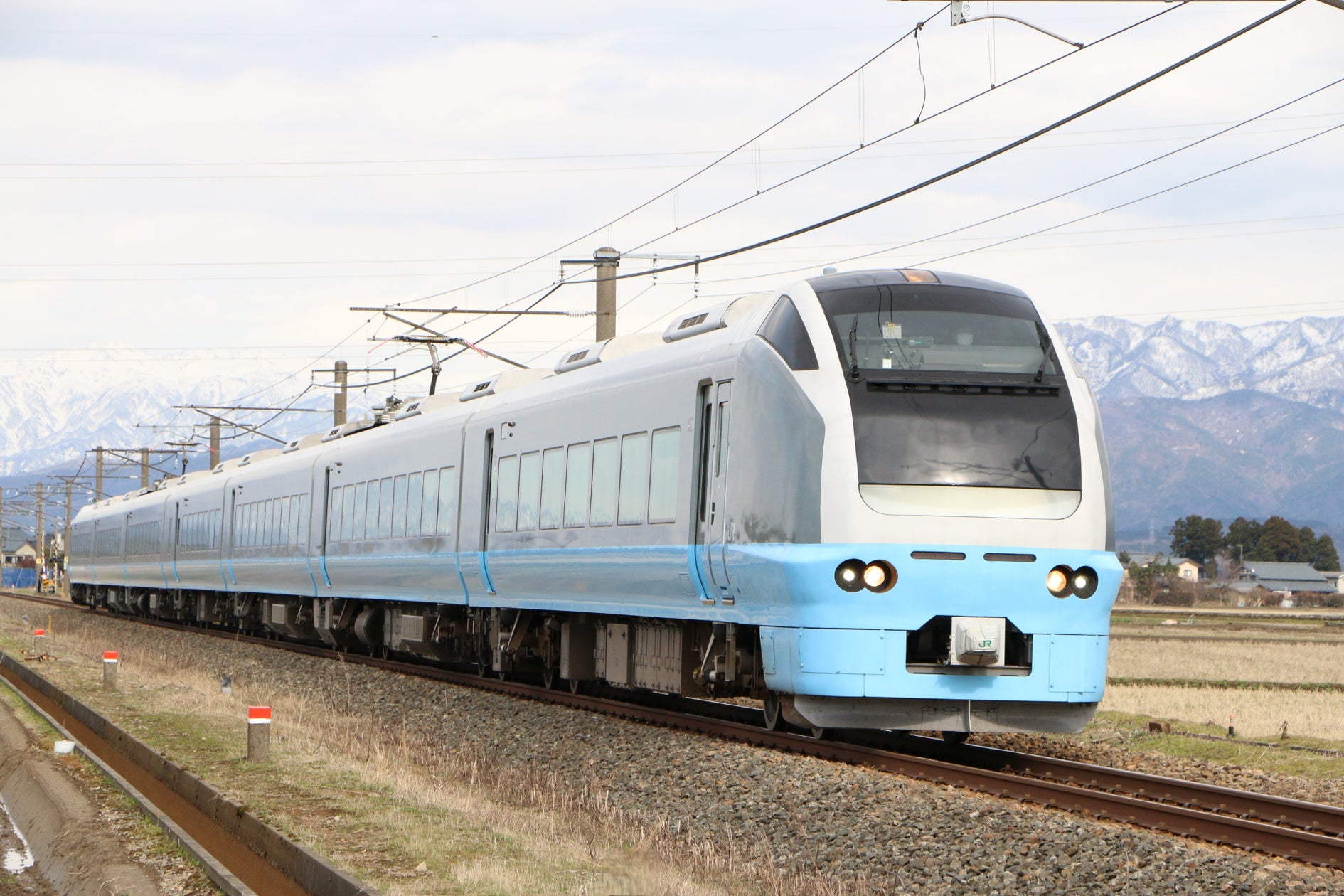
Direct rail service from central Tokyo into the steep foothills of Mount Myogi returns this autumn. On September 26, 2026, JR East View Tourism and Sales will operate a chartered E653 series express train running directly from Ueno Station to Yokogawa Station. The run restores an unbroken corridor that vanished when the Nagano (now Hokuriku) Shinkansen opened in October 1997, severing the steepest cog-and-adhesion stretch of the historic Shinetsu Main Line.
As documented in a detailed 毎日新聞 Report, this single-day expedition does not simply move rail enthusiasts between prefectures. It anchors three distinct itineraries centered on industrial archaeology, mountain hiking, and regional dining. From the brick tunnels of the Usui Pass to post-hike meals like the iconic Touge no Kamameshi and evening platters at casual sushi spots such as Yataizushi across regional transit hubs, the tour reframes Gunma's railway graveyard into an active cultural journey.
📌 Key Takeaways:
- Direct Service Restored: The chartered E653 series "Usui Pass" links Ueno Station directly to Yokogawa for the first time since regular express services ended in 1997.
- Three Tour Formats: Passengers select from three dedicated packages covering the Usui Pass abandoned line walk, the Railway Heritage Park, or onward Shinshu sightseeing train transfers.
- Preservation and Gastronomy: The one-day operation blends the engineering history of the Shinetsu Main Line with local culinary stops, pairing traditional station fare with vibrant local dining.
The Return of Ueno's Direct Run to the Foothills of Gunma
For more than a century, Ueno Station served as Tokyo's working-class portal to northern and central Japan. Passengers boarded trains bound for Niigata and Nagano, watching urban concrete yield to the craggy ridgelines of Gunma Prefecture. That continuity broke in October 1997. High-speed bullet trains diverted traffic through tunnels under the mountains, leaving Yokogawa as an abrupt dead-end terminal on the truncated Shinetsu Main Line.
The September 26 charter cuts out the modern transfer at Takasaki. Travelers board the E653 series at Ueno in the morning, bypassing suburban commuter bottlenecks and gliding straight onto the rural single-track approach toward Annaka and Yokogawa. Hiroyuki Sawada, president of JR East View Tourism and Sales, structured the event to satisfy growing demand for slow-travel heritage tours that showcase tangible industrial relics without modern Shinkansen speeds.
E653 Series Configuration: Livery Choices and Onboard Comfort
JR East selected the dual-voltage E653 series for this run. Originally introduced in the late 1990s for Joban Line Fresh Hitachi runs and later reassigned to the Sea of Japan coast for Inaho and Shirayuki services, the trainset balances retro appeal with solid mechanical reliability. Its aerodynamic nose and dual-power capabilities make it an ideal fit for the varying electrical feeds of the Kanto and Shinshu boundaries.
While JR East noted that the external wrap remains subject to operational scheduling, rail watchers expect either the heritage cream-and-crimson JNR revival paint or the warm amber tones associated with modern Niigata-area charters. Inside, the train features standard 2+2 seating with generous 910mm seat pitch, wide panoramic windows, and luggage storage suited for hiking gear. The carriage design lets natural light pour across the cabin as the train climbs the gradient toward the base of the pass.
The Three Tour Paths: From the Abandoned Line Walk to Shinshu Transfers
Rather than offering a uniform excursion, JR East structured three specific package tiers for passengers departing Ueno. Each targets a distinct segment of Japan's domestic and international travel community.
| Tour Package | Core Itinerary Focus | Key Route Highlights |
|---|---|---|
| Yokogawa Heritage Tour | In-depth exploration of local rail archives and station cuisine | Usui Pass Railway Heritage Village, EF63 simulator, Oginoya flagship |
| Abandoned Line Walk | Guided physical trek along the sealed 1997 mountain trackbed | Meganebashi brick viaduct, decommissioned tunnels, ballast walking |
| Shinshu Scenic Connection | Intermodal transit from Gunma into Nagano Prefecture | Bus over Usui Pass to Karuizawa, connecting to Shinano Railway trains |
The "Abandoned Line Walk" demands sturdy footwear and reasonable physical fitness. Participants don safety helmets and carry flashlights through decommissioned tunnels that once carried electric helper locomotives. The "Shinshu Scenic Connection" serves long-distance travelers eager to bridge the geographic gap between Gunma and Nagano via the old pass road before boarding regional private rail lines.
Reviving Rail History at the Usui Pass Railway Heritage Park
Yokogawa Station sits beside the Usui Pass Railway Heritage Park (Poppo Town), built directly on the grounds of the former Yokogawa Locomotive Depot. When steam locomotives and later electric engines tackled the 66.7-permille grade up to Karuizawa, this depot served as the nerve center. Every train had to stop here. Specialized EF63 electric helper locomotives coupled onto the downhill end of every consist to hold the train back against gravity or shove it upward.
The park maintains operational EF63 locomotives that licensed visitors can still operate along a preserved test track. Tour guests inspect roundhouses filled with steam locomotives, vintage snowplows, and the distinctive brown-and-blue electric workhorses of the Showa era. Walking these switches provides context for why the E653 charter carries such emotional weight for domestic rail enthusiasts: Yokogawa was once the busiest operational bottleneck in eastern Japan.
Platform Bites and Beyond: Kamameshi to Yataizushi Dining Culture
A journey through Yokogawa revolves around regional food traditions as much as rolling stock. Since 1958, Yokogawa has been inseparable from Touge no Kamameshi, created by local vendor Oginoya. Served in heavy Mashiko pottery vessels, the dish layers seasoned rice with chicken, chestnuts, burdock root, and quail eggs. For decades, vendors hawked these pots directly through open train carriage windows during the mandatory locomotive coupling stops.
Today, station dining extends well into the surrounding Gunma transit hubs. As tour visitors make their way back toward major junctions like Takasaki or explore transit corridors around Gunma and western Tokyo, evening dining shifts from ceramic bento pots to lively izakaya counters. Neighborhood chains such as Yataizushi near gateway stations offer nigiri, draft beer, and fried chicken wings at approachable prices. Combining rustic mountain bento during the day with unpretentious sushi stall hospitality at night mirrors the broader appeal of regional rail exploration across Japan.
Navigating the 66.7-Permille Legacy of the Shinetsu Main Line
The physical geography of the Usui Pass defined Japanese rail engineering for over a century. A 66.7-permille grade translates to a climb of 66.7 meters for every 1,000 meters of forward track, a gradient so steep that conventional steel wheels on steel rails risked wheelspin and catastrophic brake runaway.
Engineers initially conquered the pass in 1893 using the Abt rack-rail system, where cogwheels under the locomotive engaged a toothed center rail. The system proved slow and smoky inside the 26 tunnels, prompting early electrification in 1912. By 1963, Japan National Railways replaced the rack rail with adhesion operations using high-output EF63 locomotives equipped with dynamic brakes, rail clamps, and speed governors. When the Hokuriku Shinkansen arrived with its high-power traction motors and bored mountain tunnels, the costly 11.2-kilometer section over the pass was abandoned. Preserving the memory of that incline remains the core objective of the 2026 charter run.
Frequently Asked Questions (FAQ)
Q1: Can general travelers purchase standard ticket fares for the E653 Usui Pass express?
A1: No. This is a chartered tour train operated exclusively as a package tour through JR East View Tourism and Sales. Seats must be booked in advance as part of an official tour itinerary rather than via regular ticket vending machines.
Q2: How difficult is the Usui Pass Abandoned Line Walk course?
A2: The walk covers several kilometers of gravel ballast, concrete trackbeds, and dark tunnels. While mostly gentle in slope, the uneven footing requires proper hiking boots and baseline physical endurance. Helmets and safety equipment are issued by tour guides.
Q3: Is the pottery pot from the Touge no Kamameshi meal reusable?
A3: Yes. The Mashiko-ware ceramic pot is gifted to diners. Many travelers keep the vessels to cook individual rice servings at home on a standard stovetop, follow traditional recipes, or keep them as functional souvenirs.
What the Usui Pass Express Signals for Heritage Rail in 2026
The September 26 run illustrates a decisive change in how rail operators manage institutional memory. Rather than keeping historic rolling stock locked in display halls, operators find immense commercial and cultural value in running classic express equipment on former mainlines. The E653 charter reunites Tokyo riders with a legendary mountain route, proving that thoughtful tourism can keep lost infrastructure alive long after regular timetables close.