Frame-by-Frame Clues: Visual Motifs and Symbolism in Twee Box Puppet Theater
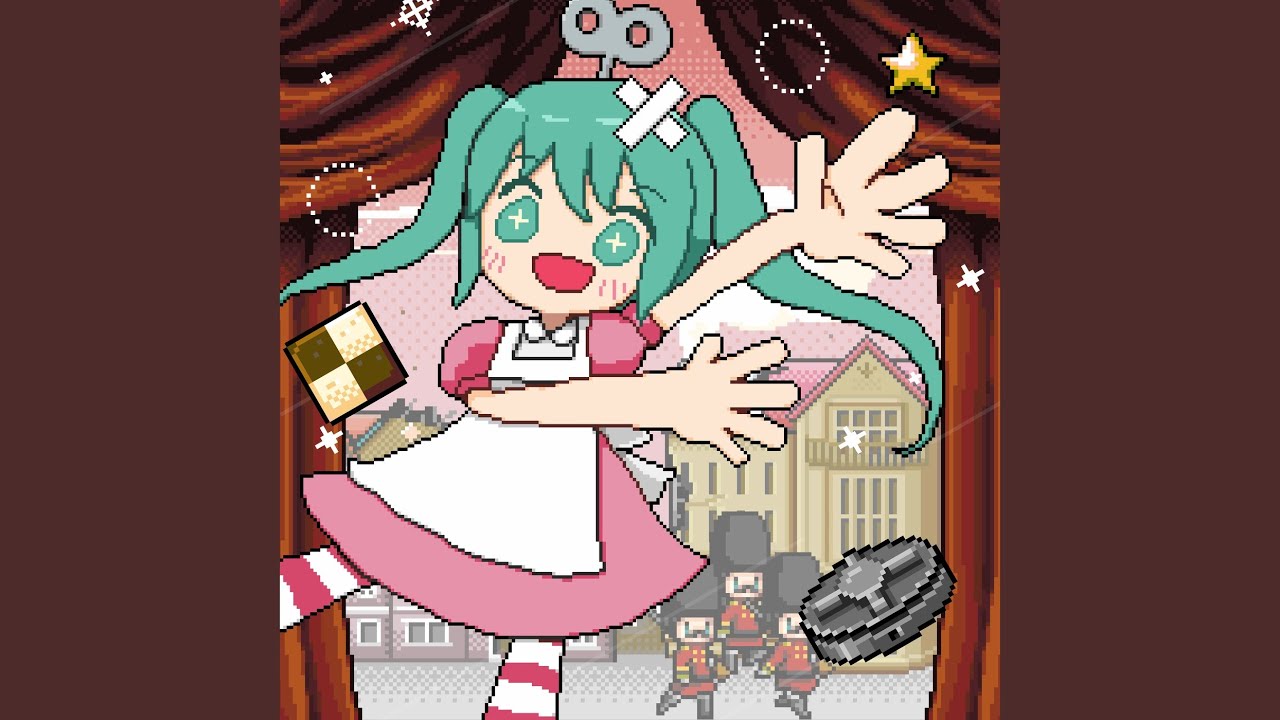
Long before filling dome stadiums as Japan’s foremost pop auteur, Kenshi Yonezu operated behind a sketchpad and a digital audio workstation under the moniker Hachi. His 2010 studio album Official Orange cemented an unsettling artistic signature: jagged line art, carnival dissonance, and characters trapped inside claustrophobic systems. At the center of that catalog sits "Twee Box Puppet Theater" (トゥイー・ボックスの人形劇場), an erratic, clockwork track voiced by Hatsune Miku that listeners still dissect frame by frame.
While tracks like "Matryoshka" and "Panda Hero" achieved immediate viral status, "Twee Box Puppet Theater" remains Hachi’s sharpest narrative riddle. Its self-animated visual language presents an intricate mechanical doll metaphor that doubles as a dark industry critique. By examining the visual storytelling analysis embedded in each cut, listeners can reconstruct the story of two manufactured figures struggling against their own clockwork design.
📌 Key Takeaways:
- The Central Narrative: The video documents two clockwork marionettes performing an endless, scripted domestic tragedy inside an automated music box theater.
- Visual Symbolism: Repeating visual cues, including oversized winding keys, mismatched buttons, and severing gear-teeth, point to themes of manufactured identity and performance fatigue.
- The Creative Turning Point: Created during Hachi's 2010 transitional phase, the song mirrors Yonezu’s creative friction with the constraints of Vocaloid software and anonymous internet fame.
The Origins of Hachi's Clockwork Stage
Kenshi Yonezu uploaded "Twee Box Puppet Theater" during the golden age of Nico Nico Douga, a period marked by explosive creative experimentation in the Vocaloid community. Released on November 14, 2010, as part of Official Orange, the song arrived when Hachi was actively interrogating the boundary between author and avatar. Using Hatsune Miku’s high-velocity vocal track, Hachi constructed an auditory funhouse of galloping percussion, honky-tonk piano stabs, and microtonal guitar squeals.
The visual component relies on Yonezu’s stark, hand-drawn aesthetic. Sketched on rough paper with ink and colored digitally with faded sepia and muddy pastels, the video rejects smooth digital animation in favor of jittery, discontinuous stop-motion movements. This technique reinforces the mechanical doll metaphor. The puppets do not glide across the screen; they twitch, freeze, and shudder along erratic mechanical axes.
Online communities on platforms like 2channel, Nico Nico Douga, and later Reddit have spent over a decade mapping the lore of this self-contained world. In Hachi’s early catalog, childhood innocence routinely collides with grotesque absurdity. "Twee Box Puppet Theater" formalizes this tension through a Gothic fairy tale motif, transforming a child's toy theater into an existential prison.
Frame-by-Frame Dissection of the Music Video
Understanding the hidden narrative interpretation requires tracking the precise visual cues scattered across the song’s three-minute runtime. The narrative centers on two figures: a primary doll (resembling a stylized, hollowed-out pierrot) and a secondary companion, both locked inside a miniature proscenium stage.
+-------------------------------------------------------------+
+-------------------------------------------------------------+
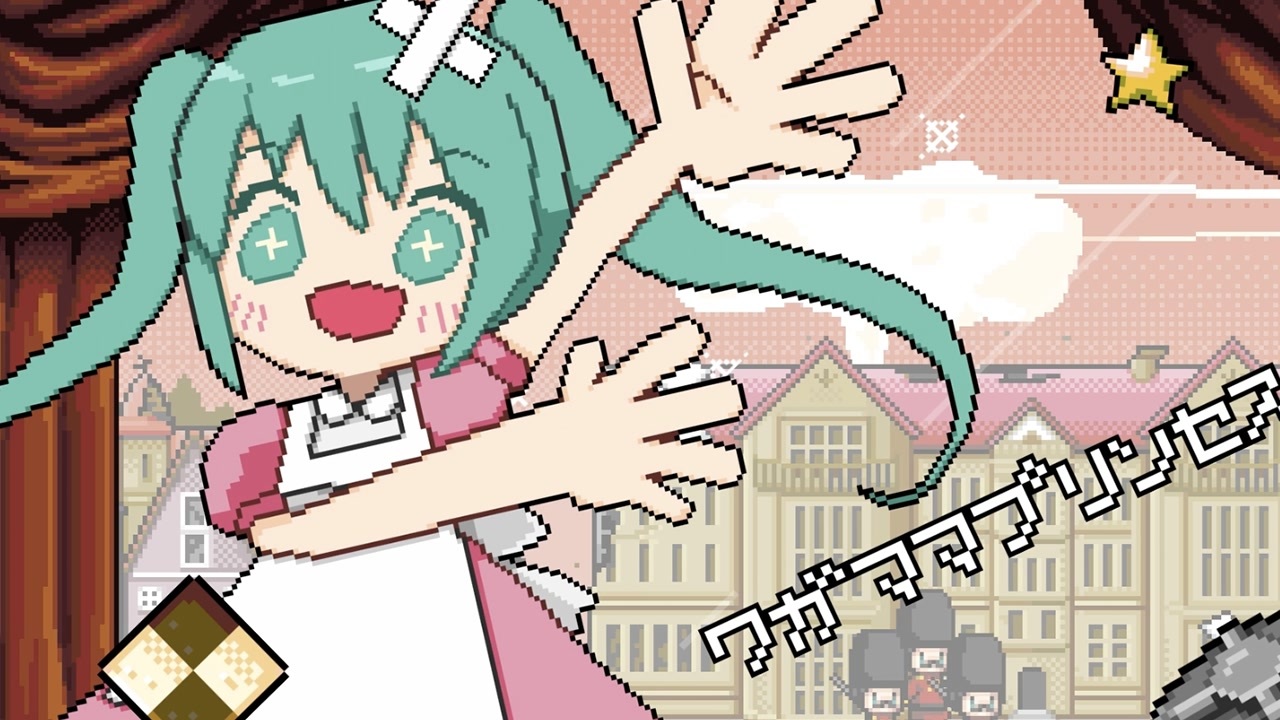
The opening sequence introduces the exterior of the "Twee Box", an ornate, Victorian-style display case that opens on rusty hinges. As the music box begins to spin, the primary puppet jerks upright. An oversized brass winding key juts from its spine, visibly shuddering whenever the vocal track hits an erratic rhythm.
Midway through the video, near the 1:45 mark, the framing shifts from wide theatrical shots to extreme close-ups of porcelain skin cracking under tension. The companion doll attempts to reach out, but the physical apparatus pulls its arm back along an iron track. The tragedy here is entirely physical: the characters possess visual markers of emotional longing, yet their mechanics deny them touch. When their hands finally brush during the bridge, gears seize up, spitting black ink across the stage floor.
The Lyrics Meaning Breakdown: Scripted Joy and Internal Decay
The Japanese lyrics written by Hachi run directly counter to the lively, bouncy tempo of the track. Phrases describing joyous dancing and theatrical bravado alternate with dry descriptions of physical degradation: chipped enamel, fraying threads, and dust gathering on glass eyes.
The title itself provides the first linguistic clue. "Twee" denotes something quaint or affectedly dainty, often with an underlying phoniness. The puppet theater is not a grand opera; it is a cheap novelty designed to entertain transient onlookers. In the opening lines, Hatsune Miku sings of an "invitation to a sleepless night," framing the performance as non-consensual insomnia. The dolls are forbidden from resting because their very consciousness depends on the mechanical crank keeping them wound.
Hachi repeatedly uses theatrical vocabulary, curtain call, spotlight, rehearsal, applause, to mock the autonomy of his characters. When the lyrics reference "singing until the throat rusts," the metaphor ceases to be poetic and becomes visceral. The tragedy within the lyrics lies in the dolls' awareness of their own artificiality. They know their lines are written, their movements are governed by tooth-gears, and their grief serves as cheap theater for an unseen audience.
The Puppet Master Allegory: Autonomy vs. Industry
Beyond its standalone Gothic fairy tale motif, "Twee Box Puppet Theater" operates as a potent puppet master allegory. In 2010, the Vocaloid scene was evolving from an underground music community into a hyper-commercial entertainment ecosystem. Producers were turning Vocaloid avatars into commodities, writing tracks optimized for algorithms and viral chart positions.
Within this context, the song reflects on creative alienation:
- The Vocaloid Software Metaphor: The mechanical doll is Hatsune Miku herself, a synthetic instrument bound by piano-roll grids, forced to sing whatever code the user inputs.
- The Creator's Trap: The puppeteer is equally trapped. In several cuts, shadowy hands manipulate strings from above the frame, but those hands are also wrapped in thin, constricting wires.
- The viewer peering into the Twee Box demands endless novelty, oblivious to the wear and tear on the performers inside.
Hachi was actively wrestling with these exact pressures. Shortly after releasing Official Orange, Kenshi Yonezu began singing with his own voice, stepping out from behind the animated avatars to form his solo identity. Viewed through Yonezu's career arc, "Twee Box Puppet Theater" reads like an early declaration of artistic exhaustion with surrogate characters. He understood that staying inside the Vocaloid "box" meant accepting the role of both puppet and puppeteer in an algorithmic circus.
Visual Storytelling and Surrealist Animation Cues
The art style of "Twee Box Puppet Theater" takes direct cues from early 20th-century European surrealism and Czech stop-motion animation, specifically evoking the textural decay seen in works by Jan Švankmajer and the Quay Brothers. Yonezu eschews clean, anime-style proportions in favor of spindly, arachnid silhouettes.
The color palette reinforces the suffocating setting. Backgrounds are washed in sickly yellows, charcoal grays, and muted crimson. Bright colors appear only as warning signals: a sudden flash of turquoise on a button, or bright vermilion dripping from a mechanical seam. These visual interruptions pull the viewer's attention away from the cheerful rhythm of the music, creating visual cognitive dissonance.
Yonezu also uses spatial distortion to heighten the theatrical tragedy theme. The internal dimensions of the puppet box shift constantly. In wide shots, the stage appears cavernous and empty, emphasizing the dolls' isolation. In close-ups, the wooden walls press in so tightly that the puppets’ limbs hit the boundaries of the screen. This framing turns the digital video canvas itself into the wooden walls of the music box. The viewer is not merely watching a story; they are pressing their face against the display glass.
Frequently Asked Questions
Is "Twee Box Puppet Theater" connected to the lore of "Matryoshka" or "Panda Hero"?
While not directly sharing characters, all three songs belong to Hachi's 2010 creative era on the album Official Orange. They share identical thematic motifs: painted faces, cracked psyches, carnival aesthetics, and characters trapped in nonsensical social machinery.
Why does Hatsune Miku's voice sound distorted throughout the song?
Hachi deliberately tuned Miku with high flutter, rapid pitch bends, and a nasal, metallic timbre. This processing mirrors the physical friction of clockwork gears and phonograph cylinders, reinforcing the idea that the singer is a physical doll wearing down under mechanical strain.
What is the meaning of the broken winding key at the end of the video?
The snapped key signifies the cessation of performance, but not true liberation. Without the mechanical drive to animate them, the puppets simply freeze in place, trapped as inert scrap within the closed box until a replacement key is fitted.
Legacy of Hachi's Mechanical Dolls
"Twee Box Puppet Theater" stands as one of the most coherent visual allegories in early Vocaloid history. Instead of using Hatsune Miku as a blank canvas for generic pop, Kenshi Yonezu turned the software’s artificial nature into the central subject of the work. The clockwork marionette, the snapping cords, and the claustrophobic wooden stage served as honest expressions of an artist testing the physical boundaries of digital storytelling. Sixteen years after its release, the song continues to attract frame-by-frame analysis because its central conflict remains unresolved: the eternal struggle of the performer trying to discover authentic human feeling inside a manufactured machine.