From 'Charlie’s Angels' to Game-Night Chaos: The Evolution of Funny Trio Poses
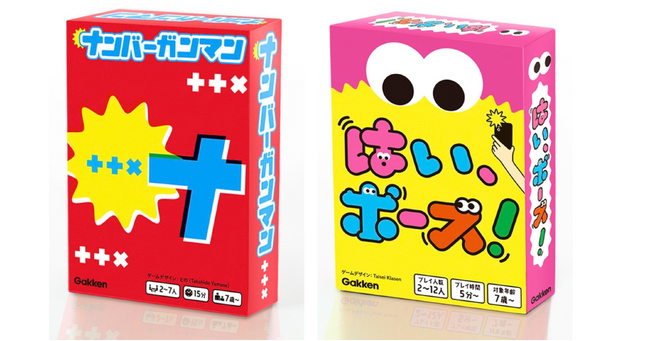
Three people facing a camera lens almost always encounter the exact same visual dilemma. Two people make a couple or a rivalry; four form an even grid. A triad, however, produces an odd number that naturally resists clean, corporate symmetry. For decades, groups broke that visual tension by defaulting to the back-to-back finger guns of a Charlie's Angels parody. Today, that cinematic formula has fractured into intentional awkwardness, absurdist physical comedy, and tabletop party antics. According to a MANTANWEB report on new releases from analog game developer Anaguma and publisher Gakken, physical party titles like Hai, Pose! (Yes, Pose!), where players enact silent prompts with their entire bodies while friends snap smartphone photos to guess the riddle, are turning spontaneous physical comedy into a structured social competition.
The hunger for memorable snapshots has moved far past standard smiles and polite shoulders. Group photo ideas for three people now actively weaponize awkward triangular spacing, borrow physical gags from classic cinema, and pull inspiration directly from viral tabletop challenges. Whether staged on a city street or triggered by a living room party game card, the art of the trio snapshot has become an exercise in deliberate visual humor.
📌 Quick Summary:
- Visual Geometry: Trios disrupt traditional balance, driving creators toward high-energy triangular staging, deliberate height discrepancies, and deadpan physical parodies.
- Tabletop Roots: Physical board games like Anaguma and Gakken’s Hai, Pose! have legitimized snapshot-based guessing games, turning impromptu living-room photography into an interactive medium.
- Generational Evolution: Camera behavior has shifted from the stiff studio postures of the 1970s to the ironic, low-angle meme photography popularized on modern platforms.
How Hollywood Pop Culture Minted the First Funny Trio Poses
Before smartphone camera rolls filled up with chaotic candid trio poses, television and film established how three people should inhabit a single frame. The standard was set in 1976 when Charlie’s Angels debuted on ABC. The promotional posters positioned Kate Jackson, Farrah Fawcett, and Jaclyn Smith back-to-back, establishing a triangular composition where two figures faced outward while the center figure anchored the composition. Within years, that defensive formation became the single most mimicked and parodied stance at school dances, wedding photo booths, and house parties across the globe.
Hollywood comedies quickly realized that subverting this high-glamour triangle yielded instant laughs. When The Three Stooges or Ghostbusters shared promotional stills, directors abandoned clean aesthetic lines in favor of squished frames, colliding elbows, and vertical stacking. Stacking heads behind a doorframe or leaning out at alternating 45-degree angles transformed simple promo shots into slapstick moments. By the early 2000s, films like Anchorman and Superbad showed that three actors standing rigidly side-by-side with completely flat facial expressions could generate more comedic energy than any choreographed movement. That deliberate anti-pose laid the groundwork for today's ironic internet trends.
Tabletop Games and the Mechanics of Physical Group Challenges
The shift from scripted media parodies to organic party fun reached a fresh peak in the autumn of 2026. Board game developer Anaguma, in partnership with educational publishing powerhouse Gakken, launched Hai, Pose! alongside the rapid-fire math card title Number Gunman. Rather than relying on drawing pads or vocal trivia, Hai, Pose! orders participants to embody prompt cards using only their limbs, facial expressions, and spatial coordination. Spectators or teammates take an instant smartphone photo of the setup, analyzing the frozen visual clues to decode the secret phrase.
This gameplay loop points to a broader transformation in how groups document time together. Social media groups no longer gather to take a commemorative photo at the end of an evening; instead, the physical act of staging hilarious friend group poses has become the primary social event itself. Games of this nature force three players into immediate, uninhibited dynamic group posing. One person anchors the base as a physical object, a second stretches across the background, and the third provides frantic facial context. By removing the pressure to look photogenic, these board game challenges offer social permission to lean into full physical chaos.
| Era | Dominant Trio Aesthetic | Primary Cultural Driver |
|---|---|---|
| 1976, 1989 | The Defensive Back-to-Back ("Angels" Triangle) | Network Television & Hollywood Action Franchises |
| 1990, 2009 | Vertical Head-Stacking & The Sarcastic Lineup | Sitcom Promos, Mall Photo Booths, Disposable Cameras |
| 2010, 2021 | The "Third Wheel" Contrast & Forced Perspective | Early Instagram Travel Feeds & Viral Webcomics |
| 2022, 2026 | Deadpan Distortions & Game-Driven Physical Charades | 0.5x Ultra-Wide Mobile Lenses & Interactive Tabletop Games |
Geometry, Asymmetry, and the "Third Wheel" Effect
Every photographer understands that odd numbers provide superior visual interest compared to even numbers. Two people balance a shot evenly. Four create two symmetrical pairs. Three people, however, force the eye to move continuously along a triangle. When groups lean into creative photography poses, they manipulate this triangular geometry to generate comedic tension rather than classical elegance.
The most enduring gag in this format explores the concept of the third wheel. Two members of the trio simulate a melodramatic romantic portrait or a high-society luxury scene, while the third member inserts themselves through contrasting body language. Positioning the third person peeking upside-down from the bottom corner, staring blankly from the far background, or standing completely flat-footed disrupts the artificial seriousness of the photo. By establishing a clear pattern between two subjects and breaking it sharply with the third, the composition naturally invites laughter.
Height manipulation provides another reliable structural gag. When three friends intentionally reverse their natural heights, placing the tallest individual sitting on the ground, the middle person slouching on a stool, and the shortest friend standing triumphantly on a chair, the resulting line feels surreal. These subtle physical inversions transform awkward trio poses into deliberate, calculated works of visual satire.
From Slapstick to Subversion: The Rise of 0.5x Distortion
Hardware innovations shape camera poses just as heavily as cultural trends. The rise of smartphones equipped with ultra-wide 0.5x optical sensors fundamentally changed how friends take candid shots. By dropping the camera low to the floor and tilting the lens upward, close subjects undergo severe perspective warping. Heads appear cartoonishly massive while legs stretch into uncanny, elongated proportions.
Trio compositions thrive under these optical quirks. A viral favorite involves the "three-way foot huddle," where friends stand in an equilateral circle looking down into a camera placed flat on the floorboards. Their foreheads lean forward to crowd the frame, warping facial features into caricature. Another popular reference point pulls from classic hip-hop album covers: one person squats inches away from the wide-angle glass, while the other two loom behind them like an oversized security detail. What used to demand specialized wide-angle glass and studio lighting now takes three seconds in an elevator, giving everyday hangouts an effortless dose of playful melodrama.
Creative Formats Every Group of Three Should Try
Executing funny group photos does not demand theatrical props. The secret lies in total commitment to an absurd concept. If even one participant breaks character with an apologetic grin, the comedic illusion collapses. The funniest images treat bizarre physical situations with total, stone-faced seriousness.
Here are five battle-tested arrangements that make the most of three-person dynamics:
- The Corporate Escalation: Three people stand in a single-file line perpendicular to the camera. The first person crosses their arms and glares sternly at the lens. The second person replicates the exact same pose leaning two inches to the left. The third leans dramatically out to the right, maintaining a completely frozen, corporate brochure expression.
- The Renaissance Human Pyramid: Instead of building an athletic, dangerous gymnastics stunt, build a comically lazy one. Two members get down on hands and knees, while the third simply places an elbow or foot on someone's back like a victorious explorer claiming a mountain summit.
- The Mid-Flight Glitch: Count down from three, but have only two friends leap violently into the air with exaggerated limbs while the center friend stands perfectly stationary, hands in pockets, looking completely exhausted.
- The Fake Surveillance Frame: Use an ultra-wide angle positioned high on a bookshelf or doorframe. Have all three members freeze in exaggerated detective stealth poses, one peering around a wall, one crawling along the rug, and one inspecting an ordinary household item through magnifying glasses.
- The Sequential Height Inversion: Find stairs or uneven street furniture. Position the tallest person at the lowest step and the shortest friend at the top, forcing everyone to match eye levels along an unnaturally straight horizontal plane.
Frequently Asked Questions (FAQ)
Q1: Why do groups of three struggle more with casual photos than pairs or quartets?
A1: An odd number of subjects breaks natural symmetry. Two people balance each other side-by-side, while four split easily into pairs. A trio leaves one person visually stranded unless the group intentionally creates a balanced triangle or leans into that asymmetry for laughs.
Q2: How do tabletop photography games like Hai, Pose! work in group settings?
A2: Designed by game groups like Anaguma and published by Gakken, these titles require players to communicate abstract prompts or numbers using only physical poses. A designated photographer captures the freeze-frame with a phone, and teammates analyze the resulting photo to guess the prompt within a set time limit.
Q3: What camera settings work best for dynamic, candid group posing?
A3: Switch your mobile camera to its ultra-wide setting (0.5x or 0.6x) and hold the device low to the ground pointing up. Use burst mode or a continuous shutter setting so you capture authentic moments of instability, off-balance reactions, and unscripted laughter instead of stiff, frozen poses.
Q4: How can we make a parody of the classic Charlie's Angels pose actually look funny?
A4: Subvert the expected glamour. Instead of slick sideways glances and fingers shaped like pistols, adopt completely deadpan faces, substitute everyday objects like kitchen spatulas or TV remotes for prop weapons, and place the shortest friend in the center trying to look intensely intimidating.
What Lies Ahead for Casual Group Photography
The days of gathering three friends, standing shoulder-to-shoulder, and offering polite, uninspired smiles to a phone camera are fading fast. Audiences and friend groups have developed a keen eye for manufactured perfection, gravitating instead toward raw physical humor, playful self-deprecation, and unhinged physical storytelling. As demonstrated by the rising crossover between tabletop board games and smartphone cameras, photography has moved from a passive recording tool to an active social engine. The next time you find yourself stuck in a trio with an open camera frame, skip the rehearsed poses. Drop low, pick an absurd angle, commit to the bit, and let the geometry of three work its messy magic.