From Flat Loops to Luxury Volume: Step-by-Step Bow Blouse Transformation
Tying a bow blouse looks deceptively simple until you stand in front of a mirror five minutes before a presentation, staring at a limp, twisted knot that sags toward one shoulder. What works effortlessly on a shoelace fails completely on slick silk or featherlight georgette. The difference between an awkward schoolgirl loop and crisp executive tailoring comes down to ribbon tension, torque, and how the fabric passes through the central knot.
Style guides and sartorial studies often miss the mechanical reality of garment drape. As detailed in a Japanese fashion analysis published by the MSN Report, pulling the finishing loop directly forward from the front, rather than wrenching it outward to the sides, locks the core structure in place. This subtle adjustment prevents the fabric from flipping over on itself, giving the knot proper architectural support and stopping midday collar droop before it begins.
📌 Key Takeaways:
- The Core Flaw: Standard tying methods twist the ribbon's wrong side outward, causing loops to roll and collapse against the chest.
- The Forward Pull: Drawing the second loop forward through the central bridge establishes symmetrical ribbon tension that resists gravity.
- Modern Adaptability: Today's modular collar designs let wearers switch between structured corporate knots, soft ascots, and relaxed neck ties.
The Physics Behind Drooping Knots and Uneven Ribbon Tails
Most people tie a blouse using muscle memory developed from tying sneakers. Shoe laces are round, braided, and high-friction. Blouse ties are wide, flat, and cut from low-friction weaves like polyester satin, chiffon, or silk twill. When you apply a standard shoelace knot to a flat band of silk, the ribbon naturally twists 180 degrees inside the core. This twist pushes the back of the fabric forward, creating an uneven knot face and forcing the loops to sit vertically rather than horizontally.
Gravity does the rest of the damage. Without internal tension to anchor the knot, the weight of the hanging tails pulls the loops down. The loops flatten against the sternum within an hour of wear.
A professional bow knot needs a stable foundation. You must establish a flat, unwrinkled wrap across the collarbones before you form the first loop. If the initial crossover bunches up, the finished bow will inevitably sit crooked. Proper alignment balances the downward pull of the tails against the upward tension of the loops. This balance keeps the knot centered over your breastbone all day.
The Step-by-Step Method for Symmetrical Bow Shaping
Creating an architectural bow requires deliberate, repeatable hand movements. Treat the fabric like a structural ribbon rather than a piece of string.
Step 1: The Foundation Cross
Drape the ties evenly around your neck. Cross the right ribbon over the left ribbon, keeping both strips completely flat against your collarbone. Bring the top tie under and through the neck loop. Pull firmly so the base rests snug against your throat or sternum, depending on the neckline depth. The tie coming out of the top should remain pointing upward; the lower tie should point straight down.
Step 2: Forming the Base Loop
Take the lower ribbon, the one hanging downward, and fold it horizontally to create the initial loop. Hold this loop flat with your non-dominant hand, parallel to your shoulders. Keep the finished face of the fabric facing directly outward toward the mirror.
Step 3: The Front-Pull Lock
Take the upper ribbon and bring it straight down over the middle of the base loop. Wrap it tightly around the center to create the knot's visible core. Instead of pushing the second loop through the back channel and yanking it outward sideways, fold the remaining tail into a loop and push it through the back opening toward the front. Grip both loops firmly by their inner folds and draw them forward. This directional pull squares the central knot and locks the ribbon tension securely in place.
Step 4: Loop Fluffing and Tail Alignment
Gently tug the outer edges of each loop to expand the fabric wings. Smooth the hanging tails downward so they frame the loops without twisting. If one loop looks smaller, do not pull its tail directly. Instead, slide the base of the loop gently through the central knot to balance both sides.
Comparing Blouse Tie Variations Across Fabric and Collar Types
Different weaves react differently to tension and knotting. Choosing the wrong knot for your blouse's fabric weight leads to bulky knots or sagging loops.
| Fabric Type | Recommended Knot Style | Loop Tension & Adjustment | Day-Long Hold Factor |
|---|---|---|---|
| Chiffon & Georgette | Double-loop front pull with fluffed wings | High tension at center; requires airy, rounded loop spreading | Moderate (slips easily without tight center wrap) |
| Silk Twill & Crepe | Classic symmetrical executive knot | Medium tension; naturally holds structured folds | High (natural texture creates reliable friction) |
| Polyester Satin | Single-turn flat bridge with extended tails | High tension; avoid over-tightening to prevent puckering | Low to Moderate (requires micro-pinning or double wrap) |
| Cotton Poplin Blend | Crisp, architectural half-bow or ascot drape | Low tension; ironed folds dictate the final silhouette | Very High (stiff weave resists shifting) |
Corporate Tailoring and the Rise of Multi-Way Collar Systems
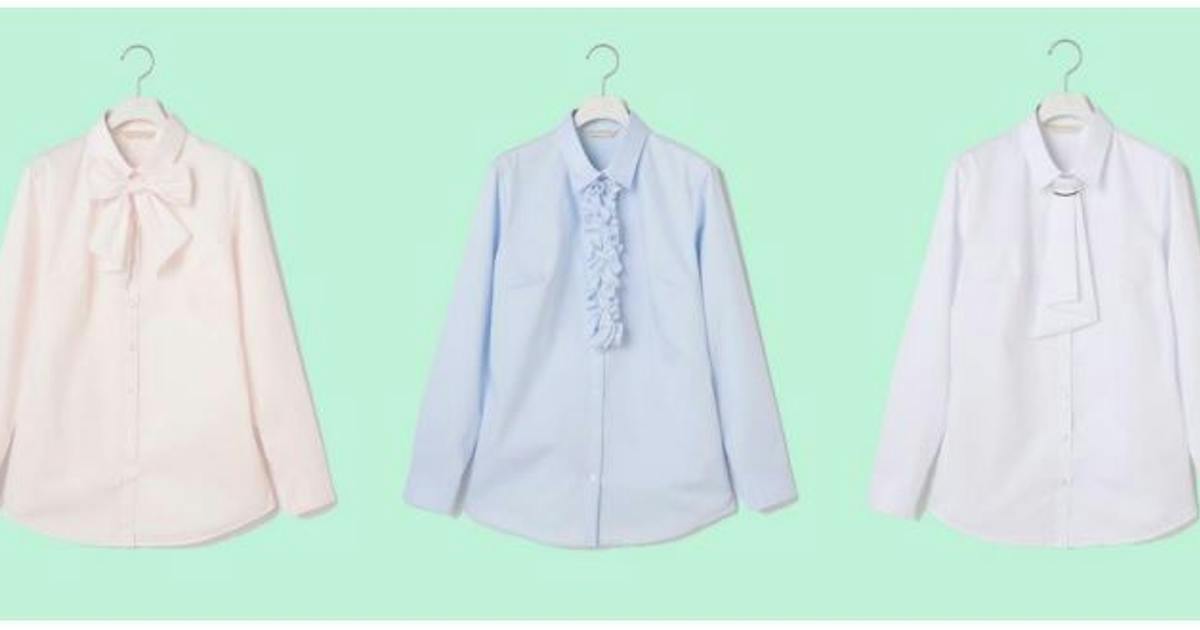
The bow blouse has shifted from vintage formalwear to a cornerstone of modern work wardrobes. Japanese apparel manufacturers have led this design evolution. Suiting brand Haruyama introduced multi-way bow blouses through its Perfect Suit Factory line, designed specifically for women who want flexible business attire. Their designs feature convertible loops that transform between a full symmetrical bow, a sleek knotted tie, and an open stand collar.
A fashion analysis from the Yomiuri Shimbun noted that the bow blouse balances softness with sharp authority. It pairs naturally with both structured blazers and relaxed weekend knitwear. Rather than keeping blouses stuck in rigid, traditional silhouettes, corporate wear now leans into convertible tailoring.
A multi-way collar gives professionals versatility throughout the workweek. Wear a structured, voluminous bow for client meetings or executive presentations. Shift to a loose, flowing knot when working at your desk, or leave the ties unknotted like a scarf under an unstructured cardigan on casual Fridays.
Fabric Drape Management and Real-Time Fixes for Midday Sag
Even a well-tied bow can shift after hours of typing, leaning over desks, and commuting. Keeping it sharp throughout the day requires simple maintenance habits rather than constant trips to the restroom mirror.
The most common culprit is downward drag. If your jacket collar presses against the back of your blouse band, the friction tugs the tie backward, pulling the front knot up against your neck and skewing the loops. Make sure the blouse collar sits slightly above or completely below the blazer collar, never caught halfway beneath the lapels.
If the center knot loosens by mid-afternoon, do not untie the entire blouse. Place your thumb behind the center bridge and your index finger on the front. Squeeze the knot firmly, then gently pull both loops outward at an upward 45-degree angle. This tightens the inner loop channels without wrinkling the flat ribbon tails. For slippery fabrics like satin, a discreet fabric-safe fashion tape dot or a hidden tailor pin behind the central knot will keep the loops anchored to your collar placket from morning to evening.
Frequently Asked Questions (FAQ)
Q1: Why does my blouse bow always tilt sideways instead of sitting straight?
A1: Tilting happens when you pull the loops sideways during the final tightening step, or when the initial crossover twist is uneven. Ensure the first cross lies flat against your chest. When completing the knot, pull the loops forward toward the mirror rather than pulling them left and right.
Q2: How can I stop slippery chiffon ribbons from coming undone during the workday?
A2: Chiffon lacks the surface friction of cotton or wool. Use a double-wrap base knot before shaping the loops, or slide a small, clear mini-elastic band over the tails directly behind the central knot to act as an invisible stopper.
Q3: How do I style a bow blouse for a casual setting without looking overdressed?
A3: Skip the full symmetrical bow. Tie the ribbons into a loose, low ascot drape resting at the mid-chest, or knot them once like a necktie and let the tails hang freely over dark denim or wide-leg trousers.
Precision Styling as a Professional Skill
A sharp bow blouse brings polished, intentional structure to any outfit. The difference between an untidy knot and a clean, sculptural silhouette comes down to how you handle the fabric. Pay attention to how the ribbon wraps, pull the loops forward rather than out to the sides, and match your knot style to the fabric's weight. These small adjustments transform a frustrating morning routine into a reliable, polished finishing touch. Practice the forward-pull technique in front of a mirror a few times, and you will be able to tie an even, secure bow in seconds every morning.