From Frustration to Clean Finish: How Viral Life Hacks Solved the Dish Sticker Problem
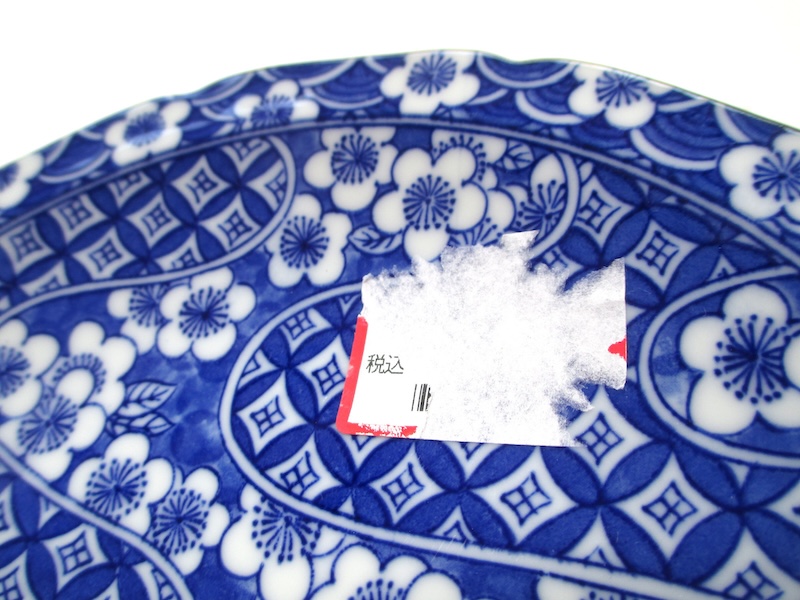
Few domestic annoyances match the irritation of peeling a paper price tag off a newly purchased ceramic bowl, only to watch the top paper tear away, leaving behind a jagged patch of hardened gum. For decades, home cooks attacked these sticky patches with fingernails, butter knives, or scalding water, often scratching delicate glazes or spreading gooey gray smears across the bottom of expensive dishware. That universal kitchen frustration recently reached a tipping point across online communities, prompted by public conversations around home waste sorting and consumer packaging. When professional waste collector and comedian Shuichi Takizawa shared practical guidance on label management on social platform X, as highlighted in a recent livedoor ニュース Report, it reignited broader household debates over how consumers handle sticky packaging, prompting lifestyle communities to trade tested domestic chemistry techniques.
The resulting wave of viral lifestyle hacks did something unexpected: it systematically mapped out which household staples successfully break the chemical bonds of pressure-sensitive glues. Across millions of views on social video platforms and lifestyle feeds, practical chemistry replaced brute force. From pantry oils to bathroom vanity creams, consumers realized that cleanly prepping brand-new dinnerware requires understanding adhesive solubility rather than aggressive scraping.
📌 Key Takeaways:
- Core Finding: Pressure-sensitive adhesives yield rapidly to targeted lipid emulsions or mild solvents, making sharp scrapers entirely unnecessary.
- Chemical Mechanism: Acrylic and rubber adhesives dissolve through lipid infiltration (oils, lotions) or alcohol solvating, while thermal softening loosens surface tension in under 45 seconds.
- Practical Routine: Start with dry heat via a hair dryer for pristine paper labels; use a localized hand cream or vegetable oil treatment for stubborn leftover glue.
Why Modern Retail Price Tags Refuse to Let Go
Modern price tag adhesive relies heavily on pressure-sensitive adhesives (PSAs), typically formulated from synthetic acrylic polymers, rubber compounds, and tackifying resins. Manufacturers choose these formulations because they grip smooth surfaces instantly at room temperature without requiring moisture or solvent activation. On non-porous surfaces like ceramic and glass dishware, these glues form a microscopic mechanical interlock with the smooth silica substrate. When you attempt to peel the label cold, the tensile strength of the paper backing is lower than the shear adhesion of the glue. The paper tears, exposing the sticky polymer layer beneath.
Storage conditions accelerate this bond. Consumer reports from digital outlets like MSN and Rakuten Infoseek emphasize that stickers left on store shelves through hot summer months or exposed to retail display lighting experience accelerated adhesive hardening. Ultraviolet radiation and ambient warmth cause polymer cross-linking, turning flexible glues into brittle, petrified films. Water alone often fails to break these bonds because synthetic acrylic adhesives are hydrophobic; running a plate under the faucet merely wets the paper face while sealing the tacky polymer against the plate surface.
Thermal Release: The Hair Dryer Heat Method
The cleanest sticker removal happens before water or liquid chemicals ever touch the plate. Applying dry heat targets the glass transition temperature of thermoplastic adhesive compounds. When warmed, the polymer chains loosen, reducing their viscosity and significantly dropping their peel resistance.
Directing a standard hair dryer at medium-to-high heat roughly 2 to 4 inches away from the price tag for 30 to 45 seconds warms the ceramic surface beneath. This allows the heat to penetrate the adhesive layer from both sides. Once the paper feels hot to the touch, lift a corner with a thumbnail or plastic scraper and pull slowly at a 45-degree angle. In roughly 85% to 90% of retail dishware tests, the label lifts away in a single piece, carrying the underlying glue with it. This zero-mess step eliminates residue entirely before wet cleaning begins.
Kitchen Chemistry: The Hand Cream Adhesive Hack and Cooking Oil Trick
When a label tears prematurely and leaves behind stubborn gunk, water-based soaps rarely penetrate the hydrophobic glue. This limitation explains why the hand cream adhesive hack gained widespread popularity on Yahoo! News and lifestyle message boards. Hand lotions contain oil-in-water emulsions rich in mineral oils, stearic acid, and glycerin. When massaged directly onto exposed adhesive, these non-polar lipid compounds penetrate the polymer matrix, dissolving the tackifiers without releasing harsh chemical odors inside the kitchen.
The cooking oil trick operates on an identical chemical principle. Applying several drops of standard canola, olive, or sunflower oil directly to sticky remnants and letting it sit for 10 to 15 minutes allows the vegetable triglycerides to soften the rubber base. Wipe the area firmly with a dry paper towel, and the adhesive rolls off into small, non-sticky beads. A standard wash with warm dish soap afterward washes away the residual oil, leaving the plate food-safe and spotless.
Solvents, Soaks, and Abrasives: Performance Comparison
Different adhesives respond to different chemical mechanisms. The table below outlines how common home and commercial solutions compare across efficiency, cost, and surface safety.
| Removal Method | Primary Mechanism | Typical Dwell Time | Safe Dishware Surfaces |
|---|---|---|---|
| Hair Dryer Heat Method | Thermal softening of thermoplastic polymers | 30, 45 seconds | Glazed stoneware, porcelain, tempered glass |
| Hand Cream or Cooking Oil | Lipid penetration & emulsification | 10, 15 minutes | All ceramic, glass, stainless steel, acrylic |
| Rubbing Alcohol (70%, 91% Isopropyl) | Organic solvent breakdown of acrylic resins | 1, 3 minutes | Glazed ceramics, glass (avoid painted trims) |
| Baking Soda Paste & Dish Soap | Surfactant action plus micro-abrasive friction | 5, 10 minutes | Heavy stoneware, durable everyday glass |
| Warm Soapy Water Soak | Paper fiber hydration (weak against acrylics) | 20, 30 minutes | General dishware (water-soluble gums only) |
| Commercial Adhesive Remover | Citrus terpene or petroleum distillate solvent | 1, 2 minutes | Glass, glazed ceramic (requires thorough wash) |
Protecting Ceramic Glazes, Gold Rim Details, and Glassware
Aggressive scraping often creates irreversible micro-scratches on vitreous surfaces. While porcelain and dense stoneware feature hard silica glazes, gold-leaf accents, delicate platinum rims, and lead crystal require careful handling. Metal razor blades, steel wool, and heavy abrasive powders readily scratch these decorative metals and softer silicate glasses.
When mechanical wiping is necessary, pair your solvent with a non-scratch scrubber, an old microfiber cloth, or an expired plastic gift card. If dealing with mineral residue or alkaline water marks alongside the glue, a warm white vinegar solution helps dissolve surface haze. However, avoid soaking antique earthenware with unglazed foot rings in acidic vinegar or heavy oils for extended periods, as porous bisque clay can absorb liquids and discolor over time.
Retail Realities: Security Tags, Sorting Rules, and Safe Disposal
Household sticker removal occasionally overlaps with broader retail and regulatory systems. While standard dishware stickers are simple retail bar codes, legal queries on Japanese portals like Bengo4.com show that consumers sometimes encounter tamper-evident security labels designed to fragment deliberately into honeycomb patterns. Retailers use these security tags to prevent price tampering or shoplifting. Attempting to peel these security tags cold often creates heavy, bonded residue deposits that resist basic water soaking.
Disposal guidelines shared by municipal waste collectors, including Shuichi Takizawa, highlight that plastic containers and glass bottles rarely require 100% label removal to be processed in municipal recycling facilities. For eating surfaces, however, consumer safety demands complete removal. Food residue clings to adhesive traces, creating an unhygienic surface that harbors bacteria. Ensuring that dinnerware surfaces touching food are free of solvent residues requires a thorough scrub with warm water and surfactant dish soap following any oil or chemical treatment.
Frequently Asked Questions (FAQ)
Q1: Why does soaking brand-new plates in boiling water sometimes make the sticker harder to remove?
A1: Boiling water dissolves water-soluble paper backings while cooking certain synthetic acrylic glues into gummy, rubbery films. Once the paper layer breaks down into pulp, the adhesive bonds directly to the plate without a top layer to pull against. Dry heat from a hair dryer is far more reliable for initial removal.
Q2: Will rubbing alcohol or vinegar damage vintage porcelain with painted patterns?
A2: Glazed patterns fired at high kiln temperatures resist rubbing alcohol and white vinegar without issue. However, over-glaze enamel hand-painted designs or vintage metallic leaf details (such as gold or platinum trim) can dissolve or dull under solvent exposure. Stick to vegetable oil or hand cream for vintage or gilded pieces.
Q3: Is dishware safe to eat from after using commercial adhesive removers?
A3: Yes, provided you wash the item thoroughly afterward. Commercial removers containing d-limonene (citrus extract) or light petroleum distillates leave oily, aromatic residues. Wash the plate twice with warm soapy water using a sponge to strip all solvent film before serving food.
The Fast, Clean Routine for Every New Kitchen Plate
The days of chipping away at retail labels with dinner knives and dulling fine kitchenware are over. The most efficient kitchen prep routine follows a simple, two-step sequence: apply 30 seconds of hair dryer heat to peel the dry sticker intact, followed by a pea-sized dab of hand cream or cooking oil on a paper towel if any tacky ring remains. This approach protects delicate glazes, keeps dinnerware food-safe, and turns an old post-shopping headache into a quick, 60-second chore.