From Morning Chaos to Clean Strands: A Minute-by-Minute Rescue Guide for Gum in Hair
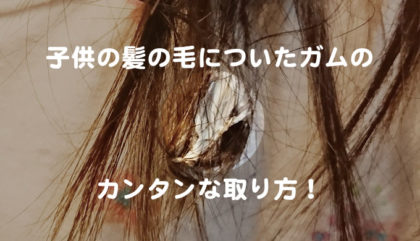
It is 7:15 AM on a school morning, and your child has managed to press an elastic wad of bubble gum straight into their crown. The immediate impulse is panic, often followed by rummaging through a drawer for kitchen scissors. Do not touch the shears. Chopping a chunk of hair leaves behind uneven patches and months of awkward styling regret when basic kitchen chemistry can resolve the crisis without losing a single strand. Household adhesive accidents happen constantly, a reality recently highlighted by practical maintenance coverage in a livedoor ニュース Report examining how adhesive materials bind to stray fibers and household surfaces. When an industrial gum base tangles with fine human hair, scientific principles beat brute force every time.
Learning how to get gum out of hair quickly comes down to understanding what chewing gum actually is. The synthetic polymers that give bubble gum its chew are hydrophobic, meaning water simply repels them and seals the trap tighter. To dissolve the mass, you need common household lipids that penetrate the rubber base, loosen the mechanical lock on the hair cuticle, and allow painless gum removal before the morning bus pulls up to the curb.
📌 Quick Summary:
- The Chemical Fix: Chewing gum base is hydrophobic; tap water hardens it, while pantry oils dissolve its polymer structure on contact.
- The Preferred Solvents: Creamy peanut butter, olive oil, and coconut oil dissolve the bond within five to seven minutes without breaking strands.
- The Golden Rule: Never yank with brute force. Slide the mess down the shaft using a wide-tooth comb from tip to root to prevent permanent follicle stress.
The Science of Sticky Strands: Why Water Makes Gum Worse
Most commercial chewing gum relies on synthetic rubbers, including polyisobutylene and polyvinyl acetate. Manufacturers design these polymers to withstand saliva, mastication, and temperature swings inside the mouth. Because the gum base is completely hydrophobic, running warm water over an emergency hair tangled gum scenario only makes things worse. Water repels the rubber while smoothing the outer surface, sealing the wad tightly against the hair shaft.
Keratin fibers have a rough, microscopic scale pattern known as the cuticle layer. When gum gets crushed into dry or textured hair, it presses into these microscopic crevices like wet asphalt filling cracks in concrete. Pulling on the clump stretches the rubber, increasing tension along the hair shaft until the follicle snaps. Solving the problem requires non-polar substances that break down the synthetic matrix from within, separating the rubber polymers so they lose their grip on the hair cuticle.
The Ten-Minute Morning Rescue: A Minute-by-Minute Timeline
When the clock is ticking before homeroom, you need a disciplined sequence. This step-by-step breakdown gets tangled gum out cleanly in under ten minutes:
Minutes 0, 2: Isolate the Damage Zone. Use clips, hair ties, or a piece of aluminum foil to separate the gum-soaked section from the rest of the head. Protecting unaffected strands prevents the sticky mass from spreading across clean layers as you work.
Minutes 2, 4: Saturate the Clump with Cooking Fat. Apply a generous dollop of olive oil, liquefied coconut oil, or smooth peanut butter directly onto the wad. Massage the product into the center of the gum with your fingertips, pressing the fats deep into the interior core of the rubber.
Minutes 4, 7: Let the Base Dissolve. Allow the oil to sit untouched for at least three minutes. You will feel the gum transform from a firm, rubbery lump into a mushy, slippery paste as the vegetable lipids weaken the synthetic elastomer chains.
Minutes 7, 9: The Gentle Comb-Through. Take a wide-tooth comb and begin detangling just below the lower edge of the gum wad. Pull gently downward. The clump will slide down the hair shaft in manageable ribbons. Wipe the comb on a paper towel after each stroke to avoid redistributing sticky residue.
Minutes 9, 10: Degrease and Rinse. Once every trace of gum leaves the hair, apply a dime-sized drop of grease-cutting liquid dish soap or clarifying shampoo directly to the oily patch. Lather thoroughly with warm water, rinse clean, and follow with standard conditioner.
Pantry Solvents Tested: Oils, Fats, and Freezing Compared
Every household has different supplies ready during a morning crisis. While several kitchen items can loosen gum, their speed, mess factor, and suitability across fine versus coarse hair types vary considerably.
| Method | Breakdown Speed | Clean-Up Difficulty | Best Hair Compatibility |
|---|---|---|---|
| Peanut Butter Method | 4, 6 minutes | Moderate (nut particles require thorough wash) | Thick, wavy, or coarse textures |
| Olive Oil Gum Remover | 3, 5 minutes | Low (washes clean with regular shampoo) | All textures, especially thin or fine hair |
| Coconut Oil Hair Rescue | 3, 5 minutes | Low (doubles as a deep conditioning agent) | Curly, dry, or color-treated hair |
| Silicone Hair Conditioner | 7, 10 minutes | Very Low (standard rinse-out formulation) | Sensitive scalps and bleached strands |
| Ice Cube Freezing Technique | 12, 18 minutes | Zero cleanup residue | Short cuts, buzzes, and ends only |
The traditional peanut butter method works because of its high concentration of peanut oil, but chunky varieties can leave small bits stuck in hair. Pure olive oil or warmed coconut oil delivers faster breakdown speeds without creating extra grit. While the ice cube freezing technique remains popular in school folklore, freezing gum makes it brittle rather than dissolved. Snapping frozen gum often snaps the surrounding hair fibers along with it, making freezing a secondary option compared to lipid-based solvents.
Mechanical Technique: Preventing Permanent Cuticle Breakage
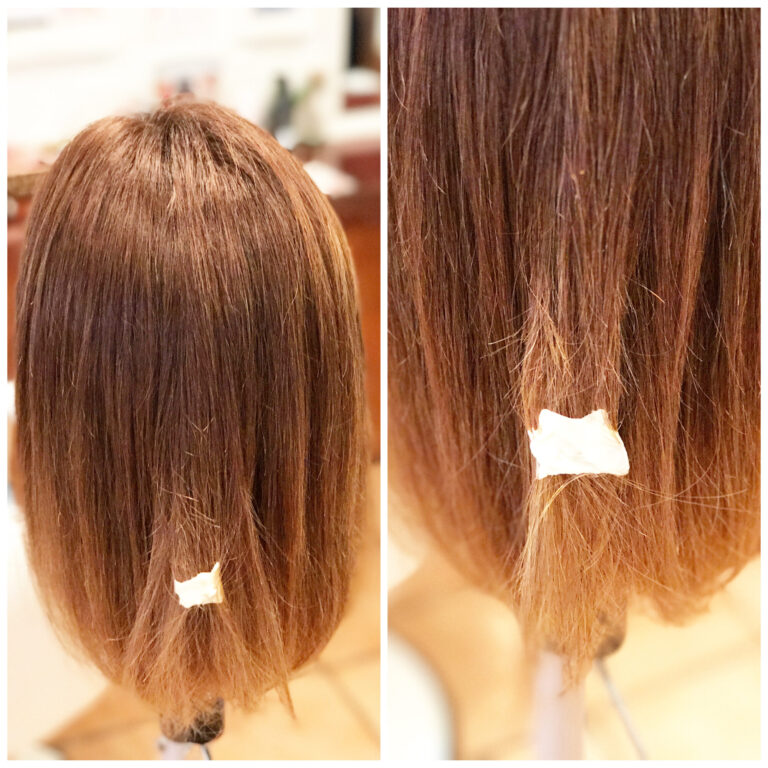
Chemical softening is only half the battle. How you mechanically pull the gum away determines whether hair damage prevention succeeds. Dragging a standard fine-toothed brush through sticky strands can easily rip follicles directly from the scalp.
Always reach for a wide-tooth comb made of rigid plastic or polished wood. Support the hair shaft with your non-dominant hand directly above the gum cluster, clamping your fingers firmly near the roots. This isolates mechanical tension and stops the comb from pulling painfully on the scalp. Comb strictly in short, downward strokes, peeling the outer layers of gum away piece by piece.
If you meet stubborn friction halfway down, apply a quarter-sized dab of silicone hair conditioner to coat the remaining tangled hair fibers. Modern conditioners loaded with dimethicone coat the open cuticles with a slick film, creating zero-friction slip that lets the final pieces slide off easily.
Why Kitchen Shears Should Never Leave the Drawer
Reaching for scissors is an emotional reaction to feeling overwhelmed. Yet cutting gum out of hair near the scalp leaves behind a short, spiky stub that can take anywhere from six to eighteen months to blend back into the natural hairstyle. For bangs, crown layers, or hairline sections, cutting causes lasting cosmetic annoyance.
A ten-minute investment using standard vegetable fats dissolves even heavily embedded bubble gum cleanly. The chemical reaction between plant oils and gum base is consistent: the lipids loosen the synthetic polymers, and the rubber releases its mechanical grip on the hair cuticle. Taking a deep breath and grabbing the cooking oil bottle spares everyone the stress of a sudden, uneven haircut.
Frequently Asked Questions (FAQ)
Q1: Does smooth peanut butter work better than pure vegetable oil?
A1: Both work on the same chemical principle, but pure vegetable or olive oil is faster and cleaner. Peanut butter functions entirely because of its natural peanut oil content, but its ground nut solids add unnecessary debris to the tangled hair that must be washed out later.
Q2: Is the ice cube freezing method safe for thin or bleached hair?
A2: Freezing is risky for fragile, color-treated, or bleached hair. Chilling the gum with ice freezes the moisture inside adjacent hair cuticles, making strands brittle. When you crack the hardened gum, fragile hair strands often fracture right alongside it. Liquid oils offer a gentler approach.
Q3: How do you completely remove stubborn oil residue after the gum is gone?
A3: Regular moisturizing shampoos struggle to break down heavy culinary oils like olive or peanut oil. Instead, rub a drop of grease-cutting liquid dish soap directly into dry or damp oily strands before running water. The surfactants will lift the heavy lipids immediately, after which standard shampooing leaves the hair clean and soft.
Restoring Strands After the Morning Kitchen Rescue
Once the gum slides away and the oil washes clean, the affected hair needs gentle care. The physical friction of chewing gum stretching against dry cuticles can leave the hair shaft slightly roughened. Applying a nourishing leave-in conditioner or argan oil serum smooths down ruffled cuticles, prevents morning frizz, and locks in needed moisture.
Adhesive mishaps will always disrupt busy family mornings, but they do not have to end in an emergency haircut. Relying on simple, proven chemistry allows you to tackle tangled gum quickly and send your child out the door on time, completely intact.