From Post-War School Lunches to NHK's Omusubi: How Japan's Nutritional Qualifications Transformed
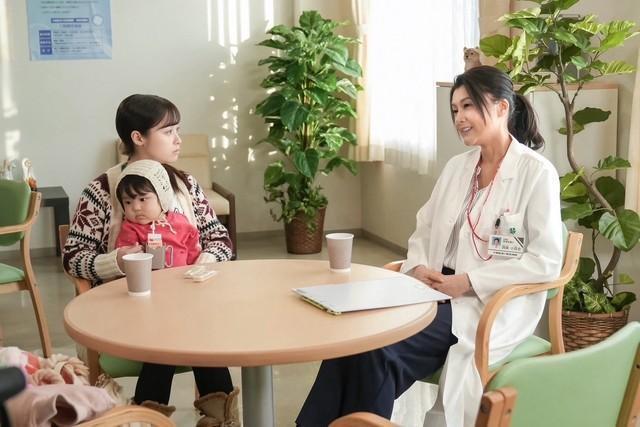
When NHK's morning drama Omusubi tracked the journey of its protagonist Yui Yoneda from rural Fukuoka to the disaster-scarred kitchens of Kobe, it touched a cultural nerve that resonated far beyond daytime television. As covered in an アメーバニュース Report analyzing the drama's vocational themes, the narrative spotlighted a persistent source of confusion for the Japanese public: the stark division between a standard dietitian (Eiyoshi) and a registered dietitian (Kanri Eiyoshi). While popular imagination often groups both titles under the general umbrella of menu planning and institutional cooking, Japanese administrative law treats them as fundamentally distinct tiers of practice.
The distinction is not semantic. It determines whether a practitioner can prescribe therapeutic feeding regimens for acute kidney failure in university hospitals or manage large-scale batch cooking for primary school lunchrooms. Japan's post-war recovery was built on stamping out childhood malnutrition through centralized kitchen facilities, but demographic aging and surging lifestyle-related metabolic disorders have forced the state to transform nutrition into an aggressive branch of preventive clinical medicine.
📌 Key Takeaways:
- Licensing Authority: Dietitians receive prefectural governor credentials through vocational training, whereas registered dietitians earn Ministry of Health, Labour and Welfare certification via a rigorous national examination.
- Clinical Scope: Standard dietitians serve healthy populations through institutional food services, while registered dietitians administer medical nutrition therapy to hospitalized patients and individuals with complex chronic illnesses.
- Economic Reality: Registered dietitians command higher career ceilings and specialized hospital allowances, yielding average annual salary premiums of ¥400,000 to ¥900,000 over their municipal peers.
The Post-War School Lunch Mandate That Built the First Tier
The origins of Japan's nutritional framework trace directly to the rubble of 1945. Widespread caloric deficits and stunted adolescent growth compelled the Japanese government, under Allied occupation, to pass the Nutritionist Law of 1947. The primary objective was straightforward: produce hundreds of qualified kitchen supervisors who could ensure adequate macro- and micronutrient distribution across schools, factories, and municipal dormitories.
This initiative created the baseline Eiyoshi license. Supervised at the prefectural level, the credential prioritized culinary execution, sanitary food handling, and caloric balancing for healthy groups. The system succeeded brilliantly. By the late 1950s, the nationwide expansion of school lunches (kyushoku) dramatically reduced childhood rickets and nutrient deficiencies. A standard dietitian could graduate from a two-year vocational college or junior college, apply directly to their local prefectural governor, and immediately begin managing communal menus.
For three decades, this operational model met the country's public health goals. Dietitians calculated mass calorie targets, sourced domestic ingredients, and ensured that elementary school students drank their daily bottle of milk. However, as the Japanese diet shifted away from traditional staples toward higher animal fats and refined sugars, the nature of national disease shifted with it.
The 1962 Turning Point and the Rise of Clinical Nutrition Therapy
By the early 1960s, Japan was no longer fighting widespread caloric starvation. It was confronting the early wave of stroke, hypertension, diabetes, and cardiovascular failure. A school lunch supervisor trained in broad caloric math was ill-equipped to calculate renal osmolarity, electrolyte clearance, or enteral tube formulations for critical care wards. In 1962, the Dietitians Act established the Kanri Eiyoshi title, followed by sweeping regulatory overhauls in 2000 that turned it into a full-fledged national medical qualification certified by the Ministry of Health, Labour and Welfare (MHLW).
Today, the divide is clean and non-negotiable. Standard dietitians (Eiyoshi) focus on institutional food service management for fundamentally healthy populations, including daycare centers, corporate cafeterias, and school kitchens. Registered dietitians (Kanri Eiyoshi) deliver clinical nutrition therapy (eiyo chiryo). They evaluate blood chemistry profiles, adjust parenteral formulas, interface directly with attending physicians, and provide outpatient dietary counseling for individuals with diabetes, nephropathy, and severe dysphagia.
This division became intensely visible in early 2025 during the broadcast of NHK's Omusubi. In the drama, Yui's decision to pursue the national credential stemmed directly from witnessing how chronic diseases like pyelonephritis demanded rigorous biochemical nutrition rather than simple home cooking. The story reflected what healthcare analysts had tracked for years: nutritional intervention in Japan has evolved from domestic caretaking into clinical triage.
Exam Hurdles, Training Pathways, and Credential Metrics
Earning each license demands entirely different commitments of time, study, and institutional accreditation. To become a standard dietitian, a student must complete two to four years at a Ministry-designated nutritionist training facility. Upon graduation, they receive their license directly from the prefectural governor without sitting for a state board exam.
Achieving the national registered dietitian title requires clearing one of two rigorous tracks before passing the annual national examination administered by the MHLW every February or March. The direct track requires four years at an accredited registered dietitian university. Graduates take the exam immediately upon graduation. The progressive track allows standard dietitians from two- or three-year junior colleges to sit for the exam, but only after completing one to three years of documented full-time practical work experience in hospitals, schools, or welfare centers.
| Structural Metric | Dietitian (栄養士 / Eiyoshi) | Registered Dietitian (管理栄養士 / Kanri Eiyoshi) |
|---|---|---|
| Certifying Body | Prefectural Governor (To/Do/Fu/Ken) | Minister of Health, Labour and Welfare |
| Licensing Exam | None (Automatic upon graduation) | National Examination (200 questions, 1 day) |
| Typical National Pass Rate | N/A | 55%, 65% Overall (New grads: ~85, 90%; Workers: ~15, 25%) |
| Target Patient Profile | Healthy individuals, students, general public | Inpatients, elderly with dysphagia, chronic disease patients |
| Average Annual Compensation (2024, 2026) | ¥3.1M, ¥3.5M ($20,000, $23,000) | ¥3.7M, ¥4.4M ($24,500, $29,000; up to ¥5M+ in clinical leadership) |
| Primary Work Environments | Preschools, catering firms, corporate dining | General hospitals, long-term care wards, health clinics |
The split in national exam passing rates reveals the real-world friction of this system. While university seniors enrolled in specialized four-year programs routinely pass at rates hovering around 90%, working dietitians attempting the exam after years on factory or cafeteria lines face brutal hurdles. Their passing rate frequently plummets below 20% due to the intensive medical biochemistry, pathology, and pharmacology questions featured on the 200-question paper.
Compensation Realities and Institutional Staffing Mandates
Salary surveys conducted across healthcare institutions show an enduring compensation gap between both titles. A standard dietitian working for a contract catering company or a municipal daycare typically earns between ¥3.1 million and ¥3.5 million annually. Advancement paths are limited, often plateauing at site manager positions.
Registered dietitians working in acute care hospitals, administrative public health centers, or pharmaceutical development see starting packages around ¥3.7 million to ¥4.4 million, with senior clinical team leads and certified diabetes educators clearing ¥5.2 million. Japanese national health insurance regulations dictate this financial disparity. Under the Medical Care Act and health insurance reimbursement schedules, hospitals can bill for specialized nutritional management fees (eiyo kanri jishi kasan) and individual nutritional guidance fees only when a registered dietitian conducts the therapy.
Furthermore, facilities serving large meal volumes face statutory staffing requirements. Under the Health Promotion Act, facilities that provide more than 100 meals per feeding or 250 meals per day to individuals with specific health conditions must employ at least one registered dietitian on-site. General hospitals with more than 100 beds are legally compelled to maintain registered dietitians to secure reimbursement approvals, turning the credential into an operational necessity for institutional survival.
Public Health Shifts: Sarcopenia, Dysphagia, and Aging Demographics
In municipal health centers across Tokyo, Osaka, and regional prefectures, nutritional planning has moved away from simple calorie counting. Japan's super-aged demographic profile, where citizens aged 65 and older represent nearly 30% of the total population, has introduced complex challenges surrounding frailty (fureiru), muscle loss (sarcopenia), and swallowing disorders (dysphagia).
A standard dietitian can formulate delicious, calorically sufficient meals for an adult community center. Yet modifying those exact meals for an 84-year-old stroke survivor with impaired swallowing reflexes requires an entirely different clinical skill set. The registered dietitian must calculate texture adjustments, track hydration levels, and monitor serum albumin levels to prevent aspiration pneumonia and gradual starvation.
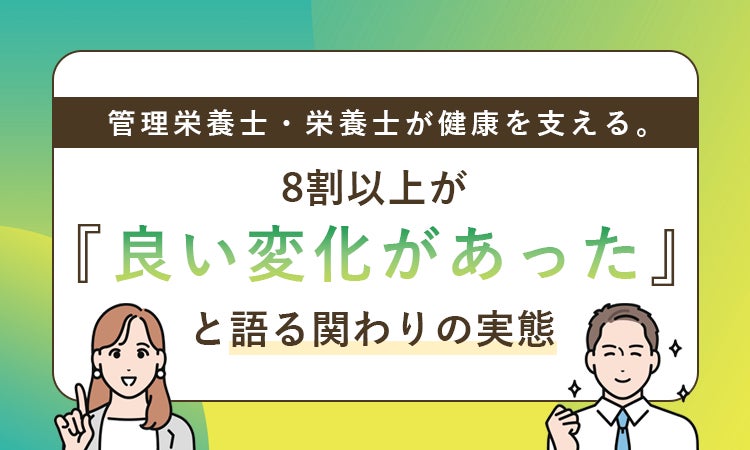
Surveys published by healthcare monitors in early 2026 revealed that over 80% of patients who received personalized dietary intervention from a registered dietitian reported measurable health improvements, especially in stabilizing glycated hemoglobin (HbA1c) levels and blood pressure. The shift has effectively elevated the registered dietitian into multi-disciplinary nutrition support teams (NST) alongside physicians, registered nurses, and speech-language pathologists.
Career Trajectories: Choosing the Right Vocational Path
Choosing between these two qualifications requires an honest assessment of career goals, academic bandwidth, and financial tolerance.
The standard dietitian credential suits individuals who want rapid workforce entry and enjoy the tactile realities of food service. If your primary passion lies in kitchen operations, recipe creation, farm-to-table lunchroom education, or menu development for corporate wellness cafeterias, a two-year junior college pathway provides a fast, debt-averse route into the industry. You will be on the cooking line, managing ingredient inventories, and ensuring hygiene protocols are maintained.
Conversely, the registered dietitian pathway is indispensable for those who see nutrition as a clinical discipline. If your ambition includes hospital rounds, clinical team consultations, specialized diabetes or renal therapy, pharmaceutical food development, or public health policy, the four-year national credential is required. Entering healthcare wards without it will leave you confined to basement preparation kitchens, barred by Japanese insurance frameworks from directly treating a patient's nutritional charts.
Frequently Asked Questions (FAQ)
Q1: Can a standard dietitian perform individual medical nutritional guidance at a hospital?
A1: No. Under Japanese health insurance billing standards, medical nutritional guidance fees can only be claimed when the consultation is administered by a registered dietitian certified by the Ministry of Health, Labour and Welfare.
Q2: Can foreign nationals sit for the Japanese Registered Dietitian National Examination?
A2: Yes, but the procedural hurdles are high. Foreign applicants must hold equivalent medical/nutritional credentials from their home country and pass rigorous qualification reviews conducted by the MHLW. Crucially, the 200-question examination is administered entirely in specialized Japanese, requiring native-level medical literacy (JLPT N1 minimum).
Q3: Is it possible to upgrade from a Dietitian to a Registered Dietitian while working?
A3: Yes, via the practical work experience pathway. Dietitians graduating from two-year colleges need three years of practical experience, three-year graduates need two years, and four-year graduates need one year. However, self-study pass rates for working candidates average between 15% and 25%, making structured prep courses essential.
What Lies Ahead for Japanese Nutrition in 2026 and Beyond
Japan's nutritional landscape is undergoing structural changes driven by labor shortages and automated central kitchens. As robotic cookeries and standardized pre-packaged vacuum meals increasingly handle routine meal preparation in schools and daycares, the demand for baseline institutional cooks is shifting. What cannot be automated is the analytical interpretation of human laboratory panels, personalized metabolic interventions, and bedside swallow evaluations.
The registered dietitian qualification has established itself as an essential pillar of Japan's preventative healthcare architecture. What began in 1947 as an emergency campaign to provide school children with warm stew has evolved into an advanced medical science. As Japan continues to navigate the realities of longevity and outpatient care, the line separating general meal planning from clinical nutritional intervention will only grow deeper and more critical.