From Traditional Art to Viral Hit: The Rise of Easy Sea Creature Origami in 2026
Paper scraps, blunt scissors, and vibrant squares of kami paper cover classroom desks from Tokyo to Toronto. Over the past several months, video feeds have filled with tutorials demonstrating how a single sheet of paper transforms into an eight-legged cephalopod with a rounded head and curling arms. A recent MSN Report spotlighted this surging interest, tracking how an accessible Japanese method for crafting a miniature octopus became an unexpected viral touchstone for educators, parents, and casual crafters alike.
The craze reflects more than a passing online visual trend. It highlights a widespread return to tactile, analog play inside educational spaces tired of screen-based learning tools. While complex mathematical tessellations dominate competitive paper-folding circuits, the humble paper octopus succeeds because it strikes a delicate balance: accessible geometry, fast assembly, and an expressive, instantly recognizable finished figure.
📌 Quick Summary:
- The Trend: Single-sheet marine animals, spearheaded by the eight-legged octopus fold, have become the leading paper-craft phenomenon of 2026 across social feeds and primary school programs.
- The Mechanics: Unlike intimidating multi-sheet modular assemblies, beginner paper octopus instructions rely on standard 15x15 centimeter squares, combining a basic waterbomb or balloon base with rhythmic corner splits.
- The Educational Driver: Cognitive researchers and paper champions link the activity to measurable gains in spatial awareness, bilateral coordination, and non-digital classroom focus.
The Social Media Spark Behind the Paper Cephalopod Surge
Millions of hobbyists fold paper every day. Yet specific models capture collective attention only once or twice a decade. In the 1990s, the flapping crane dominated schoolrooms; in the 2010s, modular ninja stars took over. In 2026, cute marine life origami has claimed the spotlight. On TikTok, Instagram Reels, and YouTube Shorts, clips tagged with Japanese folding terms, most notably tako no origata, consistently pull hundreds of thousands of views within hours of publication.
The octopus holds distinct advantages over other easy origami sea creatures like flat angelfish or stylized whales. It possesses a bulbous, three-dimensional head and distinct limb anatomy. Folders can curl the tentacles around pencils, stand the model upright on desk surfaces, or draw wide, asymmetrical eyes on the mantle. That customization creates an instant emotional connection. Crafters do not merely finish an abstract geometric exercise. They build an animated little character from an ordinary throwaway square.
Step-by-Step Anatomy of the Single-Sheet Octopus Fold
The engineering behind beginner paper octopus instructions relies on clever base manipulation. While traditional purists avoid cutting, the dominant classroom variant combines classic Japanese origami folding techniques with subtle scissor incisions to release all eight appendages without tearing the structural center. Anyone with a standard 15×15 cm square origami paper can complete the model in four to seven minutes.
To follow an origami octopus step by step, begin with the colored side facing downward on a flat table:
- Establish the Diagonal Axes: Fold the paper diagonally corner to corner in both directions, creasing crisply, then unfold to reveal an "X" crease across the surface.
- Form the Waterbomb Base: Flip the sheet over. Fold it horizontally and vertically in half, creasing along the cross lines. Pop the center upward and collapse the sides inward along the existing creases, producing a layered triangle with four distinct flaps.
- Define the Mantle (Head): Valley-fold the top apex downward slightly to round off the sharp head point. Fold the outer lower wings upward toward the center vertical centerline to lock the upper chamber into a domed shape.
- Execute the Origami Tentacle Folds: Flip the piece to access the lower half. Using craft scissors or precise fold-and-tear creases, cut the bottom flaps upward toward the base boundary into four even strips on the front layer and four on the back layer, creating eight independent strands.
- Curl and Shape: Pull each paper strip gently over the edge of a pencil or wooden ruler. The paper curls outward, allowing the finished octopus to balance on its tentacles like a real sea creature skimming the ocean floor.
This layout removes the frustration common to complex origami octopus diagram sheets found in professional compendiums. Beginners bypass intricate reverse rabbit-ear folds while still achieving a clean, expressive silhouette.
Comparing Popular Paper Marine Models: Complexity and Folding Time
Choosing the right paper craft depends directly on the folder’s experience and fine motor precision. Below is an operational breakdown comparing the trending octopus against other standard single sheet origami animals found in school art curriculums.
| Model Type | Average Build Time | Base Pattern | Recommended Age Tier |
|---|---|---|---|
| Easy Octopus (Tako) | 3, 5 minutes | Waterbomb Base | Ages 6 and up |
| Traditional Crane (Orizuru) | 6, 10 minutes | Bird Base | Ages 9 and up |
| Flapping Sea Turtle | 8, 12 minutes | Frog Base | Ages 10 and up |
| Claw Crab (Kani) | 12, 18 minutes | Blintz Waterbomb | Ages 12 and up |
The Cognitive Science of Paper Creasing: Spatial Reasoning and Fine Motor Skills
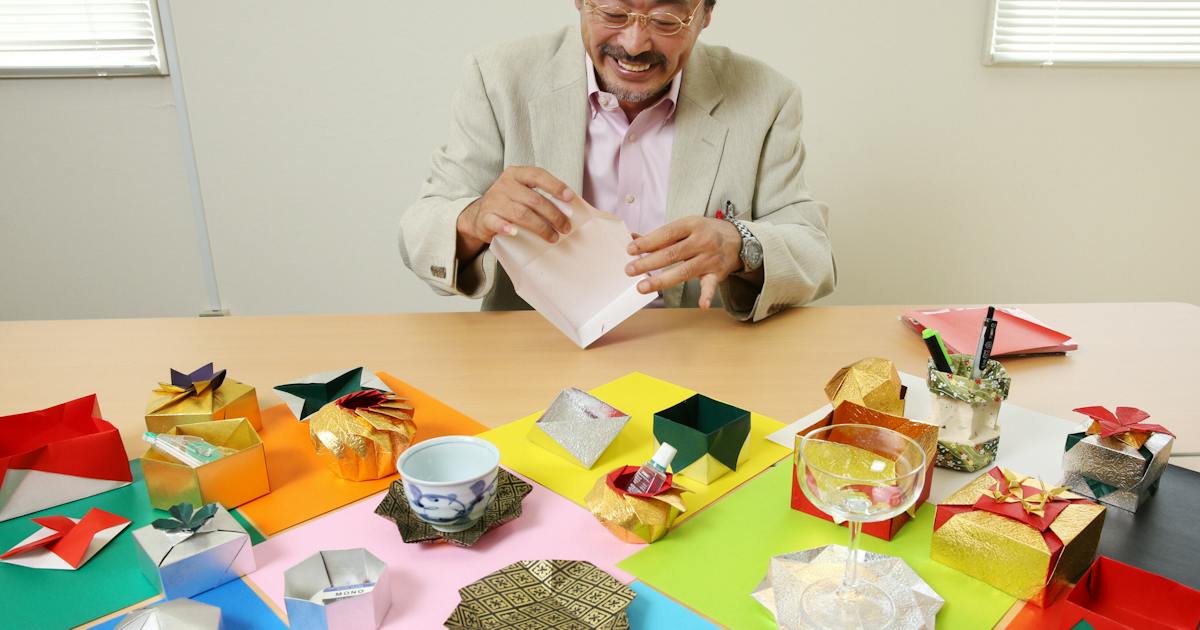
The viral spread of paper animals is not merely child play. Educational institutions invest heavily in the discipline because folding paper delivers proven developmental gains. An analysis published by Asahi Shimbun investigated how paper manipulation directly sharpens spatial recognition craft benefits and finger dexterity. The report featured insights from origami world champion Hironori Kano, who observed that the tactile discipline of aligning edges forces children to mentally translate two-dimensional geometric plans into three-dimensional reality.
Every step requires precise sensory calibration. When a child performs a mountain fold, their brain calculates depth, symmetry, and paper thickness. Neurologists identify this bilateral hand usage as a critical driver of hand-eye coordination. Unlike swiping across glass tablets, physical paper provides instant physical feedback: if an early corner alignment falls off by two millimeters, the final octopus mantle twists out of balance. Students correct errors through observation rather than automated software prompts, establishing early foundational principles of structural geometry and patience.
Classroom Economics: Why Schools Are Replacing Plastic Kits With Washi
School budgets face constant pressures. As reported by the Nihon Keizai Shimbun, the utility of traditional paper crafts extends well into practical daily life. Paper folding requires zero specialized equipment, proprietary licenses, or battery replacements. A standard pack of 500 sheets of origami paper costs roughly $6 to $10, supplying an entire grade level for weeks at pennies per student. By contrast, pre-packaged plastic STEM construction sets frequently run between $150 and $400 per classroom kit.
Educators also cite environmental considerations. Plastic project kits inevitably end up in waste bins at semester end. Paper animals can be recycled cleanly or repurposed into classroom bulletin-board dioramas of coral reefs and open oceans. Teachers in primary districts use the octopus fold to introduce marine biology units, linking paper crafting to discussions on cephalopod camouflage, suction cups, and ocean conservation.
Frequently Asked Questions (FAQ)
Q1: What is the best paper size and weight for folding an origami octopus?
A1: Standard 15×15 cm (6×6 inch) origami paper with a weight of 60 to 70 GSM is ideal. Avoid heavy cardstock, which cracks along tight tentacle creases, and avoid ultra-thin tissue paper, which lacks the structural rigidity needed to make the octopus stand upright.
Q2: Is cutting allowed in traditional Japanese origami?
A2: Pure modern origami (origami) strictly avoids cutting or glue. However, historical Japanese paper crafting incorporates kirigami (cut paper), which permits precise scissor snips to liberate appendages. The popular beginner octopus uses this hybrid approach to keep the instructions simple for younger students.
Q3: How do you keep the tentacles curled without tearing the paper?
A3: Gently run each paper strand against the rounded barrel of a pen or pencil using light thumb pressure, similar to curling a gift ribbon. Pull slowly from the base to the tip to avoid snagging the split joints.
The Cultural Endurance of Square Paper Crafts
Fads in digital entertainment fade within weeks, but paper folding endures because its core premise remains unbeatable: an empty sheet of paper holds limitless structural potential. The surge in octopus folding across homes and schools shows that simple tactile rituals still resonate in an increasingly simulated world. With just four folds, eight curls, and a dash of curiosity, anyone can turn an ordinary square into a lively ocean creature resting on the palm of their hand.