Haidilao Kaihimmakuhari: Inside the Epic Hot Pot Phenomenon Dominating Chiba
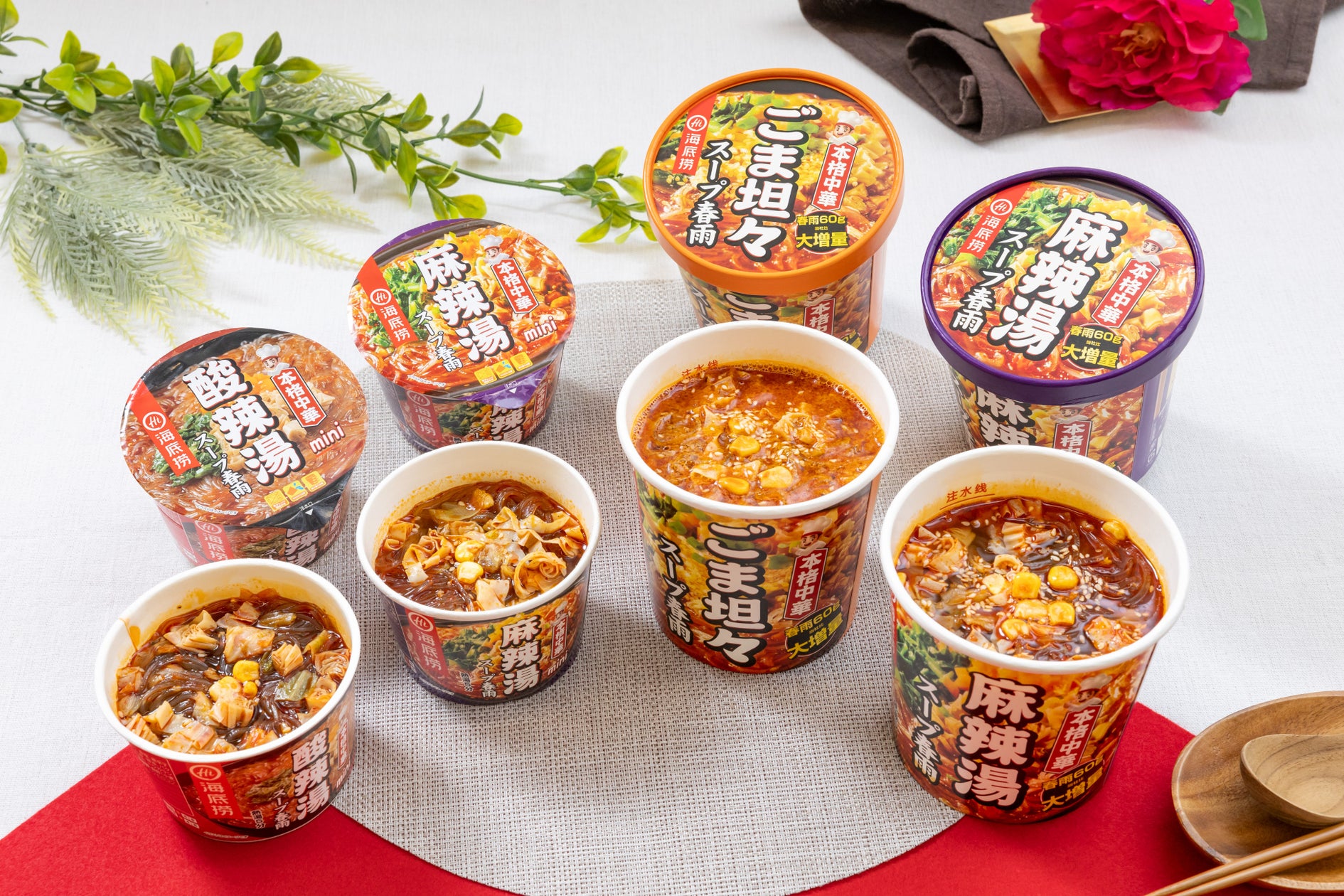
Step off the Keiyo Line at JR Kaihimmakuhari Station on any weekend evening, and the pedestrian flow splits predictably. Half heads toward the sprawling shopping outlets, while a determined corridor moves toward the glowing signs of authentic Chinese hot pot. Haidilao Kaihimmakuhari has become a fixture for Tokyo Bay commuters, Chiba locals, and massive convention crowds emptying out of Makuhari Messe. What began as a Sichuan street vendor in 1994 has evolved into an international empire boasting over 1,700 locations across 16 countries and regions, an influence so pervasive that Seven-Eleven Japan recently partnered with the brand to launch instant culinary lines nationwide, as detailed in a recent PR TIMES Report.
Yet stepping inside the Kaihimmakuhari outpost reveals something distinct from standard suburban Tokyo dining. The space runs on high-decibel communal energy, rhythmic pop music, bubbling cauldrons, and a brand of theatrical customer care that catches first-time diners off guard. For visitors navigating Chiba hot pot dining, this location presents a study in operational scale, offering both undeniable culinary theater and distinct logistical hurdles during peak exhibition nights.
📌 Key Takeaways:
- The Location Dynamic: Proximity to Makuhari Messe makes this outpost uniquely vulnerable to severe dinner rushes tied to stadium concerts and international trade expos.
- Broth Economics: Ordering a 4-grid pot allows diners to blend premium broths like Sichuan spicy mala and the signature tomato soup base while keeping individual costs between ¥3,800 and ¥5,500.
- The Experience Factor: Tableside noodle performances and complimentary waiting lounge perks are core operational tactics designed to mitigate two-hour weekend wait times.
The Makuhari Messe Corridor and the Suburban Dining Shift
Suburban Chiba dining traditionally favored quiet family izakayas, tonkatsu joints, and quick ramen counters clustered around transport hubs. Haidilao broke this pattern by dropping an unabashedly communal, late-night dining spectacle directly beside one of Japan’s busiest exhibition districts. The Kaihimmakuhari branch caters to three distinct demographics: local Japanese families seeking interactive meals, expatriate communities hungry for uncompromised mainland flavor profiles, and tens of thousands of event-goers flooding out of anime expos, tech summits, and Summer Sonic concerts.
When major conventions wrap up, the immediate radius around the station faces sudden, crushing demand. While many nearby restaurants close their kitchens by 21:30, Haidilao runs deep into the evening. The floor layout handles high foot traffic with wide aisles, recessed induction burners, and heavy-duty ventilation systems that capture grease and steam before they settle on business attire.
Staff members switch effortlessly between Japanese, Mandarin, and English. That linguistic flexibility solves a persistent pain point for international travelers stuck in Chiba during multi-day industry conferences, turning the restaurant into an unofficial evening headquarters for foreign delegates.
Deciphering the Broth: Mala Heat, Rich Tomato, and Custom Split Pots
Hot pot success hinges entirely on broth integrity, and the kitchen in Kaihimmakuhari avoids watering down its central recipes for local palates. Diners choose between a single giant cauldron, a twin split pot (Yuan-Yang), or a four-grid square configuration. The four-grid option remains the tactical choice for small groups. It permits multiple soup base combinations while allowing one quadrant to hold hot clear water at zero cost, which works well for blanching greens or diluting escalating spice levels.
The culinary anchors are unmistakable:
Sichuan Spicy Mala Broth: Brewed with beef tallow, fermented chili paste, star anise, and whole green Sichuan peppercorns, this broth produces an immediate numbing sensation (*ma*) paired with direct heat (*la*). Diners can adjust the oil richness and chili intensity on the digital ordering tablet. Even at standard heat, the oil retains heat intensely, cooking thinly shaved beef within six seconds.
Signature Tomato Soup Base: A thick, sweet-savory reduction made from slow-simmered tomatoes that provides a sharp counterpoint to the numbing beef broth. It is rich enough to drink directly as a soup course. Servers routinely spoon it over bowls filled with minced beef, scallions, and crushed celery as an appetizer while raw proteins thaw on the table.
Pork Bone and Baiyu Broths: Creamy, collagen-heavy alternatives infused with ginger, jujubes, and goji berries. These mild bases temper the meal, making the experience manageable for children and diners sensitive to chili oil.
Real Cost Analysis: Hai Di Lao Japan Menu Prices and Table Economics
Dining at Haidilao can be an affordable culinary adventure or an unexpectedly expensive dinner depending entirely on ordering strategy. Ingredients are priced à la carte using an iPad interface, with most meats and dumplings available in full or half portions. Choosing half portions lets diners sample a broader spectrum of beef tongue, Iberian pork collar, fresh tripe, and handmade shrimp paste without blowing past personal budgets.
The table below breaks down realistic expenditures across party sizes and order configurations at 2026 price averages:
| Dining Setup | Broth Selection | Estimated Spend Per Person | Typical Items Included |
|---|---|---|---|
| Solo / Duo Casual | Twin Pot (Mala / Tomato) | ¥3,200, ¥4,200 | 2 Meats (Half), Tofu Combo, Noodles, Sauce Bar access |
| Standard Group (4 Guests) | Four-Grid (Mala, Tomato, Bone, Clear) | ¥4,500, ¥5,800 | Prime Beef Ribeye, Shrimp Paste, Duck Intestines, Mushrooms, Greens, Beers |
| Premium Event Outing | Four-Grid Specialty Bases | ¥6,500, ¥8,500 | Wagyu cuts, Seafood platters, specialty offal, unlimited sauce bar, specialty cocktails |
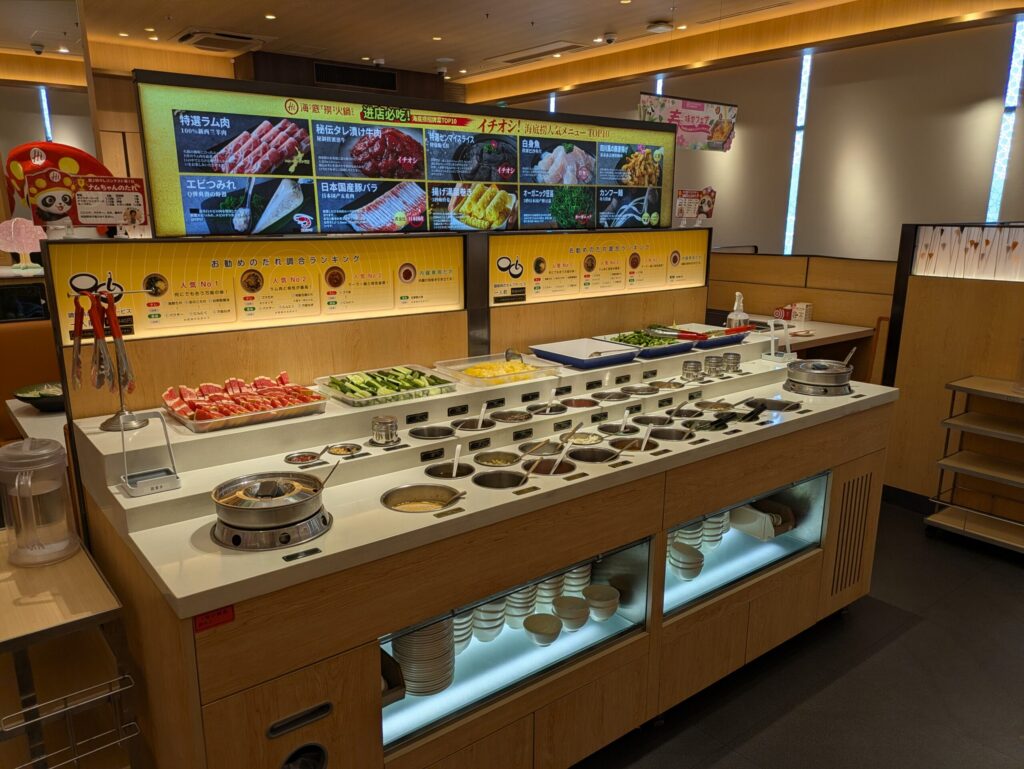
The custom sauce bar carries an extra charge of roughly ¥390 per person. Skipping it defeats the entire purpose of authentic Chinese hot pot. The station features dozens of ingredients: roasted sesame paste, fermented bean curd, chopped cilantro, minced garlic, crushed peanuts, oyster sauce, and dark Chinese black vinegar. It also functions as an appetizer buffet stocked with edamame, seasonal fruit, and chilled jelly desserts.
Theater at the Table: The Truth About the Kung Fu Noodle Dance
No dish at Haidilao carries higher social media visibility than the Kung Fu Noodles. Priced at under ¥500, this order prompts a dedicated noodle performer to approach your table with a portable speaker blaring high-energy dance tracks.
The technician takes a compact disc of cold wheat dough, slowly spinning and flicking it until it widens into ribbons. Within seconds, the dough stretches across several meters, dipping inches above diners' heads and skimming the soup surface without breaking. The routine lasts roughly 90 seconds before the performer snaps the broad noodle ribbon and drops it into your selected broth.
Beyond the acrobatics, the noodle holds up remarkably well to boiling. The texture stays distinctly al dente (q-dan), retaining bite against the heavy mala fat. It represents an ingenious balance of tableside spectacle and cheap, high-margin food production that delights children and anchors casual social outings.
From Hair Ties to Handheld Games: Unpacking Haidilao Customer Hospitality
The operational differentiator that pushed Haidilao past rival chains is its service culture. Originating in China’s intensely competitive restaurant sector, this service model treats waiting customers as guests rather than street congestion.
At the Kaihimmakuhari branch, the waiting area amenities kick in before you touch a menu:
- Guests seated in the staging lounge receive complimentary fruit tea, savory rice crackers, and board games to pass the time.
- Tables receive individualized protective kits containing branded aprons, ziplock sleeves for smartphones, lens wipes for glasses clouded by soup vapor, and hair ties for diners with long hair.
- Single diners who walk in alone are frequently presented with a giant plush plushie seated across the table to dispel any awkwardness.
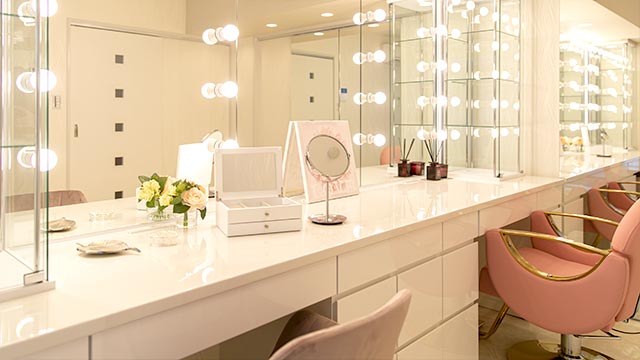
This attention to detail extends into the restrooms, which are stocked with toothbrushes, mouthwash, lint rollers, and luxury hand creams. While the hand massages and nail salon services seen at flagship Shanghai branches are not always fully staffed in Japanese suburban venues, the underlying attentiveness remains rare for restaurants in this price category.
Securing a Table: Booking Realities and Congestion Windows
Attempting a walk-in at Haidilao Kaihimmakuhari between 18:00 and 20:30 on a Friday, Saturday, or Sunday without a queue ticket is a losing gamble. Wait times regularly stretch past 90 minutes.
To bypass the queue, use these table reservation tips:
- Target the Exhibition Gaps: Check the Makuhari Messe event calendar. Major gaming tournaments, auto salons, or stadium rock tours will flood the station's restaurants the moment an event concludes. If you plan to dine on an event day, book an early seating (17:00) or hold off until after 20:45.
- Utilize LINE and Online Booking: The branch runs digital reservations through third-party platforms and their official LINE Mini program. Slots open days in advance and vanish quickly for prime weekend slots.
- Grab a Ticket and Explore: If walk-in queuing is unavoidable, pull a QR-coded waiting slip from the automated reception kiosk at the entrance. The tracking system updates wait estimates in real time, freeing you to browse the neighboring Plena Makuhari complex or Mitsui Outlet Park rather than sitting anchored to the bench.
Frequently Asked Questions (FAQ)
Q1: Is Haidilao Kaihimmakuhari suitable for children and diners who cannot handle spicy food?
A1: Yes. The four-grid pot allows families to isolate intense Sichuan chili broths into a single corner while filling remaining sections with non-spicy pork bone soup, sweet corn broth, or clear water. The iPad menu also clearly displays allergen icons and spice-level ratings for all raw ingredients.
Q2: How much should an adult diner expect to spend for a full dinner?
A2: Most diners spend between ¥4,000 and ¥5,500 per person when sharing a four-grid broth, ordering two to three protein cuts, fresh greens, table-bar sauces, and soft drinks. Ordering premium Wagyu beef or substantial amounts of alcohol can push bills above ¥7,000 per person.
Q3: Can I store large luggage or shopping bags at the restaurant?
A3: Yes. Given its location near Makuhari Messe and major transit hotels, the front reception desk routinely tags and stores rolling suitcases, trade-show display gear, and large shopping bags during your meal.
Navigating Chiba's Premier Hot Pot Experience
Haidilao Kaihimmakuhari succeeds because it refuses to tone down its essential identity. It does not attempt to mimic the hushed, restrained pacing of traditional Tokyo dining rooms. The room remains loud, energetic, fragrant with roasted chilies, and laser-focused on customer comfort.
For international conventioneers finishing long shifts at Makuhari Messe or Tokyo residents hunting for genuine Sichuan numbing broth along Tokyo Bay, this outpost delivers consistent food quality and tableside spectacle. Plan around exhibition schedules, lock in your four-grid broth combination, build an assertive dipping blend at the sauce bar, and enjoy one of the most theatrical dining rituals in the Greater Tokyo area.