Hatsuko Endo Tomesode Pricing Breakdown: Fabric Grades, Craftsmanship, and Package Proof

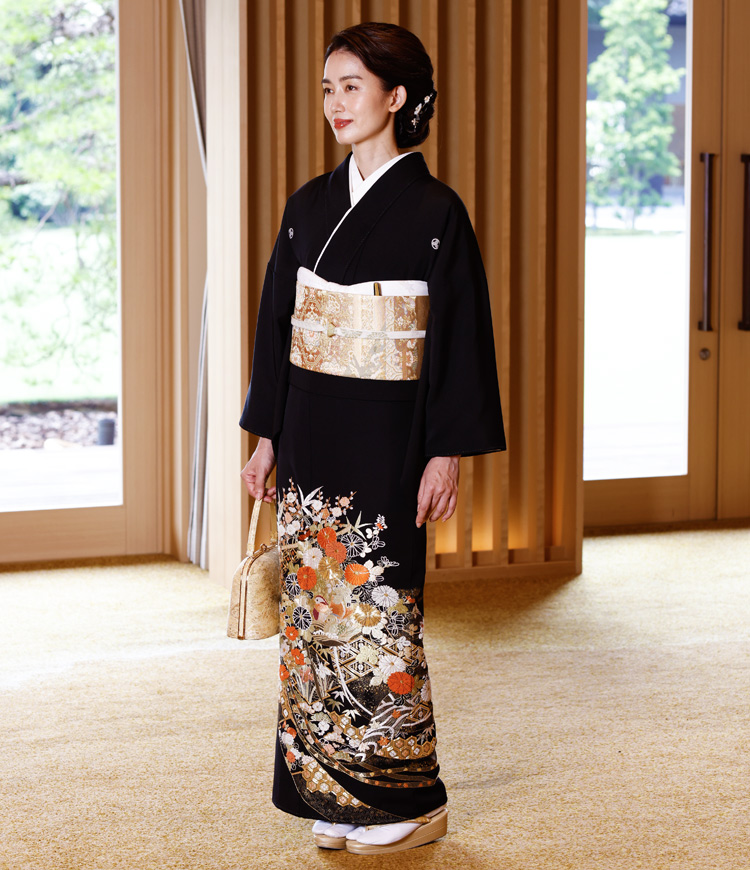
Selecting formal wedding guest attire in Tokyo demands an intricate balance of lineage, fabric weight, and sartorial hierarchy. For the mother of the bride or groom, the choice almost invariably gravitates toward the kurotomesode, a jet-black silk kimono characterized by five family crests and opulent hemline motifs. Hatsuko Endo, operating out of premier spaces like the Imperial Hotel Tokyo and Ginza, has set the standard for high-end ceremonial wear for well over a century. As documented by an official 47NEWS Report covering the maison's 120-year anniversary milestones, the brand continues to command prestige across generations of Japanese families, but navigating its bespoke bridal rental catalog requires understanding where garment craftsmanship ends and service fees begin.
Behind the sliding shoji doors of Hatsuko Endo's salons, prices diverge dramatically based on dyeing techniques, weaving provenance, and styling appointments. Families often enter consultations expecting straightforward flat-rate packages, only to confront tiered pricing ranging from baseline pure silk ensembles to museum-grade artisan pieces. Unraveling the true cost of renting a kurotomesode here means auditing fabric grades, crest customization options, and dressing room service fees before placing a deposit.
📌 Key Takeaways:
- Core Rental Tiers: Standard pure silk kurotomesode rentals run between ¥60,000 and ¥120,000, while hand-painted artisan masterworks range from ¥150,000 to over ¥350,000.
- Mandatory Service Add-Ons: Professional kitsuke dressing fees (¥15,000, ¥25,000) and bridal party hair and makeup services (¥18,000, ¥30,000) are billed separately from garment rentals.
- Accessory Coordination: High-tier packages bundle gold-thread fukuro obi, juban undergarments, and obijime cords, but crest application and personalized footwear require advance planning.
The 120-Year Atelier Heritage and Modern Bridal Protocol
Founded in 1905, Hatsuko Endo introduced modern cosmetology and structured bridal styling to Japan. The brand's position inside Tokyo's prestigious Imperial Hotel established it as the premier salon for aristocracy, diplomatic families, and political dynasties. That historic weight remains sewn into every garment handled by its curators.
When a mother chooses a kurotomesode from this atelier, she is not merely renting a black silk robe. She is procuring an ensemble vetted against strict ceremonial protocols. The black dye must achieve absolute color depth, historically known as shin-kuro (true black), which does not cast green or brown hues under intense banquet hall chandeliers. Hatsuko Endo maintains relationships with century-old dyeing houses in Kyoto and Ishikawa Prefecture to preserve this visual depth, ensuring maternal figures project formal dignity alongside the wedding couple.
Kurotomesode Rental Pricing Tiers and Textile Classifications
The salon prices its inventory along clear lines of textile creation, age, and artisan pedigree. Machine-woven brocades dyed with screen-transfer techniques occupy the accessible end of the spectrum, while one-of-a-kind hand-painted silks command premium fees.
- Entry Formal Silk (¥60,000, ¥95,000): Features woven motifs enriched with foil stamping. These garments are durable, clean, and well-proportioned, designed for daytime banquets where classic elegance is needed without custom heraldry demands.
- Mid-Tier Studio Silks (¥100,000, ¥180,000): This tier represents the core of Hatsuko Endo's bookings. It features hand-painted borders, subtle koma-nui (gold cord couching), and classic regional motifs like pine, cranes, and flowing water patterns executed on heavy chirimen crepe.
- Collector and Masterwork Silks (¥200,000, ¥380,000+): Handcrafted by master dyers using time-intensive resist-dyeing methods. The gold leaf application (kinpaku) is pristine, and the fabric possesses a heavy, fluid drape that sets the wearer apart in ceremonial photography.
Clients must clarify early whether their quotation covers the complete foundation wear set. While high-grade nagajuban (silk under-robes) and tailored collars are typically packaged with the kimono, specialized undergarments (hada-juban) and tabi socks are sold as personal hygiene purchases, adding roughly ¥5,000 to ¥8,000 to the invoice.
Craftsmanship Dissected: Kaga Yuzen, Kinpaku, and Family Crests
The widest price discrepancies in Hatsuko Endo's rental inventory trace directly to regional artisan labor. Kaga Yuzen silk craftsmanship from Kanazawa represents the apex of naturalistic design. Unlike Kyoto-style dyeing, which relies heavily on gold foil embellishments and heavy metallic threading, authentic Kaga Yuzen depicts realistic flora using five classic color tones (Kaga Gosai). The dye penetrates deep into the silk fibers, resulting in a matte, painterly finish that requires months of manual labor.
+-------------------------------------------------------------+
+-------------------------------------------------------------+
Traditional family crest embroidery constitutes another crucial pricing factor. A proper kurotomesode carries five crests (kamon) across the chest, back, and sleeves. Rental garments come finished with standard classical crests (such as the five-leaf tsuta or wood sorrel katabami). If a family insists on affixing their exact ancestral lineage crest, the salon charges a specialty crest-application fee of ¥10,000 to ¥18,000, utilizing hand-applied adhesive silk crest seals (haritsuke-mon) crafted to blend seamlessly into the weave.
Comprehensive Cost Comparison: Inclusions Versus Salon Add-Ons
Budgeting for maternal wedding attire involves tracking multiple service components. Securing the garment is simply the opening transaction; salon fittings, dressing labor, and hair styling represent separate professional charges.
| Service / Item Tier | Price Range (JPY) | Package Inclusions & Notes |
|---|---|---|
| Classic Pure Silk Rental | ¥60,000, ¥120,000 | Kimono, standard fukuro obi, nagajuban robe, date-jime ties, obi-ita, ceremonial fan. |
| Artisan Yuzen Masterwork | ¥150,000, ¥380,000 | Kaga/Kyo Yuzen silk, hand-stitched hem padding, Nishijin-woven obi, premium accessory set. |
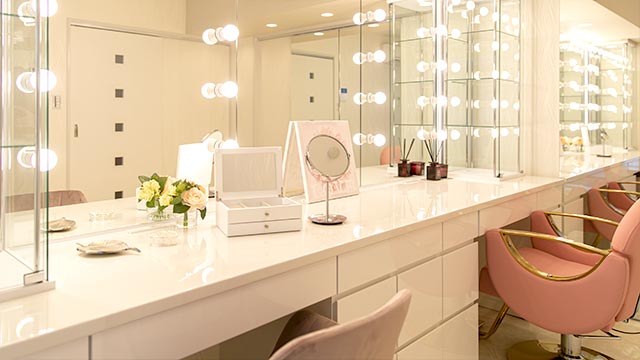
| Kitsuke Dressing Service Fee | ¥15,000, ¥25,000 | On-site dressing session at Imperial Hotel or Ginza salon (45, 60 minutes per wearer). |
| Hair Styling & Traditional Updo | ¥10,000, ¥18,000 | Formal Japanese hair styling compatible with ceremonial collar angles; hairpins billed extra. |
| Full Makeup Application | ¥8,000, ¥15,000 | Studio-grade photographic makeup adjusted for flash lighting and banquet hall warmth. |
| Ancestral Family Crest Customization | ¥10,000, ¥18,000 | Production and professional application of 5 matching silk kamon seals for the event day. |
Couples securing comprehensive bridal packages through Hatsuko Endo frequently receive bundling credits. When both the bride's gown and maternal kimono are contracted concurrently, salons routinely waive a percentage of the dressing labor fees or provide an accessory upgrade, reducing net outlays by 10% to 15% across the family's invoice.
The Imperial Hotel Salon Fitting: Booking Schedules and Fit Checks
Securing an appointment at the flagship Imperial Hotel salon demands strict operational discipline. High-season wedding dates (specifically October through November and April through May) see fitting schedules book out four to six months in advance.
A standard fitting appointment lasts two hours. During this session, the salon's kimono advisers drape multiple potential robes over the client's shoulders to evaluate how the lower hemline motifs complement height and gait. Because the kurotomesode is folded at the waist via the ohashori technique, pattern positioning changes substantially once secured with the sash. Hatsuko Endo's fitters assess obi sash accessory coordination simultaneously, pairing metallic Nishijin-woven textiles with pure white and gold obijime cords to confirm the wearer looks commanding from every angle in formal family portraits.
Clients traveling from abroad or regional prefectures must coordinate these sessions carefully. A single preliminary fitting is mandatory to finalize length adjustments, crest selections, and undergarment padding requirements before wedding morning.
Deciding Between Atelier Prestige and Regional Rental Houses
Committing to Hatsuko Endo comes down to family expectations and the ceremonial venue. Understanding who benefits most from their services clarifies where the expenditure makes sense:
- Choose Hatsuko Endo If: The ceremony takes place at the Imperial Hotel, Palace Hotel Tokyo, or an affiliated high-prestige venue where logistical handoffs must remain frictionless. The salon transports garments directly to hotel holding suites, eliminating luggage transit risks. It also suits families requiring flawless historical accuracy and high-grade Kaga Yuzen silks for prominent social circles.
- Look Elsewhere If: The budget for maternal styling is strictly capped below ¥80,000 inclusive of dressing fees. Regional kimono shops, specialty rental outlets, and department stores like Daimaru or Mitsukoshi often provide competent silk ensembles at lower total costs, albeit without the luxury fitting rooms and seamless on-site hotel dressing teams.
Frequently Asked Questions (FAQ)
Q1: Are underwear, socks, and personal accessories included in Hatsuko Endo's rental rates?
A1: Core coordination items (kimono, obi, nagajuban under-robe, collar stays, and sash ribbons) are fully included. Intimate undergarments like the hada-juban and white split-toe tabi socks must be purchased separately due to hygiene regulations, running roughly ¥5,000 to ¥8,000 total.
Q2: What happens if a family member accidentally stains a rented silk kurotomesode during the banquet?
A2: The atelier offers an optional maintenance insurance policy (typically ¥2,000, ¥3,000) that covers accidental food spills, beverage splashes, or light rain damage. Heavy structural tearing or unremovable oil stains outside this coverage result in restorative cleaning fees billed directly to the contract holder.
Q3: How far in advance must a maternal fitting be reserved at the Tokyo salons?
A3: Initial consultations should be locked down four to six months prior to the wedding date, particularly for peak spring and autumn weekends. Garment allocations are tied to specific ceremony dates to allow adequate time for inspection, sizing adjustments, and custom crest application.
Strategic Preparations for Ceremony Day
Managing kurotomesode styling through Hatsuko Endo requires treating the maternal attire with the same operational focus given to the bridal gown. Review contract estimates to verify whether kitsuke dressing fees, hair styling, and crest adjustments are calculated alongside the baseline silk rental. Clarify garment delivery pathways with your venue coordinators, and reserve salon fitting slots early. Approached with clear financial visibility, renting from this historic atelier ensures maternal figures stand at the altar wrapped in authenticated Japanese textile artistry, honoring both familial heritage and contemporary wedding protocol.