Haunted Rumors vs Reality: Why Kawasaki's Yatsugatake Youth Nature Center Is Really Closing

The Ghost Stories and the Red Zone: Why Kawasaki's Yatsugatake Nature Retreat Is Closing
For generations of public school students raised in Kawasaki, an overnight trip to the Yatsugatake Youth Nature Center in rural Nagano Prefecture was an essential rite of passage. Dormitory bunks, mess hall curry, and night hikes through dense pine forests formed lasting childhood memories. So did the campfire ghost stories. Tales of shadowy figures in the fourth-floor stairwells and mysterious tapping on cabin windowpanes circulated through middle school classrooms for decades.
Those long-running urban legends surged back into regional discussions when municipal officials confirmed the facility's imminent demise. As detailed in an investigative Kanagawa Shimbun Report, the Kawasaki City Board of Education finalized a formal policy in March 2026 to permanently shutter the retreat by fiscal year 2028. While online message boards immediately linked the sudden shutdown to recurring paranormal rumors, municipal records reveal a far more dangerous, grounded reality: unstable slopes, crumbling concrete, and strict disaster prevention laws.
📌 Key Takeaways:
- The Decision: The Kawasaki City Board of Education voted on March 13, 2026, to fully terminate operations at the Yatsugatake Youth Nature Center by the end of fiscal year 2028.
- The True Culprit: The property sits directly within a government-designated "landslide special warning zone" (red zone), making long-term youth occupation an unacceptable disaster risk.
- The Path Forward: Kawasaki City will relocate student outdoor retreats to alternative, third-party sites outside Fujimi Town rather than funding an expensive local rebuild.
Folklore in the Foothills: Why School Camp Urban Legends Endure
Japan's organized youth nature retreats (shizen kyoushitsu) have long served as incubators for school camp urban legends. Kawasaki's Yatsugatake facility, established in the highlands of Fujimi Town in Nagano, provided the perfect atmospheric backdrop for such tales. Encircled by the southern ridge of the Yatsugatake mountains, the center placed suburban children into unfamiliar mountain isolation.
Every summer and autumn, new cohorts of elementary and junior high pupils traded stories under flashlights. The most persistent rumors involved a boy who supposedly wandered into the woods during a 1980s orienteering exercise, never to return, and an off-limits boiler room said to rattle when no fires were lit. Former students frequently revisited these narratives on Japanese message boards such as 5channel and regional blogs, mapping out perceived "hotspots" across the facility grounds.
The psychology behind these rumors is straightforward. Communal dormitories, unfamiliar nocturnal wildlife noises, high-altitude winds whistling through ventilation shafts, and sleep-deprived teenagers naturally generate folklore. What felt sinister in the dark was simply the disorientation of suburban children spending their first nights far away from the illuminated streets of the Tokyo-Yokohama sprawl.
The Red Zone Threat: Real Geology Replaces Supernatural Myths
The actual hazard threatening the complex comes from gravity, rainwater, and mountain geology. Japanese prefectural authorities carry out rigorous topographical audits under the Act on Sediment Disaster Prevention. In recent surveys of Fujimi Town, inspectors classified sections of the nature center's property as a "landslide special warning zone," commonly designated in Japan as a red zone hazard.
A red zone designation is the highest risk level under Japanese disaster mitigation statutes. It signifies terrain where a slope failure or debris flow could not only strike a building, but exert enough physical force to destroy structural foundations and directly threaten human life.
Nagano Prefecture experiences heavy seasonal rainfall and freeze-thaw cycles that destabilize steep volcanic loam. Housing hundreds of sleeping children within an active red zone presents legal, ethical, and logistical risks that municipal leaders cannot defend. Evacuation protocols during a torrential downpour or seismic event along the Itoigawa-Shizuoka Tectonic Line would leave zero margin for error. The Kawasaki City Board of Education reached a clear determination: keeping students on this hillside was an unacceptable gamble.
Four Decades of Decay: Structural Wear and Fiscal Reality
Geology delivered the decisive blow, but architectural fatigue set the stage. Constructed more than 40 years ago, the Yatsugatake Youth Nature Center was built during an era of rapid municipal expansion when Kawasaki invested heavily in external welfare and educational retreats. Over four decades of harsh alpine winters took an undeniable physical toll.
Plumbing lines routinely suffered from sub-zero freezing. Exterior concrete exhibited spalling and water intrusion, while energy efficiency lagged far behind contemporary environmental standards. Bringing the sprawling complex up to modern seismic and barrier-free codes would have demanded billions of yen from Kawasaki taxpayers.
| Period | Milestone Event | Operational Impact |
|---|---|---|
| Early 1980s | Facility opens in Fujimi Town, Nagano | Becomes the primary outdoor youth retreat hub for Kawasaki public schools. |
| 2010s, 2020s | Hazard maps update; red zone applied | Slopes surrounding key operational sectors are marked as critical slide risks. |
| March 2025 | Fujimi Town Assembly briefing | Local leadership reveals Kawasaki will not rebuild within town borders. |
| December 2025 | Fujimi Mayor submits formal petition | Town requests continued regional presence, but Kawasaki holds fiscal limits. |
| March 2026 | Kawasaki Board of Education ruling | Official deadline set: full closure and decommissioning by fiscal year 2028. |
Rebuilding on safe ground within the same parcel was impossible due to the footprint of the warning zone. A complete relocation would have required purchasing raw land, building replacement dormitories, and installing new municipal infrastructure at a time when city budgets face heavy demographic pressures back home.
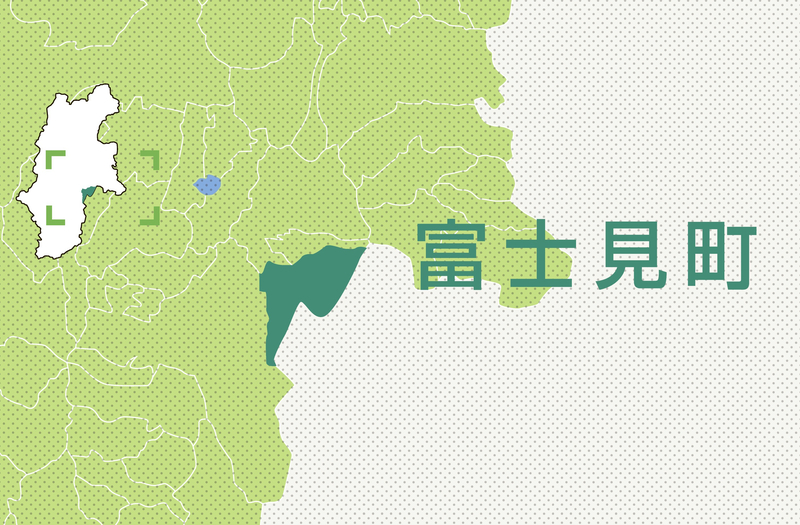
City Hall's Exit Strategy: Mayor Norihiko Fukuda and the Fujimi Town Fallout
The decision to walk away has strained relations between Kawasaki and Fujimi Town. For half a century, the facility provided Fujimi with steady regional spending, seasonal staffing jobs, and tourist visibility.
In late December 2025, Fujimi Mayor Yo Watanabe traveled directly to Kawasaki City Hall to present a formal petition to Mayor Norihiko Fukuda. Watanabe urged the industrial city to maintain its partnership with the mountain community, either through a downsized joint development or shared operational costs. Former Fujimi Mayor Shigeharu Natori had already alerted the town assembly in early 2025 that Kawasaki was leaning toward taking its business elsewhere.
Mayor Fukuda's administration maintained a firm stance. Facing rising healthcare spending for an aging population and infrastructure maintenance across Kawasaki's urban core, the city could not justify spending tens of millions of dollars on a remote recreation outpost. The municipal government confirmed that rather than reinvesting in a dedicated facility, it would contract out its nature camp programs to commercial and non-profit outdoor centers scattered across central Japan.
The Logistics of Transition: Where Students Will Go After 2028
Kawasaki is not abandoning outdoor education, but the delivery model is shifting entirely. Beginning in the late 2020s, public school nature camps will transition toward flexible partnerships with existing facilities in Nagano, Yamanashi, and Kanagawa prefectures.
This model offers significant operational advantages:
- Eliminates heavy fixed costs, building depreciation, and ongoing facility management expenses.
- Allows schools to select newer venues that meet the latest earthquake and fire safety standards.
- Removes local municipal liability for slope failures during extreme weather events.
- Gives school principals flexibility to pick destinations based on specific curriculums, from marine biology to alpine forestry.
The downside is emotional and communal. Generations of Kawasaki residents shared a universal cultural touchstone. They slept in the same cedar cabins, climbed the same slopes, and terrified one another with identical ghost stories. As operations wind down through 2028, that shared collective memory will draw to an end.
Frequently Asked Questions (FAQ)
Did ghost sightings or paranormal investigations influence the decision to close the facility?
No. The closure stems entirely from structural obsolescence, mounting maintenance costs, and statutory safety issues caused by the property's designation as a landslide special warning zone.
What is a landslide special warning zone under Japanese law?
Known colloquially as a "red zone," this legal classification identifies land where slope collapse could destroy structures and cause severe casualties. Strict construction regulations apply, and municipal guidelines discourage housing youth or vulnerable populations in these sectors.
Will the Yatsugatake Nature Center remain open until the 2028 deadline?
Yes. The Kawasaki City Board of Education plans a phased drawdown through fiscal year 2028, allowing scheduled elementary and junior high school field trips to proceed while administrators finalize third-party replacement venues.
What Lies Ahead for Kawasaki's Mountain Legacy
The planned 2028 decommission of the Yatsugatake Youth Nature Center marks the end of an era for local public education. Kawasaki's post-war expansion allowed city planners to purchase expansive mountain properties so factory-belt children could breathe clean alpine air. Today, demographic realities, shifting budget priorities, and modern geological science demand a leaner approach.
When the final fleet of Kawasaki school buses departs Fujimi Town in 2028, the bunkhouses will go silent for good. The ghost stories that echoed through those pine woods for nearly fifty years will finally lose their home, surviving only as nostalgic memories traded by adults who once weathered the mountain dark together.