Hidden Gift Havens in Ikebukuro: Secret Lifestyle Shops You Never Knew Existed
Ikebukuro moves at breakneck speed. As one of Tokyo’s busiest transit hubs handling over 2.6 million daily passengers, the district often gets stereotyped as an overwhelming maze of commuter platforms, electronics megastores, and sprawling department store basements. Step fifty yards away from the central station concourse, however, and the commercial character shifts. The district has steadily transformed into a prime destination for artisanal lifestyle goods, where quiet Japanese zakka lifestyle stores and curated souvenir boutiques quietly thrive alongside multi-story retail landmarks.
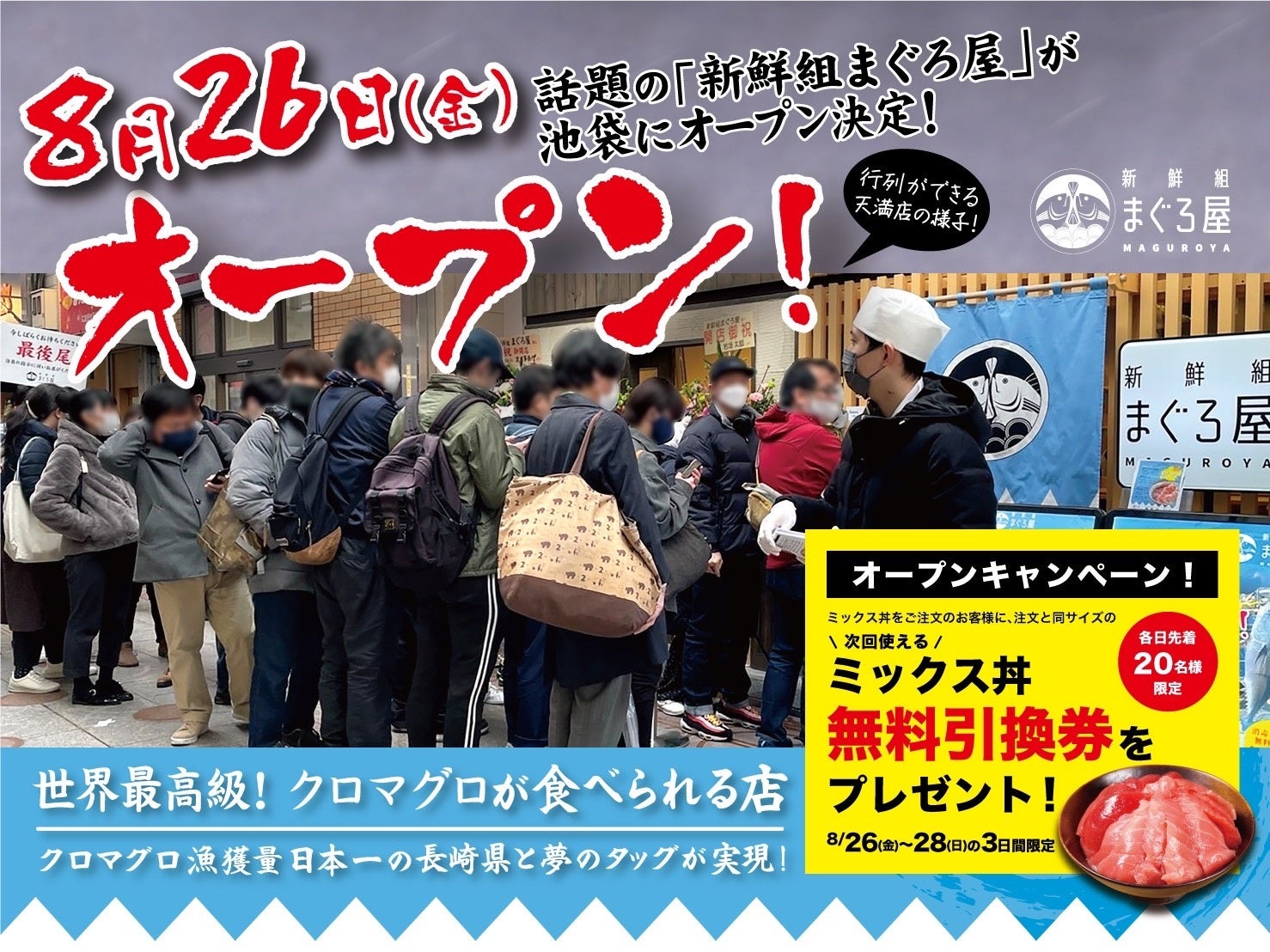
Commercial activity across Toshima Ward has expanded markedly through 2026, driven by municipal cultural initiatives and an influx of independent retail ventures. Niche retail and culinary launches continue to redefine the streetscape; the debut of Shinsengumi Maguro-ya's second Tokyo location on August 26, featuring time-limited promotional giveaways, exemplifies how aggressively neighborhood operators compete for local foot traffic, as detailed in an official PR TIMES Report. For shoppers seeking unique birthday presents in Tokyo, Ikebukuro's mix of quiet residential backstreets and hyper-curated department store floors offers a refreshing alternative to the saturated boutiques of Shibuya or Ginza.
📌 Quick Summary:
- Core Finding: Ikebukuro holds a dense network of curated zakka shops and boutique annexes offering heirloom-grade design gifts priced between ¥1,500 and ¥12,000.
- Retail Shift: Local shoppers increasingly bypass generic department-store souvenirs in favor of Japanese artisanal tableware, custom incense, and regional textiles.
- Strategic Approach: High-efficiency gift hunting requires splitting time between the curated upper floors of Ikebukuro Parco and the quiet residential alleys stretching south toward Zoshigaya.
The Evolution of Toshima’s Lifestyle and Design Landscape
For decades, Ikebukuro stood in the shadow of Tokyo’s western hubs when it came to lifestyle aesthetics. Shinjuku had luxury fashion. Shibuya set youth trends. Ikebukuro catered to subcultures and commuter convenience. That commercial divide has largely disappeared. Toshima Ward’s sustained investment in public plazas, theater spaces, and pedestrian-friendly streetscapes has attracted boutique lifestyle brands that previously avoided the district.
The term zakka refers to everyday utility elevated to an art form. It encompasses everything from hand-turned cedar tea canisters to minimalist linen aprons, ceramics, and desk accessories. In Ikebukuro, this ethos takes two distinct paths. Inside the station perimeter, vertical malls curate design floors featuring independent makers from across Japan. A short walk south, independent shopkeepers run standalone storefronts that double as artist exhibition spaces. This dual layout allows shoppers to cross off both routine and bespoke purchases in a single afternoon.
Department Store Curation: Tobu, Seibu, and Parco
Navigating Tobu Seibu Ikebukuro shopping can be overwhelming without a focused plan. The massive east-west departmental split houses some of Tokyo's most comprehensive design floors, provided you know which levels to target. Seibu's upper lifestyle sections feature extensive selections of artisanal kitchenware and home textiles, while Loft Ikebukuro remains a primary destination for high-end designer stationery gifts and clever organizational tools.
Just across the concourse, Ikebukuro Parco takes a younger, design-forward approach. Rather than displaying mass-market gift sets, Parco's design levels host rotating pop-ups and permanent flagships for independent lifestyle labels. Here, shoppers consistently uncover unexpected Ikebukuro Parco gift ideas, including small-batch ceramics, leather cardholders crafted in Asakusa, and niche domestic fragrances. The central location makes Parco the premier spot for last-minute gift shopping in Tokyo when time does not permit alleyway exploring.
Hidden Backstreet Boutiques Toward Minami-Ikebukuro
The most memorable gift destinations sit beyond the department store shadows. Walking south from the Seibu exit toward Minami-Ikebukuro Park reveals a quieter, low-rise district filled with specialty cafes and indie boutiques. These storefronts operate on limited production runs, stocking goods sourced directly from regional pottery kilns in Gifu, Aichi, and Saga prefectures.
Japanese artisanal tableware forms the backbone of these neighborhood shops. Shelves display Mino-yaki rice bowls with subtle iron-spot glazes, Hasami porcelain coffee mugs with raw matte finishes, and hand-carved cherry wood cutlery. Unlike larger commercial chains, these shops provide detailed cards explaining the artisan's workshop location and clay processing methods. Presenting a gift accompanied by its maker’s lineage transforms a modest bowl into an intentional, personal keepsake.
Comparing Gift Categories, Budgets, and Locations
To help balance time constraints against gift budgets, the table below maps Ikebukuro's main gift sectors across price points, specialty categories, and physical zones.
| Product Category | Price Range | Top Locations in Ikebukuro | Best Suited For |
|---|---|---|---|
| Handmade Ceramics & Tableware | ¥1,800, ¥6,500 | Minami-Ikebukuro Backstreets, Tobu 7F Living | Housewarmings, weddings, dinner hosts |
| Domestic Fragrance & Bath Goods | ¥2,200, ¥8,000 | Lumine Ikebukuro B1, Parco 2F, 4F | Birthdays, self-care gifts, thank-you tokens |
| Artisanal Paper & Writing Tools | ¥800, ¥4,500 | Seibu Ikebukuro Loft, Itoya Pop-ups | Colleagues, students, creative professionals |
| Interior Accents & Regional Crafts | ¥3,500, ¥15,000 | WACCA Ikebukuro, Zoshigaya Corridor | Anniversaries, milestone events, collectors |
Sensory and Paper Gifts: Fragrances and Precision Stationery
Fragrance and cosmetic presents have become dominant gift staples across Tokyo, driven by an appetite for understated, regional botanicals. In Ikebukuro’s dedicated apothecary boutiques, synthetic florals take a back seat to Japanese cypress (hinoki), yuzu citrus, and cedarwood (hiba). Solid perfumes made with camellia oil, clean-burning soy candles hand-poured in Saitama, and traditional incense coils packed in paulownia wood boxes make compact, luggage-friendly gifts for travelers.
Stationery gifts present an equally dependable route. Japanese stationery holds a global reputation for utility, but the zakka shops around Ikebukuro focus on tactile luxury. Think letterpress greeting cards printed on textured washi paper, solid brass fountain pens designed to develop an individual patina over decades, and fountain-pen-friendly notebooks with thread-bound spines. These pieces strike a balance: functional enough for daily desk use, yet refined enough to feel celebratory.
Choosing the Right Store: Matching Buyer Needs to Retail Spaces
Finding the right gift shop in Ikebukuro depends heavily on scheduling, recipient preferences, and transport logistics. Not every retail corridor works for every shopper.
The curated floors of Parco, Lumine, and Seibu suit shoppers who need efficient browsing, polished complimentary gift wrapping, and immediate proximity to the JR Yamanote line gates. These spaces excel when buying for coworkers, casual acquaintances, or recipients who appreciate contemporary packaging and proven domestic brands. Most counters handle tax-free processing on-site, simplifying purchases for overseas visitors.
Conversely, shoppers searching for one-of-a-kind character should walk past the transit terminals toward Zoshigaya and Higashi-Ikebukuro. The indie lifestyle spaces here cater to design purists who value small-scale production, hand-thrown clay variations, and conversations with the shop owners who selected the stock. Expect limited inventory, cash-preferred registers in smaller outlets, and irregular weekly opening days, trade-offs that yield distinct, thoughtful gifts unavailable in standard commercial corridors.
Frequently Asked Questions (FAQ)
Q1: Do independent zakka shops in Ikebukuro offer professional gift wrapping (wrapping service)?
A1: Yes. Department stores like Tobu, Seibu, and Parco provide standard or branded gift wrapping, often free of charge or for a nominal fee of ¥100 to ¥300. Independent boutiques in Minami-Ikebukuro typically offer custom wrapping using handmade washi paper, natural twine, or seasonal dried foliage, though they may require an extra five to ten minutes per item.
Q2: Where is the best spot in Ikebukuro for last-minute gifts under ¥3,000?
A2: Ikebukuro Loft inside the Seibu complex and the lower lifestyle floors of Ikebukuro Parco are the strongest options. Both carry extensive selections of designer pens, aromatic room mists, gourmet tea blends, and artisanal hand towels within the ¥1,000 to ¥3,000 range, complete with quick checkout services.
Q3: Are local craft boutiques in Ikebukuro open on weekdays, or just weekends?
A3: Department store shops open seven days a week, typically from 10:00 AM to 8:00 PM or 9:00 PM. Independent zakka stores along the Minami-Ikebukuro and Zoshigaya corridors often close on Mondays and Tuesdays, opening from 11:30 AM to 6:30 PM Wednesday through Sunday. Check individual boutique social media channels before visiting off-corridor spots.
Smart Gifting Across Toshima’s Design Map
Ikebukuro rewards visitors who look beyond transit bottlenecks and high-decibel electronics plazas. By exploring both the vertical curation of department store design floors and the quiet independent storefronts clustered toward Minami-Ikebukuro, gift shopping here shifts from a rushed chore into a genuine discovery of modern Japanese craft. The neighborhood provides immediate access to skilled artisans, thoughtful packaging, and functional goods built to last long after the unwrapping is done.