Higashi-Okazaki Redevelopment Milestone: SWING MALL Welcomes Diners at South Exit
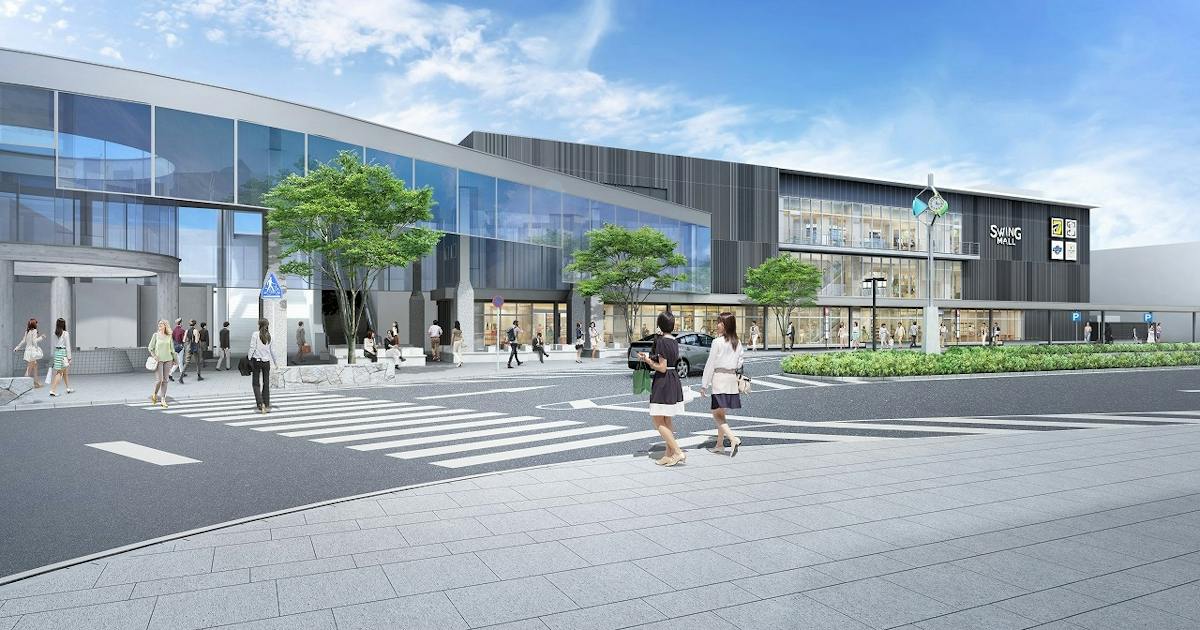
Commuters stepping out of the ticket gates at Higashi-Okazaki Station no longer have to wander through fragmented shopping corridors to find authentic regional meals. Nagoya Railroad (Meitetsu) altered the transit hub's food landscape by opening SWING MALL directly at the station's South Exit. As detailed in the 日本経済新聞 Report on the project launch, the commercial complex represents the critical opening phase of a multi-year master plan to modernize Okazaki's primary railway gateway.
The facility brings 17 curated tenants spanning food and retail directly to an interchange that sees roughly 40,000 daily passengers. The project replaces an aging collection of scattered storefronts with structured, station-connected restaurants, casual lunch spots, and evening izakaya. For residents across Aichi Prefecture, this launch redefines everyday station convenience while anchoring regional culinary specialties in an accessible, transit-oriented format.
📌 Key Takeaways:
- Phase One Milestones: Meitetsu launched SWING MALL on April 25, 2024, delivering 17 new retail and dining tenants directly linked to Higashi-Okazaki Station's South Exit.
- Commuter Convenience: The three-story structure addresses a longstanding gap in high-density dining options, integrating grab-and-go bakeries, third-wave cafes, and late-night izakaya under one roof.
- Regional Context: The complex acts as the anchor for an ongoing, multi-phase Okazaki urban revitalization effort scheduled to remodel North Exit plazas and pedestrian walkways through 2028, 2030.
The Commuter Hub Overhaul Behind Meitetsu's South Exit Strategy
Higashi-Okazaki Station has long operated as the central transit junction for Aichi Prefecture's third-largest city, yet its surrounding commercial real estate remained stalled in postwar layouts for decades. While the North Exit previously absorbed the bulk of commercial attention through Otogawa riverfront developments and traditional commercial alleys, the South Exit functioned primarily as a steep, utilitarian bus terminal. Commuters rushing between local buses and Meitetsu express trains found few places to eat without walking several blocks uphill.
Nagoya Railroad committed capital to this district to capture lost commuter spend. Instead of watching travelers transfer straight to suburban homes or proceed onward to Nagoya Station for dining, Meitetsu created an immediate South Exit gathering place. SWING MALL links seamlessly with existing platforms, letting commuters transition from train door to dining table within two minutes. The property design prioritizes rapid foot traffic, incorporating wide staircases and covered corridors that shield passengers during severe weather.
Inside SWING MALL: Tenant Lineups and Station-Connected Dining
The layout inside SWING MALL groups food offerings by transit urgency rather than arbitrary pricing tiers. The ground floor targets early-morning commuters and rapid lunch-hour traffic. Specialty bakeries, sandwich shops, and casual coffee counters allow travelers to buy breakfast in under 90 seconds. These quick counters eliminate the long waits that previously pushed daily riders toward generic convenience stores.
Higher floors cater to sit-down lunches and post-work gatherings. A curated selection of izakaya and casual cafes serves both visiting business travelers and local office staff. Diners can order express teishoku lunches between noon and 1:30 PM, then return after 6:00 PM for yakitori, craft beer, and regional sake. This layout gives the South Exit an evening vibrancy it previously lacked, converting an empty transfer point into an active destination throughout the afternoon and night.
Milestones in Okazaki's Station District Transformation
The modern layout of Higashi-Okazaki Station reflects a phased capital improvement plan designed to balance rail continuity with heavy construction. The project moves step by step to avoid shutting down critical commuter rail lines running through Mikawa Province.
| Timeframe | Development Phase | Operational Focus & Dining Impact |
|---|---|---|
| 2019, 2021 | OTO RIVERSIDE TERRACE Launch | North Exit riverfront revitalization; introduction of upscale hotel dining and terrace bistros. |
| March 2024 | South Exit Terminal Completion | Reorganized municipal bus loops, taxi bays, and barrier-free platform elevators. |
| April 25, 2024 | SWING MALL Grand Opening | Commercial launch of 17 new tenants; established station-connected casual dining and izakaya hubs. |
| 2025, 2028 | North Exit Station Building Reconstruction | Demolition of aging Meitetsu facilities; construction of high-rise commercial and administrative complexes. |
| 2029, 2030 | Integrated Gateway Harmonization | Full completion of connected pedestrian decks linking South and North commercial corridors. |
Regional Flavors Meet Everyday Commuters: Evaluating the Culinary Impact
Okazaki maintains an unmistakable culinary identity anchored by dark, fermented Hatcho miso, produced along the Yahagi River for centuries. Historical menus across the city centered on heavy miso katsu, miso nikomi udon, and salt-preserved ayu fish. However, contemporary commuter habits demand lighter, more versatile daily options. SWING MALL balances these traditions by offering both heritage flavors and modern, rapid-turnover culinary formats.
Casual dining spaces throughout the property showcase local Aichi ingredients in updated styles. Visitors can order classic miso-glazed skewered pork alongside seasonal pasta dishes, specialty espresso, and Japanese craft lagers. This balance makes the location practical for midday business travelers seeking authentic Mikawa dishes without booking traditional ryotei banquets. The shift preserves local food heritage while adapting it for fast, casual lunches.
Urban Density and Foot Traffic: The Broader Okazaki Commercial Blueprint
SWING MALL serves a strategic commercial function within Meitetsu’s regional network. Across greater Nagoya, private rail operators face changing ridership patterns as telework spreads. Developing high-margin retail properties on station land provides Meitetsu with dependable real estate income that helps balance fluctuations in passenger fares.
The facility also keeps retail spending within the city center. Rather than driving outward to big-box malls along Route 248 or riding 30 minutes into central Nagoya, locals can fulfill everyday dining and retail needs right at their home station. This clustering supports Okazaki’s compact city goals by keeping commercial districts walkable and linked directly to public transit.
Frequently Asked Questions (FAQ)
Q1: What are the primary operating hours for dining inside SWING MALL?
A1: Most casual cafes and grab-and-go bakeries open by 7:00 AM or 8:00 AM to serve morning commuters. Full-service lunch restaurants begin seatings around 11:00 AM, while izakaya and evening dining venues operate through 10:00 PM or 11:00 PM, matching train timetables.
Q2: Does SWING MALL offer direct platform access for rail passengers?
A2: Yes. The facility connects directly to the South Exit pedestrian concourse. Commuters can reach restaurants, cafes, and retail shops without passing through uncovered outdoor walkways or crossing road traffic.
Q3: How does South Exit dining compare to North Exit options at Higashi-Okazaki?
A3: The South Exit, led by SWING MALL, specializes in fast commuter meals, modern cafes, and efficient business lunches. The North Exit features the OTO RIVERSIDE TERRACE development, historical drinking alleys, and scenic dining spots overlooking the Otogawa River.
What Lies Ahead for Okazaki Food Culture and Commuter Dining
The opening of SWING MALL marks an important transition for Higashi-Okazaki Station, shifting it from a quiet suburban stop into a modern transit hub. As Meitetsu turns its focus toward rebuilding the North Exit station building, commercial dynamics across the tracks are steadily realigning. The days of treating station exits as mere concrete pass-throughs have ended, replaced by deliberate commercial spaces tailored to how modern commuters move and eat.
The long-term impact of this investment will become clearer as ongoing construction finishes over the next several years. If SWING MALL maintains steady foot traffic and vendor retention, it will set the standard for how mid-sized Japanese transit centers balance historic regional flavors with modern, efficient station designs.