Hiroshima Mensho Koriku Complete Guide: Location, Hours, and Top Bowls
Hiroshima's ramen landscape often stays overshadowed by the sweet pork-backfat broth of Onomichi or the classic regional shoyu-tonkotsu style served across the city center. In the quiet streets of Nishi Ward, however, 廣島麺匠 こりく (Hiroshima Mensho Koriku) has spent years rewriting those expectations. Operating away from high-traffic tourist strips, the shop has built a devoted following for its hybrid poultry-and-pork bases, earning a spot among the prefecture's essential noodle destinations in local surveys, including coverage compiled in a Netorabo Report.
The draw here centers on meticulous balance. While traditional regional shops lean into cloudy, heavy pork broths paired with thin, brittle noodles, Mensho Koriku refines the profile into something cleaner yet deeply concentrated. Food travelers planning their itineraries need precise logistical details before boarding the streetcar west.
📌 Key Takeaways:
- The Location: Situated at 1-26-4 Fukushimacho in Nishi Ward, just steps away from the Fukushimacho tram stop on the Hiroden network.
- The Signature Bowl: Renowned for its marbled tori tonkotsu soup, fusing collagen-rich chicken extract with dense pork bone broth to create a layered, silken emulsion.
- The Operating Schedule: Split daily service running 11:00 AM to 2:45 PM and 5:30 PM to 9:15 PM, with a strict closure every Sunday.
The Artisan Shift in Hiroshima's Nishi Ward Neighborhood
Fukushimacho carries an industrial heritage defined by food processing, small workshops, and working-class eateries. For decades, the district's culinary claim rested on horumon (offal) specialties like tempura entrails and beef knuckle soup. Mensho Koriku introduced a different rhythm to the area. Stepping inside reveals a bright, contemporary interior run by an attentive, mixed-gender crew, creating an atmosphere far removed from the grease-stained counter shops common across older port cities.
The shop prioritizes precision over raw volume. Rather than pushing hundreds of bowls an hour through an open assembly line, the kitchen works with measured pacing. This community focus has quietly reshaped local dining habits. Longtime residents sit alongside noodle enthusiasts who crossed prefectural borders specifically to analyze the kitchen’s signature extraction methods.
Decoding the Signature Marbled Tori Tonkotsu Broth
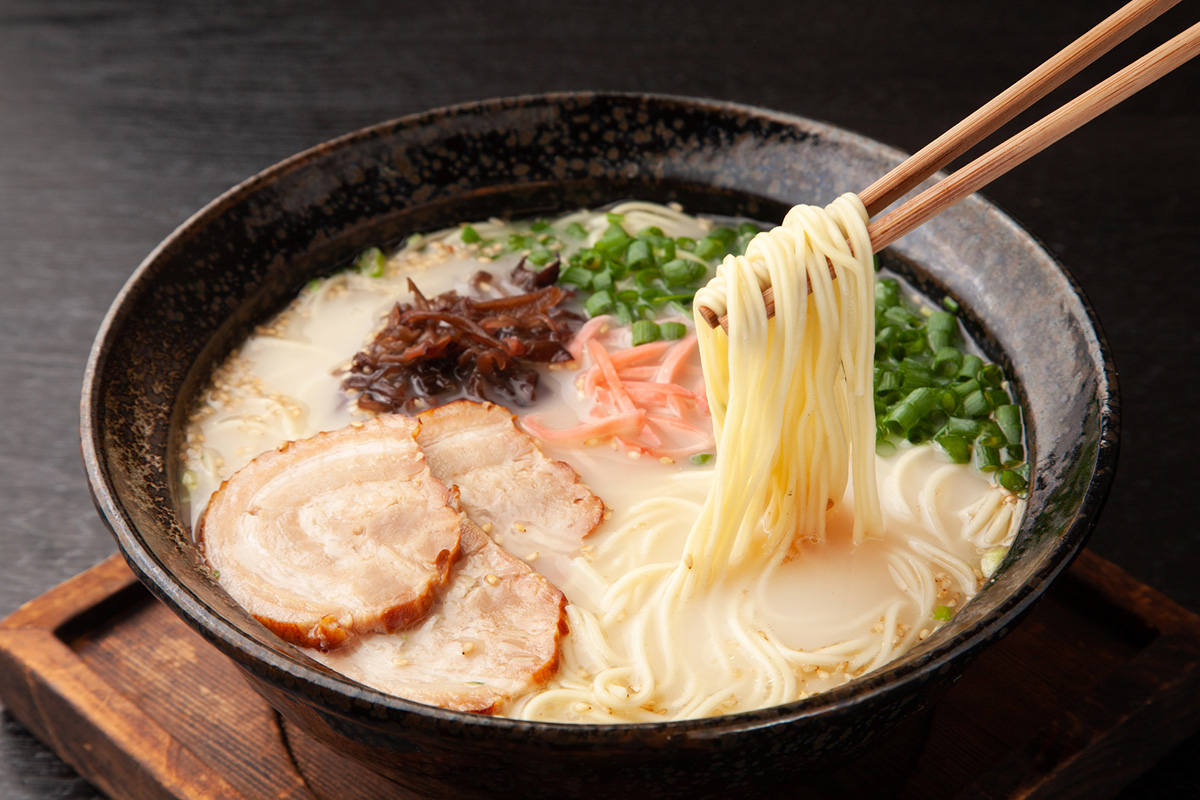
The centerpiece of Mensho Koriku’s reputation is its tori tonkotsu broth. Combining chicken and pork bones sounds standard on paper, but the execution here relies on contrasting cooking temperatures and varied reduction times. The kitchen renders the poultry elements into a pale, velvety suspension while coaxing deep, savory umami out of the pork bones.
When ladled into the bowl, the liquids form a distinct marbled surface. Light-toned poultry fats trace delicate patterns across the darker, pork-infused broth. It does not hit the tongue with excessive animal funk; instead, the first spoonful yields a rounded, buttery texture backed by a sharp, clean soy seasoning base (tare).
The noodles complete the architecture. Mensho Koriku relies on medium-thin straight strands engineered with moderate hydration. Cooked to a firm, resilient bite, the exterior grabs the viscous emulsion without turning soggy midway through the meal. Slices of tender rolled chashu, tender bamboo shoots (menma), finely sliced scallions, and a sheet of nori balance the rich fat profile.
Operational Logistics: Hours, Sunday Closures, and Tram Navigation
Reaching Mensho Koriku requires stepping outside the downtown Hatchobori commercial core. Travelers should board Hiroden Streetcar Line 2 or Line 3 heading toward Nishi-Hiroshima and alight directly at Fukushimacho Station. From the tram platform, the shop sits less than a two-minute walk away on a quiet commercial street.
The shop operates on a strict two-shift system, and timing is critical for avoiding a wasted trip.
| Logistical Element | Details & Operational Rules | Traveler Advisory |
|---|---|---|
| Street Address | 1-26-4 Fukushimacho, Nishi Ward, Hiroshima, 733-0024 | Look for the subtle navy-and-wood exterior entrance. |
| Public Transit Access | Hiroden Fukushimacho Tram Stop (Lines 2 & 3) | 120-meter level walk; no taxis required. |
| Lunch Service Window | 11:00 AM, 2:50 PM (Last Order 2:30 PM) | Lineups form by 10:40 AM on Saturdays. |
| Dinner Service Window | 5:30 PM, 9:15 PM (Last Order 8:45 PM) | Broth can run out during evening high-demand shifts. |
| Weekly Rest Day | Every Sunday (Entire Day) | No weekend substitute hours; plan around this block. |
Early arrivals ensure seat placement during the first seating cycle. The staff strictly observes closing times, shutting the doors promptly when the kitchen exhausts its daily kettle portions.

Queue Management and Ordering Etiquette for Peak Hours
Dining during peak windows requires practical patience. Queues gather on the pavement outside the shop beginning twenty minutes prior to the 11:00 AM opening. Once service starts, counter turnover averages twenty-five minutes per patron.
Staff members occasionally step outside during busy periods to hand out physical menus or take advance counts. Unlike urban Tokyo establishments that rely heavily on complex ticket vending machines with cramped button layouts, Koriku maintains direct customer interaction inside. Seating includes counter stools overlooking the soup station alongside a few compact tables, accommodating solo diners and small groups without awkward crowding.
Cash remains the most dependable payment method, so carry small yen bills and coins. Out of respect for patrons waiting outside, diners are expected to finish their bowls, clear personal trash from the counter, and vacate their seats rather than lingering over empty bowls.
Menu Variations: Beyond the Standard Tori Tonkotsu
While the marbled tori tonkotsu captures the spotlight, the menu extends across several distinct bowl configurations:
- Shio (Salt) Tori Tonkotsu: Strips back the fermented depth of dark soy sauce, substituting an oceanic mineral salt blend. This variant puts the raw poultry collagen front and center, accentuating the natural sweetness of the simmered vegetables.
- Blends house-ground chili oils and roasted sesame pastes into the base broth. The heat does not mask the pork marrow; it cuts cleanly through the richness, leaving a warming, lingering aftertaste.
- Chashu-men Upgrade: Adds generous, thicker-cut slices of simmered pork belly that melt when submerged into the hot broth.
- Seasoned Soft-Boiled Egg (Ajitama): Marinated with a runny, jam-like yolk, offering a sweet counterpoint to the savory garlic and soy elements.
Pairing the noodles with a side order of pan-crisped gyoza or seasoned rice topped with chashu scraps provides a substantial meal for travelers spending long days exploring the Peace Memorial Park or Miyajima.
Frequently Asked Questions (FAQ)
Q1: What is the most efficient transit route from Hiroshima Station to Mensho Koriku?
A1: Take the Hiroden Streetcar Line 2 directly from the South Exit of Hiroshima Station toward Hiroden-miyajima-guchi. Ride the tram across the central district and disembark at Fukushimacho Station. The ride takes approximately 25 to 30 minutes, followed by a flat two-minute walk.
Q2: Is Hiroshima Mensho Koriku suitable for vegetarian or vegan diners?
A2: No. Every ramen base on the menu relies heavily on slow-cooked pork bones, chicken carcasses, and traditional seafood seasonings like dried bonito or sardine flakes. There are no plant-based alternative broth bases available.
Q3: Does the shop accept credit cards, IC cards, or mobile wallets?
A3: Payment systems can vary, but standard Japanese ramen etiquette dictates carrying physical cash. Keep 1,000-yen notes ready, as small neighborhood shops may not support foreign digital payment platforms or overseas credit cards during peak rushes.
Navigating Hiroshima’s Evolving Noodle Scene
Mensho Koriku represents a broader generational transition in Western Japan's food culture. Hiroshima’s identity is no longer restricted to layered okonomiyaki or standardized regional ramen franchises. By anchoring their craft in Fukushimacho and refining their dual-bone extraction techniques, the kitchen team proves that precision craftsmanship can thrive far away from commercial tourist strips. For diners eager to understand how regional ramen methods continue to evolve, a seat at this Nishi Ward counter remains one of the city's most satisfying destinations.