Hotel Hashimoto Sapporo Fact-Check: Public Records, Incident Logs, and Stigmatized Property Data
Search engines in Japan routinely pair Hotel Hashimoto, an unassuming budget property in Sapporo’s Chuo Ward, with the word shinrei, the Japanese term for ghosts and psychic phenomena. Travelers browsing accommodations near Odori Park often encounter this pairing before seeing photos of the lobby or room rates. The association sparks immediate hesitation, sending prospective guests searching for police records and accident registries.
Online reputation can drift far from physical reality. In Japan’s hyper-connected travel ecosystem, an automated search suggestion or an unsubstantiated thread on an anonymous message board can permanently alter a business's public profile. Evaluating public safety logs, historical real estate records, and crowd-sourced accident databases separates verifiable history from architectural misinterpretation.
📌 Key Takeaways:
- Registry Findings: Oshimaland and municipal incident databases show no record of homicides, suicides, or suspicious deaths linked to Hotel Hashimoto.
- The Source: Rumors stem from the hotel’s retro interior styling, acoustic quirks common to older Showa-era builds, and algorithmic search auto-completions.
- Guest Reality: The property remains an active, secure budget option catering primarily to domestic travelers, solo tourists, and visitors prioritizing proximity to Nijo Market.
How Algorithmic Search Queries Spawned an Urban Legend
The phantom reputation of Hotel Hashimoto did not originate from a local news broadcast or a police blotter. Instead, it grew out of the unique mechanics of Japanese search engines. When users search for budget accommodations in Sapporo, search algorithms aggregate inquiries about older properties alongside popular horror forums such as 5ch and psychic tourism blogs. Once a critical mass of users clicks an auto-suggested pairing out of curiosity, the algorithm cements the association, creating a self-reinforcing feedback loop.
Geographic proximity also plays a role. Sapporo’s Chuo Ward houses hundreds of hospitality businesses ranging from luxury towers to aging business hotels constructed during Japan’s economic boom. A handful of genuine accidents across the Susukino entertainment district over the past four decades have occasionally led careless forum posters to conflate locations. When anonymous users discuss unexplained hotel occurrences in central Sapporo, names blur easily. Hotel Hashimoto, with its vintage facade and classic 1970s aesthetic, became an easy canvas for generic hotel ghost stories.
What Oshimaland and Public Incident Logs Reveal
In Japan, the gold standard for tracking stigmatized properties (jiko bukken) is Oshimaland, a meticulously crowdsourced mapping service that logs unnatural deaths, suicides, fires, and murders across the country. Japanese real estate law requires property owners and brokers to disclose physical and psychological defects to potential tenants, making accident registries a fixture of domestic travel and housing research.
An inspection of the Oshimaland registry for Chuo-ku, Minami 2-jo Higashi 2-chome, the exact address of Hotel Hashimoto, yields zero flame icons on the property footprint. Surrounding commercial buildings across the greater Chuo Ward feature isolated entries typical of dense metropolitan zones, yet the parcel occupied by Hotel Hashimoto remains clean.
Hokkaido Prefectural Police incident logs and historical newspaper archives confirm this absence. Local press archives covering the Chuo-ku district from 1980 through 2026 contain no investigative coverage involving foul play, lethal structural fires, or unresolved fatal incidents at the address. Rumors of gruesome deaths or hidden tragedies fall apart under administrative scrutiny.
Property Records Versus Forum Rumors: The Data Breakdown
Separating internet claims from verified municipal and architectural records highlights the gap between perception and fact. The following table contrasts prevailing claims with documented real-world data.
| Category | Internet Forum Claim | Verified Official Record | Physical Cause |
|---|---|---|---|
| Accident History | Site of an undisclosed suicide or violent crime | Zero entries on Oshimaland; no Hokkaido Police incident records | Conflation with unrelated Susukino incident reports |
| Unexplained Sounds | Footsteps, wall tapping, and poltergeist activity | Standard hospitality building operational logs | Plumbing water hammer effect; thermal expansion of pipes |
| Atmospheric Pressure | "Heavy" or chilling psychological aura in hallways | Fully compliant annual fire and building safety inspections | Low-lumen corridor lighting and deep carpet dampening |
| Legal Property Status | Classified as a stigmatized asset (*jiko bukken*) | Standard commercial hospitality license; no legal disclosure tags | Clear title and routine commercial registry standing |
The Mechanics of Fear: Retro Architecture and Water Hammer Effects
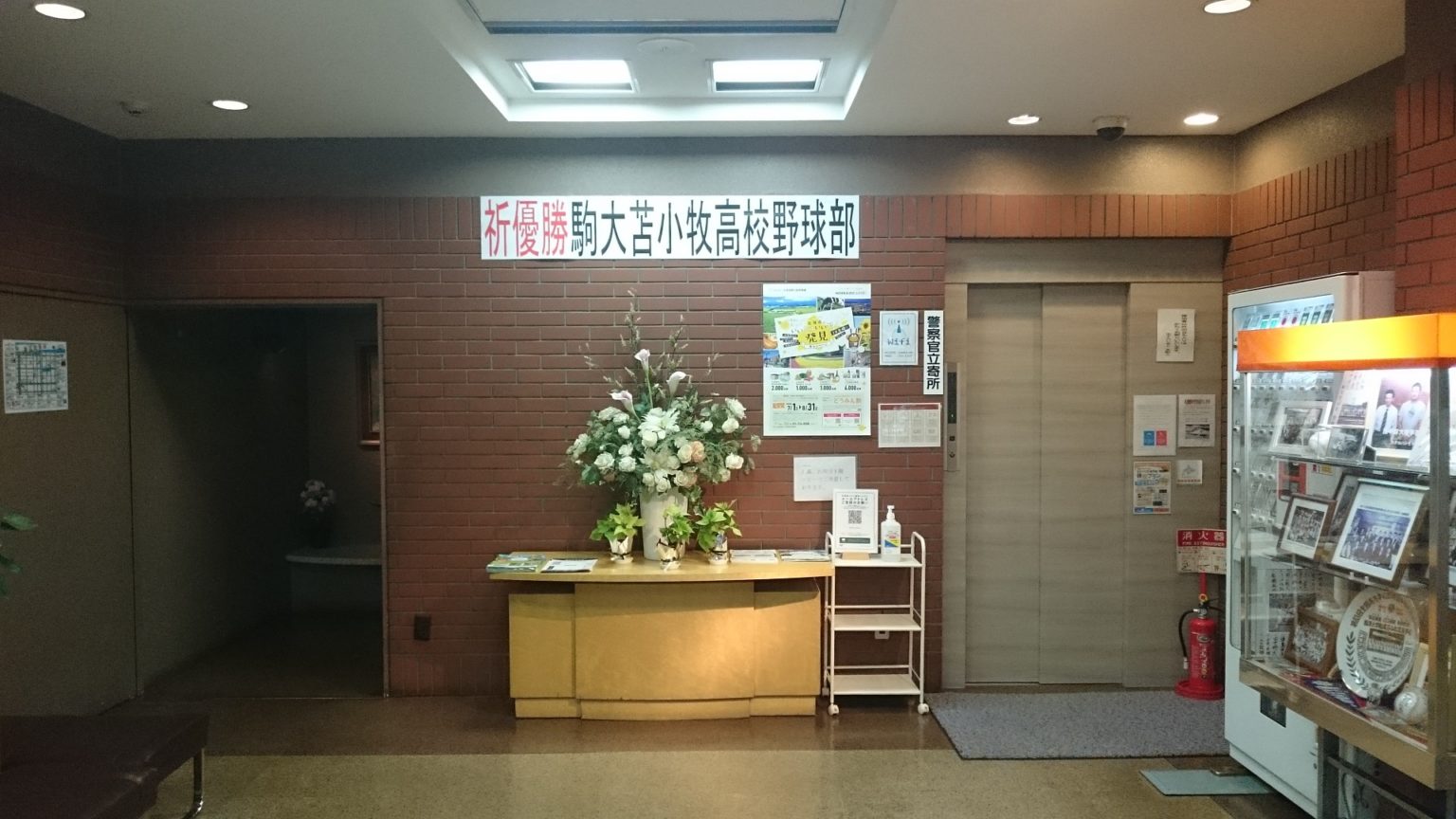
Buildings constructed during Japan's late Showa era rely on distinct materials and layouts that evoke nostalgia for some travelers and unease for others. Hotel Hashimoto features compact guestrooms, subdued wood trim, patterned carpets, and soft, indirect lighting fixtures typical of business accommodations built decades ago. To an international visitor or younger traveler conditioned by modern, brightly illuminated chain hotels, an older aesthetic can feel eerily quiet.
Sound plays tricks in older steel-reinforced concrete buildings. When water valves close rapidly in centralized hospitality plumbing, pressure waves rattle the pipes, a common mechanical phenomenon known as water hammer. In a quiet hallway at 2:00 AM, these hydraulic thumps sound remarkably like deliberate knocks on an adjoining wall or footfalls overhead.
Thermal contraction adds another layer. Sapporo's winter temperatures regularly drop below -8 degrees Celsius. The difference between interior heating systems and exterior sub-zero walls forces metal conduits, floor joists, and window casements to contract, emitting distinct clicking sounds throughout the night. Travelers unfamiliar with cold-region structural physics often misattribute these mundane settling noises to paranormal sources.
Navigating Budget Lodging Realities in Sapporo Chuo-ku
Stripping away ghost stories leaves Hotel Hashimoto as a straightforward, utilitarian lodging asset. Located a short walk from the Sosei River and the historic Nijo Market, it sits on prime real estate for travelers who want central access without paying the premium rates commanded by luxury high-rises around JR Sapporo Station.
A systematic analysis of verified guest reviews across Rakuten Travel, Jalan, and Google Maps reveals high consistency. Guests praise the property for affordable nightly pricing, luggage-storage hospitality, and quiet sleeping conditions. Critical reviews focus almost exclusively on practical limitations: smaller-than-average bathrooms, limited wall outlets for electronics, and the general wear expected of an aging building. Mentions of supernatural encounters appear only as jokes referencing the automated search trends.
The property appeals directly to budget-conscious backpackers, domestic business travelers working contracts in downtown Sapporo, and tourists planning early-morning seafood breakfasts at Nijo Market. Travelers seeking hyper-modern amenities, spacious modular bathrooms, or expansive fitness facilities will find the property dated, but safety, cleanliness, and administrative integrity remain intact.
Frequently Asked Questions (FAQ)
Q1: Is Hotel Hashimoto listed as a stigmatized property (jiko bukken)?
No. The property has no history of fatal incidents, suicides, or criminal homicides on Oshimaland or local real estate oversight registries.
Q2: Why do Japanese search engines suggest "Hotel Hashimoto ghost" automatically?
Search algorithms pair older, inexpensive hotels with popular horror keywords when users repeatedly click auto-fill suggestions. This search feedback loop exists independently of real-world events.
Q3: Is Hotel Hashimoto safe for solo travelers?
Yes. The hotel operates standard front-desk oversight, complies with municipal fire codes in Sapporo, and sits in a well-traveled urban area near central transit links.
The Bottom Line on Booking Hotel Hashimoto
Online folklore often outpaces architectural and historical reality. Hotel Hashimoto is neither a haunted monument nor a modern luxury retreat; it is a functional, retro business hotel operating quietly in the heart of Sapporo. Travelers who bypass the internet rumors find an affordable base that delivers exactly what it advertises: low rates, walkable city access, and an authentic slice of vintage Japanese hospitality.