How a Viral Social Media Freezing Hack Upended Pantry Storage for Bottled Lemon Juice
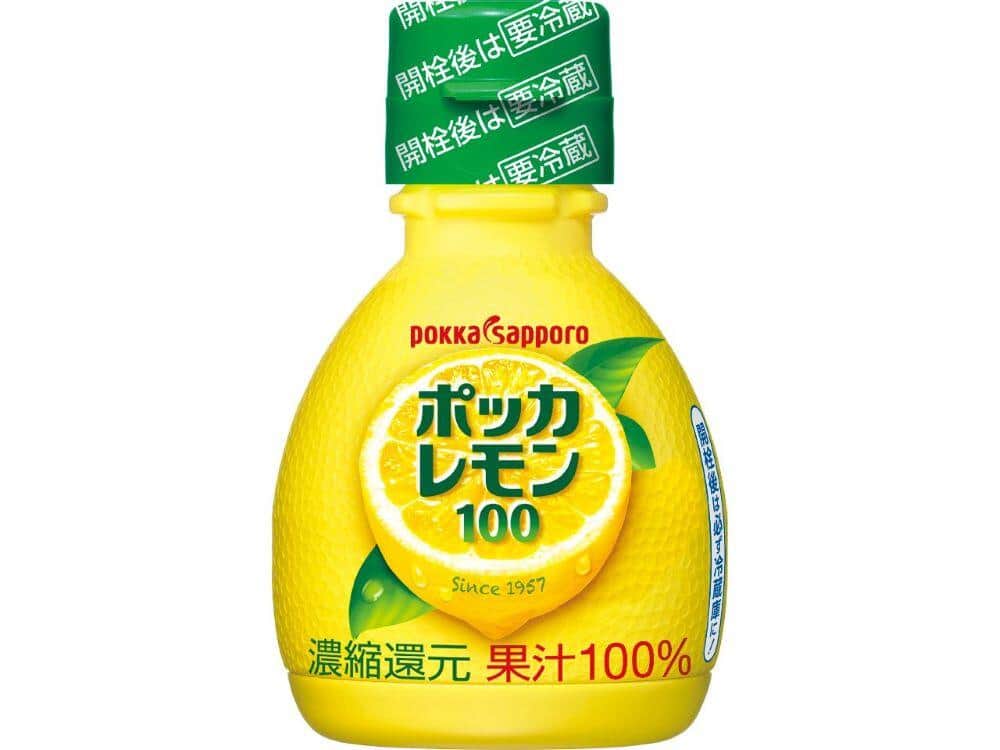
Almost every home refrigerator harbors a silent green bottle of lemon juice tucked behind mustard jars and salad dressings. Most cooks treat it like vinegar or soy sauce, assuming its punishing acidity grants it indefinite shelf life. That collective illusion shattered across social media in mid-2026 when users discovered that commercial citrus extracts spoil far quicker than presumed, setting off a wave of food waste reckonings and ingenious repurposing techniques documented in an investigative MSN Report.
The revelation catalyzed a shift in how modern households handle citrus concentrates. Instead of pouring oxidized juice down the drain, consumers have begun turning stale bottles into heavy-duty eco-cleaners, while using simple sub-zero preservation tricks to stop waste before it starts.
📌 Key Takeaways:
- The Expiration Reality: Unopened 100% bottled lemon juice lasts up to a year, but manufacturers advise consuming it within one to two weeks once unsealed.
- The Freezing Workaround: An ice cube tray freezing hack popularized on X preserves flavor integrity and halts mold formation for up to six months.
- Eco-Cleaning Utility: Expired juice retains roughly 5% to 8% citric acid concentration, making it a zero-waste powerhouse for electric kettle descaling and microwave steam cleaning.
The Two-Week Expiration Panic Behind Pokka Lemon 100
The controversy ignited in June 2026 when posts on X dissected the fine print on Japan's ubiquitous citrus staple, Pokka Lemon 100, produced by Nagoya-based Pokka Sapporo Food & Beverage. While unopened glass bottles safely sit at ambient room temperature for nine to twelve months, the manufacturer guidelines state that refrigerated storage after opening must be limited to one to two weeks.
For decades, millions of consumers treated bottled lemon extract as an immortal pantry condiment. Because 100% lemon juice contains no artificial preservatives, exposure to airborne spores triggers mold growth inside the bottle neck and cap liner far faster than the public realized. As domestic media outlets like Oricon News and Mainichi Shimbun amplified the manufacturer's guidance in August 2026, panic turned into collective guilt: countless home cooks confessed to harboring half-empty bottles opened six months prior.
The problem stems from usage patterns. A standard recipe calls for a single teaspoon or tablespoon of citrus juice to finish a sauce, balance a cocktail, or tenderize a protein cut. A typical 70-milliliter or 450-milliliter container holds dozens of servings. Finishing an entire bottle within fourteen days requires intentional, daily consumption that few households maintain, creating an inevitable cycle of kitchen food waste.
The Ice Cube Tray Freezing Hack That Went Viral
To halt the post-opening clock, home cooks turned to their freezers. The trick that dominated culinary social media feeds in June 2026 relies on immediate batch-portioning: transferring freshly opened bottled lemon juice directly into silicone mini-ice cube trays.
Freezing arrests microbial reproduction without degrading the juice’s intrinsic ascorbic and citric acids. Each standard compartment holds approximately 15 milliliters (one tablespoon), matching standard culinary measurements. Once frozen solid, cooks pop the citrus blocks into airtight freezer bags, keeping them accessible for up to six months.
| Storage Method | Safe Usable Window | Primary Risk Factor | Recommended Application |
|---|---|---|---|
| Unopened Pantry Storage | 9, 12 Months | Ambient heat exposure | Culinary use, baking, dressings |
| Refrigerated After Opening | 1, 2 Weeks | Neck mold, oxidation, taste loss | Immediate daily consumption |
| Silicone Tray Freezing | 4, 6 Months | Freezer burn (if unsealed) | Portioned cooking, hot teas, marinades |
| Past Best-by Date (Expired) | Indefinite (Non-edible) | Bacterial ingestion hazard | Eco-cleaning, descaling, deodorizing |
This tactic bypasses the two-week countdown entirely. A frozen lemon cube drops directly into a simmering pot of chicken piccata, melts instantly inside hot morning tea, or chills a club soda without diluting its flavor profile.
When the Date Passes: Chemical Realities of Expired Lemon Juice
When a bottle lingers past its prime, culinary quality degrades rapidly. The liquid turns from pale gold to dull amber as oxygen breaks down aromatic terpenes. If white sediment settles or floating fibers appear near the cap, consumption must stop immediately.
Food safety guidelines draw a strict boundary here: never ingest moldy or expired citrus juice. Ingestion can cause gastrointestinal distress, especially for vulnerable individuals. However, disposal down the drain squanders an aggressive organic compound. Lemon juice carries an average pH between 2.0 and 2.6, powered by naturally occurring citric acid.
Citric acid does not lose its chemical potency simply because the flavor turns stale. In non-culinary settings, this compound binds with alkaline minerals and dissolves stubborn inorganic films. By shifting expired bottles from the culinary sphere to sanitation duties, households eliminate the need for harsh petroleum-based household citrus cleaners.
Steam and Descaling: The Microwave and Kettle Salvage Method
The most effective outlet for expired citrus juice centers on kitchen appliances plagued by mineral buildup and baked-on grease.
Electric kettles accumulate chalky white calcium carbonate deposits, commonly known as limescale, along their heating elements over months of tap water boiling. Commercial descaling powders rely almost exclusively on crystallized citric acid. Expired lemon juice serves as a ready-to-use liquid surrogate:
- Pour 30 to 50 milliliters of expired lemon juice directly into the kettle.
- Fill the reservoir with cold tap water until the limescale line is submerged.
- Bring the solution to a rolling boil, switch off the appliance, and let it steep for 60 minutes.
- Discard the liquid and rinse thoroughly with fresh water to reveal shiny, deposit-free stainless steel.
Microwave ovens benefit from identical chemistry through steam vaporization. Food splatters inside microwave cavities dry into hardened carbon films that resist standard wiping. By combining two tablespoons of lemon juice with 200 milliliters of water inside a heatproof bowl, users harness both moisture and vaporized acid.
Running the microwave on high power for three to five minutes fills the chamber with acidic condensation. Leaving the door closed for an additional ten minutes allows the steam to soften baked-on grease while natural limescale removal agents work on interior glass. A single pass with a damp microfiber cloth wipes the interior clean, leaving behind fresh scent molecules without artificial fragrances.
Neutralizing Odors Across the Modern Zero-Waste Kitchen
Beyond appliances, expired bottled juice excels at surface neutralization. Kitchen garbage disposals, wooden cutting boards, and stainless steel sinks continually absorb pungent sulfur and amine compounds from allium prep, raw poultry, and cruciferous vegetables.
Pouring leftover citrus juice directly into garbage disposal baffles breaks up lingering animal fats while dissolving bad odors. On cutting boards, rubbing expired lemon juice mixed with coarse kosher salt lifts deep-set protein stains from knife grooves. The low pH discourages bacterial colonization across porous surfaces while eliminating fish odors that dish soap often fails to dislodge.
This mechanical utility has reframed how consumers view forgotten kitchen staples. A product once doomed for the landfill when it failed to meet a strict culinary timeline now fulfills a secondary lifecycle, displacing chemical detergents and reducing household spending on specialty sanitation products.
Frequently Asked Questions (FAQ)
Q1: Is it safe to consume bottled lemon juice that has been open in the fridge for a month if it smells fine?
A1: Food safety authorities and manufacturers advise against it. Even without an off-odor, 100% lemon juice lacks commercial preservatives. Once unsealed, microscopic mold colonies can develop inside the cap threads and liquid within two weeks, making it unsafe for drinking or cooking.
Q2: Will using expired lemon juice damage the heating element in an electric kettle?
A2: No. The natural citric acid in bottled lemon juice (pH 2.0, 2.6) safely dissolves alkaline calcium carbonate without corroding standard stainless steel or coated kettle interiors. Always rinse the kettle thoroughly with cold water after boiling out the solution.
Q3: Can expired lemon juice be used on natural stone countertops like marble or granite?
A3: Never use lemon juice on marble, travertine, limestone, or unsealed granite. The high acidity immediately etches calcium carbonate present in natural stones, causing permanent dull patches and surface pitting. Reserve citrus cleaning for glass, ceramics, and stainless steel.
Rethinking Kitchen Waste Beyond the Expiration Date
The evolution of bottled lemon juice from an overlooked pantry resident into a multi-use household staple illustrates a broader change in home economics. Stringent manufacturing dates are no longer seen as automatic triggers for the trash can. Instead, clear distinctions between culinary safety and chemical utility allow households to extract complete value from everyday goods.
By leveraging simple freezer portioning early on and redirecting expired stock into natural cleaning routines, home cooks eliminate unnecessary spending while keeping corrosive synthetic cleaners out of municipal water systems. A forgotten bottle of citrus juice in the refrigerator door is not an inevitable kitchen loss, it is simply a cleaning agent waiting for its turn.