How Japan’s Viral Toilet Cleaning Hack Sparked a Debate Over Mold Sprays vs Descalers
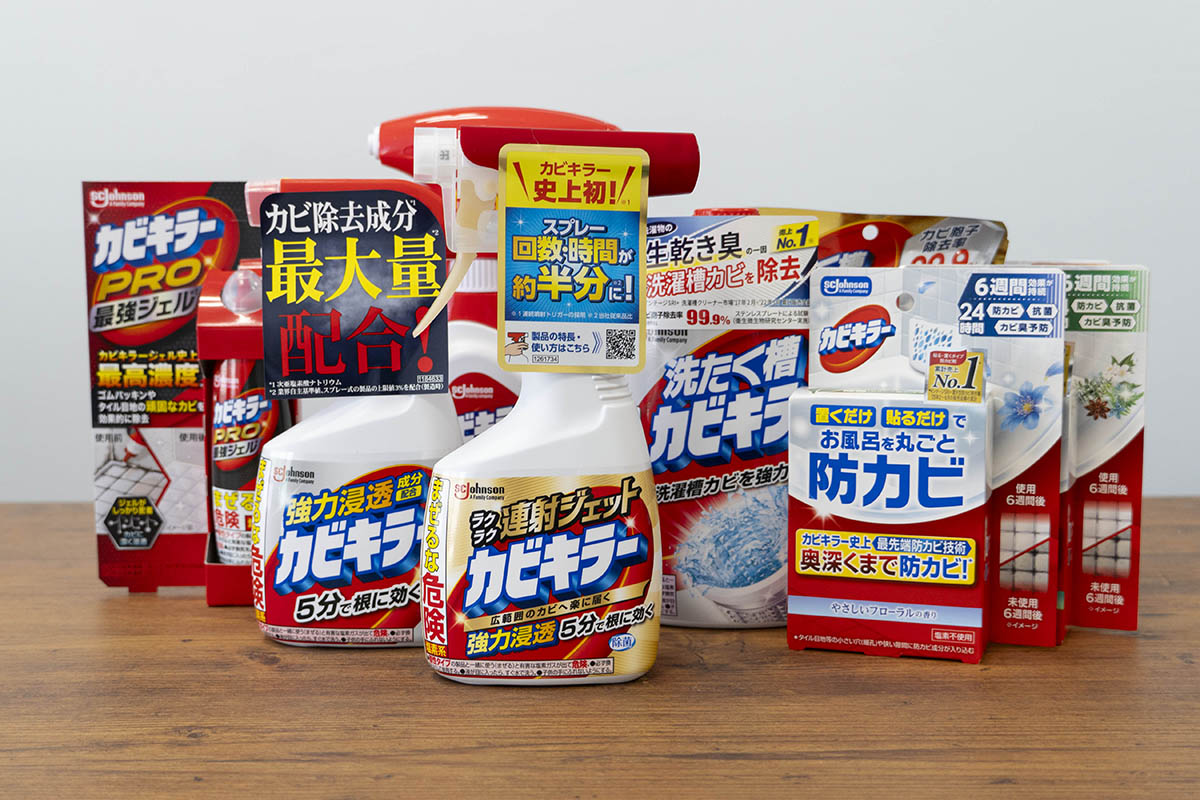
Millions of Japanese social media users have spent years battling the dreaded sabotta ringu, the stubborn, dark waterline stain that forms when a toilet bowl goes unscrubbed for weeks. Short-form cleaning clips promised a magic bullet: bypass traditional toilet brushes and blast the waterline with Kabikiller, the ubiquitous sodium hypochlorite mold spray manufactured by SC Johnson Japan. The thick foam bleached dark rims white on camera, racking up millions of views. However, as documented by an Impress Watch Report detailing the release of pressurized continuous-jet spray formats in late 2024, the surge in consumer adoption quickly exposed fundamental chemistry errors in how households tackle bathroom stains.
The viral shortcut collided directly with materials science. What appears to be an identical dark ring can stem from two completely different chemical structures: living black mold and alkaline mineral scale buildup. When frustrated homeowners found their bleached stains reappearing within days, professional sanitation consultants and chemical manufacturers stepped in to correct the record. Understanding the difference between organic biocides and acidic descalers has completely transformed the modern maintenance conversation.
📌 Key Takeaways:
- The Viral Method: Japanese internet users popularized blasting waterline rings with Kabikiller, using its heavy sodium hypochlorite foam to bleach stains without physical brushing.
- The Chemical Catch: Kabikiller breaks down organic matter like black mold and bacteria, but cannot dissolve calcium deposits or hard-water limescale rings.
- The Real Danger: Combining alkaline chlorine sprays with acidic descalers produces lethal chlorine gas, requiring strict separation of cleaning cycles and active bathroom ventilation.
- The Modern Protocol: Professional cleaners recommend targeting organic mold first with short 20-to-30-minute dwell times before deploying mild acids to dissolve the remaining mineral crust.
The Social Media Obsession With Japan’s Neglected Waterline Ring
The phrase sabotta ringu translates literally to the "slacker ring." It refers to the dark circular mark that blooms at the waterline of a flush toilet after days of neglected cleaning. In Japan’s humid climate, the standing bowl water creates a moist incubator where airborne fungi thrive alongside standing tap minerals.
Short-form video creators discovered that standard bathroom mold sprays offered dramatic visual payoffs. Instead of kneeling to scrub with abrasive wands, creators sprayed Kabikiller directly around the porcelain circumference. Within minutes, the foaming alkaline solution dissolved surface melanin, leaving the porcelain bright white on screen.
Community cleaning boards quickly adopted the method as an official life hack. Online forums debated whether the chlorine spray could replace traditional hydrochloric acid toilet cleaners entirely. For apartment renters facing move-out inspections, the spray felt like an effortless shortcut. The reality of long-term porcelain maintenance, however, turned out to be far more complex than a viral video could reveal.
The Chemistry Gap: Black Mold vs Limescale
The fundamental flaw in relying solely on chlorine sprays lies in the microscopic anatomy of a toilet bowl ring. Waterline stains rarely consist of a single substance. Instead, they form composite layers where organic fungi bond with inorganic calcium deposits.
Kabikiller relies on sodium hypochlorite paired with sodium hydroxide. This strong alkaline profile excels at breaking down proteins, bleaching fungal pigment, and killing microbial spores like Cladosporium. When applied to active mold colonies, it breaks the cell walls within minutes.
Mineral scale acts entirely differently. When hard water evaporates at the meniscus of the bowl, dissolved calcium and magnesium precipitate onto the ceramic glaze. These inorganic minerals are alkaline salts. Because Kabikiller is itself strongly alkaline, it cannot chemically dissolve calcium carbonate.
Homeowners who use bleach sprays on mineral scale often experience an optical illusion. The sodium hypochlorite bleaches the dark fungal biofilm growing inside the rough mineral ridges, making the bowl appear spotless. The underlying mineral skeleton remains bonded to the porcelain, creating a microscopic, sandpaper-like anchor where fresh mold spores take root within days.
Dwell Times, Continuous Jets, and Cleaner Evolution
The debate over waterline hacks intensified as manufacturers updated their spray mechanisms and professional cleaners clarified proper contact intervals. In October 2024, SC Johnson introduced high-efficiency, continuous-jet spray nozzles designed to deliver sustained foam across broader surfaces with less finger fatigue. That launch, accompanied by passive mold-prevention blocks, prompted deeper discussions about chemical contact times.
A widespread misconception among DIY cleaners holds that leaving bleach on a stain indefinitely produces better results. Testing highlighted by Japanese professional cleaning specialists in late 2025 and 2026 proved otherwise. Leaving high-concentration sodium hypochlorite on porcelain for hours provides zero added benefit and risks degrading rubber seals and internal valve gaskets. For severe mold stains, the optimal dwell time caps out between 20 and 30 minutes before a complete rinse.
| Cleaner Classification | Active Chemistry | Primary Target | Recommended Dwell Time |
|---|---|---|---|
| Alkaline Mold Remover (e.g., Kabikiller) | Sodium hypochlorite + surfactants (pH 12, 13) | Organic matter, black mold, bacteria | 5, 30 minutes (flush thoroughly) |
| Acidic Descaler (e.g., Sanpole, Citric Acid) | Hydrochloric acid or citric acid (pH 1, 3) | Calcium carbonate, urine scale, mineral crust | 10, 20 minutes with gentle agitation |
| Continuous-Jet Foaming Sprays | Propellant-driven hypochlorite foam | Broad-surface bathroom tile, grout mold | 15, 20 minutes before high-pressure rinsing |
Extended dwell times also fail when dealing with mineral scale. While mold cleaners rely on active oxidation to destroy pigments, mineral removal requires a neutralization reaction that only acidic compounds can provide.

The Deadly Hazard of Mixing Cleaners
The biggest hazard of the viral Kabikiller trend occurs when users discover that bleach failed to remove the textured ring. In frustration, consumers reach for traditional toilet cleaners without recognizing the underlying chemical clash.
Most dedicated Japanese toilet descalers, such as the widely sold green-bottled Sanpole, rely on diluted hydrochloric acid (roughly 9.5% concentration) to dissolve stubborn urine scale and mineral deposits. Household pantries also frequently stock powdered citric acid.
Mixing sodium hypochlorite with any acidic compound triggers a rapid reaction that releases toxic chlorine gas:
$$\text{NaOCl} + 2\text{HCl} \rightarrow \text{NaCl} + \text{H}2\text{O} + \text{Cl}2 \uparrow$$
Chlorine gas damages mucous membranes in seconds. In compact, poorly ventilated Japanese residential bathrooms, a small release can cause coughing fits, chemical burns to the lungs, or loss of consciousness. Japanese consumer product labels print the warning "混ぜるな危険" (Danger: Do Not Mix) in bold yellow-and-black blocks for this reason.
Never use an acid and a bleach spray during the same cleaning session. Even residual bleach trapped in the bowl trap or beneath the flush rim can interact with acidic descalers poured shortly afterward.
Professional Protocols for Eradicating Two-Tone Rings
Professional residential cleaners in Tokyo follow a sequential two-phase strategy rather than relying on one-step social media hacks. This protocol eliminates both the fungal infestation and the underlying mineral foundation without risking dangerous chemical reactions.
The first phase focuses entirely on eliminating the organic biofilm:
- Lower the Water Level: Plunge the bowl with a standard toilet brush or use a small cup to bail water out until the stained ring sits completely exposed above the waterline. Foaming sprays lose concentration when diluted by standing water.
- Apply Hypochlorite Foam: Spray Kabikiller along the ring. Press toilet paper over the foam to prevent it from sliding down the slick ceramic, ensuring steady chemical contact.
- Control the Dwell Time: Leave the application in place for 20 to 30 minutes. Run the bathroom ventilation fan at maximum capacity.
- Purge the System: Remove the paper with tongs, scrub lightly with a soft synthetic brush, and flush the toilet three full times to completely rinse away any trace of sodium hypochlorite.
The second phase tackles the remaining mineral scale:
- Wait and Dry: Allow several hours or a full day to elapse so no trace of chlorine remains in the bowl water or trap.
- Apply Acidic Descalers: Apply a targeted acidic cleaner or citric acid gel directly to the textured calcium ring.
- Agitate and Flush: Allow a dwell time of 15 minutes before scrubbing with a non-scratch scouring pad designed for vitreous china. Once the acid reacts with the alkaline calcium carbonate, the mineral bond snaps, and the ring washes away permanently.
Frequently Asked Questions (FAQ)
Can Kabikiller damage the porcelain glaze inside a toilet bowl?
Vitreous china is non-porous and resistant to alkaline solutions. However, leaving high-strength sodium hypochlorite on porcelain indefinitely can cause dulling over time and damages the internal rubber flap valves, siphon jets, and silicone seals downstream in the plumbing system.
Why does my toilet waterline ring turn black again within a week of bleaching?
The bleach only killed the surface mold and stripped its dark color. The microscopic mineral scale anchoring the mold to the bowl was left behind. Because the rough calcium deposit remained attached to the ceramic, new mold spores settled right back into the mineral crevices.
Is it safe to spray Kabikiller directly into the toilet tank?
No. The mechanical hardware inside a toilet tank contains delicate neoprene gaskets, plastic levers, and rubber flappers. Strong chlorine oxidizes these components, causing brittleness, seal failure, and chronic water leaks that run constantly into the bowl.
Rethinking Modern Bathroom Sanitation
Viral cleaning hacks often gain traction because they promise effortless results through brute chemical strength. The widespread use of Kabikiller on neglected toilet rings revealed the practical limits of one-size-fits-all cleaning. While sodium hypochlorite remains an essential defense against fungal growth, it cannot replace the specific chemistry required to break down hard-water scale.
Long-term bathroom care relies on accurate identification rather than heavier chemical use. Recognizing whether a waterline ring consists of living mold, stubborn mineral deposits, or a layered combination of both allows homeowners to choose the correct cleaners safely. By respecting dwell times, pairing products correctly, and preventing dangerous chemical mixtures, keeping a toilet pristine requires far less effort, and avoids costly damage to your home’s plumbing.