How the Ghost Rumors Spread: The Rise of Kazo Center Hotel Paranormal Buzz

Late at night on regional message boards, mundane architecture has a way of turning supernatural. For years, travelers searching for budget accommodations along the Tobu Isesaki Line in Saitama Prefecture stumbled onto unexpected queries paired with Kazo Center Hotel: late-night footsteps, phantom knocks, and claims that the functional property doubled as an active ghost site. The phenomenon gathered momentum as digital scrapers, paranormal wiki editors, and video creators swept ordinary lodgings into broader databases of Saitama urban legends. While field investigators like the YouTube (ミステリーナイトウ) Report regularly document high-profile regional ruins such as abandoned mountain inns and historic hillside excavations, working commercial hotels frequently get dragged into the same algorithmic net.
The gap between mundane hospitality and internet creepypasta is remarkably narrow. Kazo Center Hotel, situated quietly in Kazo City, serves visiting contractors, highway commuters, and weekend visitors heading toward Tone River fisheries or local flower festivals. Yet online, its name occasionally drifts through 5channel mystery threads and amateur ghost-hunting directories. The trajectory of this rumor reveals how Japanese internet culture manufactures modern folklore out of plumbing noises, mistaken geography, and aggregator algorithms.
📌 Key Takeaways:
- The Origin: The rumors stem from early-2000s anonymous message boards where guests confused ordinary building acoustics with paranormal activity hotel rooms.
- The Algorithmic Loop: Web aggregators conflated the operating hotel with notorious regional ruins, including the collapsed Gankutsu Hotel and abandoned lodgings across Saitama.
- The Ground Reality: Municipal records and real estate disclosures reveal zero recorded deaths, violent crimes, or stigmatized property classifications tied to the address.
The Spark on Japan's Anonymous Bulletin Boards
Internet ghost stories rarely start with an explosion. They start with a shrug on an anonymous forum. In the mid-2000s, threads on 2channel dedicated to Saitama occult spots began cataloging everything from remote mountain tunnels to mundane suburban inns. Someone posted about a rattling bathroom door on the upper floor of a business hotel near Kazo Station. Another commenter chimed in, claiming they heard heavy pacing in the hallway long past 2:00 AM.
These anecdotes did not name tragic accidents or historical curses. They were ordinary travel grievances reframed through late-night boredom. In Japan's bustling business hotel ecosystem, lightweight drywall partitions and aging central heating pipes produce constant, predictable noises. Water hammer effects inside copper pipes sound strikingly like metallic taps on concrete. When sleep-deprived solo travelers encounter these sounds in unfamiliar surroundings, the human brain searches for intent. Within months, anonymous threads took those acoustic oddities and filed them under regional occult summaries.
How Algorithm Collisions Fed the Haikyo Mythos
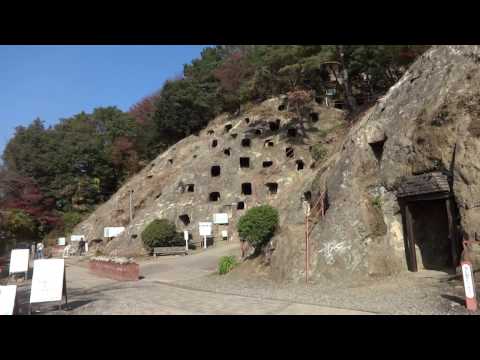
Saitama Prefecture carries a storied reputation among domestic horror fans. The western reaches around Chichibu and the central plains near Yoshimi contain genuine historical ruins and abandoned structures. Chief among them is the Gankutsu Hotel, an ambitious, hand-carved cliffside residence begun by Minekichi Takahashi in 1904 near the Yoshimi Hundred Caves. Though never a commercial hotel, the collapsed cliff dwelling became a legendary regional curiosity spot, attracting urban explorers and paranormal thrill-seekers across Kanto.
Amateur search queries caused these separate worlds to collide. Content aggregators parsing queries for "Saitama hotel ghost" and "Saitama mystery spots" began pairing Kazo City, located roughly 30 kilometers northeast of Yoshimi, with horror listicles. Low-tier click farms scraped terms like "unexplained hotel sounds" and "abandoned hotel rumors," blending genuine ruins with operational properties. Readers scanning rapidly compiled Top 10 lists assumed that because Kazo Center Hotel appeared adjacent to genuine haunted accommodations in Japan, the property itself harbored dark secrets.
Tracing the Rumor Mill Across Two Decades
The lifecycle of the Kazo Center Hotel rumors mirrors the broader evolution of Japanese net lore, moving from candid textboard musings to high-production aggregator directories.
| Timeframe | Primary Driver | Physical & Legal Reality |
|---|---|---|
| 2004, 2009 | Anonymous text posts on 2channel regional boards describing corridor creaks and sleep paralysis. | Standard business hotel operations; zero registered police incidents or property notices. |
| 2010, 2018 | Automated blog aggregators index search terms, grouping the hotel with Saitama ghost spot rankings. | Building operates normally, catering to domestic logistics workers and sports tournament attendees. |
| 2019, 2026 | Short-form video creators and urban legend wikis cross-reference search autocomplete prompts. | Real estate disclosures and municipal registries verify no stigmatized unit (jiko bukken) status. |
Architecture, Room Acoustics, and False Positives
Showroom buildings and regional hotels built during Japan's late-Showa and early-Heisei expansion follow very specific structural patterns. Steel-frame reinforced concrete structures, modular bath units, and shared plumbing shafts define the space. These designs keep construction costs predictable, but they create acoustic resonance chambers.
When an occupant on the fourth floor drains a bathtub, the rushing water vibrates through central risers, generating a muffled, sliding tone on the second floor. Elevator mechanical rooms, often mounted on roof structures, produce low-frequency hums that drop straight down structural columns into corner suites. Environmental psychologists note that solo travelers sleeping in unfamiliar environments exhibit the "first-night effect," where one brain hemisphere remains partially alert to evaluate potential threats. A nocturnal hum that goes unnoticed at home registers as a deliberate presence in a dimly lit hotel corridor.
The Commercial Reality of Stigmatized Properties in Japan
Japan maintains rigorous legal protections regarding property histories. Under Ministry of Land, Infrastructure, Transport and Tourism guidelines formalized in October 2021, landlords and commercial operators must disclose psychological defects, known colloquially as jiko bukken, if an unnatural death, homicide, or unattended passing occurred on site within specific statutory windows. Specialized monitoring platforms like Oshimaland map these locations with crowdsourced vigilance.
Kazo Center Hotel carries no such designation. Searching land registries, regional police announcements from the Saitama Prefectural Police, and local news archives yields no unaddressed fatalities at the facility. For independent regional hotels, false ghost rumors can create tangible complications. While youth subcultures occasionally book rooms hoping to experience paranormal thrills, corporate booking desks and logistics companies steer clear of hotels associated with disruptive guests or persistent internet drama.
Frequently Asked Questions (FAQ)
Q1: Did any verified tragedy occur at Kazo Center Hotel?
Public municipal archives, Japanese real estate databases, and Saitama police records contain no record of violent deaths, historical suicides, or criminal incidents associated with the building. The rumors stem entirely from internet bulletin boards.
Q2: Why does Saitama Prefecture have so many haunted hotel stories?
Saitama features a mix of dense suburban commuter towns and abandoned mountain infrastructure. High-profile abandoned ruins, such as the Gankutsu Hotel carving near Yoshimi and defunct mountain retreats in Chichibu, often get conflated with active urban hotels on digital forums.
Q3: What causes the strange noises guests report in budget Japanese hotels?
Most mysterious sounds originate from modular plumbing risers, late-night heating ventilation settling, and structural vibration from nearby rail lines or highway freight corridors rather than paranormal events.
The Mechanics of Digital Mythmaking
The narrative surrounding Kazo Center Hotel illustrates how internet rumor mills function when disconnected from physical facts. A single offhand remark about an odd sound in an economy room can snowball across two decades. Aggregators feed on algorithmic momentum, scraping terms together until a completely routine property appears alongside genuine cultural relics and dangerous abandoned sites.
The hotel remains what it has always been: a quiet, practical resting place for travelers moving through northern Saitama. The ghosts never inhabited the physical rooms in Kazo. They lived entirely inside search engines, sustained by the endless appetite of online communities looking for a thrill in the most ordinary places.