How to Make Sweet Curry Spicy: The Ultimate Step-by-Step Guide for Home Cooks
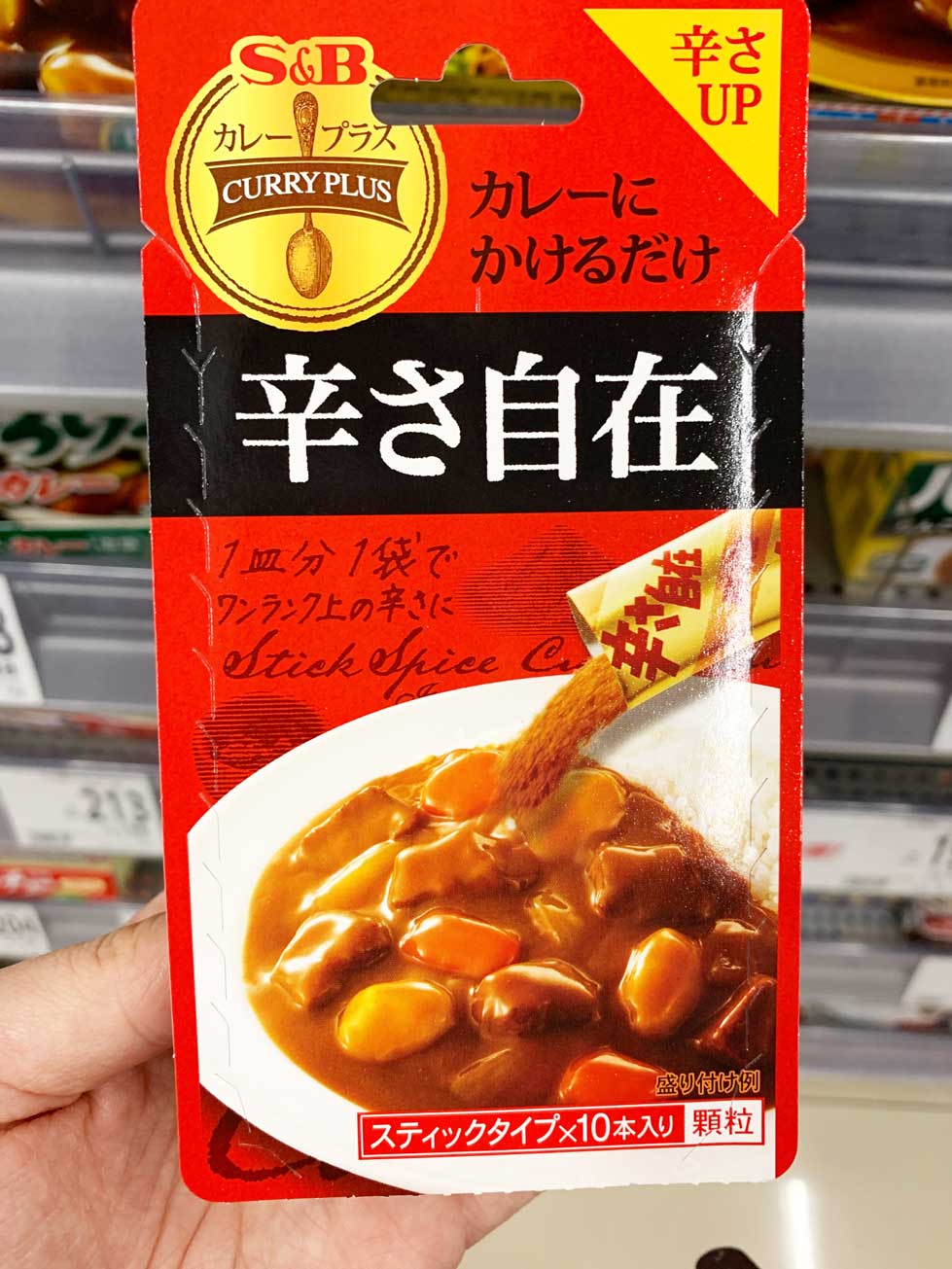
Cooking a weeknight curry often ends in an awkward standoff. When dinner has to satisfy toddlers, teenagers, and heat-seeking adults from a single pot, mild usually wins by default. Parents end up staring at a plate of lukewarm, honey-tinged sauce that tastes more like apple puree than a warming stew. According to culinary reporting from the たまひよ on MSN Report, home kitchens regularly run into the logistical headache of trying to elevate kid-friendly stews without maintaining two separate burners.
Dumping raw chili powder directly into your finished bowl rarely solves the issue. Unbloomed spices clump up, grittiness coats the tongue, and the dish loses its aromatic depth. Rescuing a pot of sweet Japanese curry roux or reclaiming individual portions demands an understanding of spice solubility, fat carriers, and aromatic balance.
📌 Key Takeaways:
- The Core Problem: Commercial mild curry blocks rely heavily on sugar, fruit pastes, and starch, meaning simple heat additions must cut through thick viscosity without upsetting baseline umami.
- The Method: Blooming dry spices like cayenne pepper and black pepper in hot oil or melted butter before serving produces immediate heat integration without chalky residue.
- The Practical Route: Single-serving portioning preserves peace at the dinner table while sparing cooks the extra clean-up of separate pot cooking.
The Family Dinner Compromise and the Sweet Curry Dilemma
Japanese curry holds a revered place in home meal rotations across the globe. Industry retrospectives published by livedoor ニュース trace the journey of domestic staples, highlighting how households navigate the shift from gentle, child-tailored seasonings toward punchy adult dishes as kids grow older. Most commercial mild versions feature a base infused with apple, honey, and caramel, giving the stew an accessible sweetness.
That gentle flavor becomes an obstacle when adults crave intense pungency. If you dump a tablespoon of dry cayenne directly over hot rice, the powder sits on the surface tension of the sauce. Raw spices taste dusty because their volatile oils remain trapped inside plant matter until released by heat and fat.
Fixing this problem without dirtying extra cookware requires treating the spice as an emulsion rather than a garnish. Adding the wrong seasoning can also tilt the flavor profile toward sourness or excessive salt. The goal is straightforward: inject heat without gutting the savory foundation.
The Single-Bowl Rescue: How to Spike Heat on Demand
When you cannot alter the entire pot, single-serving portioning becomes your primary tactic. The most effective technique relies on a rapid blooming method.
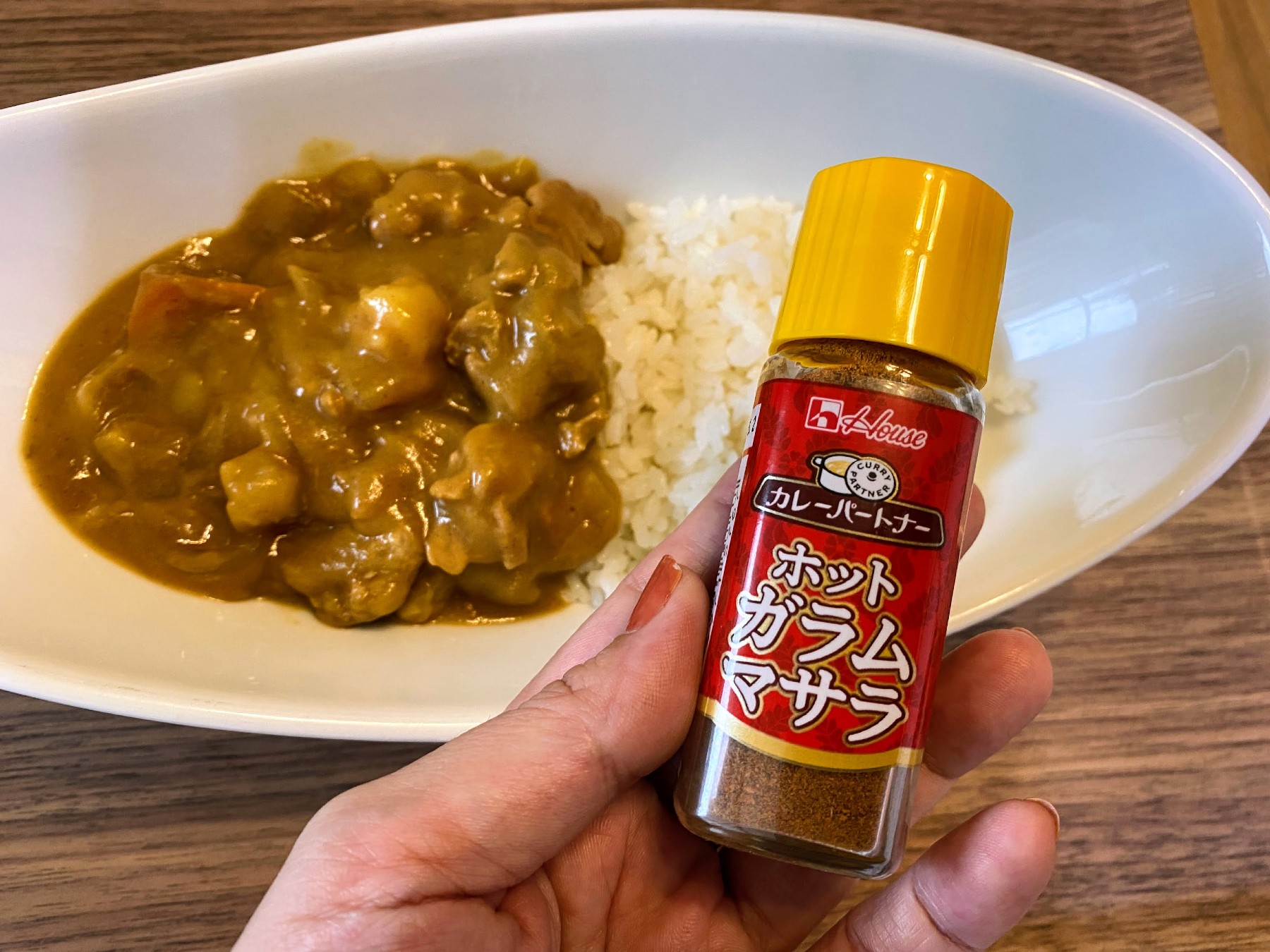
Take a small microwave-safe ramekin or ladle. Add one teaspoon of neutral oil or butter, half a teaspoon of cayenne pepper, and a pinch of garam masala. Microwave the mixture for 12 to 15 seconds until fragrant, or hold the metal ladle briefly over a medium gas flame. Pour this infused oil over your plated curry and fold it through the rice and sauce. The lipid base binds with the starches in the curry sauce, spreading capsaicin evenly through every spoonful.
If you lack cooking fats or need an instant shortcut, table condiments yield different flavor profiles:
- Pure dried red chili pepper with no extra aromatics. It yields a sharp, clean burn that hits the throat instantly without altering the underlying sweetness.
- Delivers immediate warmth through toasted sesame oil. Look for varieties with fried garlic bits (taberu rayu) to introduce texture and deep savory undertones.
- Provides piperine-driven heat rather than capsaicin. It creates an aromatic bite that contrasts sharply against honeyed vegetable bases.
Spice Modification Framework: Heat, Flavor, and Application
Different adjusters solve different kitchen problems. Selecting the right intervention depends on whether you want pure stinging heat, smoky warmth, or an aromatic finish.
| Additive | Active Compound | Best Use Case | Flavor Profile Impact |
|---|---|---|---|
| Cayenne Pepper | Capsaicin (30,000, 50,000 SHU) | Bloomed in oil for single bowls | Neutral heat; zero sweetness alteration |
| Ichimi Togarashi | Capsaicin (ground red pepper) | Direct bowl sprinkle at the table | Clean front-of-mouth burn; crisp finish |
| Garam Masala | Cumin, cardamon, cloves, pepper | Simmered for 2 minutes before serving | Deep aroma, subtle back-end warmth |
| Chili Oil Rayu | Chili extract in sesame oil | Drizzled directly over hot rice | Nutty, lingering heat; coats the palate |
| Black Pepper | Piperine | Freshly cracked into individual bowls | Sharp pungency; cuts through rich fats |
Adjusting the Entire Pot Without Cooking Twice
When an entire batch turns out too bland because someone picked the wrong box at the grocery store, you can still rescue the whole pot without starting from scratch.
Do not boil the stew aggressively once the curry roux blocks have dissolved. Starch breaks down under violent rolling boils, turning silky gravy into watery broth. Instead, turn the heat to the lowest setting.
In a separate small skillet, melt two tablespoons of butter over medium-low heat. Stir in one tablespoon of standard chili powder, one teaspoon of cayenne pepper, and one teaspoon of garam masala. Let the spices cook for 60 to 90 seconds until the mixture foams lightly and releases an earthy aroma.
Whisk three ladles of the warm curry into the skillet until thoroughly emulsified. Pour that fiery slurry back into the main pot and stir gently. Simmer for three to five minutes to allow the flavors to marry. This method prevents spice clumps and distributes heat evenly throughout the entire dish.
Countering Sweetness: Beyond Raw Capsaicin
Heat alone does not solve over-sweetness. If a base sauce contains heavy amounts of artificial fruit flavors or sweet mirin, ramping up the chili level produces a jarring dish that tastes both unpleasantly sugary and aggressively sharp.
You need acid, bitterness, and umami to push back the sweet notes.
- Add a single teaspoon of rice vinegar, Worcestershire sauce, or unsweetened tomato paste. Acid suppresses the perception of sweetness on taste buds, brightening the entire flavor profile.
- A pinch of unsweetened dark cocoa powder (around 85% cocoa) or a quarter teaspoon of instant espresso powder cuts through dense sugar coats. It introduces roasted undertones that mimic hours of long, slow caramelization.
- A splash of dark soy sauce or an extra dash of fish sauce introduces salty glutamates that reposition the stew's savory foundation.
Common Mistakes When Adjusting Curry Heat
Amateur cooks often reach for standard American hot sauces like Tabasco or Frank's RedHot. This is a mistake. Vinegar-heavy pepper sauces shatter the harmony of a slow-cooked roux. The sharp acetic acid clutters the gravy's profile, making the stew taste sour and thin.
Another trap involves relying entirely on curry powder blends. Standard curry powder contains high percentages of turmeric, coriander, and fenugreek. While aromatic, dumping raw tablespoons into a finished dish introduces chalky tannins without adding much actual heat.
Stick to pure capsaicin sources like ichimi togarashi or cayenne, paired with rich lipids. Keep ground spices fresh. Powders that have sat in your cupboard for three years oxidize into flavorless dust, providing bitterness without any heat.
Frequently Asked Questions (FAQ)
Q1: Can I just grate fresh jalapeños or serrano peppers directly into the sweet curry?
Fresh green chilies contain grassy, vegetal pyrazines that clash with the rich, stewed profile of traditional curries. If using fresh chilies, sauté them gently in butter beforehand until soft and caramelized before folding them into your bowl.
Q2: Why does adding chili powder make my curry sauce feel gritty?
Ground chilies contain insoluble plant cellulose. If added directly to cold or lukewarm curry without fat, they remain suspended in liquid. Blooming the powder in warm oil dissolves lipid-soluble flavor compounds and coats the particles, producing a silky texture.
Q3: Will adding acidic condiments split the curry sauce?
Small amounts will not break the roux. However, keep acidic additions to roughly **one to two teaspoons per four-serving batch**. Add acids slowly at low heat to prevent starch molecules from weeping moisture.
Mastering Everyday Kitchen Adaptations
Adjusting dinner to suit everyone's heat tolerance does not require separate pots or bland compromises. By understanding how capsaicin dissolves in fats and how bitter, acidic notes balance heavy sweetness, home cooks can tailor their plates in seconds. Keep pure chili powders, toasted oils, and aromatic masalas within reach. With a tiny splash of hot butter and sixty seconds of blooming, you can transform the mildest children's stew into an intensely spiced dish tailored to your exact taste.