How to Say 'Cute' in Vietnamese: 10 Charming Expressions and Exactly When to Use Them
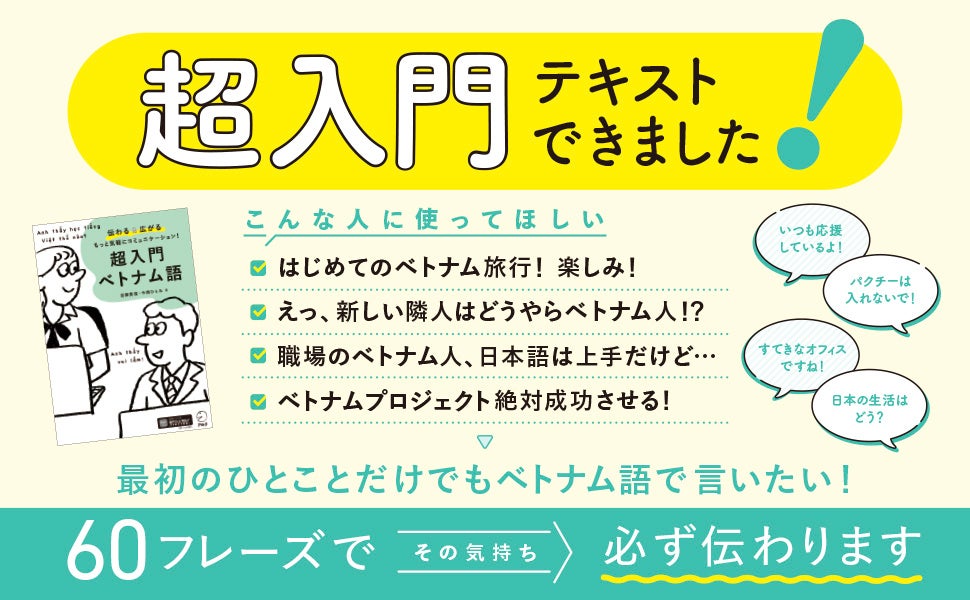
Global interest in Vietnamese has expanded far beyond standard tourist phrasebooks. Driven by booming cultural exchanges, digital creator networks across Southeast Asia, and newly released structured curricula, such as the introductory linguistics guide launched by publisher ALC under president Nobuaki Tanaka, detailed in a PR TIMES Report, learners increasingly seek authentic social vocabulary over rigid textbook translations. Yet foreign speakers often stumble on one of the most common conversational impulses: complimenting something adorable.
In Vietnamese, you cannot simply drop a single universal adjective into every situation. The word you choose depends on whether you are swooning over a street kitten in Hanoi, complimenting a colleague's toddler in Da Nang, or flirting over iced coffee in Ho Chi Minh City. Getting it wrong can make your remark sound stilted, overly formal, or unintentionally awkward.
📌 Key Takeaways:
- Core Standards: Dễ thương serves as the all-purpose daily standard across the country, while đáng yêu carries a slightly more tender, romantic, or literary weight.
- The Slang Factor: Social media feeds and youth culture rely on expressive slang compounds like cưng xỉu ("cute enough to faint") to convey high-energy delight.
- Grammar Prerequisite: Compliments never exist in isolation; they must pair with the correct kinship pronoun (such as em, anh, or bé) to sound natural and respectful.
The Cultural Nuance of Calling Something Cute in Vietnam
Western compliments often lean on broad, interchangeable adjectives like "cute," "sweet," or "pretty." Vietnamese daily conversation approaches cuteness through relational context. The language embeds emotional proximity directly into its vocabulary.
Praising an infant requires an entirely different lexicon than complimenting a romantic partner or acknowledging a delicate souvenir. Calling a baby đẹp (beautiful) can even trigger superstition among older relatives, who traditionally worry that praising a newborn too directly attracts unwanted spiritual attention. Instead, elders praise vitality, plumpness, or endearing behavior. Understanding these cultural boundaries turns a robotic translation into genuine rapport.
Ten Authentic Ways to Say Cute Across Social Contexts
To master natural Vietnamese compliments, you need options that reflect varying degrees of intimacy, age dynamics, and regional preferences.
1. Dễ thương (The Universal Classic)
This is the workhorse of Vietnamese compliments. Literally translating to "easy to love" or "easy to cherish," dễ thương works in almost any setting. You can say it about a puppy, a stylish outfit, a kind gesture, or a friend's personality. In southern Vietnam, speakers pronounce the initial "d" as a "y" sound (yễ thương), while northern speakers use a crisp "z" sound (zễ thương).
2. Đáng yêu (Lovable and Endearing)
Slightly softer and more romantic than dễ thương, đáng yêu translates roughly to "worthy of love." It appears frequently in pop ballads, film scripts, and romantic texting. Use this when someone does something genuinely sweet that warms your heart.
3. Cưng (Darling Affection)
Common throughout southern provinces, cưng functions both as an adjective and a term of endearment. When you see a fluffy dog or a chubby cheeked baby, exclaiming "Thấy cưng quá!" ("Looks so precious!") instantly signals warmth and approachability.
4. Cưng xỉu (The Hyperbolic Youth Slang)
Popularized across TikTok, Instagram, and college campuses, xỉu means "to faint." Pairing it with cưng creates an expression roughly equivalent to "so cute I could die." It is strictly informal and ideal for reactive comments on social media photos.
5. Xinh xắn (Petite, Neat Cuteness)
This compound pairs xinh (pretty) with the diminutive reduplication xắn. It describes dainty, tidy, or petite cuteness. People routinely apply it to young girls wearing traditional dresses, small handmade crafts, or delicate stationery.
6. Kháu khỉnh (Specifically for Babies and Young Boys)
Do not use this for adults or pets. Kháu khỉnh describes a healthy, bright-eyed, sharp-looking child, usually a toddler or young boy. It delivers high praise to parents because it implies the child is robust, smart, and charming.
7. Dễ mến (Pleasant and Personable)
When cuteness stems from good manners, warmth, or approachable character rather than physical features, dễ mến is the proper choice. It translates to "easy to like." It works exceptionally well in professional or semi-formal encounters.
8. Xinh xẻo (Playful Internet Slang for Pretty-Cute)
Another modern slang variation, xinh xẻo softens the word for pretty into something cheeky and youthful. You will hear young women in Saigon or Hanoi using it while shopping for accessories or showing off manicured nails.
9. Ngọt ngào (Sweet and Tender)
While literally meaning "sweet" in culinary terms, ngọt ngào describes romantic cuteness or thoughtful acts. A partner bringing unexpected breakfast or speaking with gentle cadence earns this compliment.
10. Cute xỉu / Kute (The Globalized Slang)
English loanwords are deeply embedded in modern Vietnamese messaging. Young locals frequently write kute or cute xỉu in chat apps. It carries zero formality and should remain reserved for peers and online banter.
Pronunciation, Diacritics, and Regional Dialect Splits
Vietnamese tones dictate meaning entirely. Mispronouncing a vowel tone can turn an endearing compliment into nonsense or an accidental insult. Paying close attention to rising tones (sắc) and broken falling tones (ngã) prevents conversational blunders.
| Expression | Northern Phonetics | Southern Phonetics | Primary Social Context |
|---|---|---|---|
| Dễ thương | Zay-t'huong (glottal break) | Yay-t'huong (smooth dip) | Universal daily use, safe for all ages |
| Đáng yêu | Dahng-eew (firm D) | Dahng-eew (soft D) | Dating, romantic expressions, toddlers |
| Cưng xỉu | Cuhng-see-oo (sharp drop) | Cuhng-see-oo (gentle dip) | Peer-to-peer slang, texting, pets |
| Kháu khỉnh | Khow-khing (nasal finish) | Khow-khin (short finish) | Infants and young boys exclusively |
The difference between North and South extends beyond pronunciation into frequency of use. Southern speakers favor cưng in spontaneous conversation, often dropping structural markers entirely. Northern speakers lean more toward balanced couplets like xinh xắn or standard dễ thương in everyday interactions.
Navigating Pronouns and Honorifics When Giving Compliments
You cannot say "You are cute" using neutral words like "you" and "I." Vietnamese grammar relies on an intricate web of personal pronouns reflecting relative age, gender, and social status. Choosing the wrong pronoun completely neutralizes the charm of your compliment.
When speaking to someone slightly younger than you, use em. A man complimenting a younger woman says: "Em dễ thương quá" ("You are so cute"). If a younger person compliments an older woman, they must use chị: "Chị dễ thương quá." Using em with an older woman can sound dismissive or overly bold unless deliberate flirtation is mutually understood.
When complimenting small children or babies, refer to the child as bé or con: "Bé đáng yêu quá!" Addressing an infant as an adult pronoun sounds foreign and robotic. Master the pronoun first; the compliment will land effortlessly.
Slang, Social Media Shorthand, and Modern Dating Dynamics
Vietnamese digital culture moves at breakneck speed. On platforms like Threads, Zalo, and TikTok, phonetic abbreviations dominate the comment sections of popular creators and pet accounts.
Youth shorthand frequently reduces words to their bare consonant outlines. You will encounter dth as a stand-in for dễ thương, or cx representing cưng xỉu. In modern dating etiquette across urban hubs like Hanoi and Saigon, dropping a casual "Nhìn cưng vậy" ("You look adorable") on an Instagram story reply has become standard flirtatious currency among Gen-Z singles.
Context remains decisive. Using exaggerated internet slang like cưng xỉu with an elder, a business associate, or a government clerk will produce confusion rather than smiles. Reserve expressive slang for peers, close friends, romantic partners, and domestic animals.
Frequently Asked Questions (FAQ)
Q1: What is the safest way to compliment a stranger's pet in Vietnam?
A1: The most natural phrase is "Bé này dễ thương quá!" (This little one is so cute!). Using bé (little one/baby) signals warmth and affection, while dễ thương quá keeps the statement polite and friendly.
Q2: Can I use "dễ thương" to compliment a man?
A2: Yes, but context matters. If used by a woman toward a male peer, it implies he has a sweet, gentle, or thoughtful personality. If you want to compliment a man's physical attractiveness instead, đẹp trai (handsome) is far more common.
Q3: How do I respond when someone calls me cute in Vietnamese?
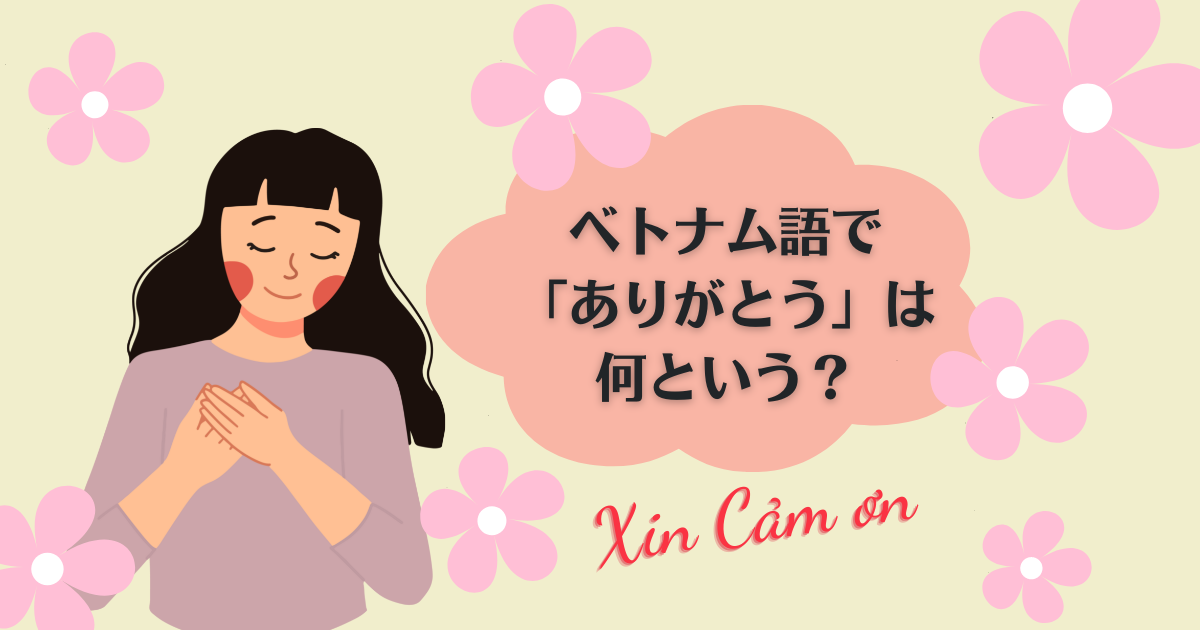
A3: The standard, polite response is "Cảm ơn bạn!" (Thank you, friend!) or adjusting the pronoun to the speaker, such as "Em cảm ơn anh/chị!" If you prefer modest deflection, a common cultural habit in Vietnam, you can smile and say "Đâu có đâu" ("Not at all").
Mastering Everyday Warmth in Vietnamese Conversation
Language fluency rarely hinges on memorizing thousands of abstract grammar rules. It builds through precise, culturally calibrated interactions that bridge the gap between textbook theory and daily social life. Complimenting someone effectively is one of the fastest paths to creating genuine human connection in Vietnam.
Start with dễ thương as your reliable anchor. As your ear tunes into regional tones and your confidence with personal pronouns sharpens, expand into expressive territory with đáng yêu and playful slang like cưng xỉu. Paying attention to these subtle distinctions transforms routine speech into meaningful, memorable conversation.