How to Tell If Your Rabbit Is Sleeping: The Complete Open-Eye Bunny Guide
Every rabbit owner remembers the first time they walked into a room and found their bunny staring frozen into space, eyes wide, body completely motionless. The immediate panic is universal: is my pet sick, paralyzed, or worse? In most cases, the rabbit is simply sound asleep. The phenomenon sparked widespread conversation across pet communities following a viral episode of the popular manga series Chiikawa, where the hyperactive character Usagi was depicted sleeping peacefully with closed eyelids. As highlighted in a Yahoo!ニュース Report on the episode, seeing a rabbit sleep with its eyes visibly shut is so rare in reality that fans treated the fictional scene as a momentous reveal. In the real world, lagomorphs evolved an array of defensive optical tricks that allow them to drift into restorative slumber without ever dropping their guard.
Understanding rabbit sleep requires unlearning how human rest works. Where primates seek total darkness and sensory shutdown, wild and domestic rabbits operate on an entirely different neurological wiring. Their wild ancestors were hunted by raptors, foxes, and snakes; dropping their eyelids meant forfeiting the split second required to evade capture. Even thousands of generations of domestication have not erased that predator survival reflex. If you share your home with a rabbit, mastering the subtle physical cues of open-eye slumber is essential to assessing their comfort, monitoring their health, and giving them an environment where they feel safe enough to truly let down their guard.
📌 Key Takeaways:
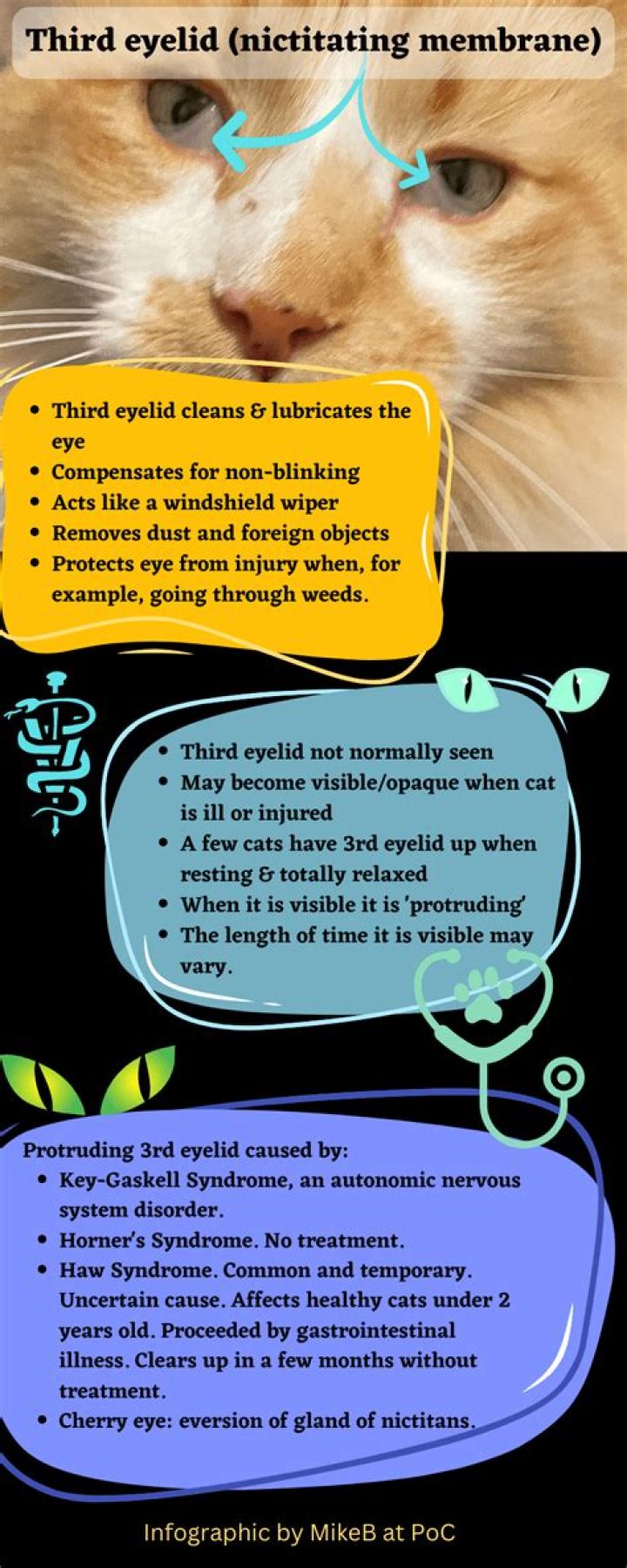
- The Survival Mechanism: Rabbits possess a translucent third eyelid called the nictitating membrane that shields the cornea while permitting ambient light detection during rest.
- The Core Diagnostic: The most reliable indicator of sleep is the rabbit's nose twitching stops completely, transitioning the animal into slow-wave or REM states.
- Behavioral Safety Signs: Fully closed eyes and dramatic side-flops only occur when a rabbit perceives its surroundings as completely free of predatory threats.
The Evolutionary Mechanics Behind the Unblinking Bunny Gaze
Wild European rabbits (Oryctolagus cuniculus) sit near the base of the terrestrial food chain. Because predators strike from both ground and sky, the lagomorph skull evolved with large, laterally placed eyes that provide nearly a 360-degree field of vision, leaving only a tiny blind spot directly beneath their chin and behind their head. Shutting those eyes for hours at a time would be an evolutionary death sentence. Instead, prey animal instinct hardwired rabbits to sleep with their retinas partially exposed to shifting shadows.
The biological secret behind this feat is the nictitating membrane, often referred to as the third eyelid. This translucent, moist membrane sweeps across the cornea horizontally. While humans must blink roughly 15 to 20 times per minute to prevent ocular dryness, a rabbit blinks as infrequently as 10 to 12 times per hour. During open-eye rest, the nictitating membrane stays partially engaged, keeping the eye lubricated while the pupils remain responsive to abrupt changes in ambient light. If a shadow passes between the rabbit and the nearest light source, photoreceptors transmit an immediate alarm signal to the brainstem, waking the rabbit instantly before conscious thought even registers the threat.
This optical vigilance aligns directly with the rabbit's crepuscular cycle. Rabbits are neither strictly nocturnal nor diurnal. Their peak biological activity concentrates at dawn and dusk, between 5:00 AM to 8:00 AM and 6:00 PM to 9:00 PM, when low light provides camouflage against predators. During the middle of the day and deep into the night, their metabolic rate slows down. They spend these daylight hours resting in plain sight, looking wide awake to untrained human observers while their brains cycle through essential neurological maintenance.
Decoding Physical Indicators When the Eyelids Stay Open
Because you cannot rely on shut eyelids to confirm slumber, reading rabbit body language requires scanning for micro-movements across the head, ears, and torso. When a rabbit sits upright in a tense loaf position, they are resting but alert. When they transition into actual sleep, muscle tone collapses in distinct stages.
The primary signal is the nose. Under normal waking conditions, a rabbit's nostrils twitch continuously, pulsing at anywhere from 60 to 150 twitches per minute as they sample air currents for predators and food. When a rabbit enters slow-wave sleep, this motion decelerates abruptly. Within seconds, the nose twitching stops altogether. The nostrils relax into complete stillness, flaring only during rhythmic respiration. If your bunny appears frozen and its nose is static, it is asleep, regardless of how wide its eyes appear.
Ear carriage provides the second vital clue. A rabbit's large pinnae act as independent satellite dishes, constantly rotating toward ambient sounds even when the body rests. As deep sleep takes hold, the muscles controlling the ear bases lose tension. Lop-eared breeds show a softening around the crown, while up-eared rabbits let their ears fall back flat against their shoulders. The third indicator is respiration depth: the rapid, shallow chest movement of waking life yields to slow, steady abdominal expansion, dropping from a baseline rate of 30, 60 breaths per minute down to a relaxed tempo.
Sleep Stages and Physical Transitions: What You Are Actually Seeing
Rabbit slumber alternates between light rest, non-REM slow-wave sleep, and paradoxical REM sleep. Each phase manifests through specific postures and responsiveness thresholds. Observing these states helps owners identify whether their pet is merely recharging on edge or feeling utterly secure.
| Sleep Phase | Physical Posture | Ocular Presentation | Nose & Ear Activity |
|---|---|---|---|
| Wakeful Rest | Upright Sphinx or Sphinx-Loaf; paws tucked under chest | Wide open; full blink rate (approx. 10, 12/hr) | Rapid twitching; ears actively rotating toward sound |
| Slow-Wave Sleep | Flattened Loaf; chin resting flat on substrate | Wide open or half-closed slit; nictitating membrane visible | Nose twitching ceases entirely; ears droop back against body |
| REM Sleep (Deep) | Side sprawl or full Bunny Flop; limbs limp | Closed or partially cracked open with rapid eyeball movement | Nose still; intermittent ear, whisker, and paw tremors |
Among all rabbit sleeping positions, the sudden bunny flop causes the most panic for first-time caretakers. A rabbit will be hopping casually, pause, and suddenly throw itself onto its flank with a dull thud, lying completely prone like a fallen statue. To a human, this looks like an acute cardiovascular collapse. In reality, it represents the highest possible compliment to an owner's living room. A rabbit cannot sprint or flee from a flank sprawl. Striking that pose demonstrates that the animal's fight-or-flight circuits are entirely disengaged.
Deciphering REM Twitching from Pathological Spasms
During REM sleep in rabbits, the motor cortex fires vivid signals while the body remains paralyzed by natural sleep atonia. When that inhibition experiences slight neural leakage, the rabbit begins to twitch. Their paws paddle gently, their whiskers flutter, their mouths perform phantom chewing motions, and their ears flick erratically. While this is charming dream activity, inexperienced owners frequently confuse these tremors with epileptic seizures or neurological distress.
Distinguishing normal dream twitches from clinical pathology comes down to muscle tension and waking response. In healthy REM sleep, the rabbit's body is entirely soft and limp. If you gently whisper their name or step softly nearby, they wake up, blink, reorient themselves, and return to an upright posture within seconds. A seizing rabbit, conversely, displays rigid limb extension, violent head tilting, involuntary rolling, and inability to regain equilibrium upon tactile stimulation. Neurological conditions like Encephalitozoon cuniculi or inner ear infections do not resolve when you say the rabbit's name.
Another dangerous misinterpretation involves tonic immobility, commonly known as trancing. Uninformed social media accounts often show owners cradling rabbits on their backs, claiming the bunny is sleeping peacefully. In truth, placing a rabbit upside down triggers a catatonic terror response. The rabbit plays dead because its brain believes a predator has pinned it down. Heart rates soar, cortisol surges to toxic levels, and the animal freezes in sheer desperation. True rest never occurs on a rabbit's spine; healthy sleep happens upright, in a loaf, or on their flank.
Structuring an Enclosure That Cultivates Closed-Eyed Sleep
While sleeping with open eyes is biologically normal, rabbits kept in genuinely stress-free environments will eventually close their eyelids for extended periods. Achieving that milestone requires designing an enclosure tailored to lagomorph sensory perception rather than human aesthetic preferences.
First, address overhead visual vulnerabilities. Because birds of prey hunt from above, rabbits feel exposed under open ceilings or near towering, moving silhouettes. Providing dual-entrance hideaways, wooden boxes, cardboard tunnels, or covered huts, is mandatory. A single-door hideout can make a rabbit feel trapped; two openings ensure an escape route, which Paradoxically gives them the confidence to shut their eyes and rest. Positioning the primary living area away from high-traffic household corridors, drafty entryways, and ceiling fans prevents sudden visual triggers from activating the nictitating membrane reflex.
Second, manage acoustic and scent interference. Rabbits hear frequencies up to 42,000 Hz, capturing ultrasonic noises from televisions, appliances, and HVAC units that humans cannot register. Sudden high-frequency shrieks or the predatory scent of dogs and cats will keep a rabbit in permanent hyper-vigilance. Establishing predictable household routines, dimming bright overhead lighting during mid-day resting hours, and providing soft fleece bedding over non-slip flooring will signal to your rabbit's limbic system that defense measures can safely stand down.
Frequently Asked Questions (FAQ)
Q1: Why does my rabbit's third eyelid look cloudy or red while sleeping?
The nictitating membrane is naturally pale and semi-translucent. However, if the membrane appears swollen, intensely red, or displays persistent white milky discharge upon waking, your rabbit may be suffering from conjunctivitis, corneal abrasions, or an underlying molar root elongation that presses against the tear duct. A veterinary examination by an exotic animal specialist is recommended.
Q2: Is it dangerous to wake a rabbit that is sleeping with open eyes?
Startling an open-eyed sleeping rabbit can trigger a violent panic leap, causing the animal to collide with walls or fracture its fragile spine against hard cage bars. Never poke, shake, or grab a motionless bunny. Instead, gently announce your presence from several feet away using a low, soothing voice, allowing their sensory system to transition smoothly back to waking alertness.
Q3: How many hours a day does a healthy rabbit actually sleep?
An adult pet rabbit sleeps an average of 8 to 11 hours per day, split into dozens of micro-naps interspersed across the late morning and early afternoon. Because these resting bouts are fragmented and frequently occur with eyes wide open, casual observers often underestimate how much sleep their pet is actually getting.
What Lies Ahead for Rabbit Welfare and Caregiver Understanding
Deciphering the enigmatic body language of lagomorphs bridges the gap between treating a bunny as an ornament and understanding it as a complex prey mammal. When a rabbit sits unmoving across your living room with glossy, wide-open eyes, it is not staring at ghosts or suffering from a sudden health crisis. It is executing an evolutionary balance: resting its active mind while keeping its sensory sensors dialed into the room.
As veterinary behavioral science continues to circulate through companion animal communities, the expectation for how rabbits rest is shifting. The ultimate benchmark of trust is not how many tricks a rabbit learns, but whether it feels calm enough to let its nose stop twitching, roll onto its side, and finally allow those protective eyelids to seal completely shut.