Inside Appare Yakiniku Genki: A Visual Tour of Their Top Cuts and Lunch Sets
Tucked along the coastal artery of Ibaraki Prefecture, roughly a twenty-minute walk from JR Tokai Station, an unassuming exterior yields one of the prefecture's most compelling regional barbecue tables. While destination dining in eastern Japan frequently centers on metropolitan hubs like Tokyo or Mito, local dining enthusiasts have consistently turned their attention to Appare Yakiniku Genki. The establishment secured the number two position in regional dining satisfaction surveys highlighted in an ITmedia Report, propelled by a steadfast refusal to compromise on raw material handling and a distinctive midday menu structure.
For culinary travelers and barbecue aficionados exploring Ibaraki yakiniku restaurants, the venue serves as a case study in how suburban Japanese yakiniku dining thrives outside central entertainment districts. Instead of leaning on flash-frozen commercial imports, the kitchen anchors its reputation on strictly chilled selected beef cuts, meticulous prep work, and lunch plates that balance marbled indulgence with farm-fresh produce.
📌 Key Takeaways:
- Core Specialty: The kitchen operates on an absolute chilled-never-frozen standard for prime selections like chilled beef tongue (Jo-Gyutan) and signature Genki Kalbi.
- The Midday Draw: The standout Nonoyama lunch plate integrates vibrant seasonal vegetables alongside selected grill cuts, providing high-end table barbecue at approachable midday pricing.
- Atmospheric Design: Built around a traditional Japanese aesthetic, private and semi-private booth seating accommodates both casual lunches and multi-course evening gatherings.
The Suburban Ibaraki Dining Spot Gaining Regional Acclaim
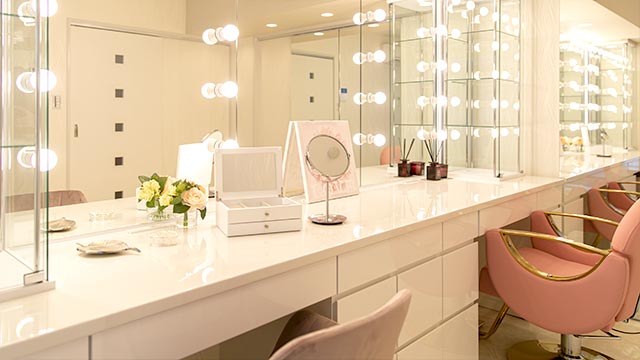
Tokai village is globally recognized for energy research rather than destination barbecue, yet Appare Yakiniku Genki manages to draw steady weekend crowds from across northern Ibaraki. A twenty-minute walk west from Tokai Station brings diners to a low-slung, dark-wood facade framed by clean lines and understated noren curtains. The building rejects the neon-heavy, smoke-choked aesthetic common among post-war commuter grill joints. Inside, soft lighting, recessed floor seating (horigotatsu), and dedicated smokeless down-draft exhaust hoods establish a tranquil dining environment.
Regional diners frequently point to this balance of accessibility and upscale comfort as the key differentiator. Suburban barbecue chains often prioritize bulk volume over preservation techniques, yet independent ventures like Appare invest heavily in supply chains that bypass deep-freeze logistics. The kitchen's sourcing network secures fresh domestic beef batches several times per week, maintaining direct control over cellar aging and temperature thresholds before any knife touches the meat.
Chilled Beef Tongue and the Science of Unfrozen Meat
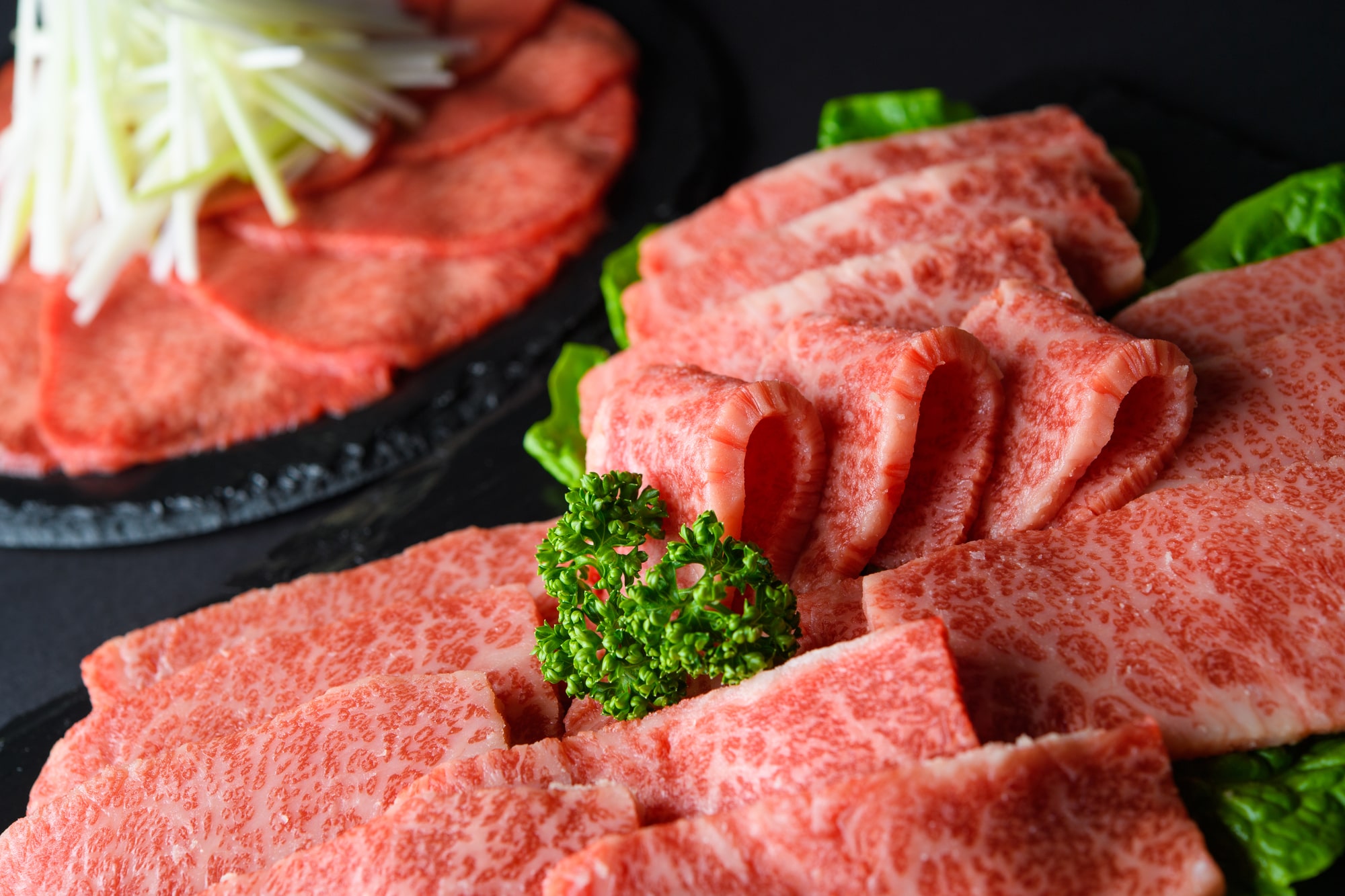
The cornerstone of the dinner and premium lunch experience is the Jo-Gyutan (upper chilled beef tongue). Across mass-market yakiniku franchises, tongue arrives in pre-sliced, machine-cut discs sheared directly from hard-frozen cylinders. Freezing ruptures cellular walls, causing significant purge loss upon thawing and leaving the grilled meat dry, rigid, and metallic.
Appare bypasses industrial freezing entirely. The kitchen works exclusively with chilled selected beef cuts, holding the whole tongue at temperatures hovering just above freezing between 0°C and 1°C. Chefs manually trim the tough outer sheath and the fibrous root base, isolating only the core muscular section known for dense intramuscular lipid deposits. Hand-sliced at a deliberate 6mm to 8mm thickness with diamond cross-hatch scoring, the tongue retains its cellular moisture when placed over hot mesh grates. The exterior crisps rapidly, yielding a distinct, springy resistance that gives way to a clean, citrus-balanced finish under a squeeze of fresh lemon and sea salt.
Deconstructing the Signature Genki Kalbi Short Ribs
Equally central to the Appare Yakiniku Genki menu is the eponymous Genki Kalbi. Sourced from choice beef short ribs, these cuts showcase the classic striations of white fat against ruby muscle fiber that define quality Japanese BBQ lunch sets and evening spreads.
Rather than submerging premium beef in cloying, corn-syrup-laden marinades hours ahead of service, the prep line dresses the Genki Kalbi immediately before the plate heads to the dining room. This flash-seasoning approach (momi-dare) coats the meat in a light soy glaze infused with toasted sesame oil, garlic, and grated apple without leeching the beef’s natural juices. When the fat renders over the grill, it flares gently, perfuming the meat with woodsy caramel notes while keeping the interior tender. The rich, savory profile of the short ribs acts as the natural anchor for diners pairing their grill course with freshly steamed Ibaraki Koshihikari rice.
The Nono Yama Plate: Seasonal Produce Meets Lunchtime Grilling
While evening service revolves around customized cut selection, midday traffic peaks around the Nono Yama (野の山) lunch plate. Named after rolling fields and mountain landscapes, this seasonal yakiniku platter offers a multi-component visual presentation rarely observed in standard lunch sets.
Instead of a stark tray with lone dishes of meat and broth, the Nono Yama arrives as an artistic canvas. Thin ribbons of marbled beef rest beside crisp seasonal greens, house-pickled roots, blanched local brassicas, and seasonal accoutrements sourced from regional Ibaraki growers. This layout provides an essential counterweight to the intense richness of charred animal fat. Diners alternate between rapid-sear beef short ribs and sharp, bitter, or fermented vegetables, cleansing the palate between each bite.
| Menu Selection | Core Cut or Configuration | Sourcing & Preparation Method |
|---|---|---|
| Upper Beef Tongue (Jo-Gyutan) | Tender tongue core, hand-scored | Strictly chilled; zero freezing; coarse salt & citrus finish |
| Genki Kalbi (Signature) | Select beef short ribs | Hand-sliced; flash-dressed in light soy-fruit tare pre-service |
| Nono Yama Lunch Plate | Mixed grill cuts paired with 5, 7 vegetable sides | Seasonal assembly; rotating farm greens, pickles, and rice |
| Specialty Harami & Loin | Skirt steak and chuck loin ribbons | Aged wet chilled; cut against the grain to maximize tenderness |
The contrast between the heavy marbling of the meat and the crisp brightness of the seasonal garnishes explains why the midday offering routinely sells out before the end of the 11:30, 14:00 lunch window.
Architectural Ambiance: Blending Charcoal Grills with Traditional Sukiya Elements
Yakiniku spaces frequently wrestle with an identity split: industrial exhaust ducts clash with traditional Japanese dining concepts. Appare reconciles this via a design inspired by classic sukiya-zukuri tea-house architecture. Natural timber partitions divide the interior into secluded dining zones, screening neighboring parties without suffocating the room in narrow drywall corridors.
Under-table smokeless suction systems pull smoke directly beneath the grate line, keeping the air clean and eliminating the lingering grease vapor typical of older establishments. This engineering detail makes the dining room viable for both business luncheons and relaxed family gatherings. Guests step onto polished cedar floors, transitioning into sunken tables that accommodate extended group dining without the physical fatigue of traditional floor kneeling.
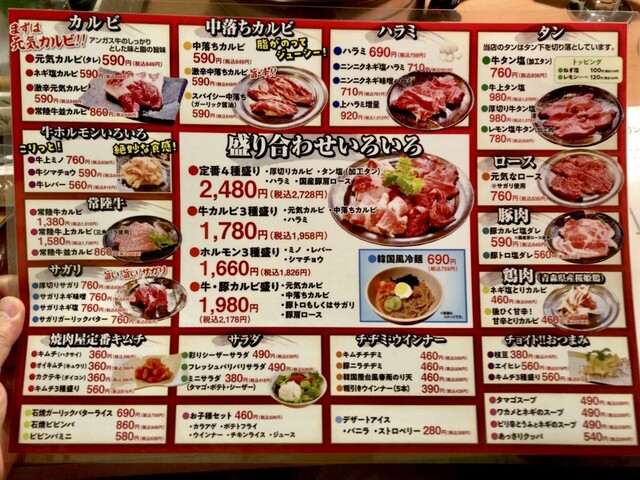
Navigating the Table: Ordering Strategies and Price Performance
Navigating a high-tier suburban yakiniku menu requires an understanding of how courses build flavor. Longtime patrons typically avoid ordering heavily sweetened or thick cuts first.
The meal opens best with salt-seasoned chilled beef tongue, accompanied by light namul or pickled radishes. Cooking the tongue over high direct heat for 45 to 60 seconds per side seals the exterior while the core remains tender. From there, diners progress to lean cuts like harami (skirt steak) or rosu (loin) before introducing the fat-heavy Genki Kalbi. Because the short ribs carry generous intramuscular marbling, they are best grilled toward the second half of the seating, punctuated by bites of the Nono Yama vegetables to prevent sensory fatigue.
Price points remain notably grounded compared to Tokyo standards. While a comparable spread of unfrozen Wagyu tongue and hand-prepped kalbi easily commands upward of ¥8,000 to ¥12,000 per person in Roppongi or Ginza, Appare delivers equivalent quality for roughly ¥3,500 to ¥6,000 at dinner, with lunch sets operating at an even more accessible threshold.
Frequently Asked Questions (FAQ)
Q1: How far is Appare Yakiniku Genki from public transit?
The restaurant is located roughly 1.5 kilometers west of JR Tokai Station on the Joban Line. It takes approximately 18 to 22 minutes on foot, or less than 5 minutes by local taxi from the station's west exit.
Q2: Is the Nono Yama lunch plate available during dinner service?
No. The Nono Yama plate is strictly an exclusive daytime offering designed for the midday lunch menu. Evening dining shifts to an à la carte format and premium multi-cut set platters.
Q3: Are reservations necessary, or do they accommodate walk-ins?
Walk-ins are welcomed, but table capacity fills rapidly on weekends and prime lunch hours. Reserving a table several days in advance is strongly recommended, especially for groups desiring private booth seating.
The Evolving Landscape of Regional Japanese Yakiniku
Suburban specialty restaurants across Japan are redefining food tourism. Rather than centralizing excellence within Tokyo’s inner circular train lines, destinations like Appare Yakiniku Genki prove that regional operators can match top-tier culinary standards through disciplined logistics and localized sourcing. By committing strictly to chilled selected beef cuts, preserving texture via manual slicing, and celebrating the bounty of Ibaraki’s agricultural soil in plates like the Nono Yama, this Tokai establishment shows that great barbecue is fundamentally built on cold-chain integrity and patient culinary craftsmanship.